
Congress 2023: Updates On Programme, Keynote Speaker, And Sponsorships
The International Association for Religious Freedom (IARF) is thrilled to share some crucial updates on our forthcoming 36th World Congress in Cluj, Romania (to be held on 4-6 September 2023 as a hybrid event, also available on Zoom).
We’re eager to engage with all participants, both in person and online, in what is set to be a truly inspirational event. Please visit the Congress website and remember to register!
Detailed Programme Announced
We’re excited to reveal our comprehensive programme, an engaging blend of lectures, workshops, devotions, panel discussions, and circle group interactions. Highlights include a tribute to Archbishop Tutu’s contributions to faith, justice, and peace by Rev. John Young, a heart-to-heart conversation with Ukrainian refugees, and insightful presentations on interfaith dialogues in the Holy Land and reconciliation between Japan and Korea.
Our timetable offers a minute-by-minute breakdown of the 3-day event, ensuring you won’t miss out on any of the enlightening sessions. We will be updating the programme regularly as we continue to refine the event schedule, so keep checking our website or sign up for our newsletter for the latest updates.
Keynote Speaker Confirmed
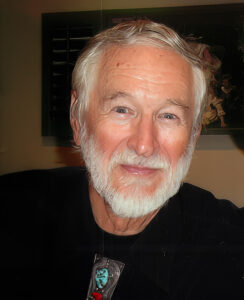
We are honoured to announce that Prof. George M. Williams will be our keynote speaker. Professor Emeritus at the Department of Religious Studies, California State University, Prof. Williams boasts an impressive academic and professional career dedicated to exploring and promoting interfaith understanding and liberal religions.
Prof. Williams was awarded his Ph.D. from the University of Iowa in 1972, specializing in religion in modern India. His research and teaching focus primarily on religions that liberate and liberal religion. This has not only fueled his interest and involvement with IARF but also earned him two honorary doctorates: in May 1994, the Starr King School for the Ministry awarded him the Litterarum Humanarum Doctor, and in October 1996, he received the Doctor Honoris Causa from the United Protestant Theological School of Cluj, Romania (the city where the Congress will be held).
A celebrated specialist on Svâmî Vivekânanda and the Hindu Renaissance, Dr. Williams contributed significantly to the American Academy of Religion, particularly in the development of the section on Hinduism. He’s also known for his work on digital archiving, translation, and preparation of databases for sacred texts like the Bhagavad Gita.
Prof. Williams has spent nearly two decades studying liberal Buddhist and Shinto groups in Japan, resulting in numerous publications and multimedia resources. His work on a Shinto digital dictionary was a pioneering educational resource and the first electronic publication of Scholars Press of the American Academy of Religion.
Beyond academia, Prof. Williams has been recognized for his work promoting interfaith cooperation and understanding. The American Chapter of the International Association for Religious Freedom (IARF) presented him with the 1989 Distinguished Service Award. He has given guest lectures at numerous universities and seminaries across the world, sharing insights on liberal religion.
Since retiring in 2003, Dr. Williams has continued his academic endeavors, publishing further works and assisting the Hawaiian faith, Kanenuiakea, to become the second indigenous member of IARF. His latest book, “Cosmic Sage: Imaoka Shin’ichirō, Prophet of Free Religion,” released in 2019, tells the story of the influential Japanese religious leader who helped IARF include non-western liberal religions as full members.
We look forward to Dr. Williams’ keynote speech, “Remembering History as a Prelude to Reconciliation,” and the insights he will share based on his vast experience and knowledge in the field of interfaith and reconciliation. It is an opportunity not to be missed!
Sponsorship Opportunities
We understand that not everyone may be able to afford to travel to Cluj or purchase the online Congress pass. To ensure maximum participation, we’re offering partial and full sponsorships for IARF members, particularly young adults, courtesy of a generous grant from our Europe and Middle East region. If you need assistance, please write to us at [email protected].
To all our members and non-members alike, we invite you to join us at this unique gathering where we will explore our theme, “Faith in Reconciliation,” in depth. We can’t wait to see you in Romania – or online – for a transformative experience of dialogue, learning, exchange, and collaboration.
If you have any questions or need assistance with registration, visa issues, or travel and accommodation, feel free to reach out to the IARF Administrator, Lukasz Liniewicz, at [email protected].
IARF’s 36th World Congress – “Faith in Reconciliation” (4-6 September 2023)
About the Congress
Join the International Association for Religious Freedom (IARF) for its 36th World Congress, titled “Faith in Reconciliation,” taking place in Cluj-Napoca, Romania, and online from September 4-6, 2023. This highly anticipated event will bring together the multifaith, multicultural, and multiethnic IARF community that began in 1901.
Congress Accessibility
For the first time in IARF history, this Congress will be fully accessible online. Enjoy interactive live broadcasts of all events, side events tailored to different time zones, and a virtual lobby for networking and building connections even if you’re unable to travel to Romania.
Congress Theme
The Congress theme, “Faith in Reconciliation,” seeks to explore the role of religion in fostering healing, reconciliation, and just peace around the globe. Discussions will cover topics such as the role of religious leaders in reconciliation, the place of religious narratives in modern societies, and the lessons interfaith dialogue can offer to the broader social and political realm.
IARF Background
The IARF was established in 1900 and currently has over 40 members, representing diverse religious traditions from around the world. Past World Congresses have featured esteemed keynote speakers such as the Dalai Lama, Karen Armstrong, and Jen Bailey.
Registration
You can register here. There are two types of Congress passes available – regular passes for in-person participation and online passes. Sponsorship opportunities are also available.
Program Updates
The full program will be published in early April. Sign up for the IARF newsletter to receive program and other updates.
Contact Information
If you have any questions or require assistance, please contact IARF Administrator Lukasz Liniewicz at [email protected].
Mark your calendars and join us in September for a transformative experience that explores the multifaceted nature of reconciliation and the role of faith in bringing about global change.
The 35th Congress: Reimagine Interfaith
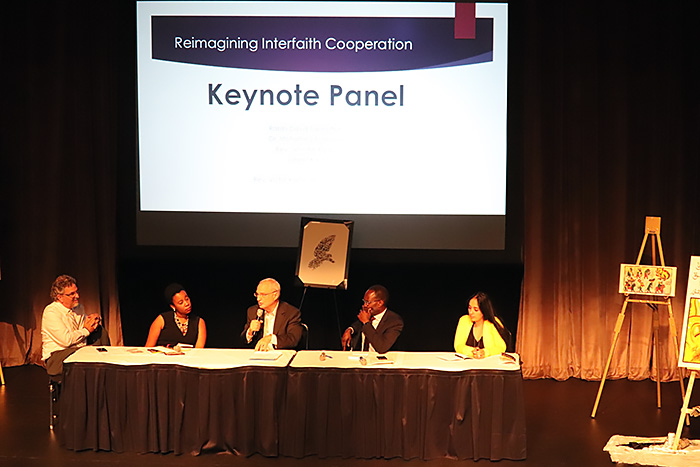
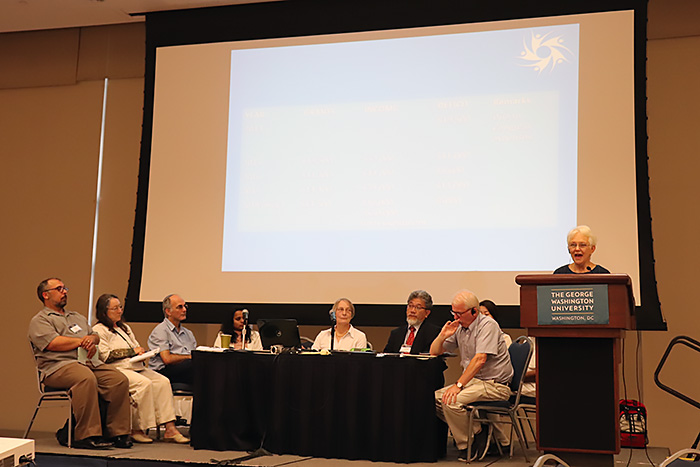
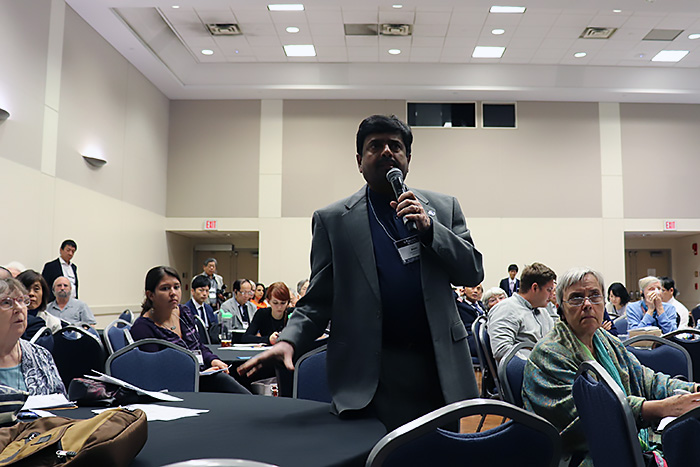
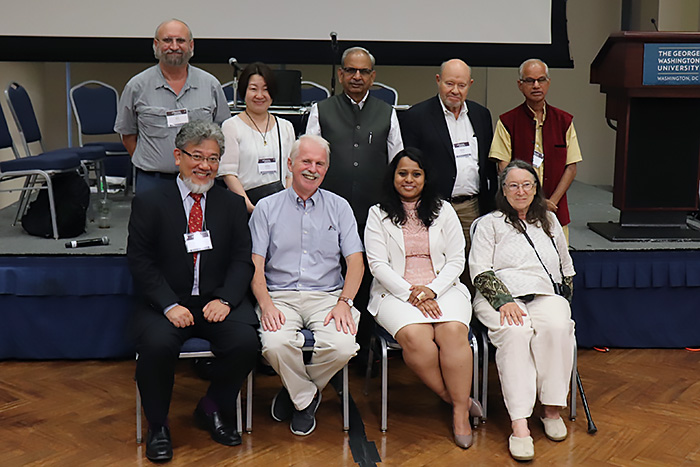
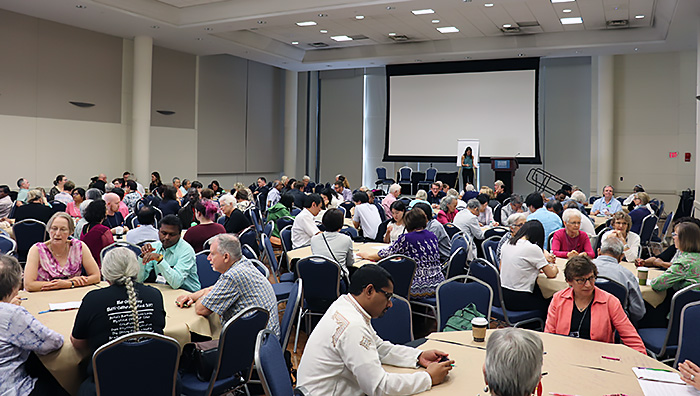
Our 35th Congress, held on 29 July – 1 August at George Washington University in Washington DC (USA), was something we hadn’t tried before. Namely, we chose the format of a collaboration project and were able to gather many wonderful, diverse partners with the support of the host, our member group, the Unitarian Universalist Association.
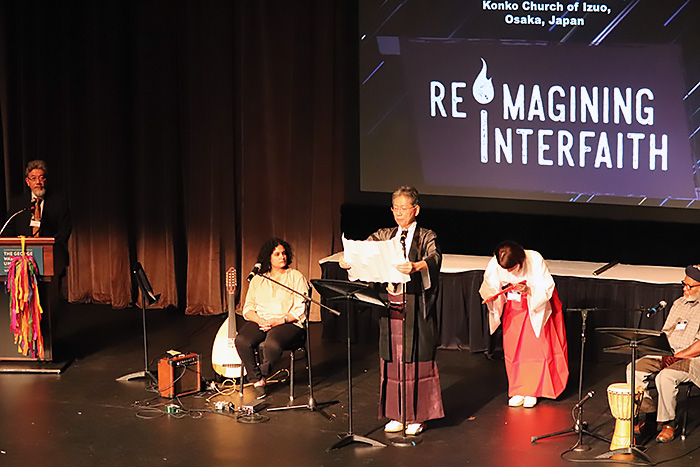
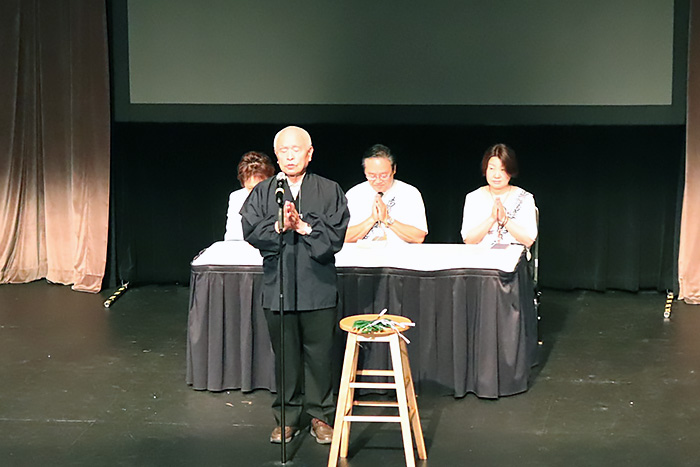
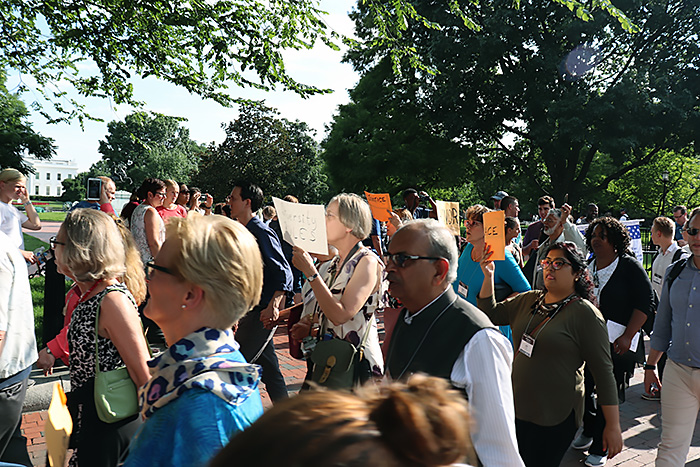
The Reimagine Interfaith Conference, like every Congress before, incorporated fellowship, learning, sharing, the General Meeting, Chapter and regional meetings, worship and many other wonderful experiences. This time we were honoured to share them with various friends from our partner organizations, which enriched the event in many different ways and allowed everyone to benefit from the enormous networking and skill-building opportunities.
Reimagine Interfaith was organized at our initiative and co-sponsored by such renowned organizations as Religions for Peace USA, United Religions Initiatives USA, United Church of Christ, the Hindu Temple Society of North America, GW Interfaith, Interfaith Youth Core, Fezana and Shoulder to Shoulder, as well as multiple religious communities.
Moving forward
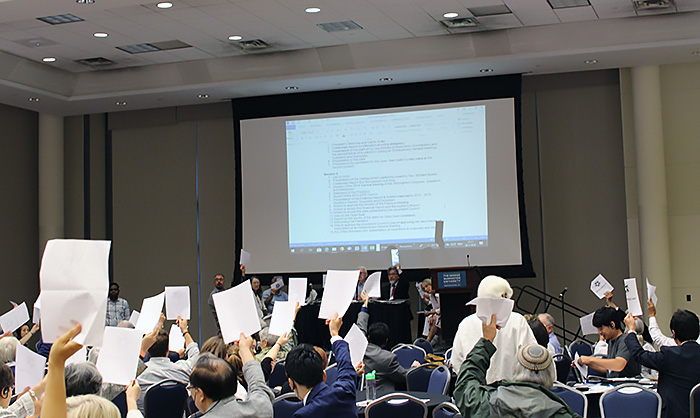
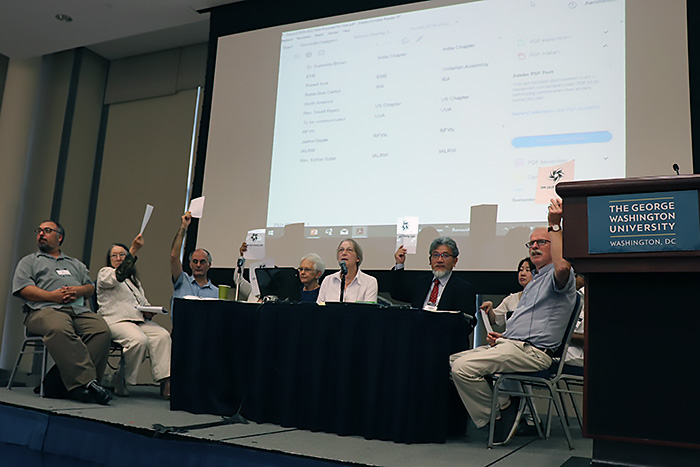
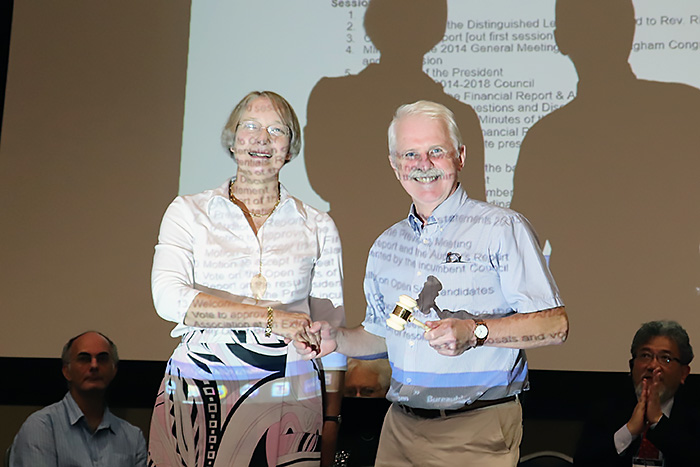
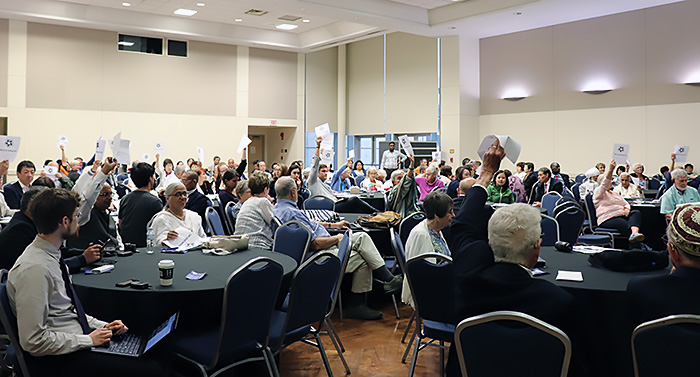
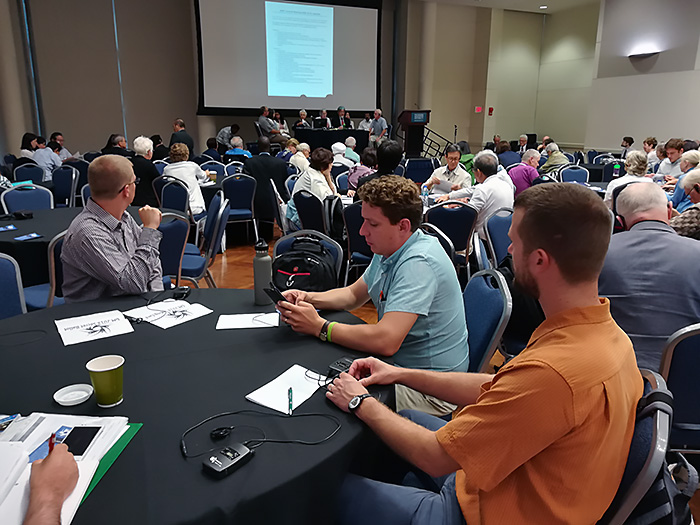
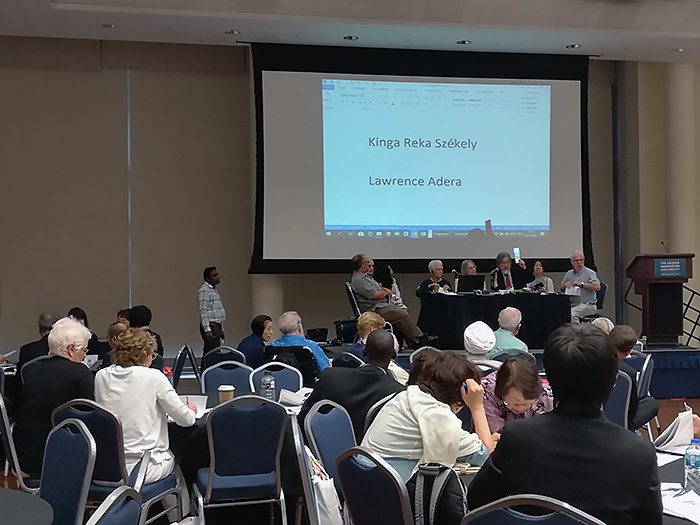
The General Meeting, attended by over a hundred delegates from all over the world, reviewed the performance of the organization and took a number of important decisions that will guide our work in the upcoming four years. Pursuing efficiency and even greater transparency, the association, currently incorporated as a Charitable Company under UK law, will transform into an Incorporated Charity Organisation, a new form of legal personality designed to simplify the way charities operate and help them focus more on their statutory goals by eliminating a number of cumbersome administrative obligations. This will provide an opportunity to redraft our constitution guided by the experience we have gained since the current document was adopted. The process has already began, launched by the outgoing Council, and will lead to calling an extraordinary General Meeting to approve the new constitution as soon as possible. The delegates approved of the work of the outgoing Council, presided by the Rev. Wytske Dijkstra, and elected a new International Council for a four-year term. The following persons were elected:
[table id=11 /]
The Chapters and Regions, as well as our sister organisation, the International Association of Liberal Religious Women, had a their meetings too. It was felt that enthusiasm has not diminished; indeed, it has grown and many new plans were made. The Congress, with its networking, fellowship and brainstorming opportunities with fellow IARF members and our partners, made it apparent that interfaith work is not less needed than a century ago, when IARF was being formed, strengthened our resolve to pursue the cause of liberty, tolerance, peace and justice. A number of interesting initiatives were born, among them a project to create a discussion paper taking out the most pressing issues we are currently confronted with, that will stimulate internal conversation as well as dialogue and cooperation with our partners: to find greater understanding of what is needed and of what new means we can employ to move forward. We will be reporting about the developments as these initiatives bear fruit.
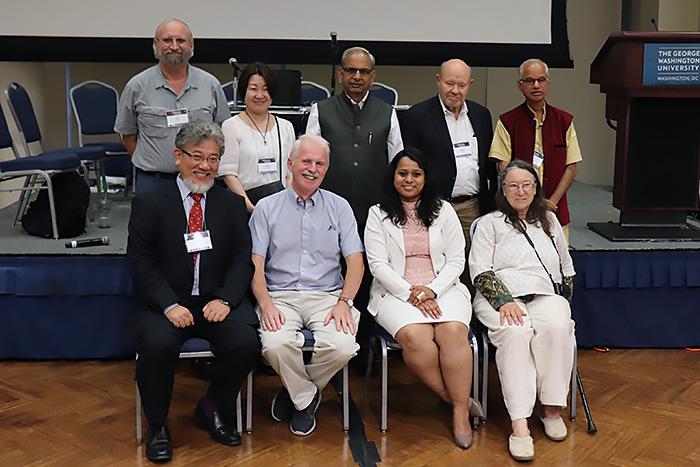

We are happy to have been able to celebrate the achievements of two prominent interfaith activists and support the work of an accomplished and unique interfaith project run by young adults.
The Schweitzer Award
The Franco-German theologian, organist, philosopher, physician, and Nobel Peace Prize winner Albert Schweitzer was a member of our organisation – perhaps the best-known of all. Schweitzer’s passionate quest was to discover a universal ethical philosophy, anchored in a universal reality, and make it directly available to all of humanity. The keynote of Schweitzer’s personal philosophy was the idea of Reverence for Life. Since 1975, we have honoured his contribution by creating the “IARF Albert Schweitzer Award for Distinguished Service to the Cause of Liberal Religion“. The Award is presented at each IARF Congress, currently held at 4-year intervals. Recent recipients include the Dalai Lama and Karen Armstrong.
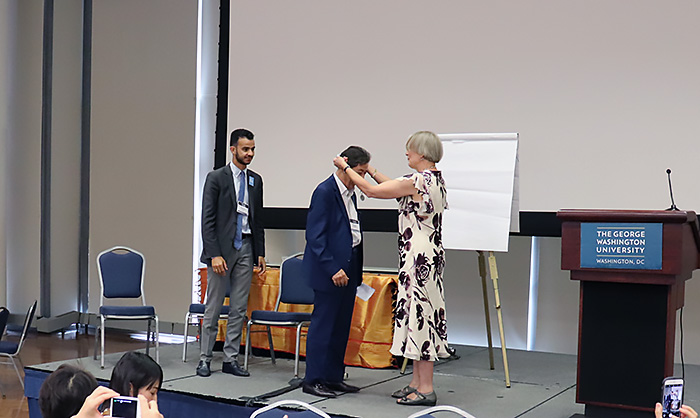
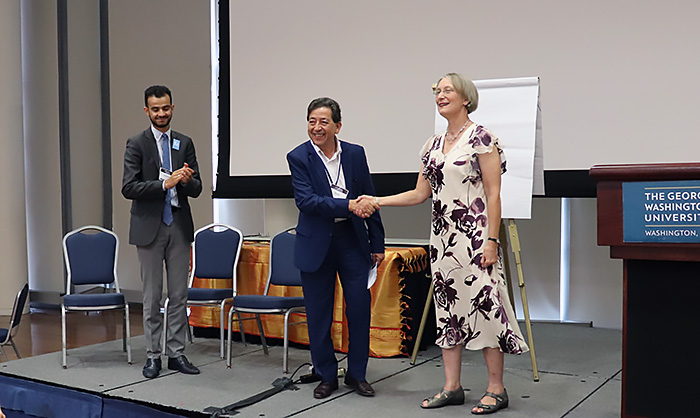
This year the award went to Sheikh Khaled Bentounès, the Sufi master of the Shadhiliyah-Darquawiya-Alawiya Sufi Tariqat based in France. The Sheikh is the founder and president of AISA (International Sufi Association Alawiyya), a UN-accredited organisation promoting peace efforts, interfaith dialogue and reconciliation, as well as women’s rights. In 2014 AISA launched a global campaign for the UN to establish the “International Day of Living Together in Peace” on 16 May. A petition to the UN was Created by Sheikh Bentounès “to demonstrate to the political authorities our desire for peace”, to which IARF has committed itself in 2015.
The Sheikh is an outspoken and charismatic advocate of freedom, human rights and border-defying relationships based on spirituality and humanism. A remarkable character and a highly charismatic religious leader in his own right, he is a key figure in an international network for promoting interreligious harmony and peace. His views on religion are inclusive and universal. He is equally apt to be at the centre of mystic gatherings as to lead large interfaith manifestations.
By: Mazaré, the Sanctuaries
For Reimagining Interfaith
extraordinary.
you’re here
you’re finally here.
i’ve heard so much about you
the glowing ones
i’ve seen snapshots of your eyes
not just open,
sho ‘nuf awake
like history books
written by the underdogs
eyes not just enlightened,
ablaze.
like a candle turned blow torch
you now see the jewels you have
that others lack
and you see the jewels
being ripped from others’ chests,
feet stepping on necks
backbones yanked out of place
so that upstanding citizens
can’t stand up straight
this enrages you
they say you shouted
at a pack of lions once.
they were circling this gazelle
who was wearing a hijab
wearing a cross
wearing a red dot
they were clawing at her
sneering, poking, prodding
prepping
to pounce
The Greeley Award
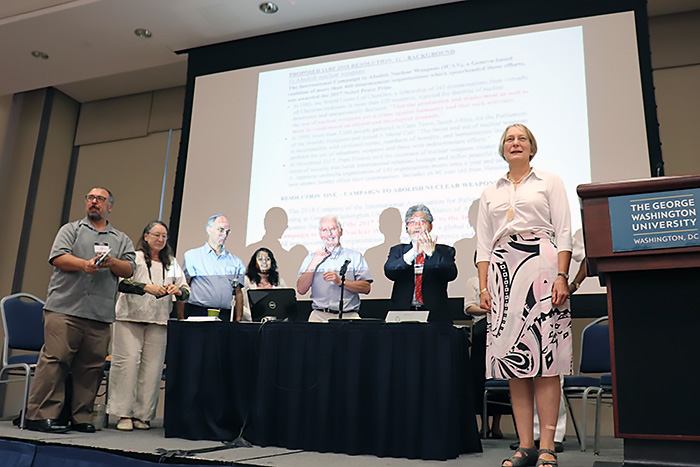
In the early seventies, Rev. Dana McLean Greeley served IARF as its president. A prominent Universalist leader throughout his career, he introduced a number of innovations to IARF and widened its scope by introducing several Japanese groups from Shinto and Buddhist traditions as members. The primary goals of the award are to support organizations of young adults, and the communities within which they are engaged, to conduct programs of leadership development, human rights education, and engagement in understanding one another’s beliefs within the context of commitment to religious freedom.
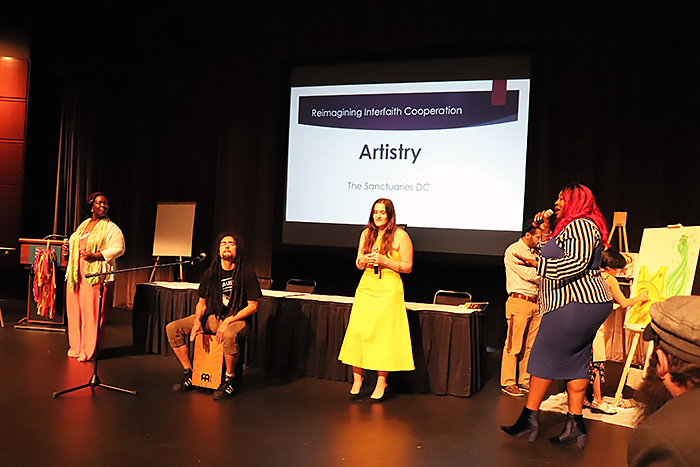
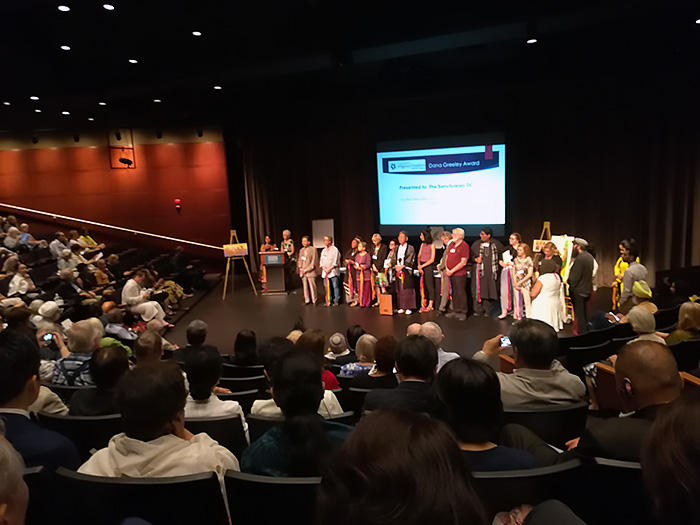
The Award, in the form of a monetary grant, is presented at each IARF Congress to a group of young adults in recognition of their contribution to interfaith work. This year the award went to The Sanctuaries: Interfaith Arts Education. This is how The Sanctuaries explains its mission.
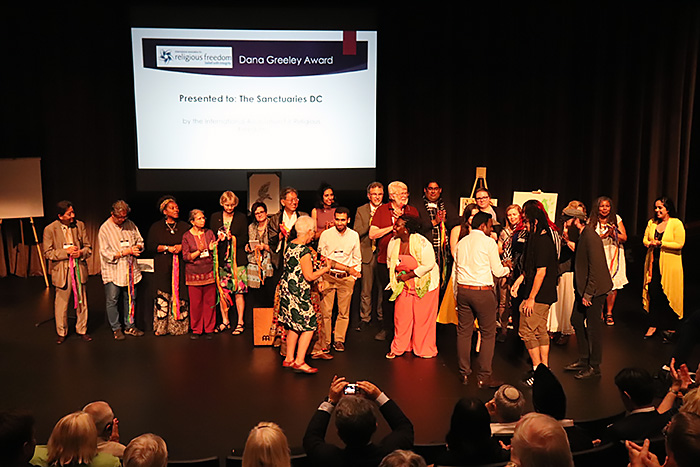 The Sanctuaries is the first interfaith arts community in the United States. We use the arts to transform two of the most divisive global issues of our time – race and religion – into forces for personal growth and social change. We fulfil this mission in two ways. First, through our multicultural community of over 150 artists, we deepen interfaith understanding by hosting regular events, retreats, and multimedia arts showcases. Second, through our Art for Social Impact training program, we educate interfaith artists how to be leaders in their local communities. Participants in this highly selective program gain first-hand experience working on the front lines of grass-roots justice campaigns to address the systems that keep us divided in the first place.
The Distinguished Leadership Award
 The IARF award for Distinguished Leadership in International Liberal Religion, established in 1980, is presented to prominent IARF activists who contributed most to the shape of the organisation and the pursuit of its goals. Former recipients include Shinichiro Imaoka (1981), Dana McLean Greeley (1984) and Diether Gehrmann (1990).
The commemorative plaque and certificate will be presented to Rev. Richard Boeke. Throughout several decades of his involvement in IARF Rev. Boeke has been active on both the international and national (Chapter) level, in England and the United States, working to promote peace and understanding between religions and cultures. His work and writings speak of the urgency of religious and cultural dialogue, especially among groups that appear radically disparate. He is unceasingly working to facilitate dialogue with well-regarded leaders, activists, and scholars of many faiths, as well as at the grassroots level.
Accounts from the Congress
It was pleasant time to interfaith meeting which I learnt and shared a lot across the world. The receptions were welcoming, both of the conference and dormitory. Accommodation, food and refreshments all were exquisite. Programs, presenters, spiritual focus and group meetings we fanatic. Speeches were charming across the board, from the president to all the council who spoken. The elections were conducted fairly and new council were welcoming and ready to work.
A selection of the most important things I have gained and experienced:
– I celebrated other faith belief without losing mine.
– Partner with others who do not look like me.
– Plant the seed of my faith to other faith groups
– My faith was not compromised directly
In conclusion, the Reimagining Interfaith Conference brought interfaith communities into better alignment with social equity and social justice that are concern without any community faith being converted. Internationally, we got to know people and learnt to break barriers internally and externally from all the interfaith fraternity. Generally, Reimaging Interfaith Conference was international condition building across the identity.
This Reimagining Interfaith/IARF 35th World Congress was a new experience for me. Therefore, I was very nervous if they would accept me, as I do not have a religion. Although I have participated in many meetings and conferences before, they were never ones focused on religion, so negative things crossed through my mind. However, I was told that Japan has customs that make religion feel familiar even if someone does not have experience with a particular religion. I thought I understood that but I realized I actually didn’t. That is probably because I hadn’t faced religion and also hadn’t felt how important having a religion is, but I experienced the importance of having a religion and the inner warmth of human through this RI/IARF conference.
In this program, there were several opportunities to discuss in a group named “circle group”. Most of them were meeting for the first time and English, which is not my first language because I’m from Japan, made me concerned with how I should behave and if they would accept me. Especially since I am not a native English speaker, my fears of being misunderstood when speaking English always cross my mind. Although it is a linguistic problem, it is internalized and appear as features of ourselves. The linguistic issue weakens myself and it comes to the forefront. Those things made me even more nervous in the circle group.
Furthermore, speaking with a lot of strangers made me even more concerned with how I should behave and if I really could explain the way I feel ; hence, I decided to not expose myself much. Also, because the theme was religion, I found it hard to be open-minded as I do not belong to any religion and do not have knowledge about it.
In the circle group, I was just listening to the others and didn’t give any opinion. Because of this, the others in the group probably thought I was a cranky person even though I thought I was being cheerful as I ordinarily am, which I believed to relieve myself. However, I gradually realized that was wrong. I alienated myself by keeping my emotions in check. Because of this, when they said to me “Eri, would you like to talk about yourself?” , I kept refusing it but gradually, I realized how I was alienating myself. Eventually I cried as I realized my true nature, but the members of circle group listened to me carefully and accepted me the way I am. They told me about their views of religion and told me “ It’s okay, no worries” when I talked to them about why I was anxious. I think that warmth and kindness connect people beyond any religion. It is certainly an important part of religion to build their personality. I experienced the view of religions and learned to help and support each other.
Until now, I have not belonged to a religion and had an inferiority complex when I was among people with religion. Even though I do not have a religion, I believe in a god or buddha somewhere in my mind, and now I know everyone accepted who I am, which made me more confident. Furthermore, I thought I perhaps have a hybrid view of religion. Because I do not have religion, I strongly wanted to change my views of religion so that I could build
various teachings of my own.
I do not belong to a religion, but it reflects on myself or my views of religion by
learning various religions. I hope that I would like to continue learning to express myself with confidence in the future.
Impressions from the Congress


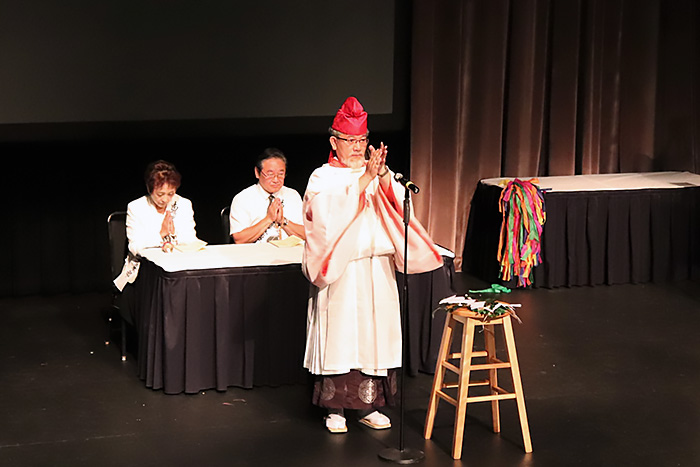

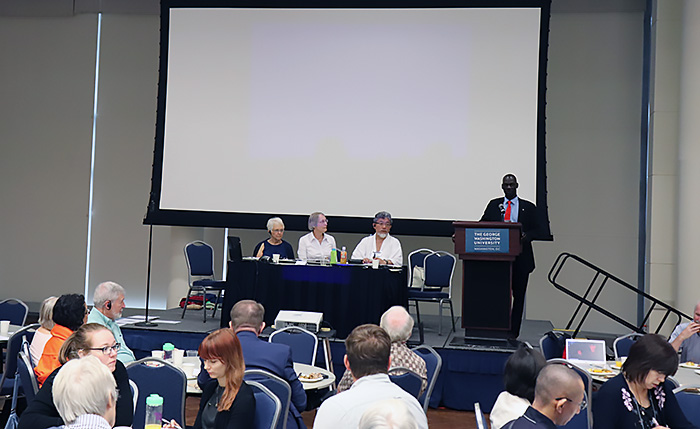


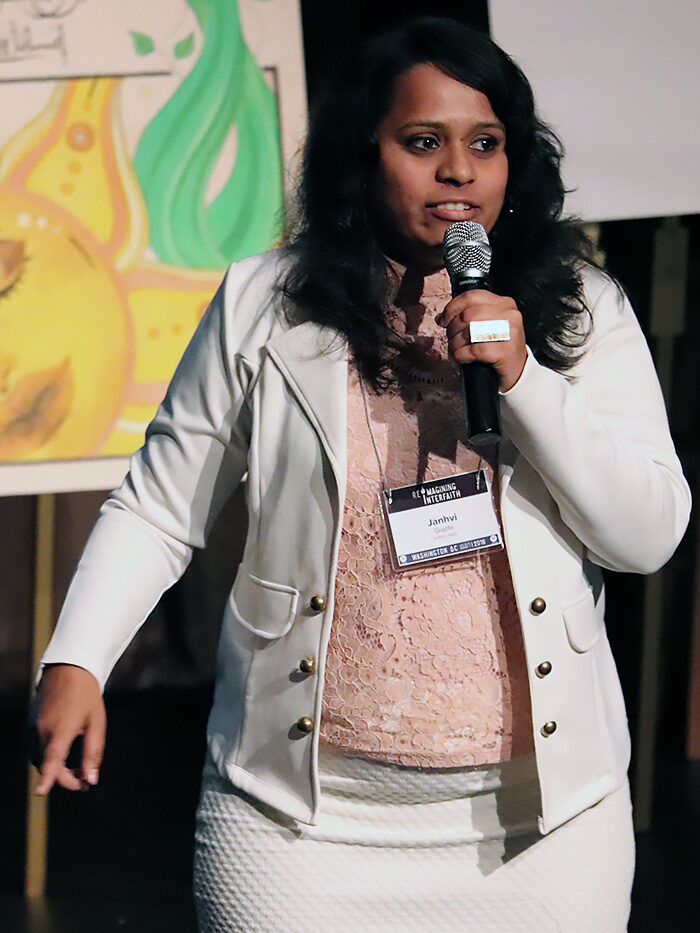
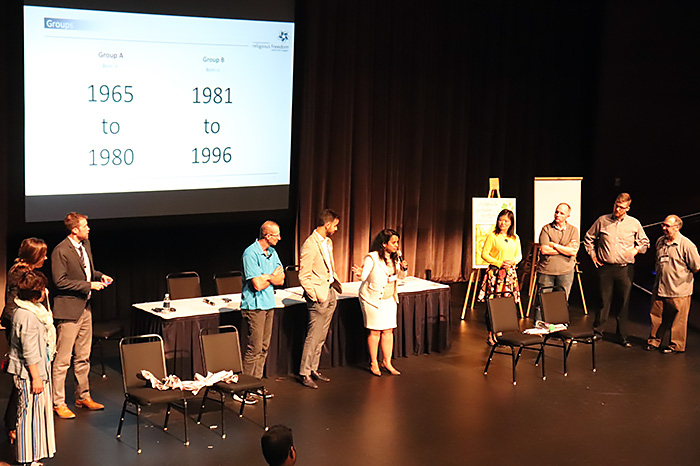





Winner of the Dana McLean Greeley Award for young adult interfaith work
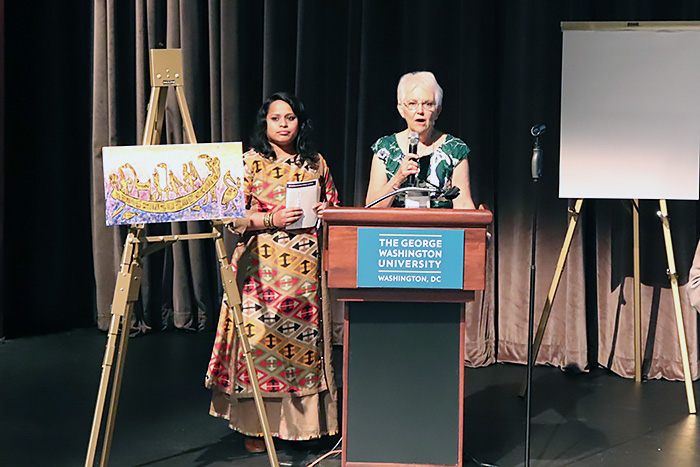
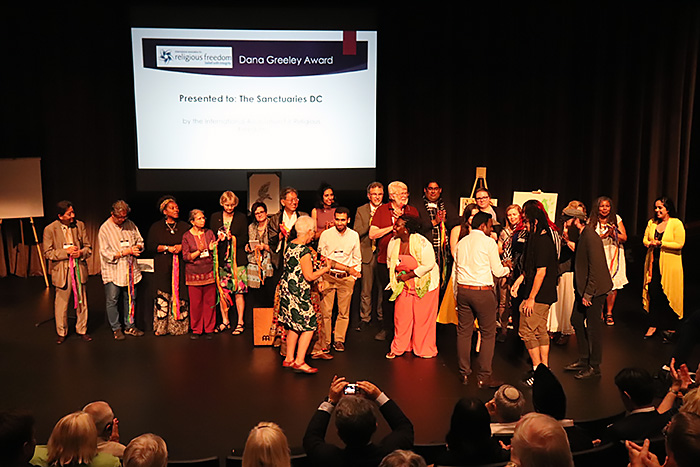
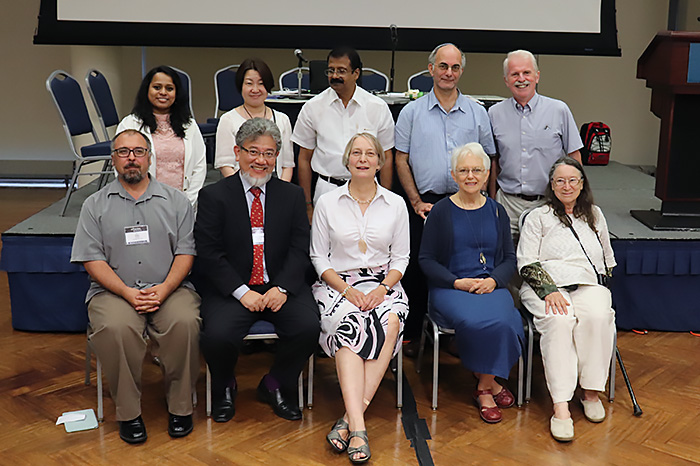
After carefully considering the 12 applications we received this year, each well-prepared and outlining a valuable project we would love to support, the Greeley Award Committee, tasked with this difficult duty, decided to award the project submitted by The Sanctuaries: Interfaith Arts Education.
This is how The Sanctuaries elaborate on their mission to ignite the sacred power of the arts for social change:
The Sanctuaries is the first interfaith arts community in the United States. Founded in Washington, DC, by a group of twenty young adults in 2013, we use the arts to transform two of the most divisive global issues of our time – race and religion – into forces for personal growth and social change. We fulfil this mission in two ways. First, through our multicultural community of over 150 artists, we deepen interfaith understanding by hosting regular events, retreats, and multimedia arts showcases. These programs are often the only structured opportunities in the city for young adults of different religious backgrounds to build lasting relationships of mutual care and support. Second, through our Art for Social Impact training program, we educate interfaith artists how to be leaders in their local communities. Participants in this highly selective program gain first-hand experience working on the front lines of grass-roots justice campaigns to address the systems that keep us divided in the first place.
What distinguishes our approach:
– It centers young adults. Too often, programs are created for young people, not by them. This project positions young adults as valuable teachers of this work for audiences of all ages. In the process, it builds trust and understanding across lines of social and generational division.
– It builds collective capacity. Too often, programs perpetuate dependency on an outside expert. This project equips teachers to share frameworks and skills that enable communities to move this work forward on their own. In the process, it builds long-term capacity, not clients.
– It scales by invitation. Too often, programs grow for numbers rather than for needs. This project relies on individuals and communities inviting teachers into their context to advance this work. In the process, it builds a replicable and respectful model of collaboration. As Dana McLean Greeley once exhorted: “Let us find something worthwhile to love, and something worthwhile to do, and give ourselves away, and we shall find ourselves again.” At the heart of our approach is this spirit of embodiment. This work is something that’s not just done, but lived.
You can learn more about the project and the organization on its website, thesanctuaries.org, and its Facebook page, www.facebook.com/SanctuariesDC/
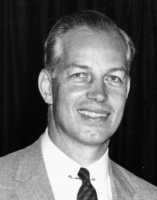
The Background of the Dana McLean Greeley Award
In 1969, Rev. Greeley [was] a pivotal force in giving the International Association for Religious Freedom (IARF) the name it still carries, and new, committed leadership from both Shinto and Buddhist traditions in Japan. He loved IARF’s heritage, and boldly moved it into its future. The Award was created by the IARF to respond to the intention of the Dana McLean Greeley Foundation for Peace and Justice to honor Rev. Greeley’s memory and life achievements for peace through the gift of a $50,000 endowment to the IARF, announced at a service and celebration held in Concord, MA, on November 5, 2006.
The Founding Purpose: The historical Mission of the Award has been to celebrate the achievements of young adults within a religious and/or interfaith community with a strong commitment to human rights, justice, and peace. The award supports an ongoing or new project of a group, featuring the collaborative engagement of young adults with their community, providing the group with material support. In turn, the group is committed to work with young adults, to develop leaders within the next generation, and to expand understanding of human rights, justice, and interfaith dialog within the context of religious freedom.
Goals of the Award: The primary goals of the award are to support organizations of young adults, and the communities within which they are engaged, to conduct programs of leadership development, human rights education, and engagement in understanding one another’s beliefs within the context of commitment to religious freedom.
The Award (or awards) will be presented at each IARF Congress, currently held at 4-year intervals. They will be celebrated and promoted at a special ceremony, and through publicity within and beyond the IARF.
Registration and call for programme suggestions for the 35th Congress open: early registration discounts!
Registration is now open for the Conference “Reimagining Interfaith Cooperation”, which will be held on 29 July – 1 August 2018 in Washington DC and incorporate the 35th World Congress of the IARF. Please fill in this form to register. You will benefit from early registration: there is a significant discount for those who register before 15 December! Should you experience any difficulties, contact our Administrator at luke[at]iarf.net. Below, as well as on the registration form, you will find more details concerning registration rates and our cancellation and refund policy:
Early Registration Deadline: 
Early General Registration is $295. Rate increases to $365 on 31 January. Rate increases to $400 on April 1.
Registration Closes:
Monday, June 25
Cancellation and Refund Policy
Cancellation before December 31, 2017: 75% Refund
Cancellation before March 31, 2018: 50% Refund
Cancellation after March 31, 2018: 25% Refund
There will be no refunds after June 25th.
Programme Tracks (more about these here) will be curated by a team of people with passion and expertise in each subject area. The teams are open to your ideas and suggestions for presentations, trainings and other skill-building events to take place within the program track they are developing. All program suggestions should be submitted by January 15, 2018 to the co-chairs of the Program Committee: Sari Heidenreich (sari[at]uri.org) and Megan Weiss (maweiss[at]csbsju.edu).
Congress 2018: programme outline, venue and accommodation
[include-page id=”8613″]
Save the Date: The 35th World Congress: August 2018, Washington DC
We are pleased to announce the Interfaith Conference that will incorporate the 35th World Congress of the IARF: Reimagining Interfaith Cooperation.
The Conference, to be held on 29 July – 1 August 2018 in Washington DC, USA, is a joint project of the IARF, the Unitarian Universalist Association, our member group, and our partners: the United Religions Initiative, the United Church of Christ and Religions for Peace. We’re very excited to be working with so many fantastic partners and hope to meet you all in Washington next year.
The venue of the Conference, one of local Universities, will be announced in October, which is also when registration will open. The registration fee is 325 USD per person and 100 USD for young adults (under 35), and includes meals as well as local transportation and conference kit. Updates, including names of speakers, detailed programme and helpful practical information, will be posted on the Conference’s website, www.reimagineinterfaith.org, as well as on our website – both will be regularly updated. You can pre-register to receive notifications here or follow us on Facebook for the latest news.
You may read more about our Congresses here.
Please contact IARF Administrator with any questions at luke[at]iarf.net.

IARF Congress 2014 registration form
Please use the form in the link below to register if you have any problems with the automated registration.
Simply download and fill in the form, and email to hq [at] iarf.net.
IARF-Congress-2014-offline-registration-form
We will then invoice you through PayPal.
For this payment you will not need a PayPal account – only a credit or debit card..
Thanking you for your patience…
For registration by post (payment by cheque), please download, print out, fill in, and post this form:
IARF Congress 2014 offline registration form CHEQUES (PDF 2 pages)
Hotels near Birmingham university campus
Recommended off-campus accommodation for IARF Congress 2014
1 mile from Selly Oak Railway Station (which is a 15-minute walk from campus, and 5 minutes by train to city centre)
Set within 10 acres of peaceful gardens and woodland, former home of the famous chocolatier and Quaker, George Cadbury…
3-star historic, 5-minute taxi drive from campus, city centre & New Street Station
2-star Victorian house set in quiet grounds in Selly Park; 15 minutes walk to campus
Impressive Victorian hotel in the vibrant Irish Quarter, 10-minute walk from city centre & New Street Station. Offers traditional home-cooked food and free Wi-Fi
4-star modern, 5 minutes’ drive from Birmingham city centre & New Street Station
Congress 2014 – post-Congress visit, Belfast
Organised for after the Congress closes:-
(You can indicate your interest on the registration form, and we will contact you by email with further details).
-
Peace-making in Northern Ireland
A four-nights visit to Northern Ireland to learn about the peace process there, at Larne near Belfast.
Cost: £200, payable in advance at this page.Peacemaking in Northern Ireland (PDF two pages – itinerary with links)
Flying to Belfast immediately after Congress ends, on Wednesday 27 August, returning on Sunday 31 August (four nights).
Numbers are limited to 15.Your flight booking: The cost of the flight is not included in the £200 tour fee. You will have to book your own flight, and to Belfast International (by EasyJet) rather than Belfast City Airport (by FlyBe), as Belfast International Airport is closer to your destination of Larne.
The optimal flight from Birmingham is the EasyJet 19:50, arriving Belfast International at 20:55
Optimal return flight on Sunday 31 August is the EasyJet 16:35 from Belfast International, arriving Birmingham at 17:35
Price approximately £60 (at 16 June 2014).