
Please Sign the Petition for Yezidis in the Netherlands
In recent months, IARF has supported young Yezidis in the Netherlands in their efforts to oppose a recent change in Dutch asylum policy, under which it is now deemed safe for Yezidis and followers of some other minority religions to return to Iraq and resume their previous lives, whereas international organisations and experts say the opposite.
For members and readers resident in the Netherlands
Please read, sign and share the petition below, and show your moral support for the young Yezidis.
Sit-in Demonstration by Yezidis in The Hague Because of Recent Dutch Policy Change
Young Yezidis are holding a sit-in demonstration this month in front of The Hague Central train station to express their concerns about a recent change in Dutch policy. Under this new policy, the government now considers it generally safe for Yezidis and other religious minority groups to return to Iraq—either to the city of Sinjar and its surroundings, or to camps in the Kurdish Autonomous Region. As a result of this change, many requests for asylum by Yezidis have been rejected in the past 1.5 years.
Yezidis believe that since the genocide of 2014, they cannot safely live in Iraq due to continuing discrimination, hate speech from other groups, a lack of law and order, and widespread impunity. Recent developments in Iraq and Syria have only increased these concerns.
In Germany, Yezidis face similar problems. Please support the Yezidis by writing to your Member of Parliament, donating to Yezidi organizations, or encouraging them by passing by their sit-in demonstration in The Hague. IARF supports the Yezidis in the Netherlands.
Commemorating the Anniversary of Professor Van Holk’s Courageous Stance
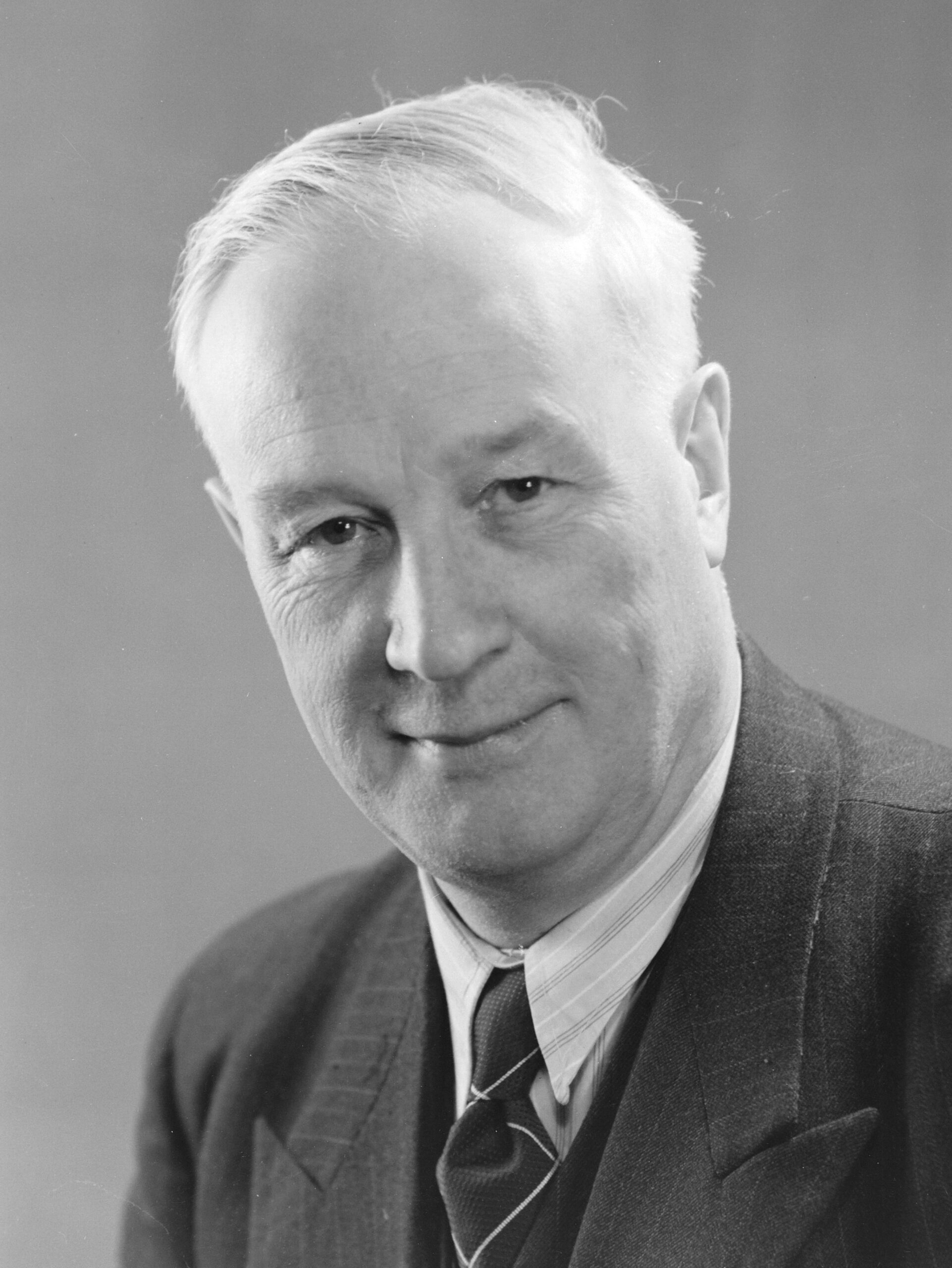 On its 83rd anniversary, we remember Professor L. van Holk’s (1893-1982) historic protest speech against the persecution of Jews at Leiden University. The International Association for Religious Freedom (IARF) commemorates Van Holk not only as a Remonstrant theologian and a revered scholar but also as its dedicated secretary, deeply committed to religious freedom and human dignity.
The Netherlands has always played a pivotal role in the IARF, with Dutch theologians being active members since its inception in 1900. Their liberal Protestant roots, shared by the Remonstrant Church, provided fertile ground for the IARF’s principles. The Dutch contribution was significant, with the first Executive Committee comprising four Dutch members and several congresses, including the momentous 1922 Congress in Leiden, being held in the Netherlands.
Professor Van Holk, a distinguished figure at Leiden University, embodied the spirit of religious freedom and moral courage. On November 26, 1940, in response to the dismissal of Jewish colleagues by the Nazi occupiers, he delivered a poignant protest speech. His words, though not recorded at the time, were captured in the memories of those present and later documented. He stated:
Ladies and gentlemen, students,
The latest domestic policy measures against our Jewish fellow citizens have deeply shocked us all. We see these measures as a smear to the university and our people, a serious damage to education and science, and a moral and religious injustice…
It fully behooves us all to first alleviate the suffering that will now arise in many families, and to faithfully seek out our Jewish friends and acquaintances to express our high regard. Secondly, as Dutch, as university people, and above all as Christians, we must remain faithful to the principles of human value, justice, and charity, rooted in and proclaimed by both the Old and New Testaments. Remember that Christ teaches us in the Holy Scriptures (John 4:22) ‘Ye worship what ye know not: we know what we worship; for salvation is of the Jews.’ May I ask you to join me in a full minute of silence in this spirit?
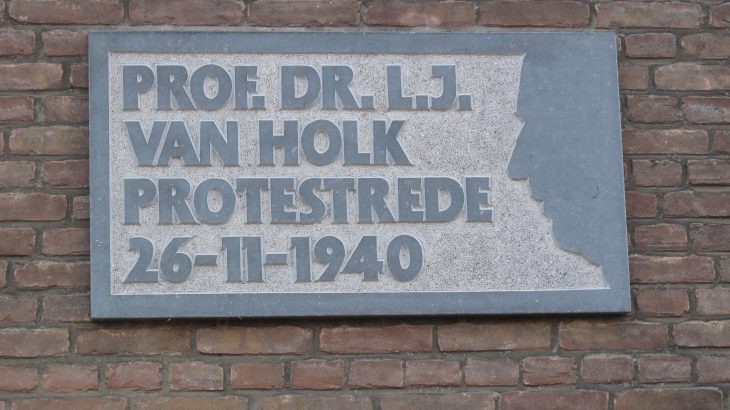 His speech transcended mere words; it was an act of defiance, a beacon of hope and solidarity. He continued his lecture by discussing the Jewish Dutch philosopher Spinoza, powerfully reinforcing his stand against the persecution of Jews.
Despite the risks, Van Holk’s actions exemplified the values central to the IARF. His subsequent arrest and internment in camps didn’t deter his spirit; he continued to inspire and educate, establishing a sort of “people’s university” within the camps.
After the war, Van Holk resumed his academic duties, serving the university and its ideals for two more decades. Among other things, he represented the Remonstrants and the IARF at the Second Vatican Council. His legacy, though less publicized than some of his contemporaries, remains a testament to the power of individual courage and the enduring principles of the IARF.
As we mark this anniversary, let us not only remember Professor Van Holk’s brave stance but also reflect on the ongoing need to uphold the values he so fiercely defended. His life and actions remind us that in times of darkness, voices of truth and compassion can shine the brightest, guiding us towards a more just and understanding world.
For our readers who speak Dutch – Prof. van Holk’s book De Boodschap van het Vrijzinnig Christendom (The Message of Liberal Christianity) can be read online here.
2017 International Council Meeting
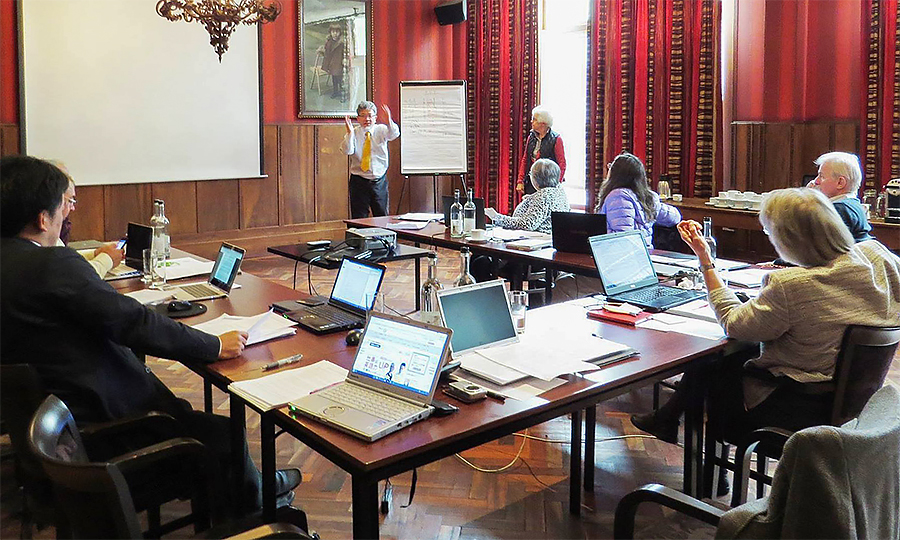
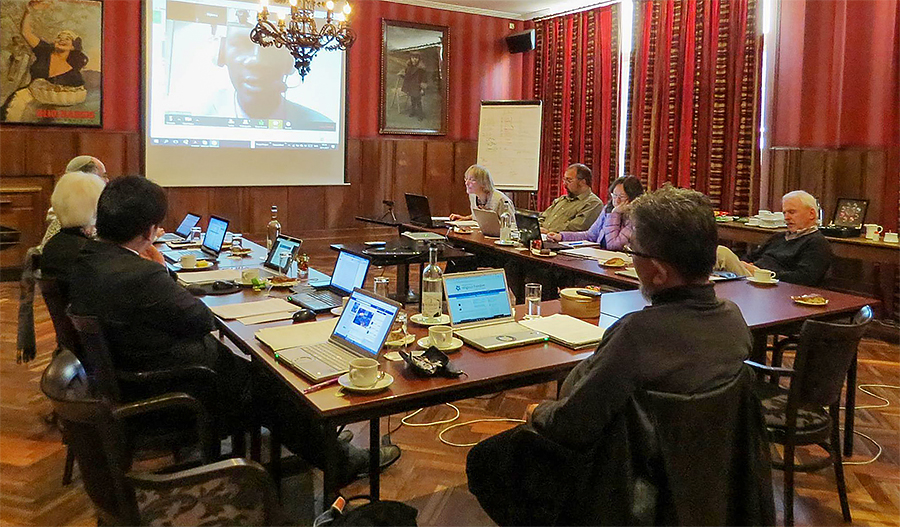
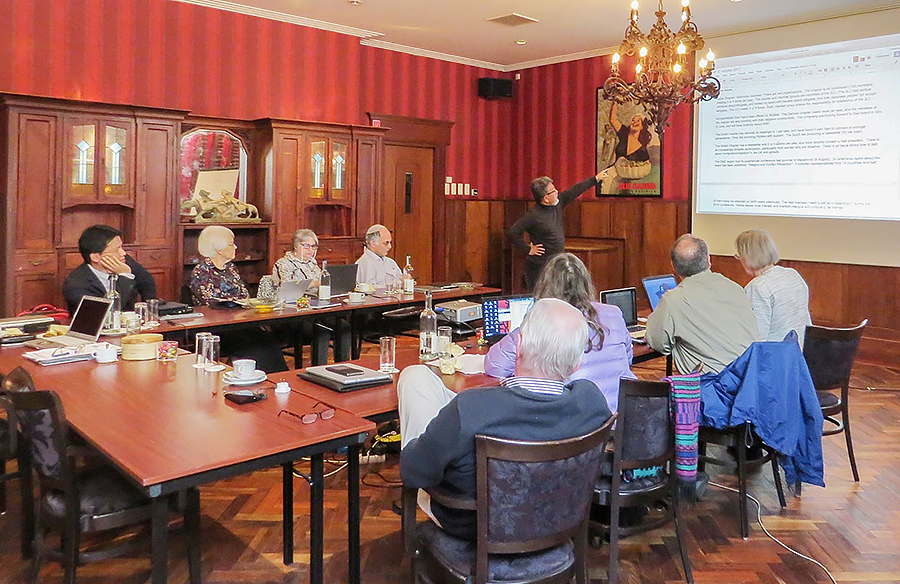
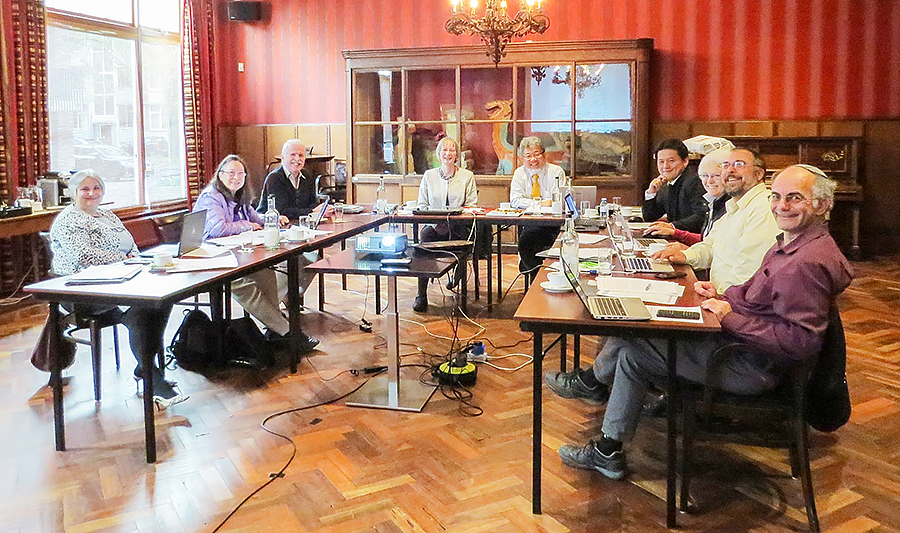
The International Council* of the IARF had its annual meeting on 19-20 April in IJmuiden, the Netherlands. It was an occasion to share experiences, concerns, ideas and moments of meditation, and savour the atmosphere of diversity, friendship and cooperation that characterizes IARF. This time several people joined the session by teleconference to make the meeting as productive as possible. Lawrence Adera, Secretary of the Kenya Chapter, talked about the challenges facing the chapter and the hopes he has for the future, while the RFYN (youth) council member from India joined the meeting this way as she was unable to attend personally.
The Council reviewed last year’s work and evaluated our progress in key areas. Special emphasis was put on plans to increase our impact and efficiency. In order to facilitate this the Council worked on improving the financial prospects, updating the statutes to remove inefficiencies in the way IARF operates and better serve the current needs of the organization, as well as on expanding our activities by reaching out to new partners. The progress of various projects we fund and organize has been examined and new grants awarded to support the efforts of our member organizations and partners to further our goals: human rights education, facilitation of interreligious dialogue and collaboration, promotion of liberal religiosity and interfaith work.
A topic of special importance was of course the upcoming World Congress, which will take the form of a broader interfaith conference and will be held at the end of July/beginning of August 2018 in Washington D.C., USA. The Congress is being organized by our member group, the Unitarian Universalist Association, the US Chapter and the co-sponsors, the United Religious Initiative and Religions for Peace USA. It will be the sixth Congress in the United States (the last one was held in 1987 in Stanford, CA; see list of past Congresses here or read about our history here).
The Council reviewed the progress of preparations, which are being directed by the Host Committee presided by the council member from the United States, Eric Cherry, and members of our US Chapter, and made decisions that will enable us to publicly announce details of the Congress very shortly. As soon as the last details are agreed upon, most likely within a month, you will find extensive information on it on this website, our social media and in many other places. The Congress is shaping up to be a wonderful, inspiring event that will once again bring together the IARF community to worship, share, learn, train and take pleasure in each other’s presence. We’re looking forward to it with anticipation and a lot of enthusiasm for the work that must be done to make it a memorable occasion.
* The Council is our governing body elected at quadrennial World Congresses and currently comprising 11 members from all over the world: America, Europe, East and South Asia, and representing Judaism, Christianity, Islam, Hinduism, Shinto, Buddhist, and other religions, and thereby reflecting our commitment to diversity (read more on the Governance page).
Freedom of Expression & Freedom of Religion and Belief: government memorandum
Human rights policy memorandum ‘Freedom of Expression and Freedom of Religion and Belief’
….details the Netherlands’ efforts to help achieve universal respect for the freedoms of expression and religion.
Dutch Chapter seminar report
2012 Thursday, October 4th
@ Apostolic Society, Azielaan 155, 3526 SG Utrecht
Theme: “Religion and Diversity: Strength or Dilemma?”
IARF Dutch Chapter and her partners in Interfaith Dialogue, express their gratitude to The Apostolic Society in Utrecht, The Netherlands for hosting and sponsoring the seminar.
The Keynote speech – “Pussy Riot and the refusing civil servant – Liberal emancipation, a dilemma?” (PDF 17 pages, Dutch language) – was given by Professor Theo de Wit (Tilburg University).
Responses came from:
- Alper Alasag (Islam and Dialogue, Rotterdam);
- Mrs Riet Bons-Storm (emeritus professor, Expert in gender and religion, Groningen);
IARF.4.10.2012.coreferaat.Bons.Storm - George Gelauff (Netherlands in Dialogue, Delft);
IARF.4.10.2012. coreferaat en workshop G Gelauff - Arie Nico Verheul (Platform of Religion and Belief, Utrecht).
IARF.4.10.2012 coreferaat Verheul
Each also offered a contribution in the workshop session.
IARF.4.10.2012.workshops.suggestions and conclusions
President of the meeting was Tom Mikkers (general secretary Remonstrants Brotherhood).
New was the presence of 25 students from Utrecht University for applied Sciences and their Supervisor Mrs Ella van ‘t Hof. All are Dutch-speaking, and from different (ethnic) backgrounds. For one semester they work on the subject “Islam in society today”. Many of them attended this kind of meeting for the first time.
Reaction: “It would be interesting to have such a meeting every year!”
Photos (Flickr link)
Dutch Chapter, Fall 2012 meeting
Please see Poster NLG (Dutch Chapter) Fall meeting 4 oktober 2012 (PDF 1 page, Dutch language)
EME Region Conference 2012, Netherlands
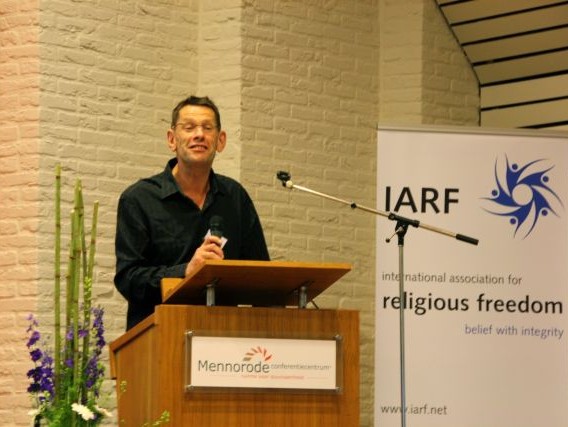
IARF Europe and Middle East (EME) Conference held at the Mennorode Conference Centre, Elspeet, the Netherlands on 19-22 July 2012
– Dorle Gehrmann
THE CHAPEL AT MENNORODE
by Richard Boeke, UK
The worshippers face a wall
Which is a window
From floor to ceiling
Looking out to the garden
Of small pebbles..
To the left of centre
In the sea of pebbles
Is a wooden sculpture
Like the stump of a tree
With a tiny bubbling fountain.
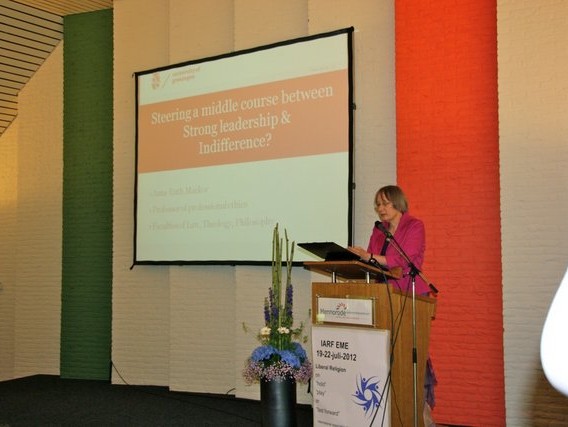
The theme was Liberal Religion on ‘hold’, ‘play’, or ‘fast forward’? with a focus on leadership.
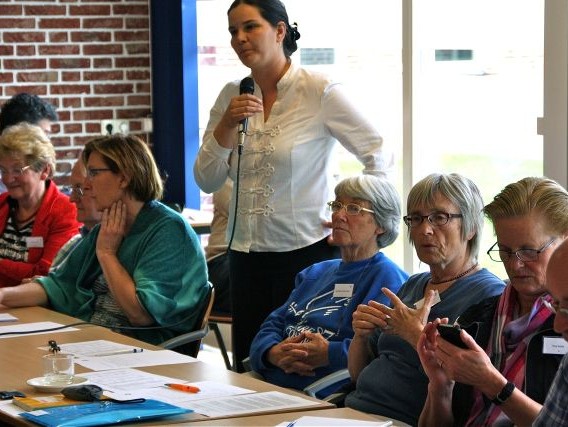
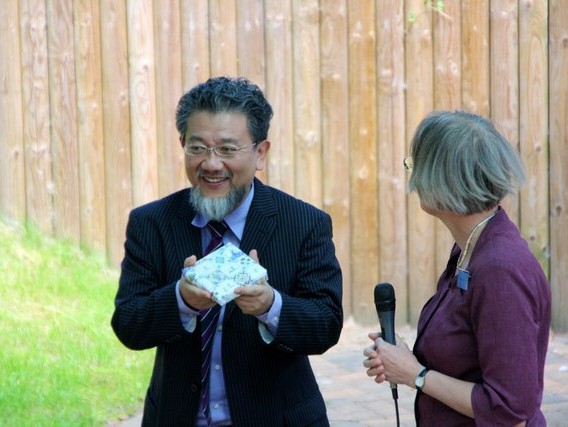
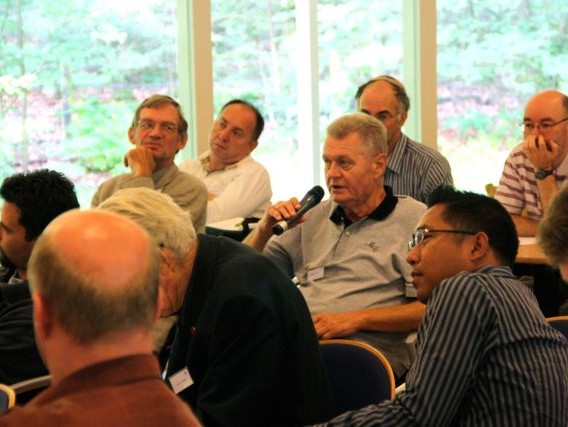
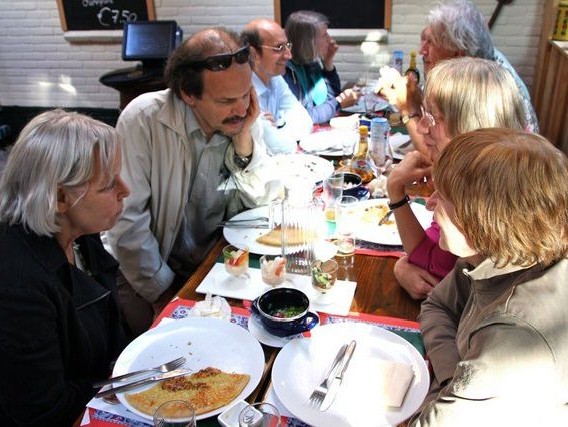
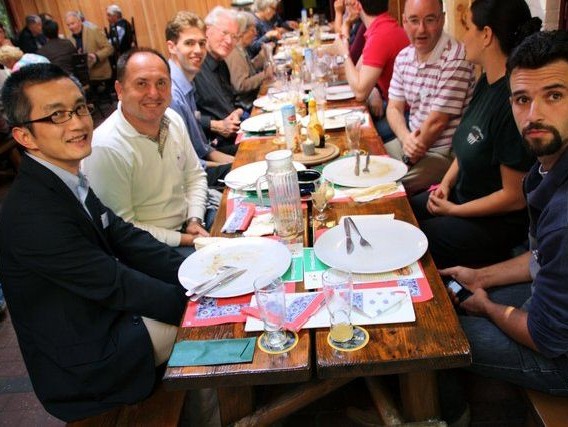
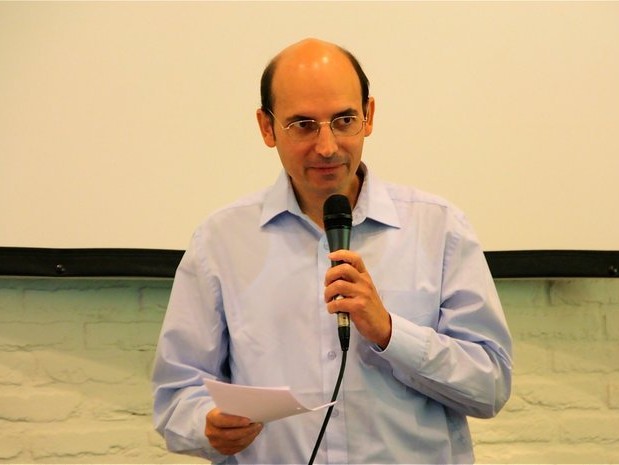
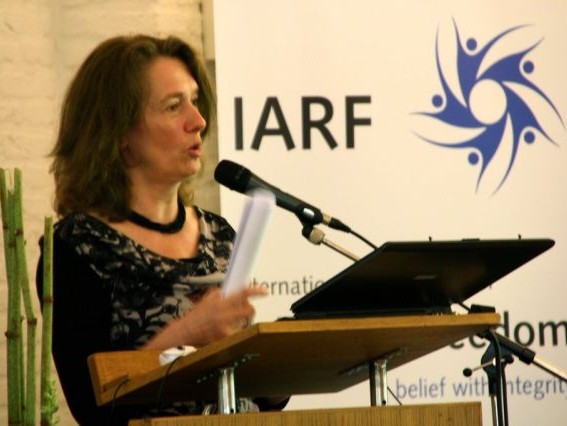
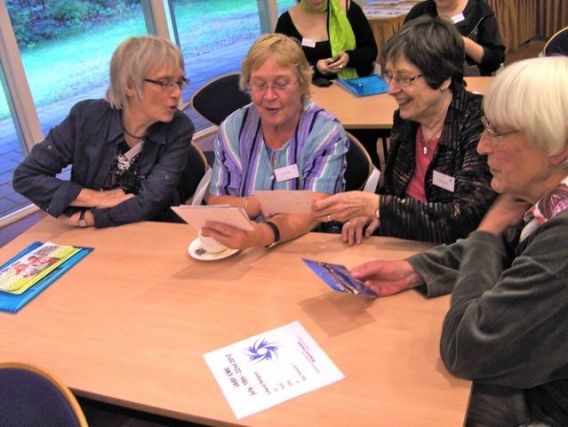
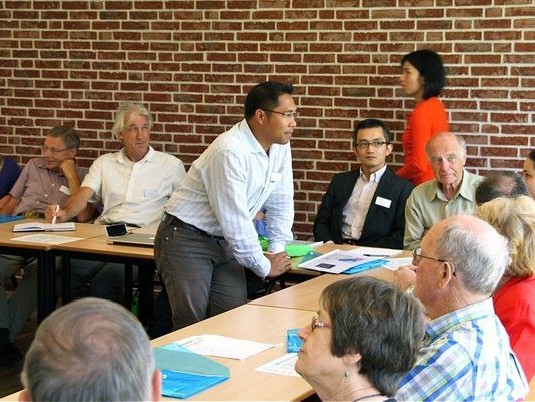
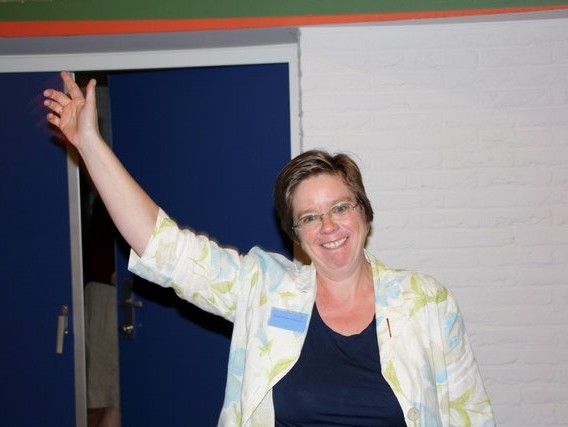
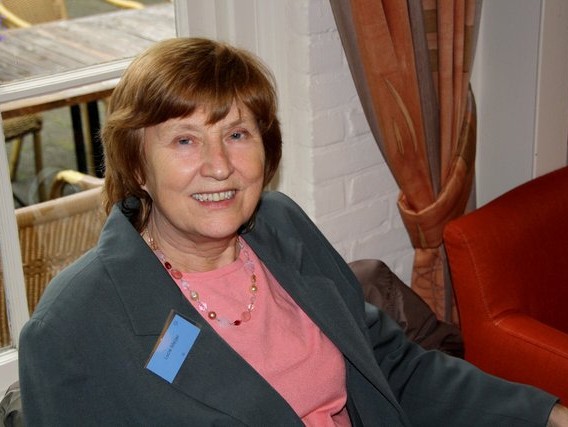
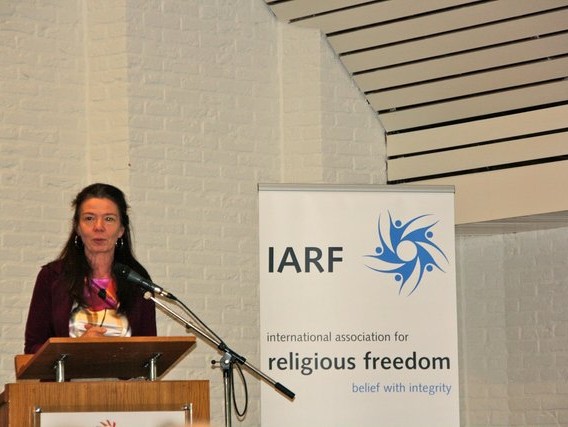
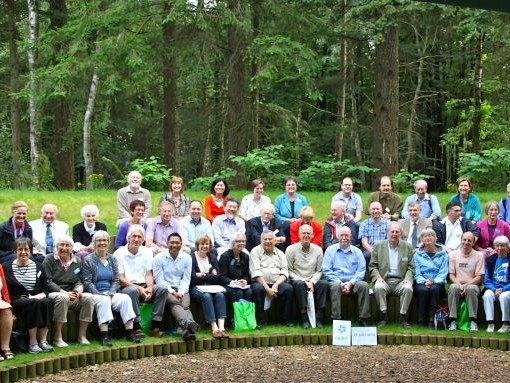
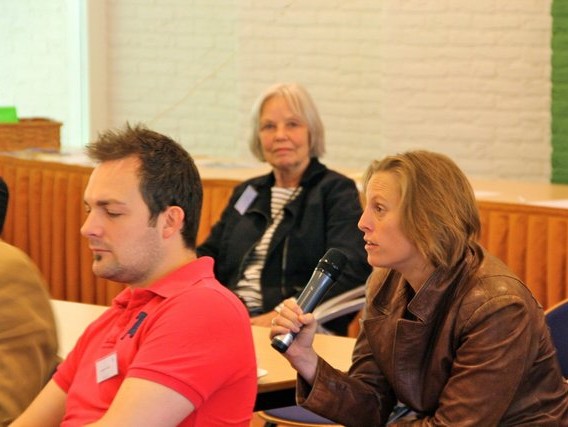
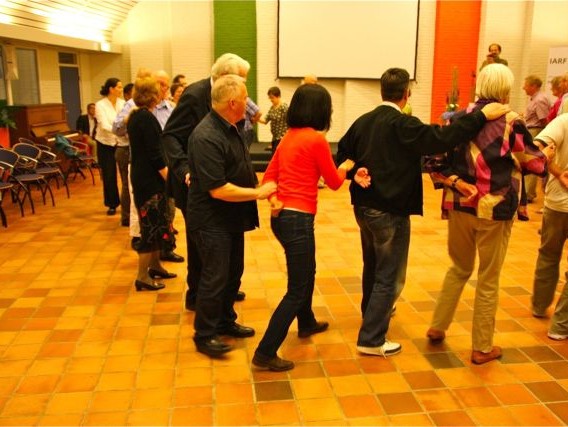
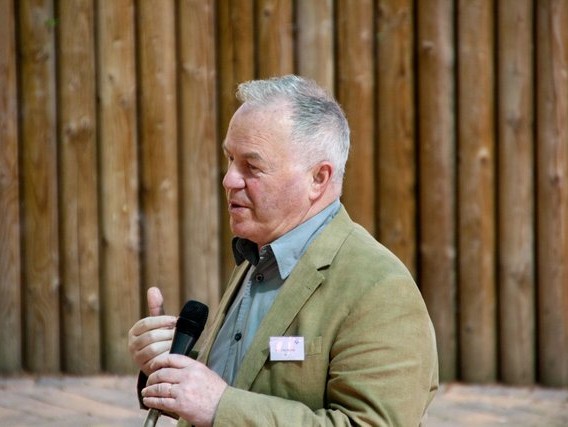
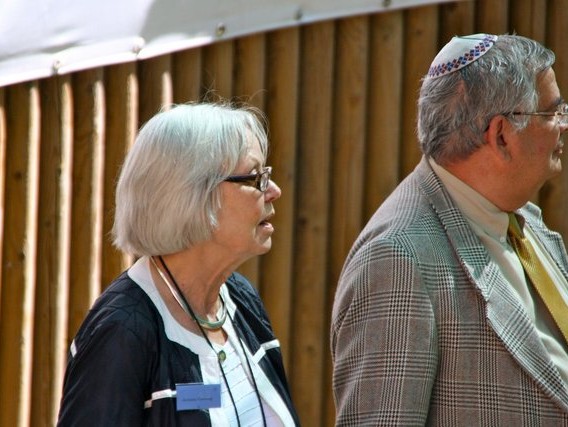
Some 70 plus people of 12 nationalities from 10 different countries, affiliated to 18 different groups, took part in what was a highly successful international gathering, hosted by our Dutch Chapter (NLG) and offering a mix of lectures, workshops, devotions, and social events.
At the bottom of the post you can see a slideshow of selected photos, here a Photo set (on Flickr) from the event, and here read a full Report (PDF, 6 pages illustrated; 3.5mb).
This is one of the reactions we received as follow-up. For Libref. – the Swiss Liberal Reformed Association – the following points were important:
- Our communication with IARF is more direct and personal now due to the very well- organized meeting.
- IARF has now gained the nature of a community for us. We feel well that IARF has and is a body.
- We are informed in the matters of positive and negative liberty, risks, and splits. We learnt the human being is a kind of “split” (Martin Heidegger), that presence is an attitude of attendance.
- We are informed in procedures of human rights (the Council in UN Geneva) by Morse Flores
- We will discuss further on the role of libref. and IARF as one of leadership in public opinion.
- The excursion to Schokland showed that nature has a fragile balance, that manipulations of procedures needs enormous efforts. We saw very directly that water is chance and risk as much in the Mountains (sources of fresh water and torrents) as in Nether-Lands. Learning from nature might signify that liberty is a voluntary enlightenment by nature?
- The new internet platform of IARF reminds us that worldwide the first religious freedom as a (personal) right was articulated in 1524/-26 in a constitution which is vigorous still today in Ilanz, Switzerland (source of the Rhine as an important European storm). This religious freedom was the outcome of a conference between a protestant reformer called Comander, the bishop of Chur and the political authority of the ‘Freistaat der Drei Bünde’.
- We are looking forward to working with IARF and its members in the future.
We thank the organizing team of IARF for all their efforts.
– Jean-Claude Cantieni, Andreas Peter – libref. Switzerland
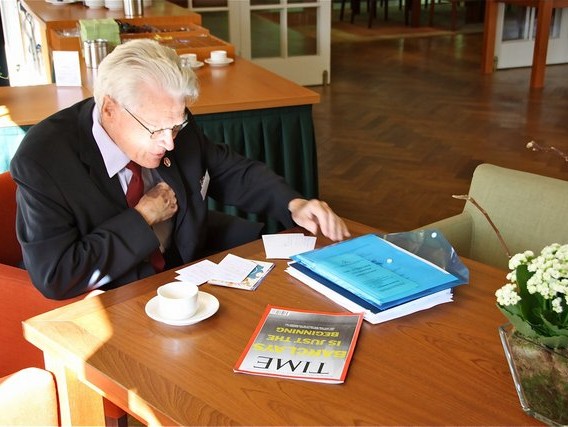
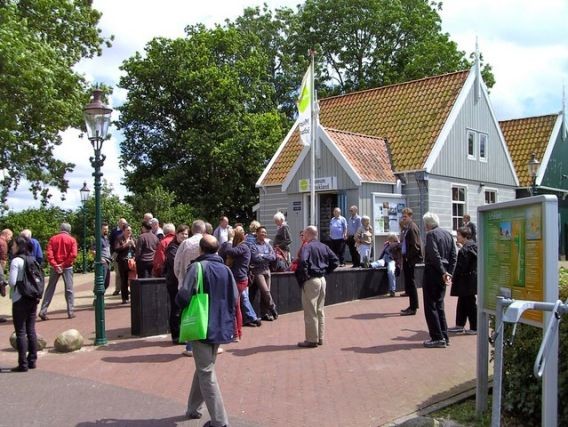
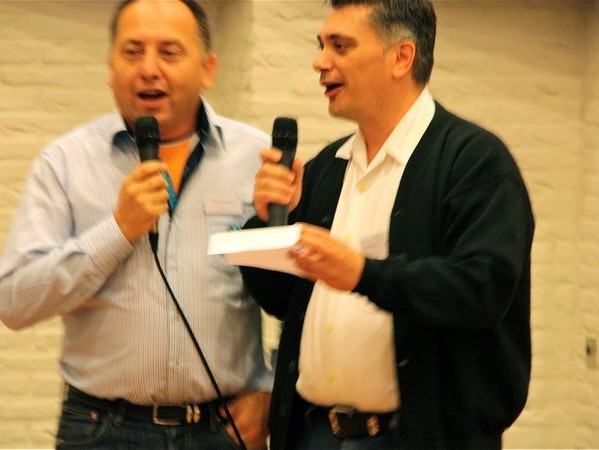
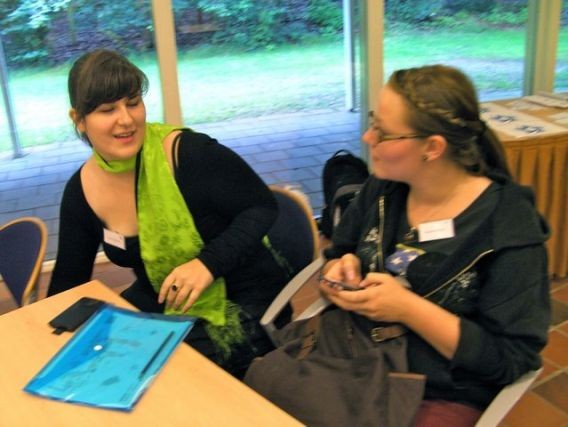
Selected photos from the event:
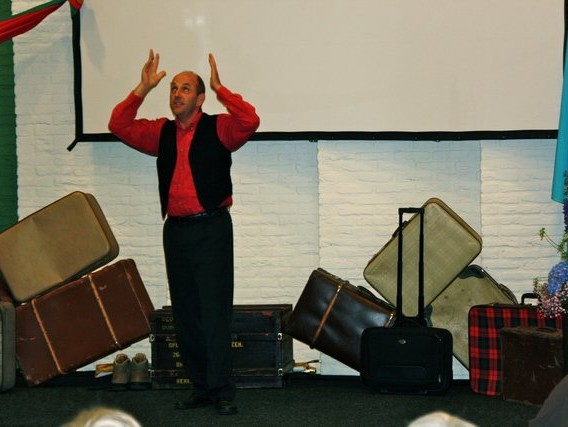
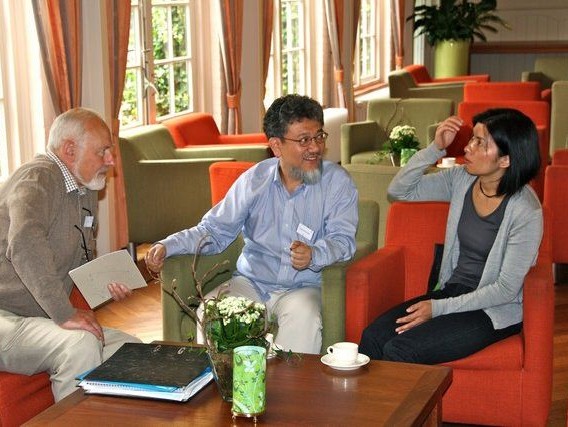
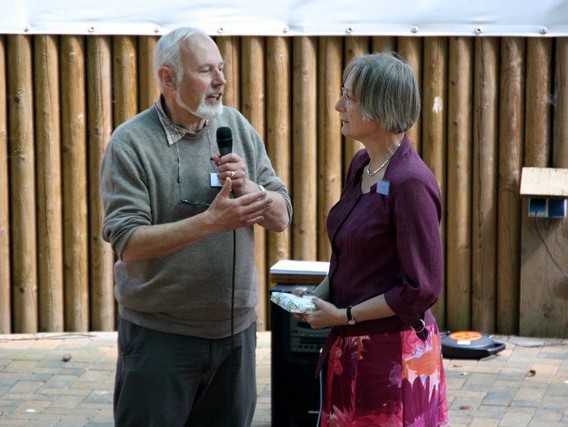
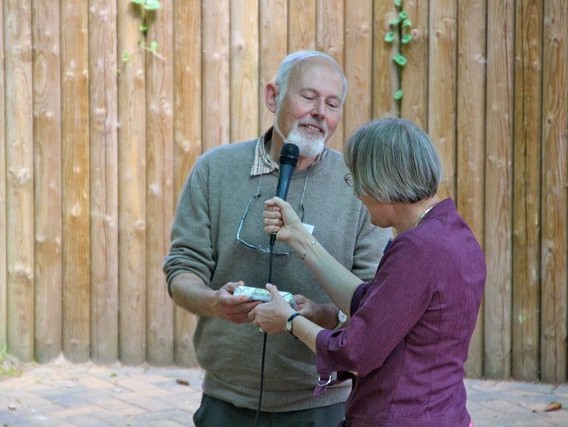
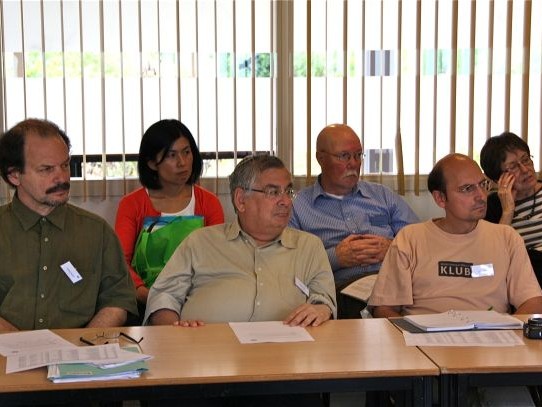
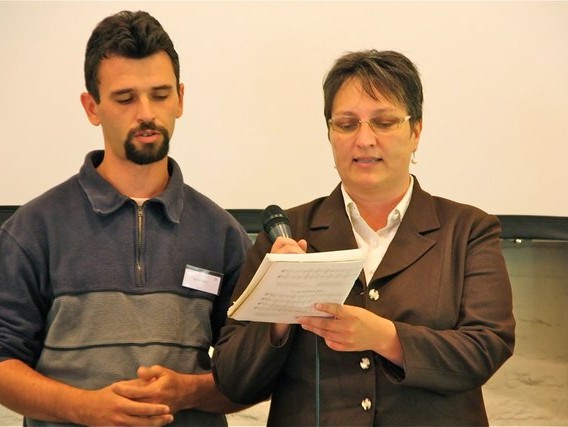
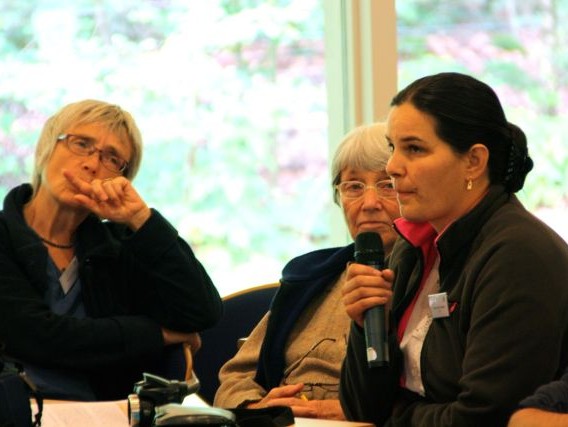
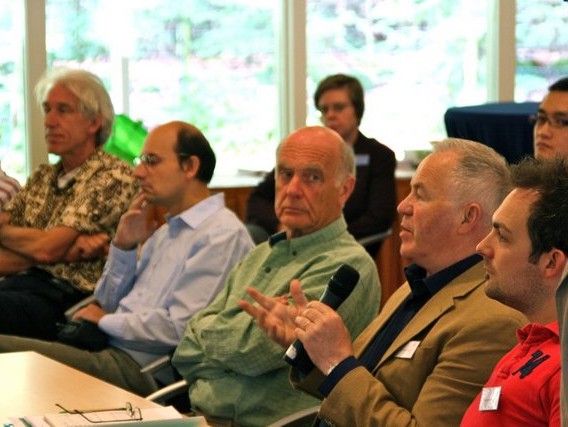
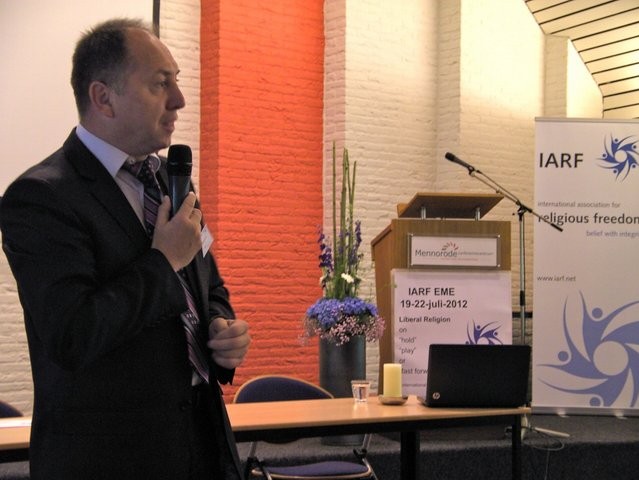
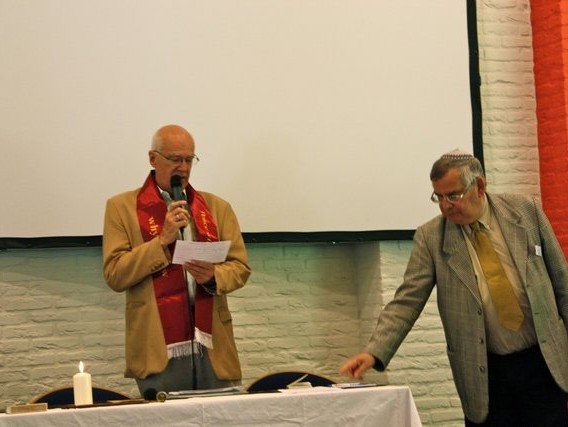
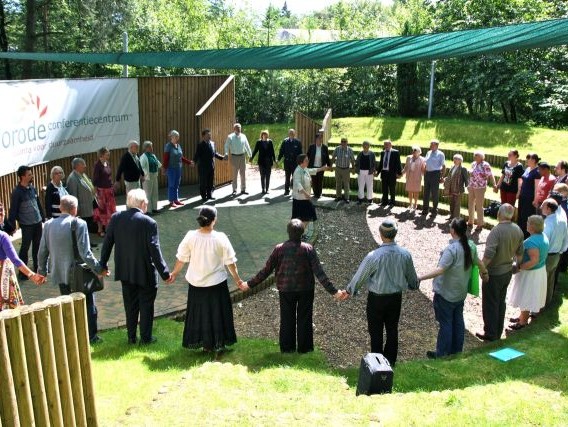
EME 2012 conference – forms
EME region conference 2012 – Trifold flyer (PDF, 2 pages)
EME region conference 2012 – Updated Programme Information (4 July) (PDF, 2 pages)
EME region conference 2012 – Registration Form (PDF, 1 page)
“Dialogue between religions: Future or past?”
Saturday, October 15, 2011
Amsterdam
(video, Dutch language)
A seminar about the how & why of a dialogue between the religions
(Does this dialogue have a future? How to do the dialogue of the future? )
Speakers included Manuela Kalsky & Bart Brandsma.
The seminar was organized by
- the International Association for Religious Freedom (IARF) Netherlands
- Core Rural Female Trialogue (KLVT)
- Inter Religious Reflection – Dutch Centre forInter-religious and philosophical dialogue (IB NSID)
- United Religions Initiative (URI) Netherlands
- World Conference on Religion & Peace (WCRP) Netherlands
…with the support of Church & World.