
When Wealth Fences in the Sacred
On 5 March, the International Association for Religious Freedom (IARF) addressed the UN Human Rights Council to highlight a structural failure in many jurisdictions where private property and quiet enjoyment rights are not balanced against the rights of indigenous communities to practice their faith and honor their deceased.
The situation is starkly illustrated by the Kāneʻākī Heiau in Hawaiʻi—a 600-year-old Native Hawaiian temple currently enclosed within a private residential development. Among those affected is Prof. George Williams, a past President of the IARF who was adopted into the Kanenuiakea faith. We share his complete submission below.
When Wealth Fences in the Sacred
On a steep hillside on Oʻahu, overlooking the Waianae coast, a small but growing controversy is drawing international attention from advocates of religious freedom.
Within a gated luxury development lies an ancient Native Hawaiian healing Heiau—a temple site traditionally associated with medicine and spiritual restoration—along with ancestral burial grounds protected under state preservation laws.





Community members and religious freedom advocates say access to the sacred site has been effectively restricted by the homeowners’ association (HOA) that now controls the surrounding land.
The dispute began years ago when the rocky hillside was developed into a high-end residential enclave. Legal agreements transferring community land to HOA control included provisions requiring maintenance of the Heiau and continued public access.
But as property values rose, the HOA tightened security. While Wai’anae is cited as having one of the lowest median household incomes in all of Hawai’i — and the highest Native Hawaiian population in the world, the gated neighborhood of 46 households enclosing Kaneʻaki Heiau, has the highest income in Hawai’i according to census data.
And after its gate was installed, visitors could be turned away. Some Native “practitioners” (a term used to avoid ridicule) say they were warned they could face arrest for trespassing if they attempted to reach the Heiau for prayer or ceremony.
For many Indigenous Hawaiians, sacred space is inseparable from the land itself. Unlike traditions centered inside religious buildings, Native Hawaiian spirituality takes place in natural settings—mountains, shorelines, burial grounds, and temple platforms built of stone.
“When access is blocked, worship is blocked,” said one advocate involved in the dispute. And at Kaneʻaki Heiau, even if access were to be allowed, it had to be supervised by the HOA!
The conflict has now drawn the attention of the International Association for Religious Freedom (IARF), one of the world’s oldest interfaith organizations. Leaders within the association have approved filing an Amicus Curiae brief stressing U.S. Constitutional and International guarantees of freedom to worship.
IARF has historically defended minority faith communities around the world. Supporters say this case reflects a pattern in American history in which Indigenous religions have been marginalized or dismissed.
Native spiritual practices were criminalized in parts of the United States until the late 19th and early 20th centuries. Although federal laws now recognize Indigenous religious rights, enforcement often depends on local conditions and legal interpretation.
“This isn’t only about one Hawaiian hillside,” said an interfaith leader familiar with the matter. “It’s about whether religious freedom includes traditions rooted in land and nature rather than inside of churches, mosques, or synagogues.”
Interestingly, the legal challenge has been propelled in part by a successful couple who purchased a home with the right of access through the HOA’s gate. But soon they faced harassment on what seems racial and social grounds. They refused to leave. Instead, they pressed for enforcement of the original access obligations. They were joined by Indigenous Hawaiians and those who were denied access to worship or visit their healing shrine or ancestors’ graves.
Observers say the case could set an important precedent for how homeowners’ associations interact with sacred and archaeological sites nationwide. At its heart, the dispute raises profound legal questions: Does ownership of surrounding land allow a private association or corporation to restrict access to a sacred site protected by law? Can communal burial grounds be effectively privatized by encirclement? Do property rights supersede the cultural and religious rights of Indigenous peoples whose sacred spaces do not resemble conventional religious buildings?
For interfaith groups, the answer carries broader implications. Religious freedom, they argue, must apply not only to majority traditions with visible institutions, but also to Indigenous communities whose sanctuaries are woven from the earth itself.
In Hawaiʻi, where land is more than property and history more than a footnote, this small hillside may become a symbol of something much larger—the effort to reconcile property and religious rights, ownership with reverence.
Please consider signing a petition in support of religious freedom.
How Liberal Religion Spearheaded Protection of Belief: Anniversary of the 1981 UN Declaration
“Considering that religion or belief, for anyone who professes either, is one of the fundamental elements in his conception of life…”
November 25 marks a pivotal, yet often overlooked, milestone in the history of human rights. On this day in 1981, after nearly two decades of geopolitical gridlock, the United Nations General Assembly adopted Resolution 36/55: the Declaration on the Elimination of All Forms of Intolerance and of Discrimination Based on Religion or Belief., the first international instru ment dedicated solely to freedom of religion.
While the 1948 Universal Declaration of Human Rights laid the foundation, it was this 1981 document that finally codified the specific rights of conscience—freedom to worship, to teach, to publish, and to organize—into international norms. But this victory was not inevitable. It was achieved through the tenacious intervention of civil society when governments had all but given up.
The story of the 1981 Declaration is, in large part, a story of liberal religion. Through the leadership of the IARF and our member groups—particularly the Unitarian Universalist Association (UUA)—our representatives spearheaded the consensus that protects the rights of believers and non-believers alike.
Deep Roots: A Legacy of Visionary Activism
Long before the Declaration was drafted, the IARF recognized that religious freedom required a global political framework. As detailed in the IARF’s Centennial Reflections, this engagement began with Elvira Fradkin, a visionary American Unitarian from Montclair, New Jersey.
Present at the founding of the United Nations in San Francisco in 1945, Fradkin understood early on that the new world order needed the voice of liberal religion. It was her persistence that convinced the IARF to register with the UN Economic and Social Council (ECOSOC) in the 1950s—one of fewer than 300 NGOs to do so at the time. Her work laid the logistical and moral groundwork for the battles that would come decades later.
The Cold War Deadlock: Diplomacy Over Dogma
By 1972, the UN’s effort to create a binding treaty on religious freedom had stalled completely. The drafting process was paralyzed by the rigidity of the Cold War. The Soviet bloc refused to sign any document that did not explicitly protect atheism and shield the state from “religious interference.” Meanwhile, various Western and Islamic nations clashed over the definition of religious rights, particularly regarding the right to change one’s religion.
In this vacuum of political will, religious freedom was becoming a casualty of superpower posturing. This is where the IARF and the UUA played their most decisive role. Because liberal religion honors the inherent dignity of all paths—theistic, non-theistic, and atheistic—our representatives were uniquely positioned to bridge the ideological divide.
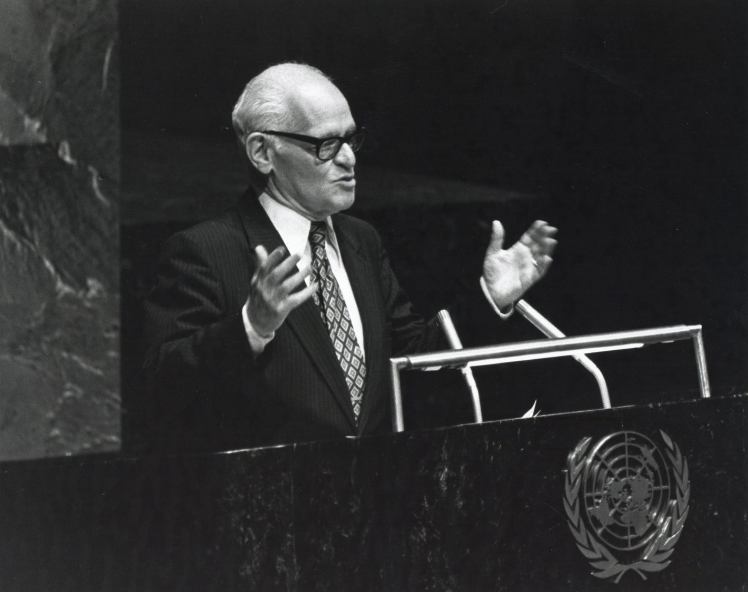
Two leaders from our community were central to breaking the impasse:
- Prof. Auguste-Raynald Werner, the IARF Representative in Geneva. A distinguished Professor of International Law, Werner worked tirelessly within the UN Commission on Human Rights. He used his legal expertise to craft language capable of satisfying opposing political blocs, ensuring the text was robust enough to protect rights but flexible enough to pass.
- Dr. Homer A. Jack, a Unitarian Universalist minister serving as Secretary-General of the WCRP. He spearheaded the “Gang of Four” NGOs that refused to let the issue die. When member states moved to shelve the draft, Jack mobilized the NGO community to pressure the General Assembly to prioritize a non-binding Declaration over a doomed Treaty—a strategic pivot that saved the project.
The “Religion or Belief” Compromise
One of the most significant contributions of the liberal religious lobby was the insistence on the phrasing “Religion or Belief.” This distinction was not merely semantic; it was the key to consensus. It ensured that the Declaration covered theistic faiths, non-theistic traditions, and atheistic views equally.
This inclusivity satisfied the Eastern bloc’s demand for the protection of non-religious convictions while aligning perfectly with the IARF’s principle of universal tolerance. It established a precedent that remains vital today: that freedom of conscience belongs to everyone, not just the religious.
Connecting the Dots: A Legacy of Action
The adoption of the Declaration was a victory, but as Dr. Jack noted in his memoirs, Homer’s Odyssey, a declaration without enforcement is just paper. The IARF’s leadership was central to building the machinery that enforces these rights today.
Institutionalizing Freedom: The Role of Sue Nichols
The creation of the NGO Committee in New York—the primary body that coordinates civil society advocacy on this issue today—was inextricably linked to the IARF and the UUA.
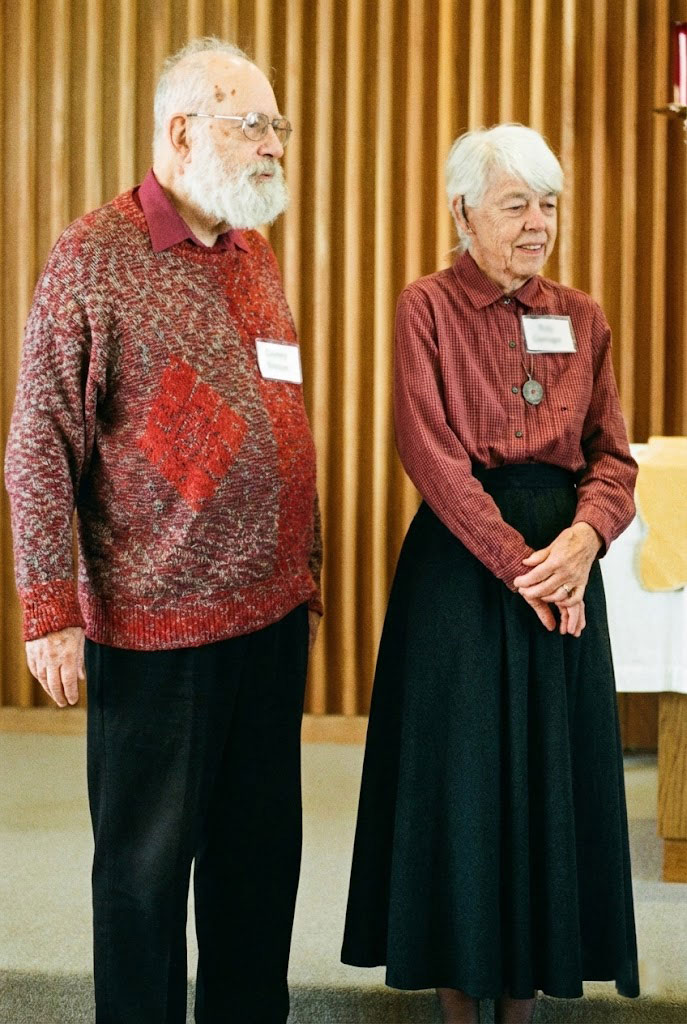
Sue Nichols, who co-directed the Unitarian Universalist UN Office with her husband Vernon, served as the IARF’s representative on the ground in New York during this critical period. Following the commissioning of the seminal “Salzberg Study” by Dr. Jack to explore implementation strategies, Nichols took the lead in formalizing the NGO coalition.
She became the founding President of the NGO Committee in New York. Under her leadership, the committee moved from an informal pressure group to a recognized powerhouse within the UN system. It established the tradition of the “Annual Day” to commemorate the 1981 Declaration and works directly with the Special Rapporteur to highlight violations globally.
A Continuing Responsibility
The 1981 Declaration remains the most important international instrument for religious freedom since the Universal Declaration of Human Rights. It serves as the basis for the mandate of the Special Rapporteur and laid the groundwork for modern diplomatic breakthroughs, such as Human Rights Council Resolution 16/18, which shifted the focus from protecting abstract religions to protecting living human beings from discrimination.
Today, the IARF continues this work as an active member of the NGO Committees on Freedom of Religion or Belief in both New York and Geneva. We honor the legacy of Fradkin, Werner, Jack, and Nichols not by looking backward, but by continuing to press for the rights of all people—regardless of their creed—to believe, or not believe, in freedom.
We Are Still Active Today
The IARF continues to honor this legacy. We remain an active member of the NGO Committees on Freedom of Religion or Belief in both New York and Geneva, working with the Special Rapporteur to ensure rights are respected.
Get Involved: IARF members are warmly invited to join our International Engagement Working Group to support our continued advocacy at the United Nations.
- Read “Centennial Reflections”: The full chapter on the IARF at the United Nations by Ruth Neuendorffer and Sue Nichols is available in our library for detailed historical context.
- Memoirs: For a personal account of the diplomatic struggle, see “Homer’s Odyssey” by Dr. Homer Jack.
- Primary Source: Read the full text of the 1981 Declaration.
Access to Worship at Native Hawaiian Shrine Denied
Upon returning to Hawai’i, I intended to worship at the Kanenuiakea healing shrine, Kane’aki Heiau, as per my custom according to my multiple faiths. However, access was denied, as it is now restricted to members of Mauna ‘Olu Estates. It is reported that no Hawaiian owners reside there.
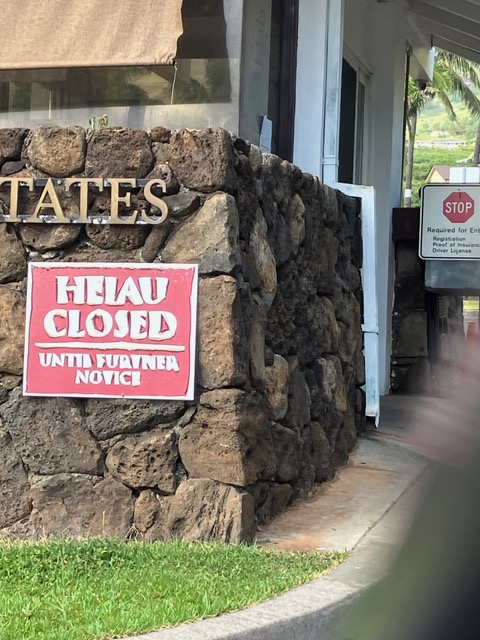
Access to Worship at Kahe’aki Heiau Denied
–Until Further Notice!
While the United States protects property rights, it does not recognize indigenous communal property, particularly places of worship that lack legal status under U.S. law. Kane’aki Heiau, a sacred temple and shrine, was first surrounded by a homeowners’ association and then claimed by it. The association now benefits from a tax deduction for preserving historic cultural property. Despite this, Hawaiians’ right to access is denied and enforced by State of Hawaii property rights law.
While the United States protects property rights, it does not recognize indigenous communal property, particularly places of worship that lack legal status under U.S. law. Kane’aki Heiau, a sacred temple and shrine, was first surrounded by a homeowners’ association and then claimed by it. The association now benefits from a tax deduction for preserving historic cultural property. Despite this, Hawaiians’ right to access is denied and enforced by State of Hawaii property rights law.
The International Association for Religious Freedom (IARF) and Religions for Peace are investigating how to effectively protest this apparent violation of U.S. and State of Hawaii constitutional rights regarding freedom of religion. Historically, the U.S. Supreme Court has interpreted freedom of religion as belief but not worship. Will colonial attitudes against indigenous worship change to support the religious freedom to pray at an acknowledged ancient temple?
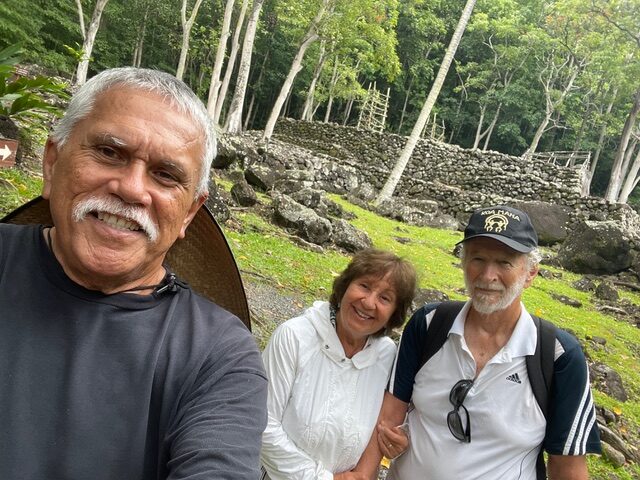
Kumu Glen Kila, George and Zizi at Kane’aki Heiau 2 years ago after climbing over locked gates. Kumu Glen is the Kahuna-nui, High Priest of Kanenuiakea, a faith with a thousand year history just on the Waianae Wahipana (west coast of Oahu).
Can a purpose for religion be deduced?
It seems clear that religion has a purpose because it has so many adherents.
In Karen Armstrong’s CharterforCompassion.org website there is a demonstrated consensus that
The principle of compassion lies at the heart of all religious, ethical and spiritual traditions, calling us always to treat all others as we wish to be treated ourselves.
(Some call this Goldenruleism as this is widely known as the Golden Rule)
Quotes from religious documents accepted as authoritative by the existing religious authorities in each tradition are provided in the language of the tradition and also in other languages. Her scholarship has been widely recognized as rigorous and exhaustive. The Golden Rule, as a simple, reasonable and logical rule, elicits behavior that supports the survival of the human race. It is altruistic, and altruism has been widely credited with the success of the human race so far.
When the Golden Rule is mentioned, it seems someone always wants to respond with: what about the “Platinum Rule” – do to others what they would want you to do. Clearly, if you would want to do something for someone, you would ask them if that is what they wanted, or ask them to tell you what they want. However, as a principle of behavior, it is obviously asking for the behavior of a slave. A slave must always respond to the wants of others with what they want.
Rev. A. Powell Davies proposed a purpose for a “Unitarian Advance” in 1943:
Our purpose is liberation from the tyranny of hate and greed, and from the barriers of race and class.
(If the name Davies does not ring a bell, a UU World article in the 2002 July/August edition sums up his bonafides.)
This purpose includes what can be seen as a summing up of the current world ills that we can address with purpose as an implementation of the Golden Rule. We want liberation from the tyranny of hate and greed, and the barriers of race and class for ourselves and for everyone else.
Along the same lines, a new purpose has been proposed for the Unitarian Universalist Association:
The Unitarian Universalist Association will actively engage its members in the transformation of the world through liberating love.
This purpose can be read as a version of Davies’ purpose. If our world was liberated from the tyranny of hate and greed, and from the barriers of race and class, would it not be transformational and require liberating love as a motivational force? Liberating love (would anyone want controlling love?) can be seen as very like the compassion required to act in consonance with the Golden Rule. Some see “transformation of the world” as ridiculously ambitious. Compassion and liberating love do call us to have no barriers or geographical boundaries in their exercise. But we exercise liberating love in the world we perceive and interact with, and that is the world we transform. We can transform our worlds with compassion and liberating love. To start, we can each invite a friend to come with us to our religious, ethical or spiritual community to see why we go.
So can the purpose of religion be deduced? I believe so, but I leave it to you. If the great majority of humanity were living by the Golden Rule, would we not fulfill Rev. Davies stated purpose above while living in peace and community? What higher purpose than promoting the Golden Rule could we ask for?
My goal here is not to make any definitive statements, but rather to open up a thoughtful discussion.
New Book: “Fideology: A journey of Faith and Trust by Richard Boeke”, long-time IARF bridge-builder.
Rev. Dr. Richard Boeke’s latest book is Fideology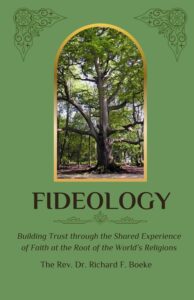 : Building Trust through the Shared Experience of Faith at the Root of the World’s Religions.
Fideology refers to “faith as trust. The word, coined by Richard, is based on the same Greek roots as fidelity, confidence, and bona fide. Richard credits his teacher, Professor Wilfred Cantwell Smith, and friend and mentor Huston Smith, along with many other faith leaders, with much of the inspiration for the subject of this book.
Fideology affirms that it is possible to build trust without the necessity of a common theology. Such trust-building between nations and religions is essential to overcome the present “clash of civilizations.” We need not just a global ethic, but the practice of a global virtue, TRUST.
Unitarian minister Richard Boeke has been a pioneer in the interfaith movement since the 1950s. Holding graduate degrees from both Yale Divinity School and Columbia University, and a Doctor of Divinity from Pacific School of Religion, he studied with some of the leading theologians of the 20th Century, from Wilfred Cantwell Smith to Huston Smith–the latter with which he enjoyed a long friendship. Fate smiled upon his life journey to sow seeds of peace and experience a sense of oneness, leading him to real-life encounters with everyone from Pope Pius XII, to Jomo Kenyatta, Malcolm X, Erik Erickson, Charles Schultz, and Nancy Pelosi, as well as lasting friendships with Shinto priests, Muslim imams, and Sikhs. He was instrumental in furthering the mission of the International Association for Religious Freedom (IARF), and received the 2018 IARF Distinguished Service Award.
The book is part personal faith journey, part autobiography, part resources for liturgical services, and part scholarly discourse. This compilation is a documentation of a remarkable life’s work, weaving the personal the political, and the spiritual into a tapestry-like tribute to world peace. It provides a valuable record of the religious and secular discourse on many IARF themes throughout its history, and captures crucial moments in the development of interfaith work in the past century.
The book is available as an e-book (Kindle) or paperback on Amazon.
Commemorating the Anniversary of Professor Van Holk’s Courageous Stance
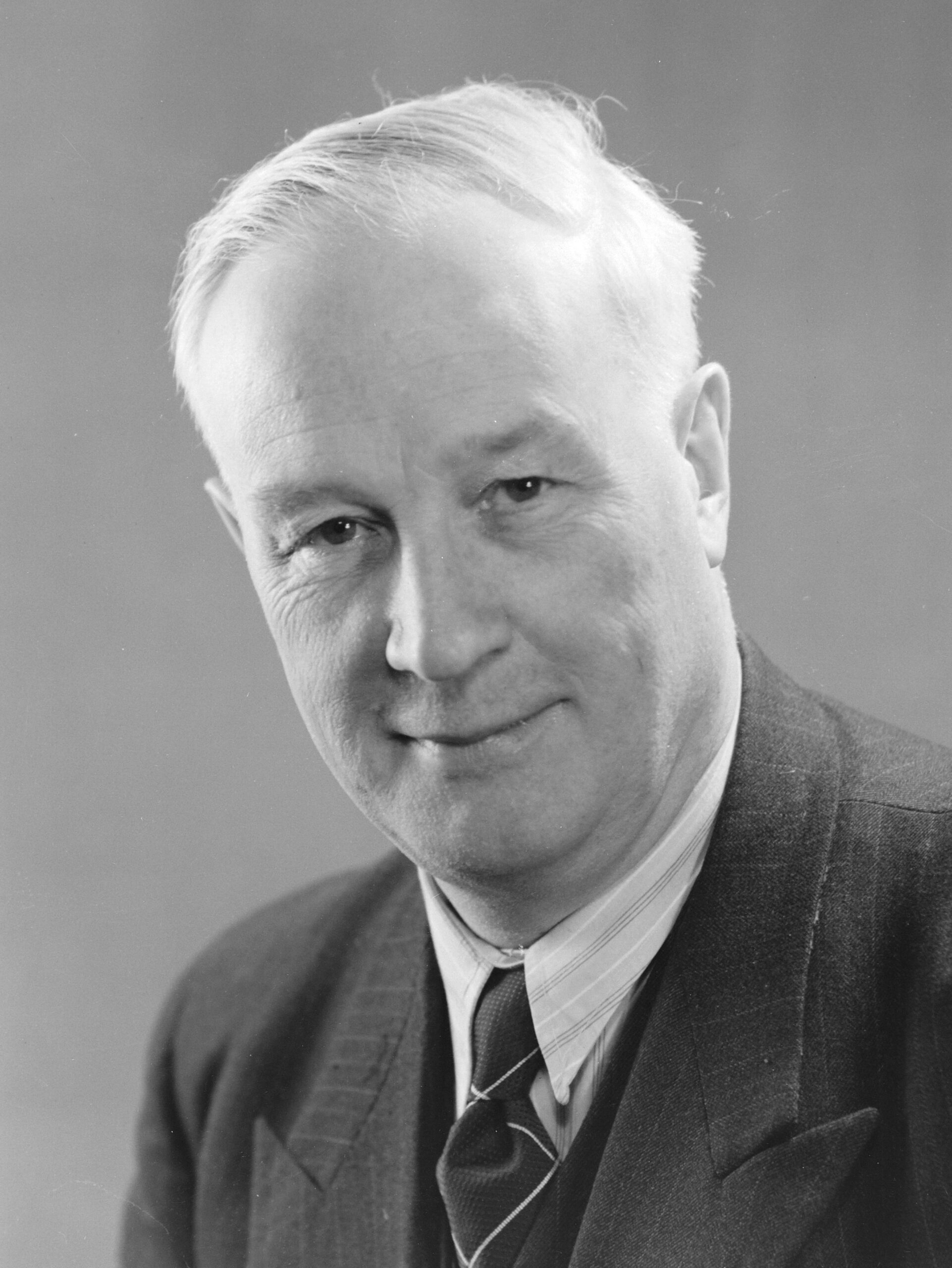 On its 83rd anniversary, we remember Professor L. van Holk’s (1893-1982) historic protest speech against the persecution of Jews at Leiden University. The International Association for Religious Freedom (IARF) commemorates Van Holk not only as a Remonstrant theologian and a revered scholar but also as its dedicated secretary, deeply committed to religious freedom and human dignity.
The Netherlands has always played a pivotal role in the IARF, with Dutch theologians being active members since its inception in 1900. Their liberal Protestant roots, shared by the Remonstrant Church, provided fertile ground for the IARF’s principles. The Dutch contribution was significant, with the first Executive Committee comprising four Dutch members and several congresses, including the momentous 1922 Congress in Leiden, being held in the Netherlands.
Professor Van Holk, a distinguished figure at Leiden University, embodied the spirit of religious freedom and moral courage. On November 26, 1940, in response to the dismissal of Jewish colleagues by the Nazi occupiers, he delivered a poignant protest speech. His words, though not recorded at the time, were captured in the memories of those present and later documented. He stated:
Ladies and gentlemen, students,
The latest domestic policy measures against our Jewish fellow citizens have deeply shocked us all. We see these measures as a smear to the university and our people, a serious damage to education and science, and a moral and religious injustice…
It fully behooves us all to first alleviate the suffering that will now arise in many families, and to faithfully seek out our Jewish friends and acquaintances to express our high regard. Secondly, as Dutch, as university people, and above all as Christians, we must remain faithful to the principles of human value, justice, and charity, rooted in and proclaimed by both the Old and New Testaments. Remember that Christ teaches us in the Holy Scriptures (John 4:22) ‘Ye worship what ye know not: we know what we worship; for salvation is of the Jews.’ May I ask you to join me in a full minute of silence in this spirit?
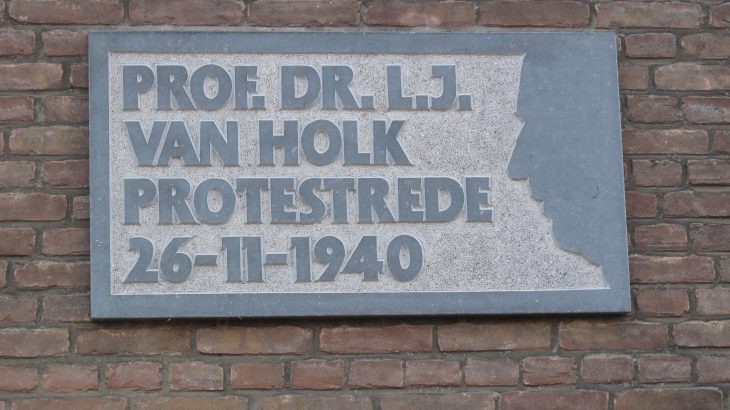 His speech transcended mere words; it was an act of defiance, a beacon of hope and solidarity. He continued his lecture by discussing the Jewish Dutch philosopher Spinoza, powerfully reinforcing his stand against the persecution of Jews.
Despite the risks, Van Holk’s actions exemplified the values central to the IARF. His subsequent arrest and internment in camps didn’t deter his spirit; he continued to inspire and educate, establishing a sort of “people’s university” within the camps.
After the war, Van Holk resumed his academic duties, serving the university and its ideals for two more decades. Among other things, he represented the Remonstrants and the IARF at the Second Vatican Council. His legacy, though less publicized than some of his contemporaries, remains a testament to the power of individual courage and the enduring principles of the IARF.
As we mark this anniversary, let us not only remember Professor Van Holk’s brave stance but also reflect on the ongoing need to uphold the values he so fiercely defended. His life and actions remind us that in times of darkness, voices of truth and compassion can shine the brightest, guiding us towards a more just and understanding world.
For our readers who speak Dutch – Prof. van Holk’s book De Boodschap van het Vrijzinnig Christendom (The Message of Liberal Christianity) can be read online here.
Recent Supreme Court Cases in the U.S. Interpreting Religious Freedom
This will be the first IARF Congress that my congregation and I participate in. I’m the current president of the board of directors for the Free Congregation of Sauk County, Wisconsin, which is the last surviving Freie Gemeinde of a hundred or so established by German immigrants to the U.S. between 1850 and 1950.
My goal in attending the Congress is to broaden my understanding — beyond my parochial and limited view of the world – of religious issues faced by other countries and institutions and people.
Preparing for the Congress has caused me to reflect on an aspect of “religious freedom” in the U.S. which may interest other attendees. The topic is how the concept of religious freedom is being used in the U.S. to permit persons to discriminate against others, especially in providing services.
Religious freedom is an issue of great current importance in the U.S. It has reached the point where two opposing sides interpret the phrase itself to have very different meanings.
On one side are those who ground religious freedom in the language of the First Amendment to our Constitution, that religion shall be free from direct state interference. The exact language is “Congress shall make no law respecting an establishment of religion, or prohibiting the free exercise thereof ….” On that same side are those who also point to the language of Thomas Jefferson in a letter to a congregation, when he wrote “I contemplate with sovereign reverence that act of the whole Amerian people which declared that their legislature should ‘make no law respecting an establishment of religion, or prohibiting the free exercise thereof’, thus building a wall of separation between Church and State.”
This widely-quoted view of the separation of church and state is not included in any law or official document, and it is challenged by those who stress the predominantly Protestant Christian background of the early American leaders. To this group, “religious freedom” primarily means the freedom to practice one’s (Christian) religion even when it conflicts with other societal values, and a vocal minority seeks to make the U.S. a Christian nation.
This short article attempts neither to give an exhaustive history of the struggles in the U.S. over more than two centuries, nor to detail the complexities and subtleties of the three relatively recent court decisions that currently define the outlines of the conflict, but only to introduce them to the attendees at this Congress, so they might become part of our discussion.
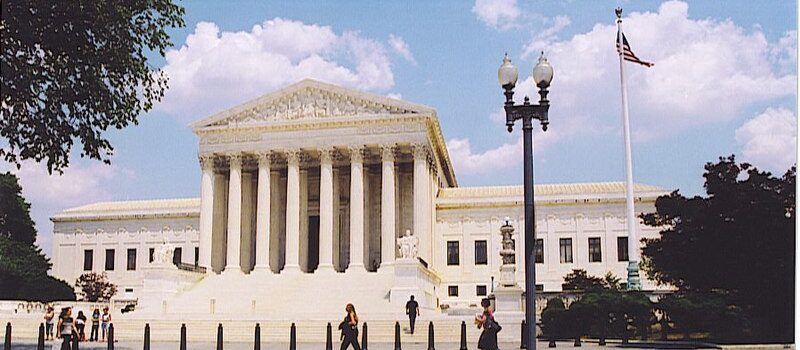
The U.S. operates with three branches of government: legislative, executive, and judiciary. Our national legislature is the Congress consisting of the Senate and the House of Representatives. Our national executive is the President and all the associated departments and agencies. Our national judiciary is the federal court system headed by the Supreme Court. All three branches can take actions (such as legislation, regulations, and decisions) that have the effect of law. Not infrequently, one law will be seen as conflicting with another law, or one right, such as freedom of religion, will be seen as conflicting with another right, such as freedom of speech. Over the past decade, the Supreme Court has issued decisions in three prominent cases interpreting religious freedom in ways that permit certain forms of discrimination:
- The Wedding Cake Case
In this case, a baker in the state of Colorado refused to create a wedding cake for a same-sex couple based on his religious objection to same-sex marriage. The Supreme Court ruled that requiring the baker to provide services to a same-sex couple would violate his right the the free exercise of his religion. Masterpiece Cakeshop v. Colorado Civil Rights Commission (2018). - The Hobby Store Case
The Supreme Court ruled that the employer (a “closely-held corporation” in which the corporation’s stock is held by a small number of investors, often family members) could refuse to provide its employees with a normally-required health care benefit (contraceptive coverage) if it conflicted with the religious views of its owners. Burwell v. Hobby Lobby (2014). - The Foster Care Case
The Supreme Court decided that a Catholic foster-care agency could refuse to work with same-sex couples, despite the city’s non-discrimination policy, because doing so would violate the free exercise of the agency’s religion. Fulton v. City of Philadelphia (2021).
I look forward to meeting and talking about many topics with other delegates to the Congress, and I hope that this article will lead me to learn of the situation in other countries, and of any parallels to the conflicting views of religious freedom I’ve touched on here.
Spotlighting the IEA, our Member Group in the Holy Land
- To learn more about the IEA and its projects, please visit the IEA’s website or write to its office.
- You can read their 2022 activity report here.
- If you are a member of the IARF (a Member Group or Chapter), you can also find Dr. Yehuda Stolov on our community platform.
The IARF is thrilled to introduce and spotlight one of its longstanding member organisations, the Interfaith Encounter Association (IEA). Based in Israel, the IEA has been dedicating itself tirelessly to the cause of interfaith dialogue and grassroots peacebuilding for over two decades. Thee IARF has offered several grants to the IEA over the years as we believe it is precisely this kind of grassroots, volunteer-based, transparent movements that is especially needed in areas afflicted by conflict and prejudice. IARF has helped fund its Leaders’ Forum operating in the Jerusalem & Hebron areas, and encounters between Jewish religious students and Muslim young adults. For historical information see Jerusalem-Hebron Religious Leaders’ Forum 2011 report and Religious Leaders – 12.12 – 7.13 report. Dr. Yehuda Stolov, the Executive Director of the IEA, has served as a member of the International Council (IARF’s Board) from 2014 to 2018.
A Truly Diverse Engagement
IEA’s mission to create a foundation for sustainable peace is apparent in the diverse religious and political backgrounds of its coordinators and participants. They represent different areas from Negev to Galilee, Hebron to Otniel, and East to West Jerusalem, striving continuously to overcome challenges and establish peace. By engaging a wide spectrum of people, the IEA aims to build the infrastructure for peace, one encounter at a time.
The Resurgence of IEA Activities in 2022: A Record Number of Encounters
In the wake of Covid-19, the year 2022 marked a resurgence of pre-pandemic levels of activity for the IEA. A record total of 412 encounters were held, with eight groups renewing their activities or starting anew. The resulting participation was unprecedented, as thousands of individuals across various ages, viewpoints, social statuses, religions, and cultures came together in these bridge-building encounters, forging mutual understanding and friendship.
The Presidential Award: A Testament to Tireless Work
One highlight of the year was the IEA receiving the Presidential Award for Volunteerism from the President’s own hands, a moment that was celebrated with all coordinators at the President’s residence. This honor represents the tireless work behind the scenes that includes strategic planning, administrative paperwork, and continuous communication, all carried out with the support of caring individuals, families, and communities.
The Principle of Constructive Dialogue and Mutual Respect
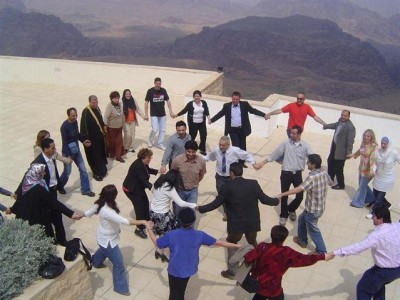
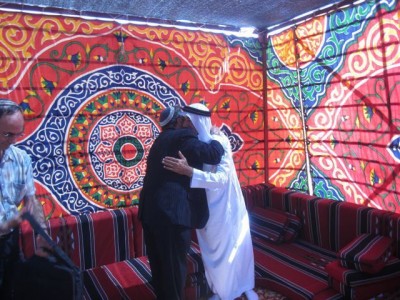

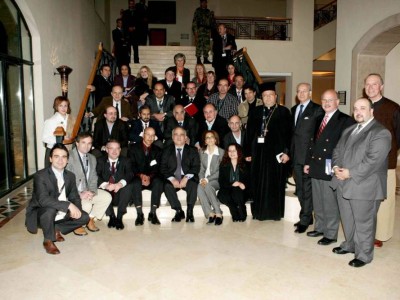
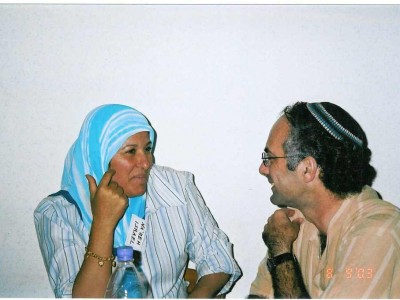
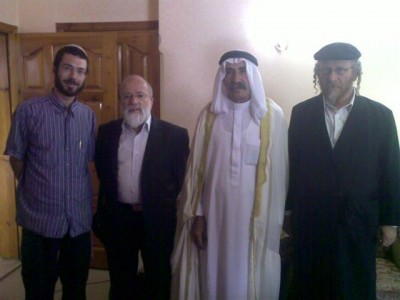
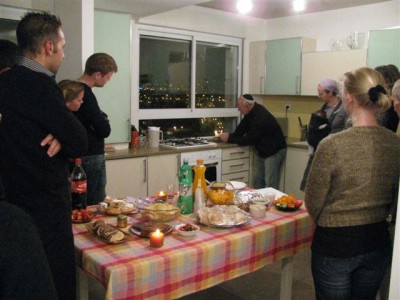
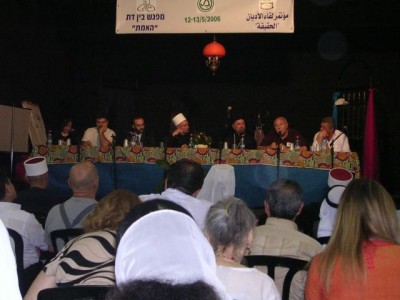
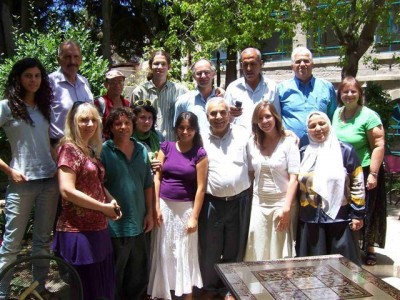
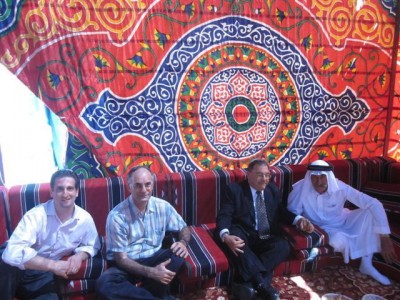
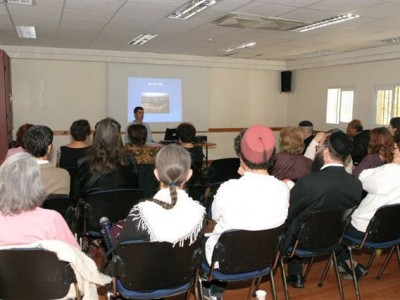
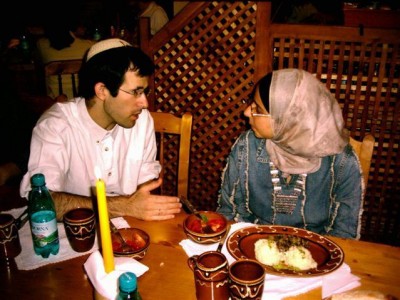
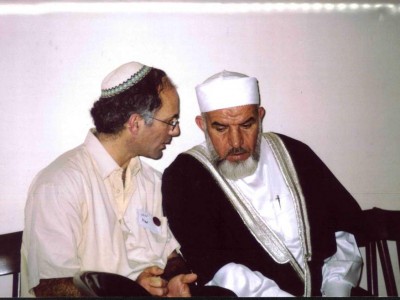
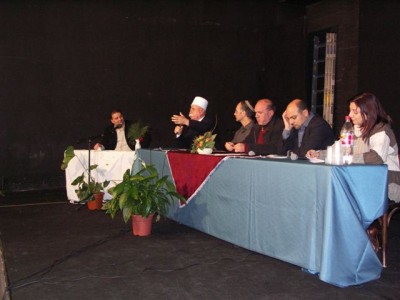
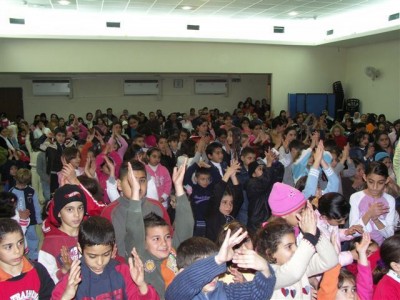
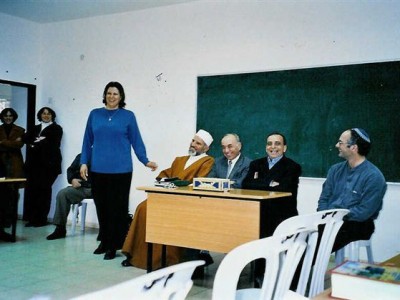
Within the IEA, the principle of constructive dialogue and mutual respect is fostered among different traditional and cultural backgrounds and faiths. In 2022, the 39 active groups successfully organized 412 encounters throughout the year, focusing on various religious themes and promoting joint study and dialogue.
A Glimpse into Diverse Scenarios
The IEA’s remarkable work was visible in diverse scenarios, such as the Jaffa interfaith group discussing active listening and peace concepts; the Reut-Sadaqa group in Jerusalem discussing dream interpretations and renewal rituals; the Debate of Peace group involving Jewish and Arab high school students in Model UN simulations, and many more.
Online Engagement: Interfaith Dialogue in the Comfort of Your Home
In the online realm, the IEA continued to make interfaith dialogue accessible right from the living rooms via groups like 929 and the New Testament Study, while two of their groups, Teaneck, NJ, and D.C. and beyond, brought the IEA’s essence to the U.S., meeting both online and offline.
Beyond Encounters: IEA’s Special Events
The IEA’s extensive work is not limited to these encounters, but also includes events that bring together people from different groups across the Holy Land. In 2022, the IEA held an annual Iftar dinner, an Interfaith Encounter Day, and an Interfaith Singing Evening, demonstrating their continued commitment to promoting peace and unity through shared experiences.
Joining the IEA: An Open Invitation
The Interfaith Encounter Association invites you to join in this important work. Whether through participating in a local group, spreading the word on social media, partnering with your institution, or providing financial support, your contribution can help further the cause of peace.
IARF Ideals Practiced in Our Congregation – Free-Religious Congregation in Offenbach am Main, Germany
The free-religious community in Offenbach has been a part of the International Association for Religious Freedom (IARF) since the 1920s. Besides our connection with the international IARF community, a significant concern is promoting dialogue, cooperation, and the further development of religious life among diverse religions and worldviews. Below, we present a few of the projects and activities of our community:
Café International
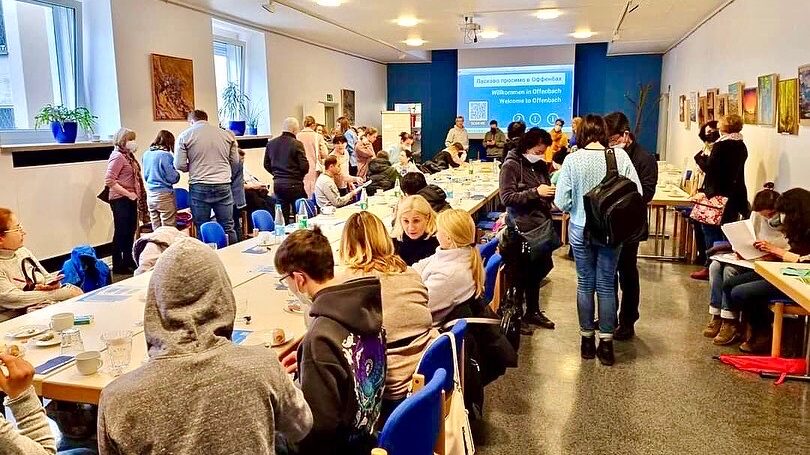
Held twice a month, Café International provides individuals of all backgrounds a space to meet, exchange ideas, and receive assistance with everyday life. Volunteers aid newcomers to the city, while joint excursions featuring language guides and an educational program for children showcase how living together can be simplified despite language and cultural barriers. Café International evolved from Café Hallo, an initiative launched in April 2022 for refugees from Ukraine.
Circle of Religions
Our free-religious community in Offenbach is a co-founder of this group, which has organized several “Days of Religions”. During this event, various religious communities present themselves in public spaces and schools, addressing questions such as: How does your religion relate to the diversity of sexual orientations and identities? What are your views on abortion? etc. Annually, we also coordinate a “Prayer of Religions” where each religious community delves into its religious practices before discussing a common topic.
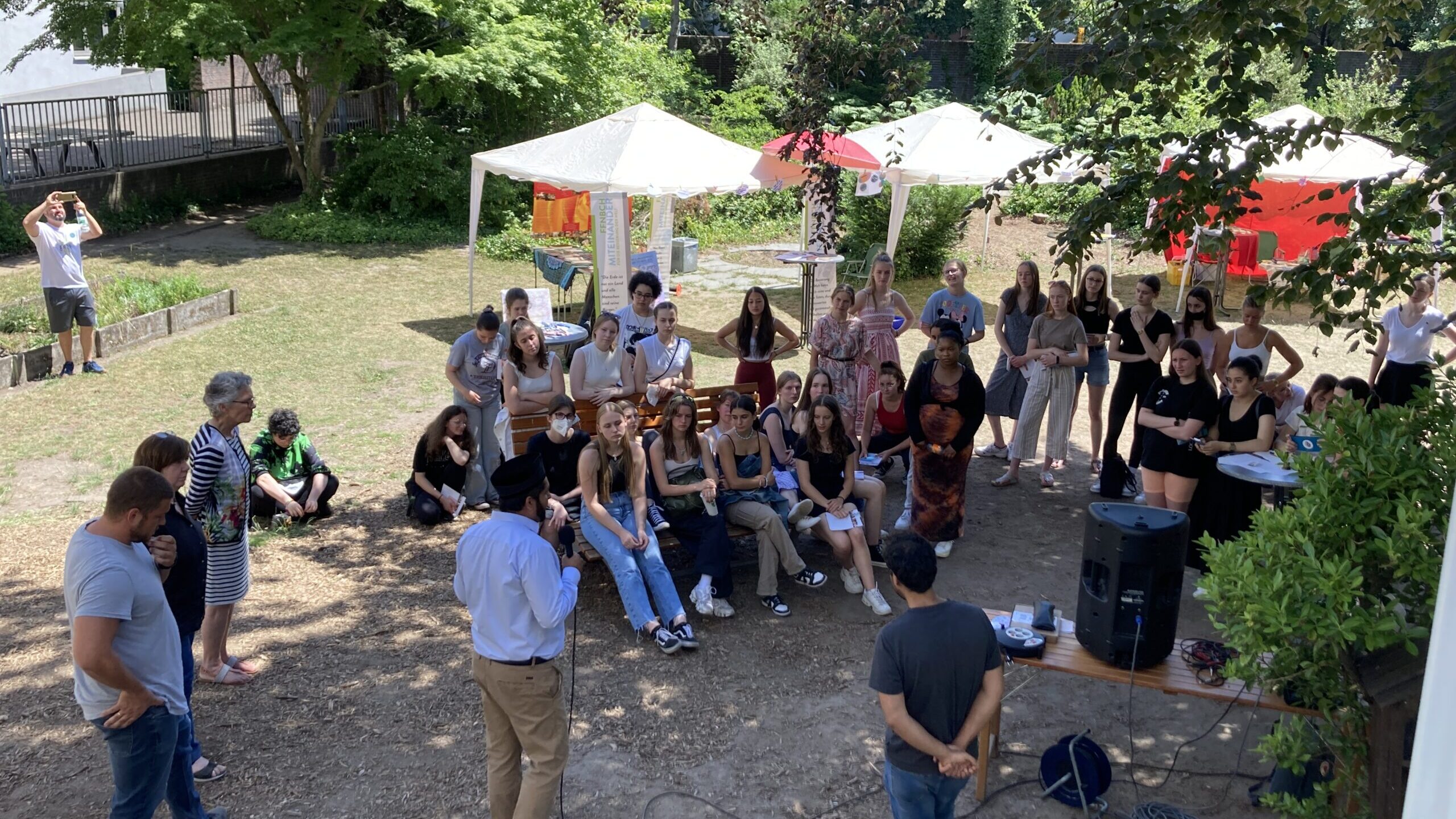
Church Asylum
We offer church asylum or shelter to those persecuted for political, religious, or inhumane reasons. In light of the influx of refugees from Syria, Ukraine, and other third-world countries, we strive to provide them a safe haven and aid in their integration into our society.
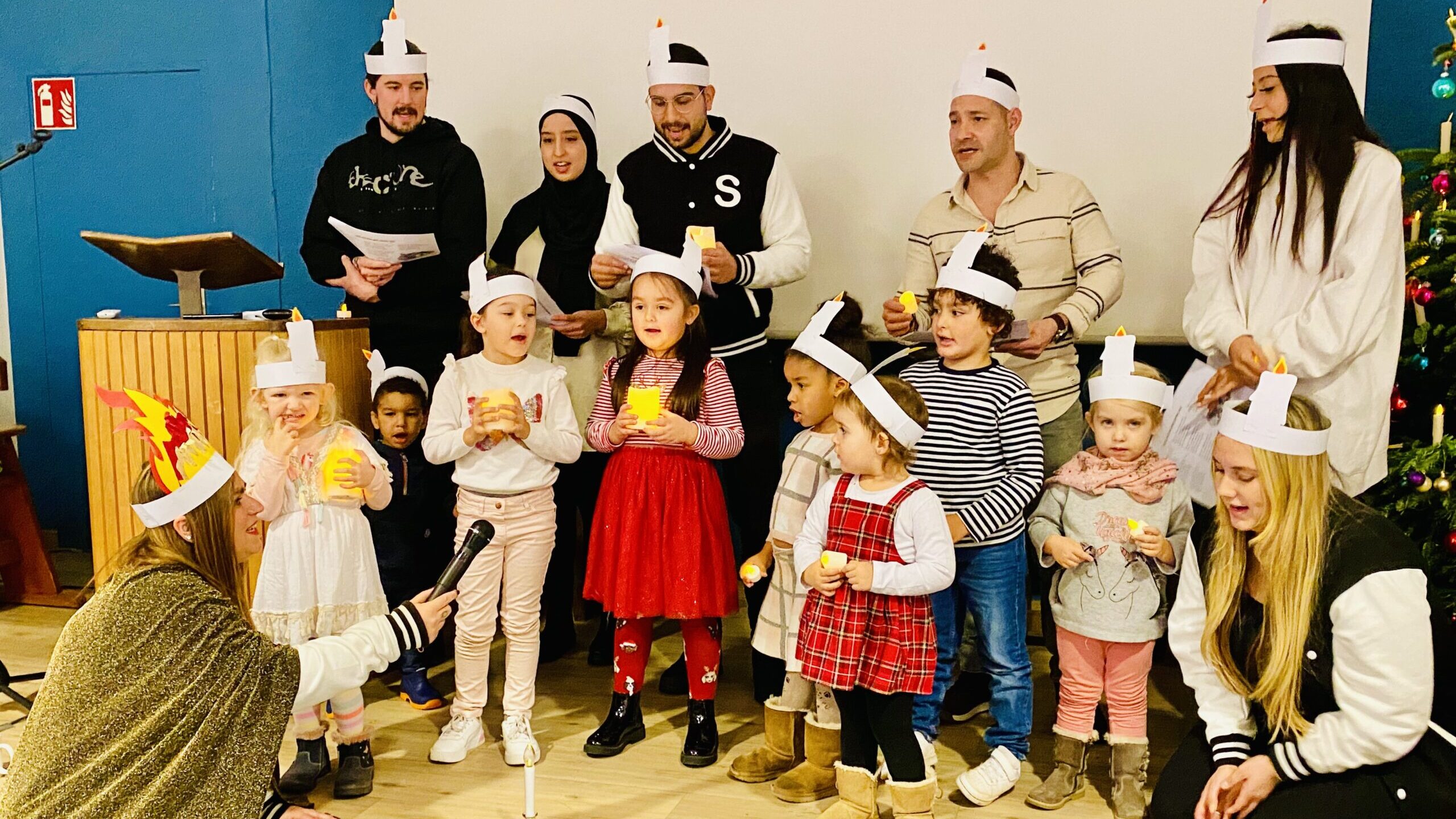
Kindergarten
Our free-religious community in Offenbach and its gGmbH now operate three kindergartens. Here, we foster children from a multitude of cultures and religions. In these kindergartens, we run a program for school beginners, teaching them about various religions and the importance of respectful coexistence.
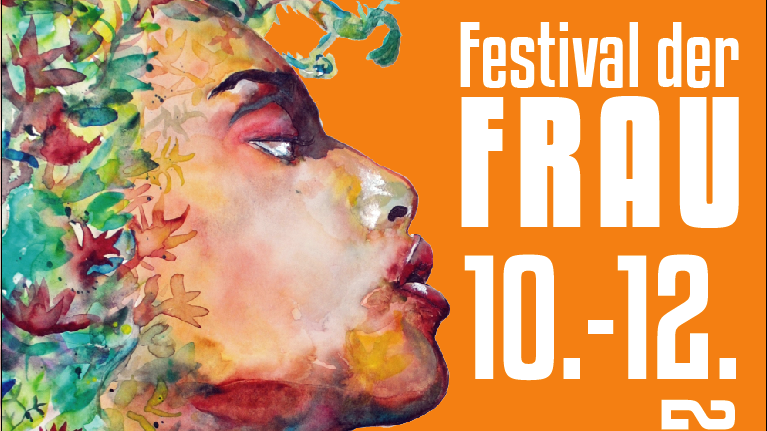
Festival of Women
Every two years, we organize a festival dedicated to the persistent unequal treatment of women and men across all walks of life. In conjunction with this, we hold a panel discussion on “Women in Religion” and a consecration hour that critically addresses this topic. All proceeds are donated to the women’s shelter in Offenbach.
About the Free-Religious Community Offenbach
The Free-Religious Community Offenbach, established on March 9, 1845, is one of the earliest and largest free-religious communities in Germany, with around 1,150 members. As a liberal religious community, we encompass a spectrum of beliefs, from religious humanists to rationalistic pantheists and dogma-free Christians. We encourage each member to form their own faith, fostering freedom of thought, faith, and conscience without strict adherence to holy scriptures or universally accepted doctrines.
The community was founded by individuals active in education, social care, and economic life, who were interested in religious-rationalist reform and political-democratic changes. Today, we continue to uphold these ideals, seeking co-determination in both church and state matters, championing social justice, equal rights, and educational opportunities for all. Despite the significant societal changes since our establishment, our guiding principles remain grounded in a dogma-free religion and a deep sense of unity in the spirit of humanity.
The Free-Religious Community Offenbach is part of the Bund Freireligiöser Gemeinden Deutschlands and is connected globally through the International Humanist and Ethical Union (IHEU) and the International Association for Religious Freedom (IARF). Despite our widespread connections, we maintain our independence, primarily serving the city and county of Offenbach but reaching far beyond.
Our community center, located in the city center, serves as a hub for a range of activities, including Sunday celebrations, lectures, discussions, festivals, group activities, rites of passage, and social care services. In an ever-evolving world, we continue to adapt our statements, work methods, and community life while preserving our foundational faith and principles.
Persecution of Unitarians in Burundi
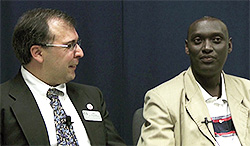
The International Council of Unitarians and Universalists, many of whose member churches are also members of the IARF – has reported on November 19 that Rev. Fulgence Ndagijimana, pastor of the Unitarian Church of Burundi,
The ICUU has issued an emergency statement on the situation, which you can read on its website, calling upon the government of Burundi
Joshua Eaton’s article on UU World provides interesting background information on the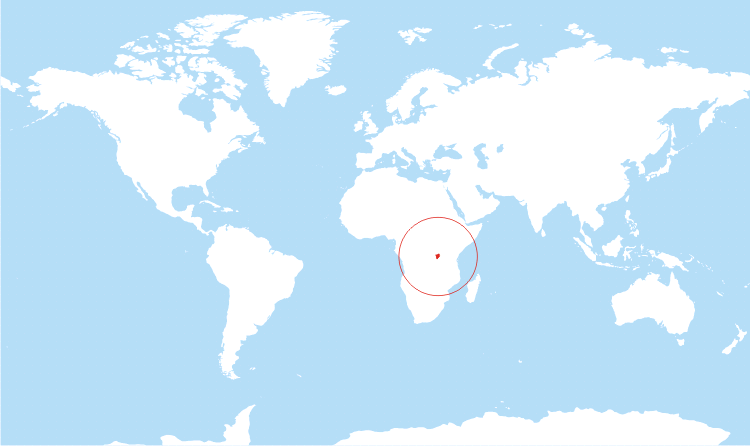 situation in the country and the Burundi Unitarian community, as well as a more detailed account of Rev. Fulgence’s present ordeal and the efforts of the international Unitarian community and its allies to aid him.
The IARF stands in solidarity with Burundi Unitarians and the world Unitarian community in these troublesome and uncertain time, and joins in the appeal to the Burundi government to respect religious freedom and cease all unlawful actions. We are hopeful that the crisis will soon be resolved and the congregation will be allowed to continue its work and worship untroubled. To show your support you may consider joining the Standing With UU-Burundi initiative on Facebook.
Below you can watch a short video about Burundi Unitarians.