2017 International Council Meeting
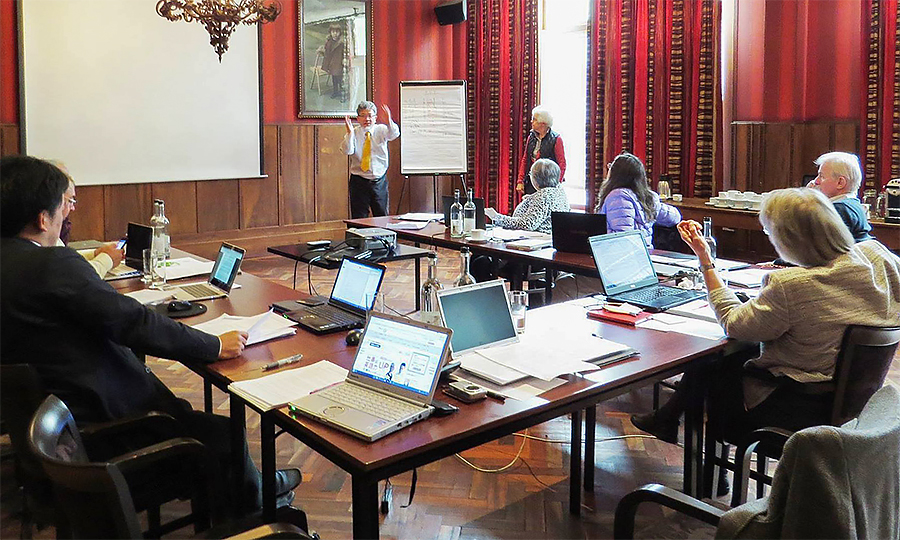
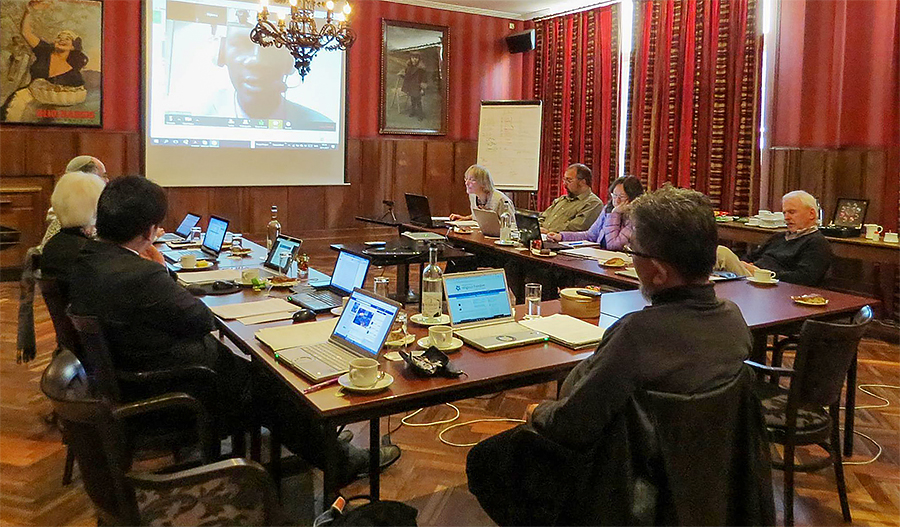
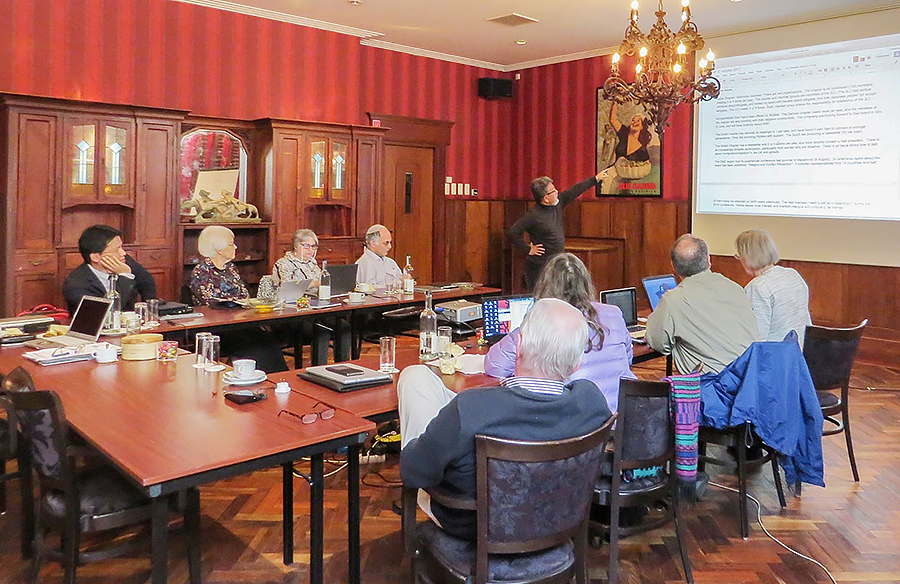
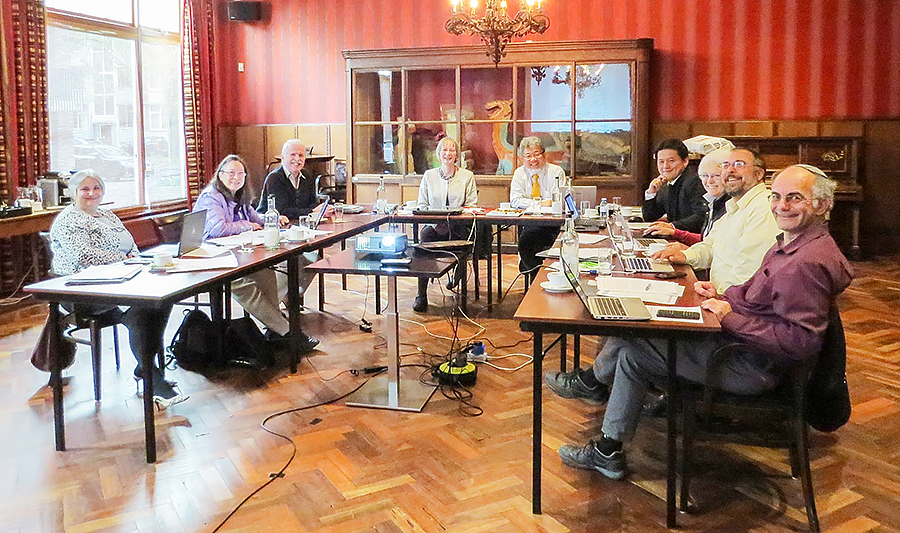
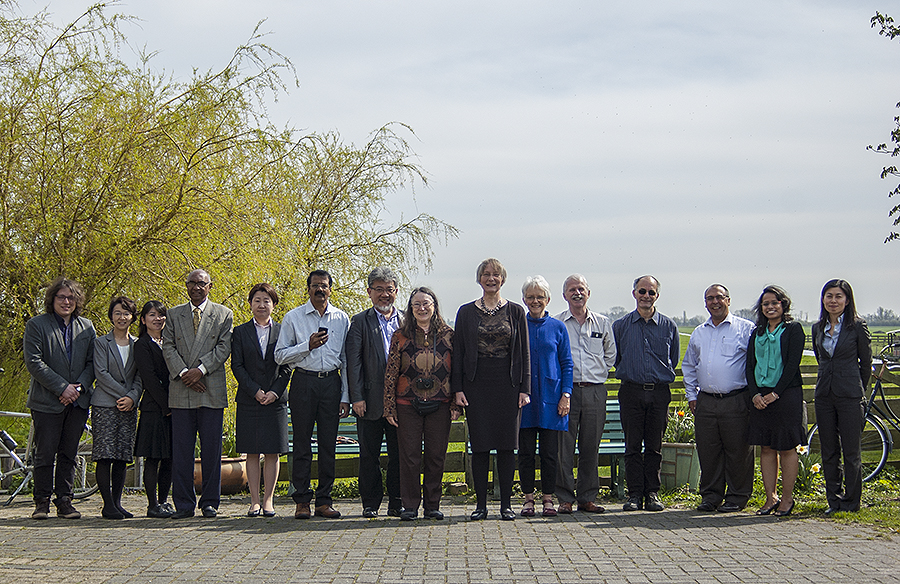
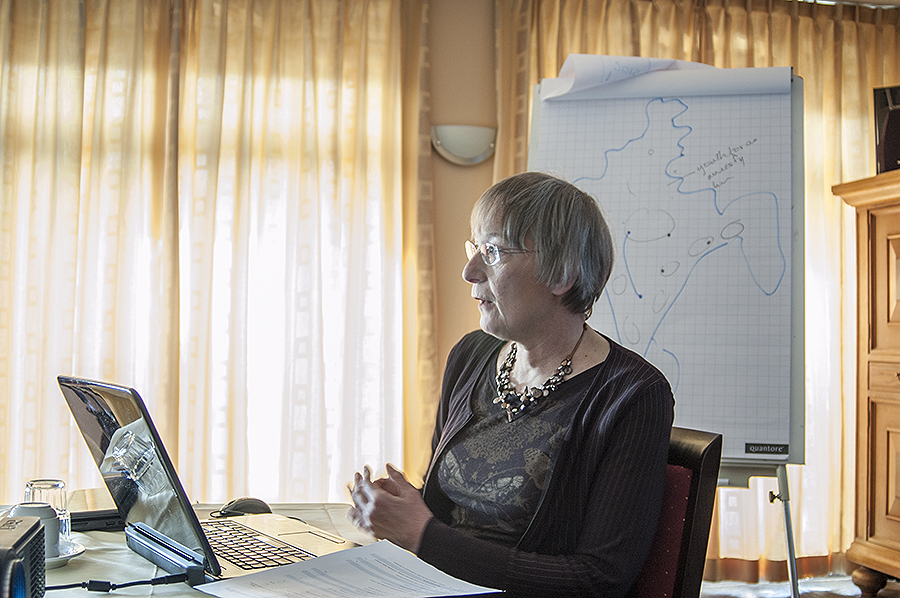
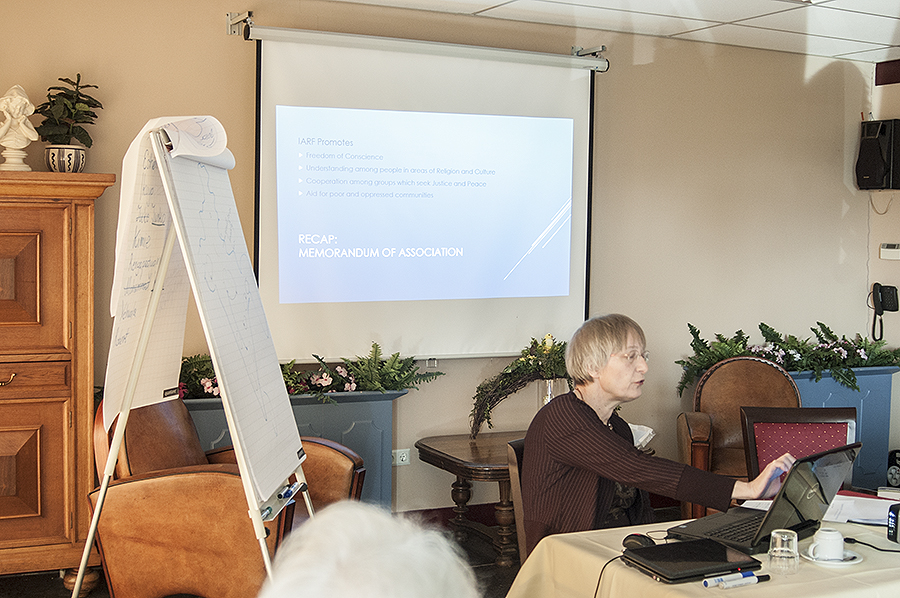
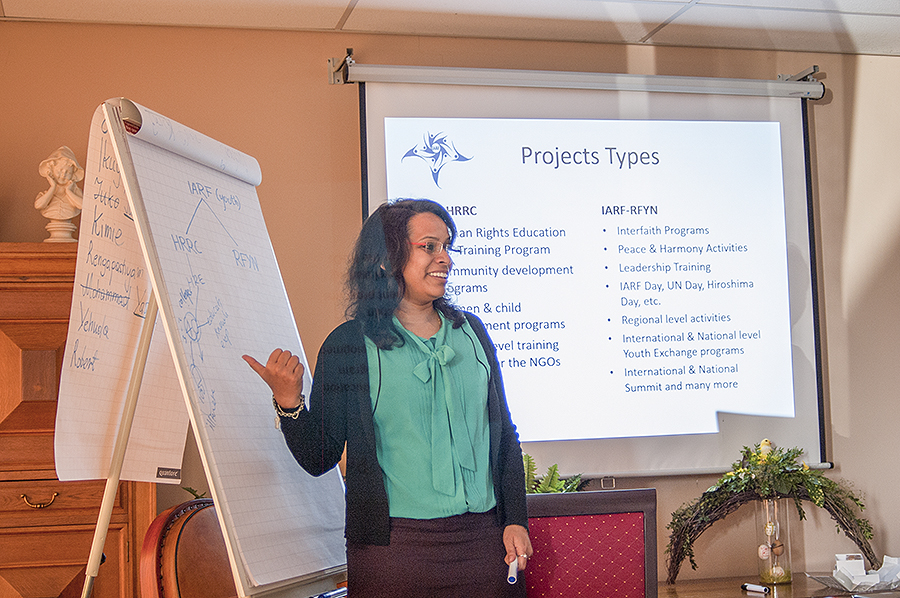
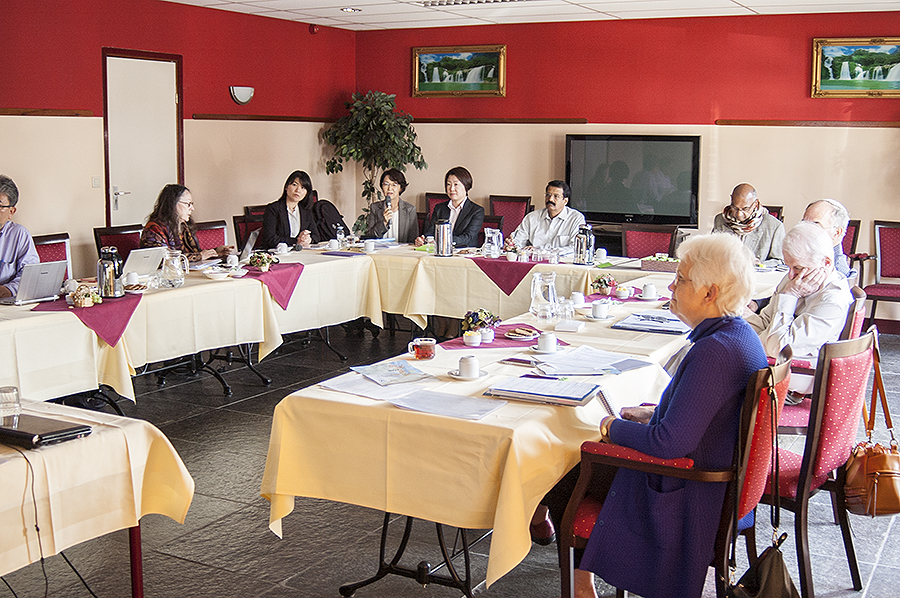
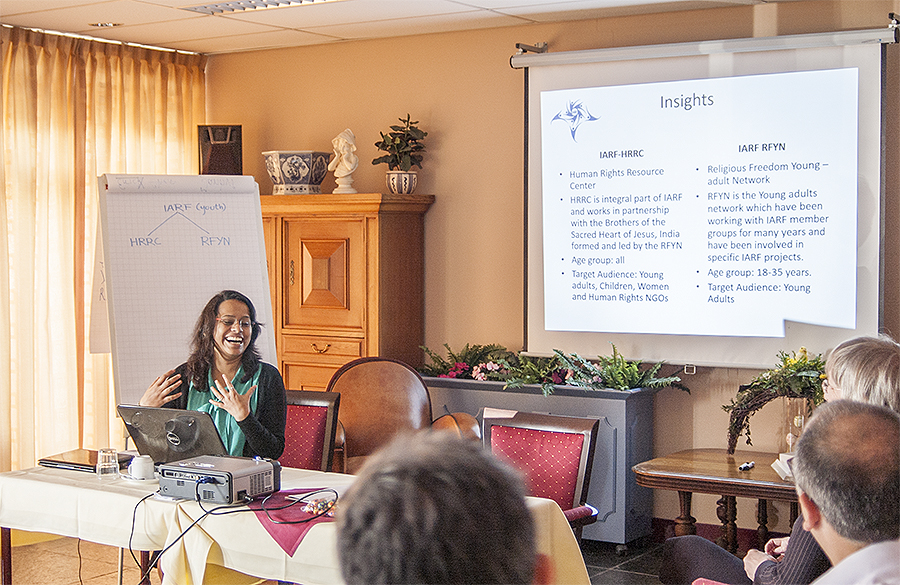
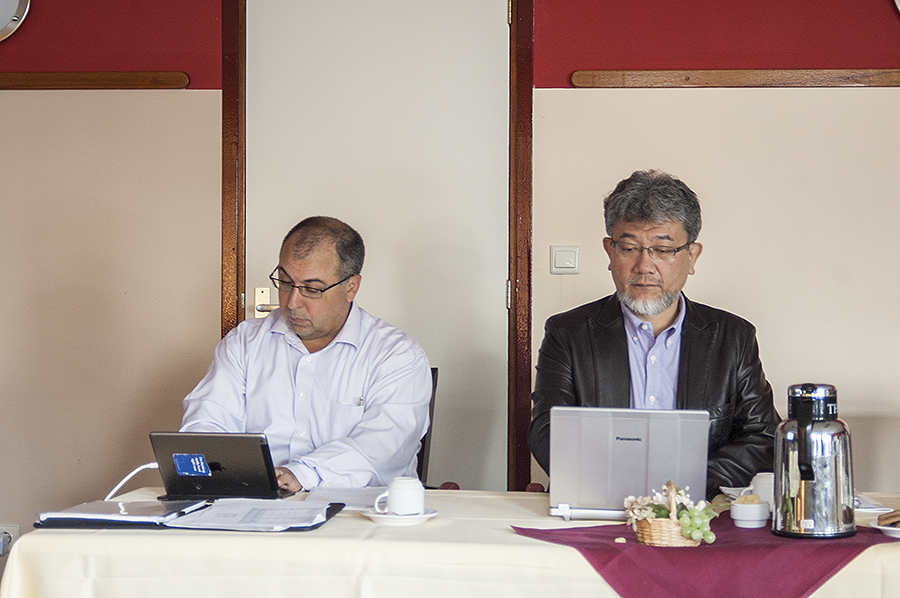
The International Council* of the IARF had its annual meeting on 19-20 April in IJmuiden, the Netherlands. It was an occasion to share experiences, concerns, ideas and moments of meditation, and savour the atmosphere of diversity, friendship and cooperation that characterizes IARF. This time several people joined the session by teleconference to make the meeting as productive as possible. Lawrence Adera, Secretary of the Kenya Chapter, talked about the challenges facing the chapter and the hopes he has for the future, while the RFYN (youth) council member from India joined the meeting this way as she was unable to attend personally.
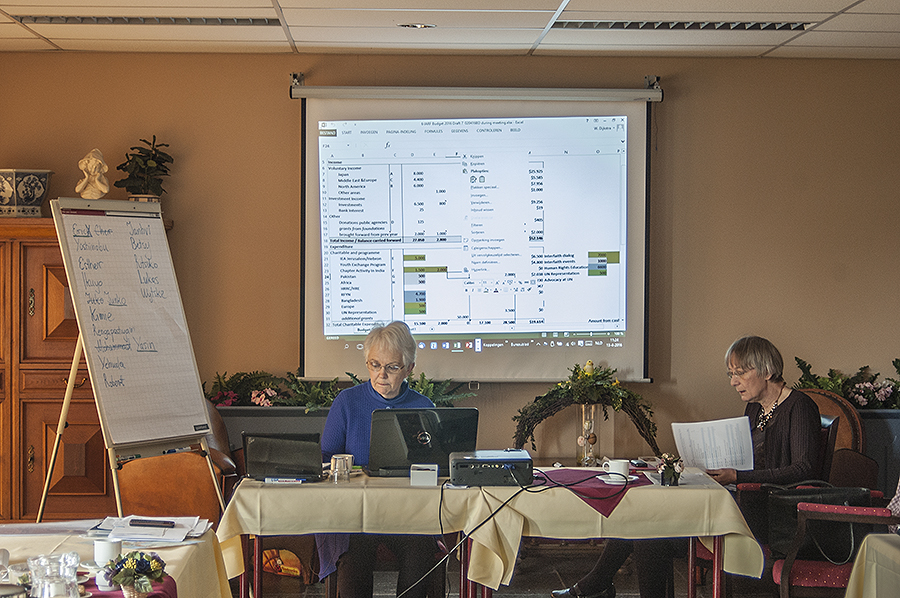
The Council reviewed last year’s work and evaluated our progress in key areas. Special emphasis was put on plans to increase our impact and efficiency. In order to facilitate this the Council worked on improving the financial prospects, updating the statutes to remove inefficiencies in the way IARF operates and better serve the current needs of the organization, as well as on expanding our activities by reaching out to new partners. The progress of various projects we fund and organize has been examined and new grants awarded to support the efforts of our member organizations and partners to further our goals: human rights education, facilitation of interreligious dialogue and collaboration, promotion of liberal religiosity and interfaith work.
A topic of special importance was of course the upcoming World Congress, which will take the form of a broader interfaith conference and will be held at the end of July/beginning of August 2018 in Washington D.C., USA. The Congress is being organized by our member group, the Unitarian Universalist Association, the US Chapter and the co-sponsors, the United Religious Initiative and Religions for Peace USA. It will be the sixth Congress in the United States (the last one was held in 1987 in Stanford, CA; see list of past Congresses here or read about our history here).
The Council reviewed the progress of preparations, which are being directed by the Host Committee presided by the council member from the United States, Eric Cherry, and members of our US Chapter, and made decisions that will enable us to publicly announce details of the Congress very shortly. As soon as the last details are agreed upon, most likely within a month, you will find extensive information on it on this website, our social media and in many other places. The Congress is shaping up to be a wonderful, inspiring event that will once again bring together the IARF community to worship, share, learn, train and take pleasure in each other’s presence. We’re looking forward to it with anticipation and a lot of enthusiasm for the work that must be done to make it a memorable occasion.
* The Council is our governing body elected at quadrennial World Congresses and currently comprising 11 members from all over the world: America, Europe, East and South Asia, and representing Judaism, Christianity, Islam, Hinduism, Shinto, Buddhist, and other religions, and thereby reflecting our commitment to diversity (read more on the Governance page).
IALRW Interfaith Seminar in Malaysia
The International Association of Liberal Religious Women, a branch of the IARF and one of the oldest interfaith women’s organizations in the world (founded in 1910), co-organized an interfaith seminar in Malaysia on 7-8 February. The seminar brought together women from Malaysia, Yemen, Myanmar, Cashmere, Sri Lanka, Japan and Europe, and included two public sessions: “Plight of Domestic Helpers: Interfaith Perspectives” and “Conflict and War: Direct Accounts.”
Rev. Esther R. Suter, IALRW Vice-President from Switzerland, summed up the sessions as follows:
Domestic helpers is a crucial topic in Malaysia with
mainly women (“maids”) coming from Indonesia, often immigrants without a legal status or documents. Faith communities such as Muslim, Buddhist, Hindu, Christian (Roman-Catholic) Sikh and Taoist exposed the situation and presented their approach on a spiritual as well as social, moral and communitarian level.Although the women gathered in Kuala Lumpur had a variety of approaches, presented separately, they managed to formulate firm recommendations to be addressed to the government, for training, support and protection of workers; regulation of agencies providing staff; and fostering right relationships with workers within families, respecting them as human beings.
…
The topic “Conflict and War: direct accounts” was presented by four IIUM students. They came from Burma, Yemen, Kashmir and Syria. With the exception of the student from Kashmir, they all presented conflict situations involving Muslims and another faith group and exposed the political conflict as an intentionally created religious conflict, which exploits religions for political and power strategies.
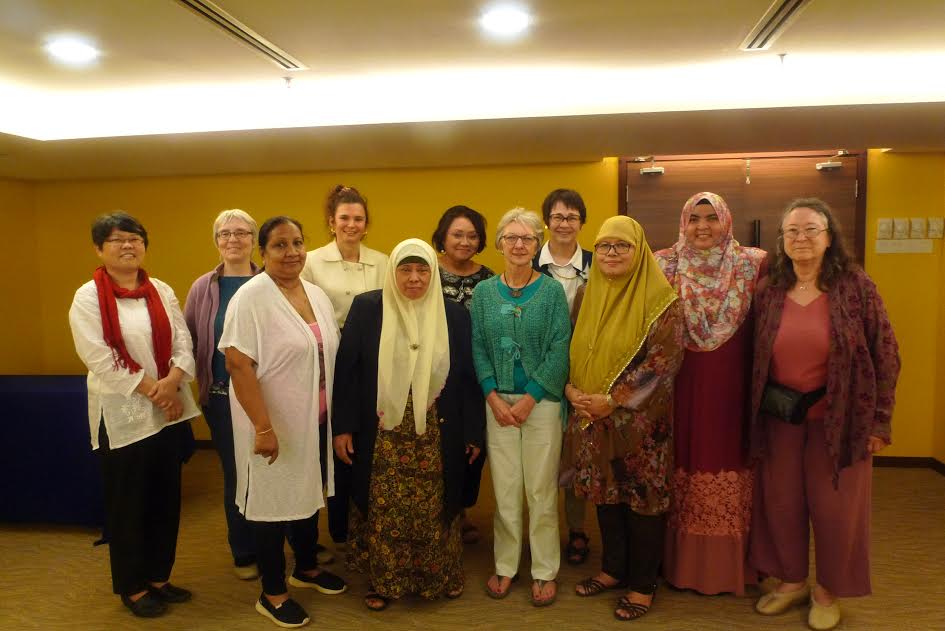
Here you can read the full report by Rev. Suter published at oikumene.org, and here her more detailed account of the stories told by four participants of the seminar: women from Myanmar, Yemen, Cashmere and Malaysia from protestinfo.ch (in French).
Japan: Memorial Symposium on the 200th JLC Meeting
Below you will find a report prepared by the Japan Liaison Committee of the IARF (you can read more about it here) from its most recent symposium.
Date: 9th October, 2016 14:00-17:00
Place: Hall of Soryo, Ittoen, Kyoto
Theme: Eliminate the Borders ~ Actual Situation of Refugees in Japan
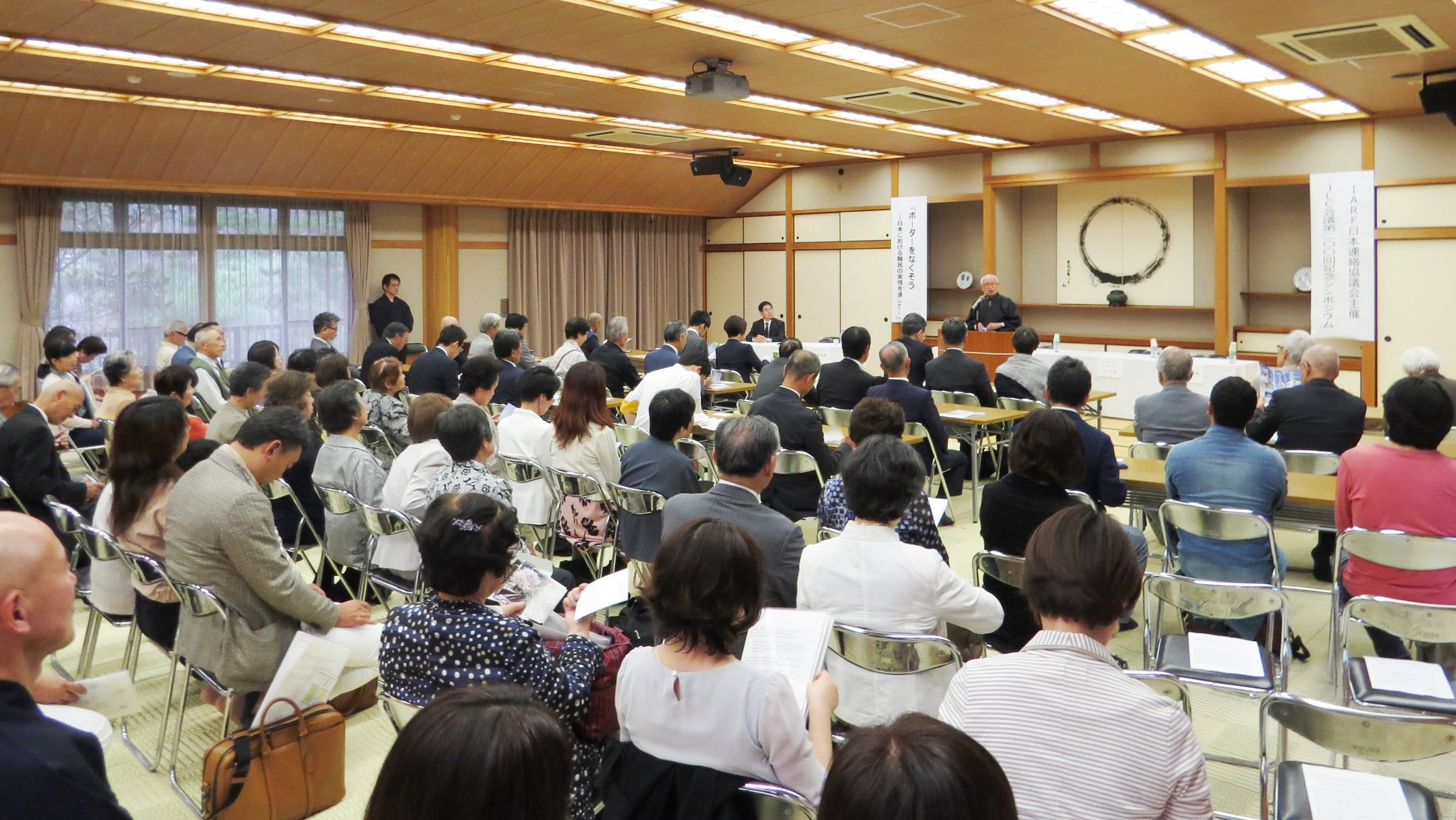
A symposium in commemoration of the 200th JLC meeting took place at Ittoen, on a fine autumn afternoon. At 2.00pm, following welcome remarks by Rev. Toshifumi Takisawa of Mutsumi-kai, the MC of the day, Rev.Takeshi Nishida, the head of our host Ittoen, delivered an opening speech that gave a brief history of IARF and JLC. He enjoined the Symposium to be fruitful. Then, Ms.Peggy Kanada, Vice-President of IALRW, led the audience in an opening prayer. She offered a prayer for peace with the hope that refugees, and all victims of violence and social persecutions could go back eventually to their old homes, but meanwhile should be guaranteed basic human rights (including jobs and education) to maintain hopes for the future in their host countries.
Session 1 “Actual Situation of Refugees in Japan”
The Program consisted of two sessions.
In the first session, three speakers delivered presentations aimed at showing the present situation of refugees in Japan. The first speaker was Mr.Hiroaki Ishii, the Executive Director of Japan Association for Refugees (JAR). The second one was Mr.K.C.Deepak, a refugee from Nepal, accepted to residency in Japan. And the last was Mr.Eedak Mohammad Reza, who has escaped from Afghanistan and is seeking permission to stay.
1) Mr. Hiroaki Ishii
The first speaker was Mr.Hiroaki Ishii, the Executive Director of JAR. He gave a brief overview, especially about the legal system concerning refugees in Japan, using Power Point slides. He referred to different kinds of procedures/requirements a refugee must meet when arriving in Japan, what kind of assistance they need, and what JAR is doing for help them. He also mentioned that ‘nanmin’ (‘refugee’ in Japanese) is recently used not only in an original meaning of the word (a person who has escaped from their own country due to politics, religious persecution, war etc.) but also in a broader sense (any person confronting difficulties in living in their home countries, such as millions of people who cannot return to their residential area by public transportation’s trouble caused by natural disaster, or people who have no fixed address which was triggered by disemployment and family infighting, etc.). This larger conception of ‘nanmin’ makes it difficult to understand the real refugee issue.
2) Mr. K.C. Deepak
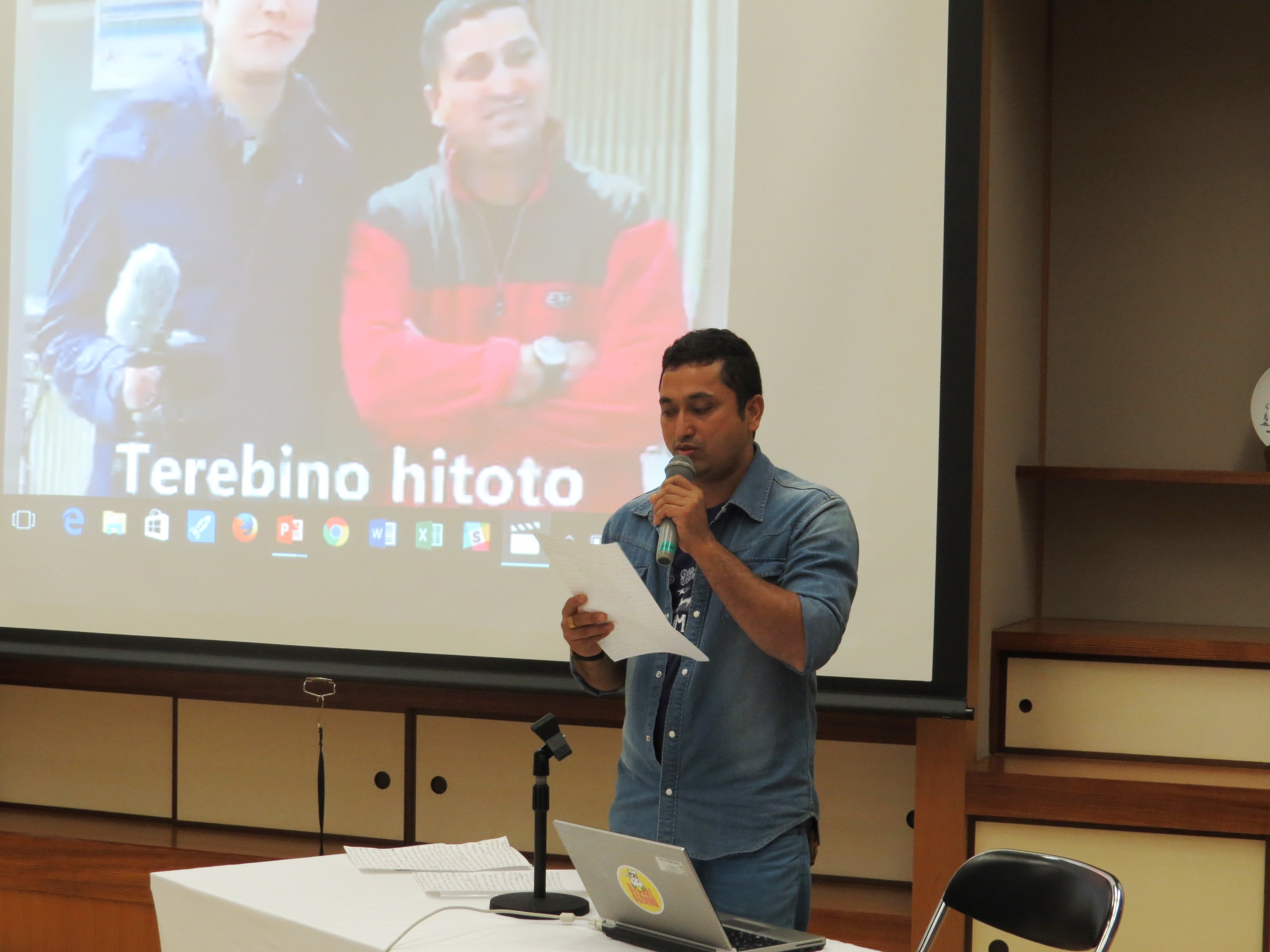
Mr.Deepak told the story how he came to Japan as a refugee, and how he lives in Japan, by explaining many pictures in fluent Japanese, which he learned after he came to Japan.
He and his family had worked for the King of Nepal, so they were persecuted by Maoist antigovernment forces. He escaped to Japan in 2004. For the first several years, he had difficulty finding food and shelter and it took 4 years of applying to be given refugee status by Immigration Authorities. His leg was hurt by torture from Maoists, but he was not able to access any medical care at hospitals in Japan at first because he could not get health insurance coverage without receiving refugee status. He would have had to pay prohibitively high medical expenses. Thanks to many people’s support, he found a place to live in Toyokawa, Aichi Prefecture. After he was given proper status, he was allowed to work and could go to any hospital using national health insurance (but has suffered permanent damage to his leg).
In 2015, a big earthquake hit Nepal and caused huge damage. He stood often in front of Toyokawa Station with his friends to ask for donations for the earthquake victims. Bonding over this, he made a community with other Nepali in the area.
The organization has grown to 82 members now, and they are committed to volunteer activities such as cleaning local areas, or aiding Japanese victims of disasters.
3) Mr. Eedak Mohammed Reza
Mr. Mohammed Reza was born an Afghan in a refugee camp in Iran, and got back to Afghanistan at age 10. Then he lost his parents at age 15 and had to take care of his 3 younger sisters. He worked as staff for the Japanese NGO called “Lala Association” which helps orphans in Afghanistan. This work led Taliban enforcers to label him ‘Kaffir’ (= one who has apostatized from Islam). They suddenly attacked and jailed him. Taliban allows only Muslims to exist in Afghanistan. When someone helps Kaffirs, they are deemed to be the same non Muslims. Mr.Reza emphasized that he is Muslim. However, he also said that all the religions are equal with every religion having moral precepts. Despite his Muslim faith, he was attacked and driven to leave his homeland in fear for his life.
When he arrived in Japan, he was really uncertain about his future. Although some people advised him that it would be very difficult to be given official refugee status in Japan, he felt he had no choice but to apply. It has been rejected already twice, but with nowhere else to go he has re-applied. He also confronted many difficulties of living in Japan: language, jobs, lodging and so on. But he said that he was lucky to be able to get support from the people around him. Now he studies at Doshisha University in Kyoto, and is preparing for further study in graduate school.
He emphasized that he never wanted to be a refugee. He thinks that getting refugee status is not the way to be happy for him, but he has no other options. Japan is a livable and peaceful place but it is not his own country. His sisters, of whom he has sole responsibility, cannot come to Japan. He eagerly desires to find a way to return his homeland and live with his family someday in the future.
Session 2 Panel Discussion: “Eliminate the Borders – Actual Surroundings of Refugees-“
After having a tea break, the Second session, a panel discussion themed on “Eliminate the Borders- Actual Situation of Refugees-“, started.
The Rev. Masahiro Nemoto, the special appointed executive for Inter-religious Cooperation of Rissho Kosei-kai, was invited as a panelist in addition to the three speakers of the first session. An energetic discussion was conducted by the moderator, Rev.Yoshinobu Miyake, Superior General of Konko Church of Izuo.
The Rev.Nemoto expressed his thoughts as following:
‘Through my longtime involvement to support refugees, I always consider “refugees” as “my family”. I want to help them the same as a family member living together. Accepting them as a family, what can “we (an organization)” or “I (individual)” do for them as necessary aid until the time comes when they will be able to go back to their homeland? I hope those gathered here today, will develop your thinking on this issue, and share it with others’.
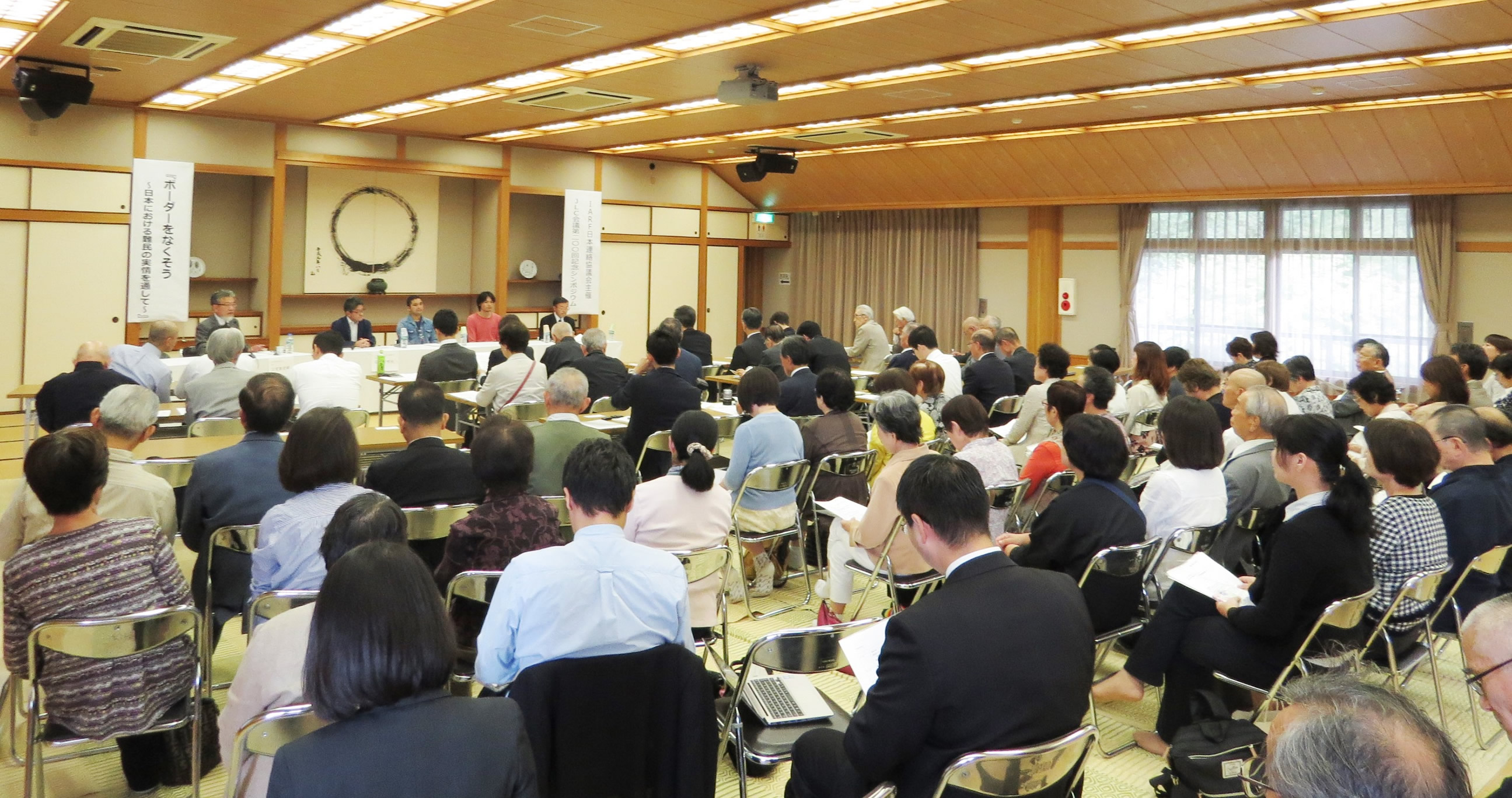
After explaining the vague concern of the general public that some terrorists may enter into the country with refugees, Mr.Ishii pointed out the incorrect nonsense of this fear. It is much easier to enter the country as a tourist than as a refugee if a terrorist should want to come to Japan. Further, in Europe, “home-grown” terrorists are more serious problem than “visitors.” In Japan, it seems that our political leaders hesitate to make decisions to admit more refugees because of this tiny perceived risk. On the other hand, Japan can be considered a safe and hospitable country where people are kind to the others. He hopes to exploit this advantage to help refugees.
Rev. Yoshinobu Miyake, the moderator of the symposium, asked Mr.Deepak about the situation of communities of Nepali in Japan. Mr.Deepak answered that he does not know about other Nepali communities in Japan, but since he launched his own Nepali community organization in Toyokawa, where he lives, he can point to their responsible behavior and civic commitment to volunteer activities in their locality.
Rev.Miyake pointed out one big flaw of Japanese immigration rules about refugees, that is to say, that refugees who came to Japan due to the persecution only by their government, are acceptable but those who were threatened by rebel groups or guerrillas are not recognized as a refugees at the first application stage. Then he asked Mr.Reza about the current situation of Afghanistan. Mr.Reza replied, “It is too complex to describe in a short summary. There occurs every possible type of violence, conflicts and accidents, and these bad events continue. This complexity stems from the rough rapprochement process between the current Afghani government and the Taliban that ignores the responsibility of perpetrators and the bloodshed of the recent past.
In reacting the questions from the audience, discussion was ongoing about how can we break the cycle of hatred, or what kind of educational approach is required for the future generation.
In conclusion of the QandA session, Mr.Ishii expressed his gratitude to religious groups which have offered great support since Japan accepted refugees from Indochina 40 years ago, and his thoughts about more possible support from the private sector. For this, it is necessary to make the public understand the issue, and to make them feel that to assist refugees is our “responsibility”, no a “burden”. He also hopes religious people will foster an atmosphere that dissolves the negative views about refugees.
Mr.Reza said that he sometimes feels that some people look down on refugees, and it makes him very sad. Even if there are differences of languages, nationality or cultures, we have the same worth as a human. He appealed that they should know that anyone who is in such a situation is only a refugee because of unavoidable reasons.
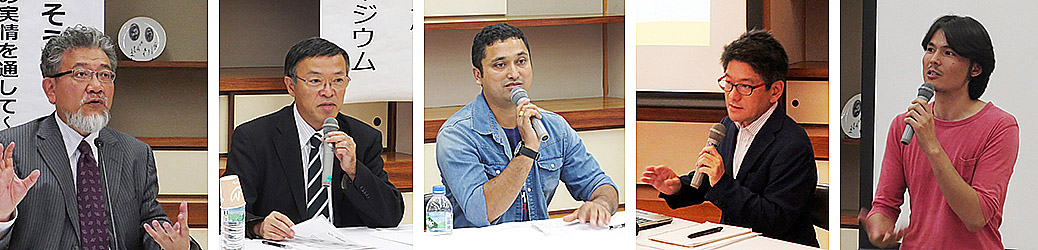
Concluding the session with a big applause, Rev. Takisawa announced some information about the next IARF World Congress.
Then Rev. Kosuke Shiba, a priest of Tsubaki Grand Shrine, took the rostrum as the representative of IARF Japan chapter and led the audience in a closing prayer. It is ‘arigatai’ (thankful, literally ‘hard to be happening’) that we can live in a country at peace. Please join in a prayer for the peace, not only for Japan, but also for other countries.”
At the end, the Most Rev.Mitsuo Miyake, Chief Priest of Konko Chuch of Izuo, who gives a strong support to the IARF as vice president, delivered a closing address. He looked back on the 32 year path of JLC to come to this 200th regular meeting with deep feeling, and expressed his gratitude for the efforts of his predecessors. He directed us to think of people who have no chances to study, or even to lead lives safe from dangers. He expressed thanks for this opportunity to learn about refugees, and took a vow that the JLC and each member of us will contribute for mutual prosperity. Then he closed his speech with a word of thanks.
Just before the Rev. Takisawa wrapped up the session, the Rev. Nishida introduced Ittoen briefly for those who visited here for the first time. The program of a fruitful symposium was complete.
*Number of Participants: 93
Breakdown:
Rissho Kosei-kai: 24; Konko Church of Izuo: 20; Mutsumi-kai: 7; IARF Japan Chapter: 12; IALRW 1, Ittoen: 26, Press: 3.
IARF President’s New Year message for 2017
Dear Friends in IARF,
Peace among religions and freedom of conscience for all, that is our common goal in IARF.
Last year, my message was about the scope of our work to promote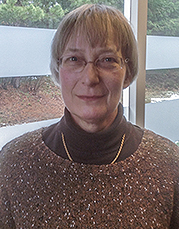 freedom for each individual to practice, teach, and be educated in the religion of his or her choice.
Moving on to a different aspect of our work, I would now like you to pay attention to our shared aim: to practice what we preach. Only if all faiths are respected equally, can there be peace among religions. Only if we strive to understand, can we hope to respect. That is why IARF throughout its history has promoted interfaith interaction on the highest level.
Throughout 2016 IARF members have been active in interfaith settings. In all kinds of places, from simple board rooms to spacious conference centers, even in the open air, we have organized and taken part in interfaith encounters. Multiculturalism, with IARF, is standard, as is gender equality.
We must now look to the future. Building on the success of its 2016 Macedonia conference, IARF Europe and Middle East has announced a similar event in Poland. Preparations for the 2018 World Congress have started. It will focus on activism and building the skills of interfaith activists throughout the world needed to do their work in their local communities.
As everyone who has been active in IARF knows, learning about each other in an open, free setting is fascinating and enriching, and simply great fun, too. Maybe it is that, more than anything, which makes IARF endearing to so many people. Let this be our aspiration for the coming year: to ‘brand’ all our events and all our undertakings with the hallmark of IARF: to form warm relationships across cultural divides, no matter what befalls us.
Wytske Dijkstra
IARF President
British Chapter meeting: EME Conference and Week of Prayer for World Peace
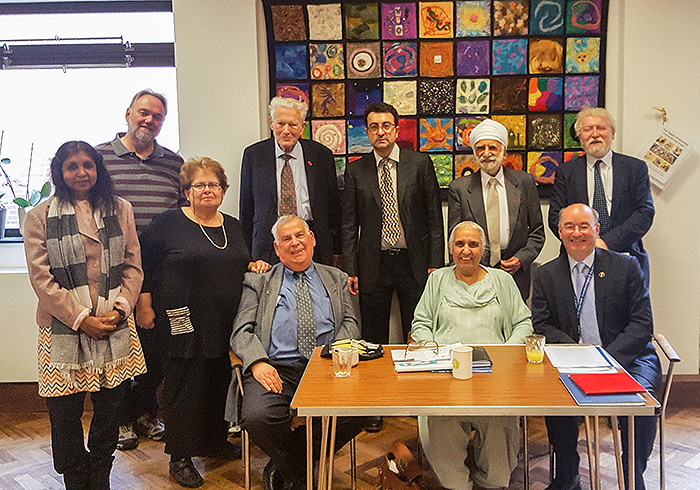
On Thursday 20 October, at Essex Unitarian Church in Kensington, London, the British Chapter and the Peace Commission of the IARF hosted a report on the August Europe and Middle East IARF Conference in Macedonia, Religion and Conflict Prevention.
Speakers were former IARF International Council member Dr. Shlomo Alon from Israel and Derek McAuley, chair of IARF Europe and Middle East. Here you can learn more about the conference.
After a tea break, participants sat in a circle and each did a reading from the 2016 Week of Prayer for World Peace, 16 -23 October.
The British Chapter Annual Meeting will be held at 1 PM, Saturday, 10 December 2016 at Essex Hall. IARF President, Wytske Dijkstra, will be present and the speaker will be John Kinahan.
(Photo courtesy of Rev Sarah Tinker)
EME Conference 2016: Report
[include-page id=”7782″]
International Council Meeting 2016
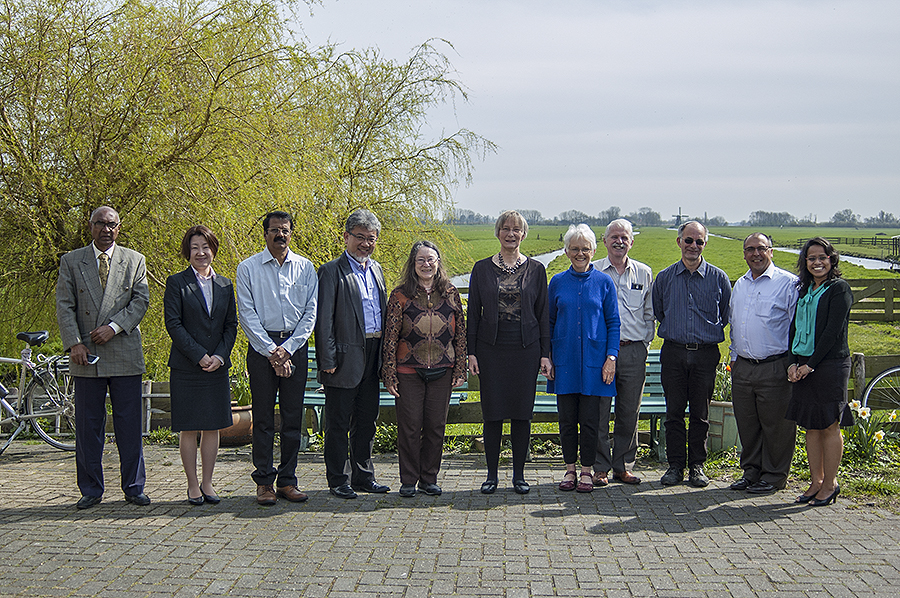
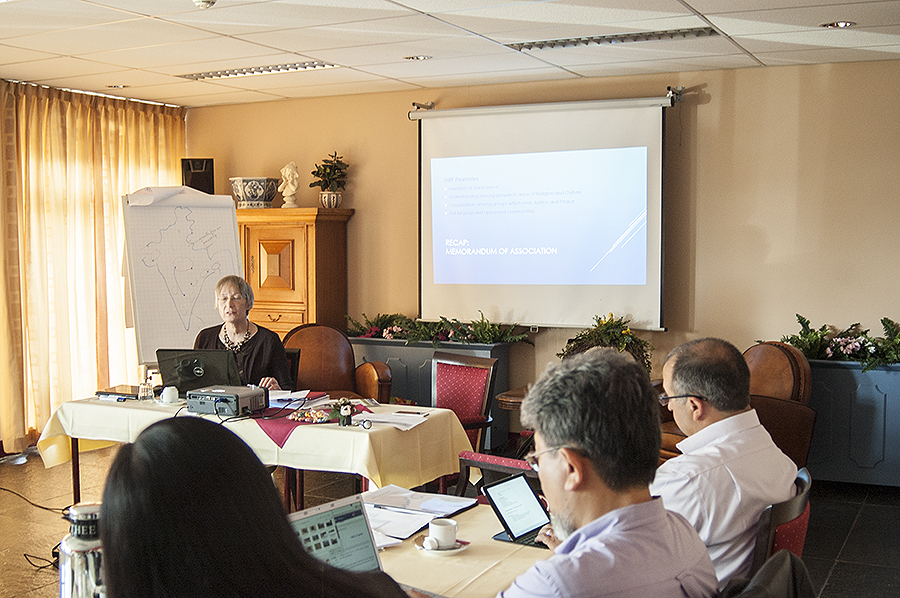
The International Council, our executive body elected at quadrennial World Congresses and currently comprising 11 members from various regions and faith communities to reflect our diversity (read more on the Governance page), had its annual meeting on 12-13 April in Kaag, the Netherlands.
As always, it was an occasion to share experiences, concerns and ideas, and savour the atmosphere of diversity and friendship that IARF strives to promote. This year the work focused on finding new and creative ways of reaching out to partners, both sponsors and potential grantees, to use the knowledge and experience we have acquired through decades of work to make a difference in new areas and assist new communities.
The Council evaluated collaboration with current project partners and decided to award grants to our Kenyan, Pakistani, Israeli, Indian and Bangladeshi member groups (more about that to come in event reports).
Another important issue concerned preparations for the next World Congress. The event, currently held every four years in different countries, brings together representatives of our diverse member organizations and partners to learn, worship and plan together, and share the multifarious traditions and experiences that make up IARF (read more in the Congress section of the website). The next Congress will be held in 2018. The venue and more detailed information will be published as soon as possible.


Training of Trainers in Human Rights and Interfaith Peace
On the 24th and 25th of October the Kenya Chapter of IARF held a training event concerning human rights and interfaith peace. Here you can read the full report (PDF, 1MB).

Human Rights Day in Malakapuram, India
Below is a short report written by Narava Paska Rao, chairman of the BV Foundation for Peace and Harmony, from its 2015 Human Rights Day celebration.
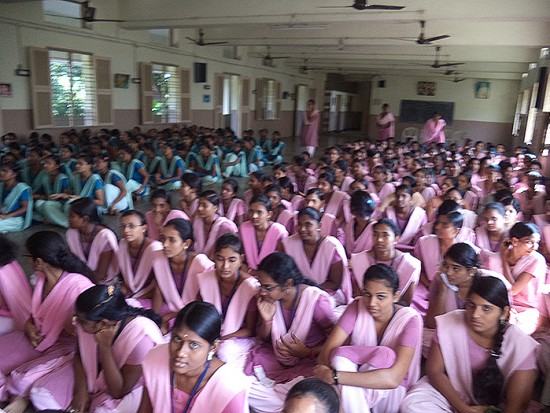
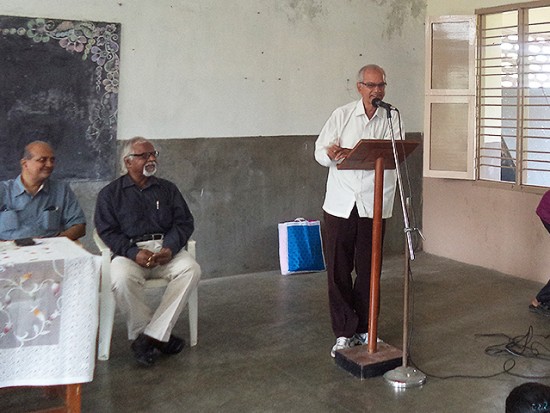
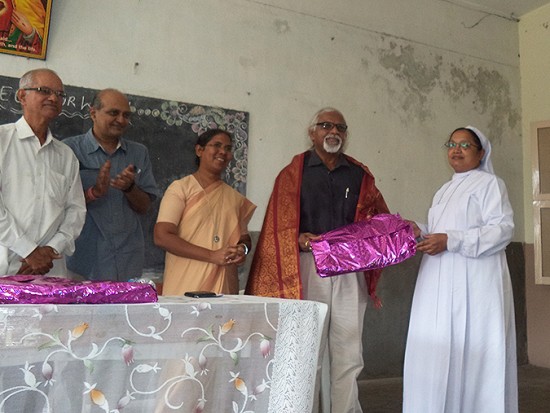
The BV Foundation for Peace and Harmony, a member group of IARF India, organised a meeting to observe the Human Rights Day at St. Ann’s College for Women in Malakapuram on Thursday 10 December at 10.15 a.m.
India is a land of religions and diversity. Our purpose is to bring this country back to its original ethos by reviving harmony and peace.
The B. V. Foundation for the Promotion of Peace and Harmony was established in 2006 to promote peace in the Visakhapatnam district of India. Our CC holds monthly interfaith meetings, observes religious festivals, and organizes special programs to celebrate United Nations Day, International Day of Peace, and International Day of Nonviolence. We also visit religious sites to promote interreligious understanding and harmony.
The speakers included Prof. K. Ravi, former director of the AU Academic Staff College, Prof. G. Peddaiah, former member of the AP Public Service Commission, Sister Prema, principal of the College, Miss E.P.S. Bhagyalakshmi, NSS national award winner and Narava Praska Rao, chairman of the Foundation.
A debate competition was also conducted among the students on the occasion.
Prof. K. Ravi said that the youth should be aware of various issues, be alert and behave responsibly to safeguards the rights.
Prof. G. Peddaiah said that today youth is not useless but uses less of their potential; if their potential was used properly and if they were properly motivated, they could contribute a lot for achieving a just society.
The other speakers said that people who observe duties alone have the right to demand rights, rights and duties are very important

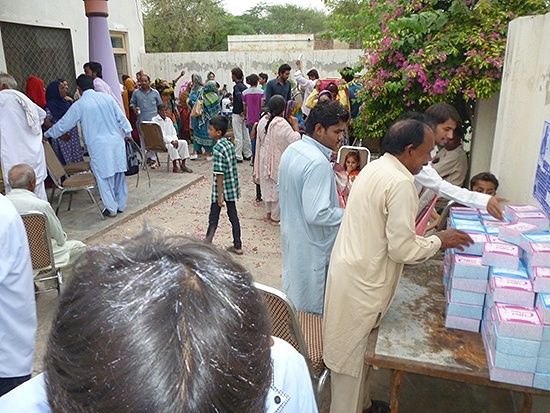
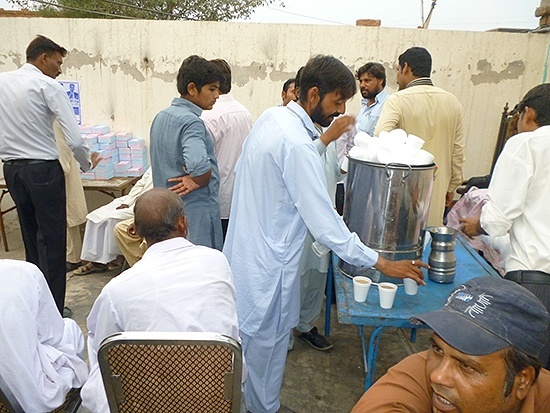
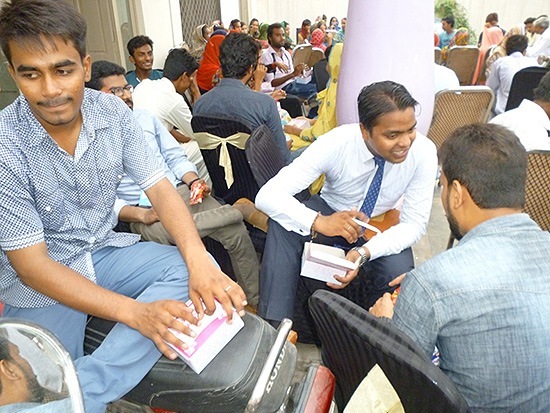
Pakistan Chapter’s Peace Day Celebration
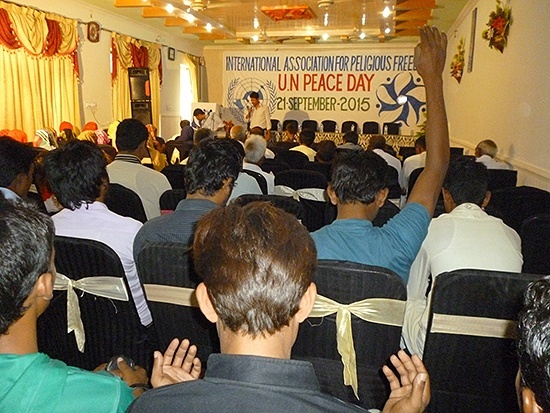
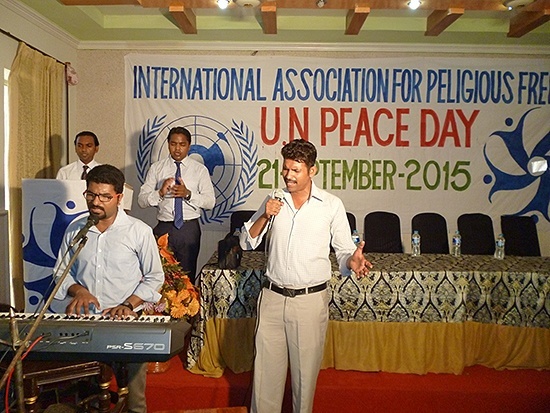
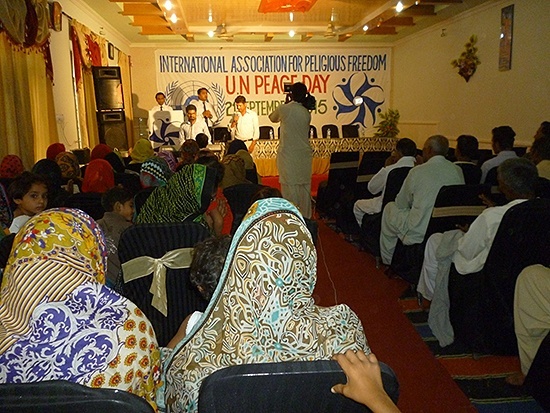
IARF Pakistan strives to promote peace and harmony among Islam and minority religions, including many Christians, Bahai, Sikh and others. Bahai and Sikh have proper relations and coexist well with Muslims, but there are tensions between the Muslim and Christian communities. We organize peace meetings with representatives of all faiths to discuss and promote tolerance and peace.
Please direct your inqueries to Dr. Jefferson Tasleem Ghauri at iarfpakistan[at]yahoo.com.
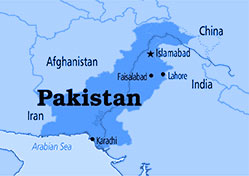
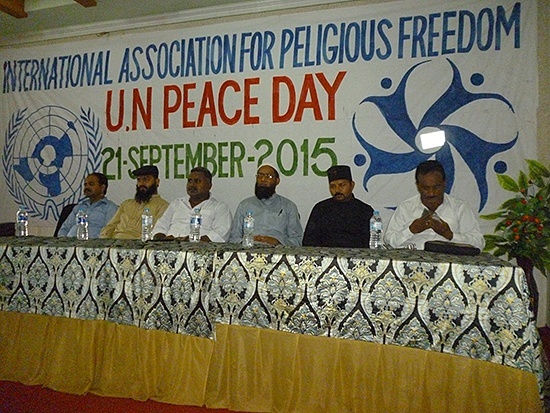
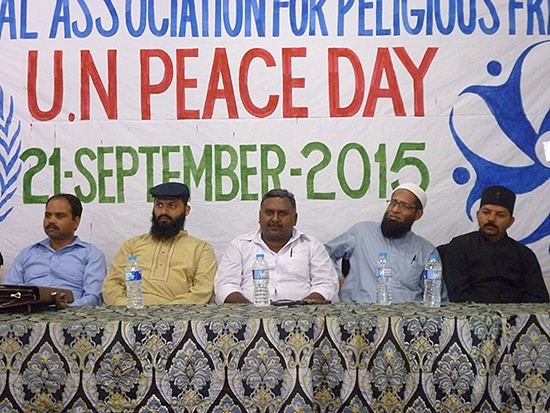
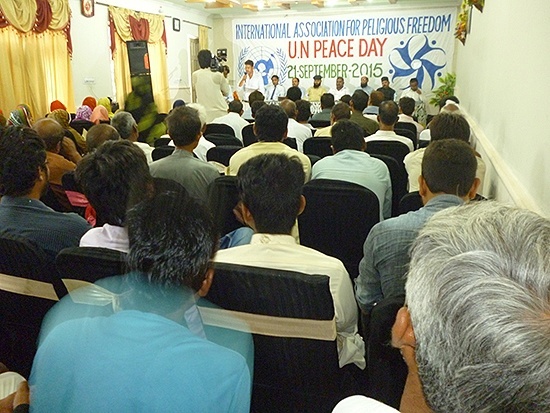
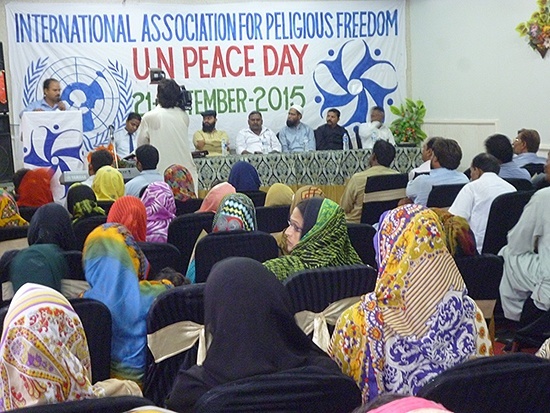
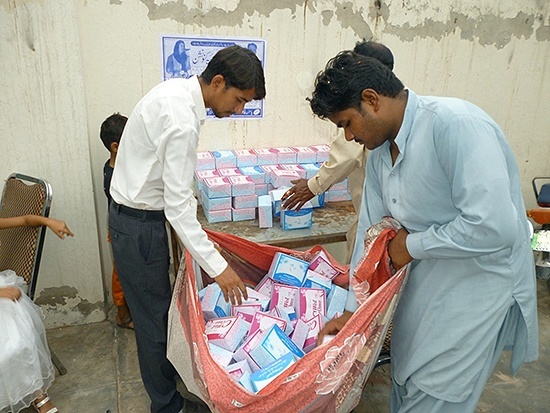
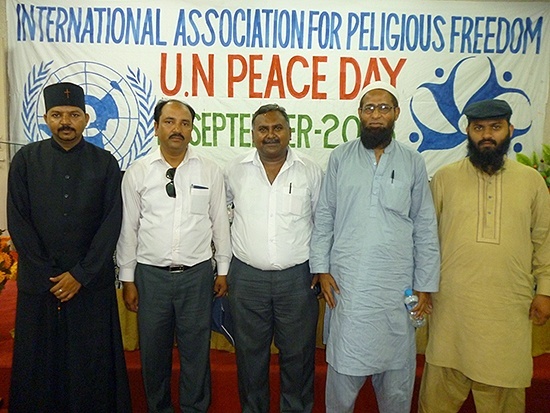
Celebrating the UN-established International Peace Day on 21 September, IARF’s Pakistan Chapter held a meeting with several speakers representing the countries diverse religious and spiritual traditions to share peace-building experiences and reflect together on how religions and denominations can contribute to creating and maintaining peaceful coexistence in a spirit of tolerance and dialogue, so much needed in that part of the world and many others.
The guests included:
- Fr. Amir Shehzad Lakshman (Orthodox Church)
- Rev. Victor Khayrat (Roman Catholic Church)
- Rana Muhammad Awais (Islam)
- Qari Mehtab Alam (Islam)
- Edwin Gul (Secular)