Statement by IARF Kenya Chapter concerning current events in the country
Our Kenya Chapter has released the following statement regarding the troubling events taking place in the country. We join them in prayers and hope for a peaceful conduct of elections and national reconciliation later on. You can read more about the situation in Kenya here.
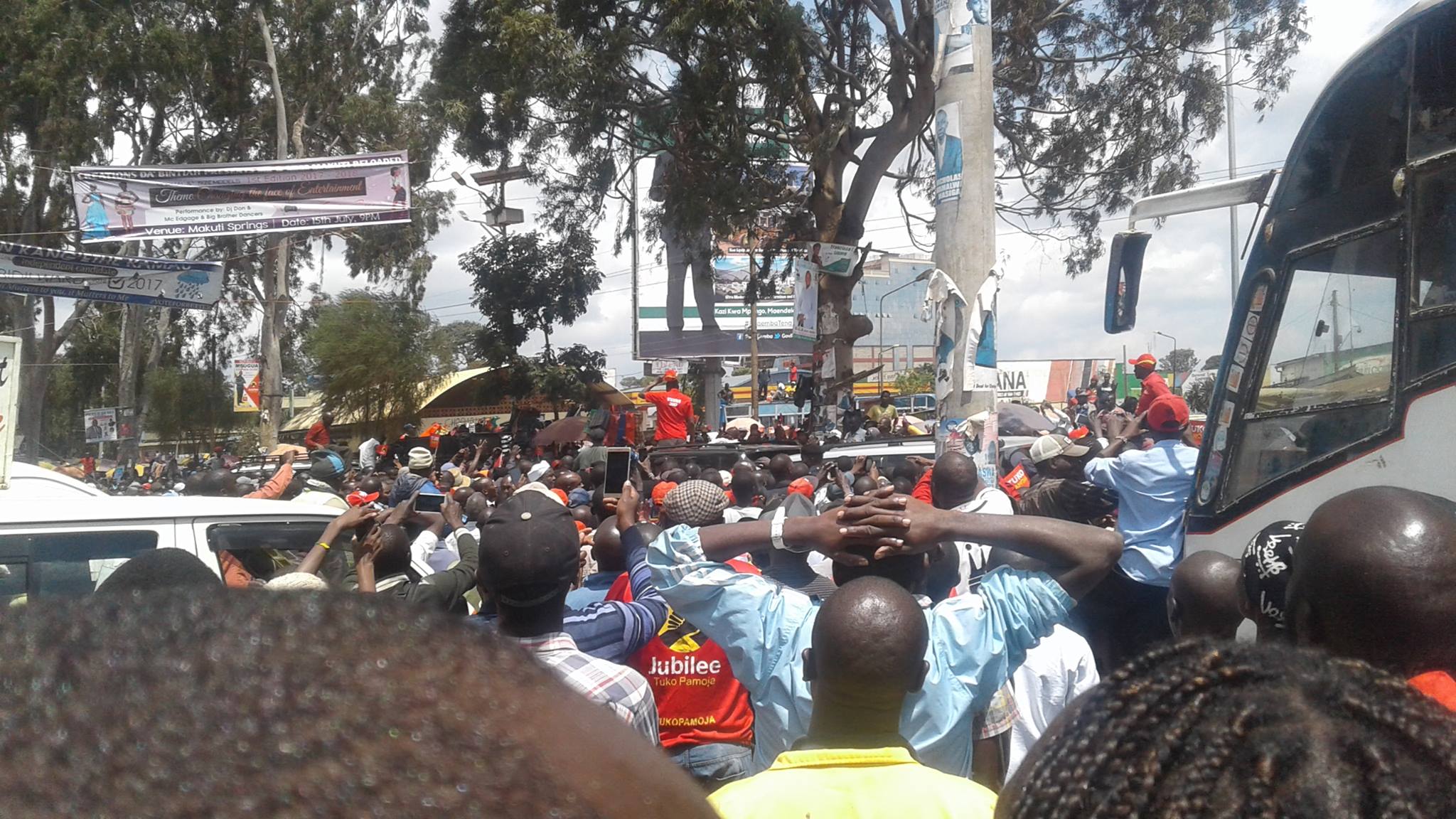
Protesters in Nairobi.
1st August 2017
The International Association for Religious Freedom (IARF) Kenya Chapter condemns in the strongest terms possible the continues killing of innocent prominent persons that are great developers for this nation. As the IARF community, we appeal to the president and the security agencies of this country to be sincere and tell Kenyans and the whole world why this is happening under their watch. These killings of innocent people or anybody else to serve the interests of some individuals should not be accepted under any circumstances. We are still mourning our lost heroes whom we laid to rest a few weeks ago, and similar events brining still more great losses continue to happen in our country. “Should we say hell has dropped from heaven to the earth called Kenya?” As an IARF community whose main agenda is to preach peace among the religions of the world, we strongly condemn the ’assassins’ who carry out such acts of cowardice. We strongly believe that this is not ‘ethicist war’, but one being waged by people who do not value human life, and who pretend to be rulers. We therefore ask religious leaders to come together and preach peace, and also to advise our community members to do the same. Let us share the sorrow of the loved ones who have been affected by these killings. We support the Kenyan people and its leaders, and commiserate with them during this time of loss, anguish and pain. We also call upon all Kenyans to exercise restraint and patience as we pray for peace for Kenya. We are also praying for security agencies who are currently investigating these killings which have taken our people hostage. We call upon all our religious leaders to ceaselessly pray for peace for Kenya, and also in other parts of the world. Lawrence Adera Secretary, IARF Kenya Chapter
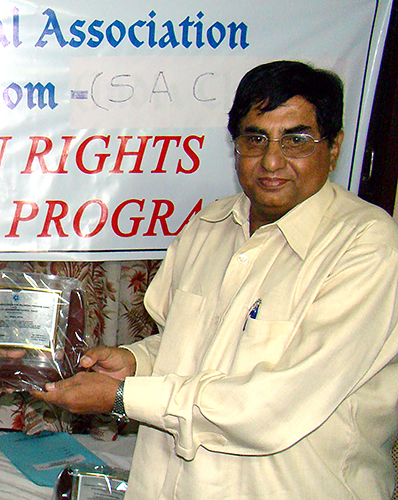
In memory of Adv. Shabeer Ahmed
Adv. Shabeer Ahmed, a long-time IARF member and esteemed activist, passed away this month after a short illness. We extend our condolences to his family, friends and colleagues, as well as the whole India Chapter of the IARF.
Adv. Ahmed was involved in the Mysore branch of the India Chapter since its establishment. He served as its chairman and secretary, and devoted over 20 years to developing IARF in India and towards attaining its goals of fostering interfaith dialogue and cooperation and promotion of respect for human rights.
He shared his talents and devotion serving at different posts: of Human Rights Education Facilitator, Vice President and Secreatry of the India Chapter, member of IARF’s International Council and Chairman of the former South Asia Coordinating Council, among others.
IALRW Interfaith Seminar in Malaysia
The International Association of Liberal Religious Women, a branch of the IARF and one of the oldest interfaith women’s organizations in the world (founded in 1910), co-organized an interfaith seminar in Malaysia on 7-8 February. The seminar brought together women from Malaysia, Yemen, Myanmar, Cashmere, Sri Lanka, Japan and Europe, and included two public sessions: “Plight of Domestic Helpers: Interfaith Perspectives” and “Conflict and War: Direct Accounts.”
Rev. Esther R. Suter, IALRW Vice-President from Switzerland, summed up the sessions as follows:
Domestic helpers is a crucial topic in Malaysia with
mainly women (“maids”) coming from Indonesia, often immigrants without a legal status or documents. Faith communities such as Muslim, Buddhist, Hindu, Christian (Roman-Catholic) Sikh and Taoist exposed the situation and presented their approach on a spiritual as well as social, moral and communitarian level.
Although the women gathered in Kuala Lumpur had a variety of approaches, presented separately, they managed to formulate firm recommendations to be addressed to the government, for training, support and protection of workers; regulation of agencies providing staff; and fostering right relationships with workers within families, respecting them as human beings.
…
The topic “Conflict and War: direct accounts” was presented by four IIUM students. They came from Burma, Yemen, Kashmir and Syria. With the exception of the student from Kashmir, they all presented conflict situations involving Muslims and another faith group and exposed the political conflict as an intentionally created religious conflict, which exploits religions for political and power strategies.
Hereyou can read the full report by Rev. Suter published at oikumene.org, and here her more detailed account of the stories told by four participants of the seminar: women from Myanmar, Yemen, Cashmere and Malaysia from protestinfo.ch (in French).
EME Conference 2017
[include-page id=”7964″]
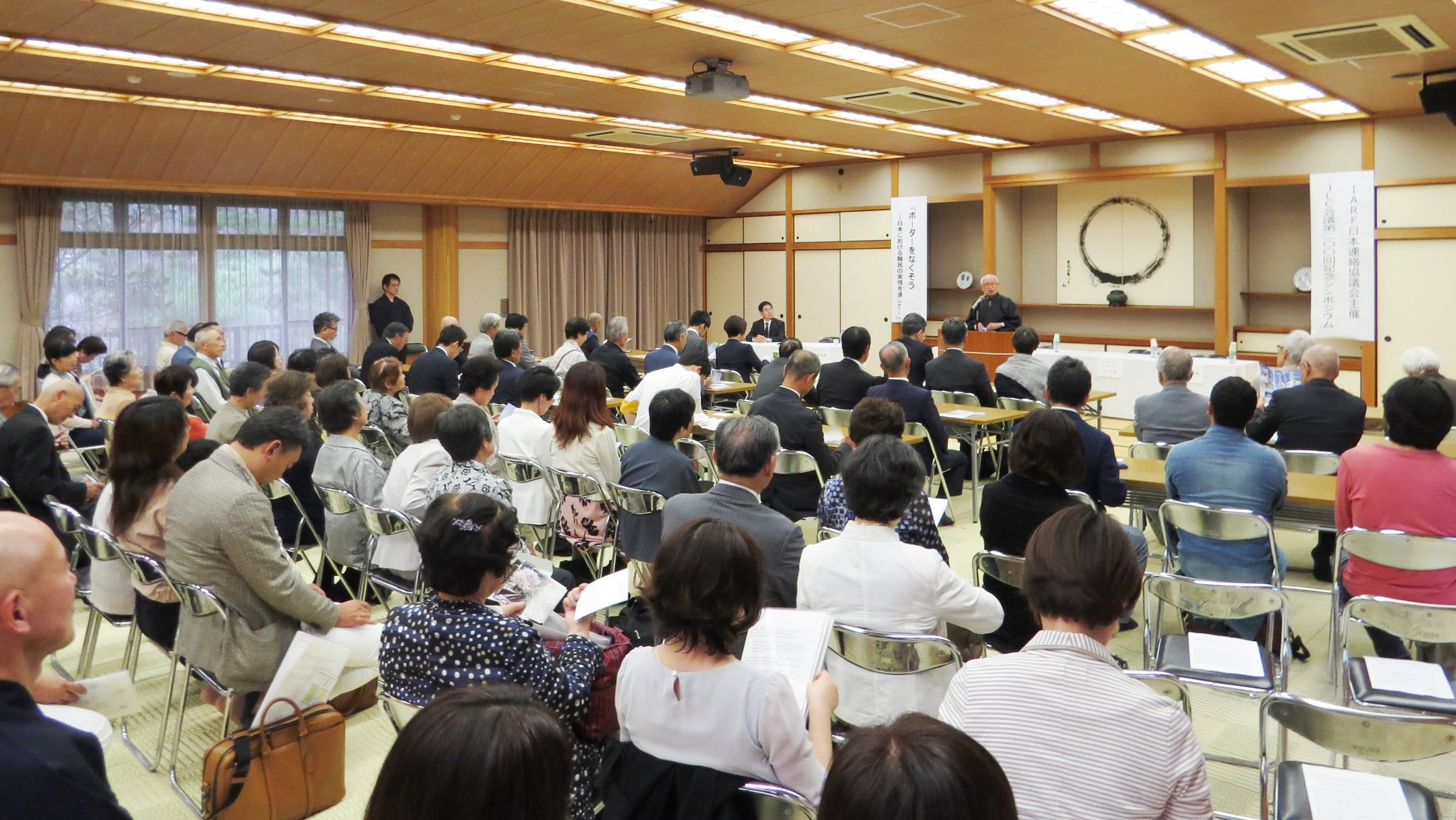
Japan: Memorial Symposium on the 200th JLC Meeting
Below you will find a report prepared by the Japan Liaison Committee of the IARF (you can read more about it here) from its most recent symposium.
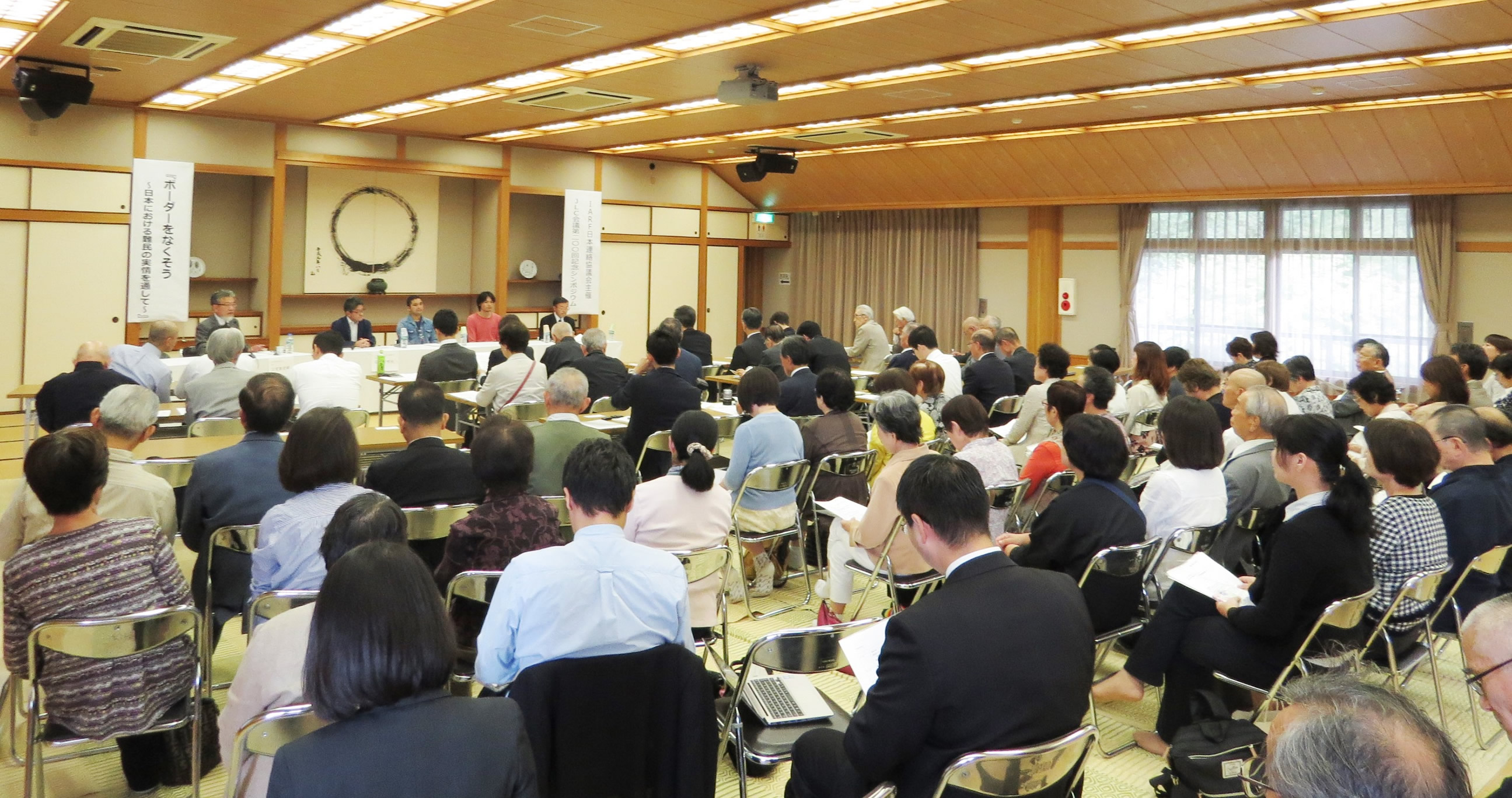
Date: 9th October, 2016 14:00-17:00 Place: Hall of Soryo, Ittoen, Kyoto Theme: Eliminate the Borders ~ Actual Situation of Refugees in Japan
Opening speech by Rev. Nishida Takeshi
A symposium in commemoration of the 200th JLC meeting took place at Ittoen, on a fine autumn afternoon. At 2.00pm, following welcome remarks by Rev. Toshifumi Takisawa of Mutsumi-kai, the MC of the day, Rev.Takeshi Nishida, the head of our host Ittoen, delivered an opening speech that gave a brief history of IARF and JLC. He enjoined the Symposium to be fruitful. Then, Ms.Peggy Kanada, Vice-President of IALRW, led the audience in an opening prayer. She offered a prayer for peace with the hope that refugees, and all victims of violence and social persecutions could go back eventually to their old homes, but meanwhile should be guaranteed basic human rights (including jobs and education) to maintain hopes for the future in their host countries.
Session 1 “Actual Situation of Refugees in Japan”
The Program consisted of two sessions.
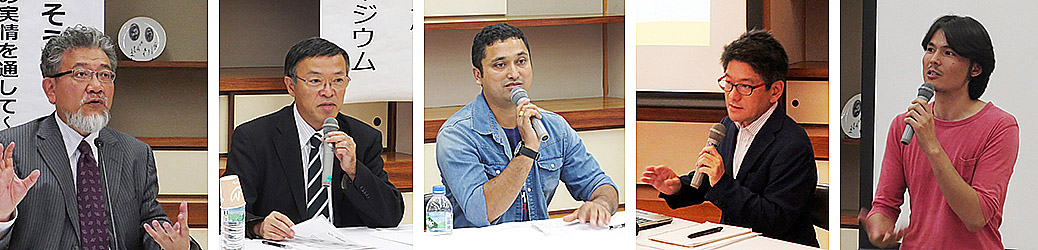
In the first session, three speakers delivered presentations aimed at showing the present situation of refugees in Japan. The first speaker was Mr.Hiroaki Ishii, the Executive Director of Japan Association for Refugees (JAR). The second one was Mr.K.C.Deepak, a refugee from Nepal, accepted to residency in Japan. And the last was Mr.Eedak Mohammad Reza, who has escaped from Afghanistan and is seeking permission to stay.
1) Mr. Hiroaki Ishii
The first speaker was Mr.Hiroaki Ishii, the Executive Director of JAR. He gave a brief overview, especially about the legal system concerning refugees in Japan, using Power Point slides. He referred to different kinds of procedures/requirements a refugee must meet when arriving in Japan, what kind of assistance they need, and what JAR is doing for help them. He also mentioned that ‘nanmin’ (‘refugee’ in Japanese) is recently used not only in an original meaning of the word (a person who has escaped from their own country due to politics, religious persecution, war etc.) but also in a broader sense (any person confronting difficulties in living in their home countries, such as millions of people who cannot return to their residential area by public transportation’s trouble caused by natural disaster, or people who have no fixed address which was triggered by disemployment and family infighting, etc.). This larger conception of ‘nanmin’ makes it difficult to understand the real refugee issue.
2) Mr. K.C. Deepak
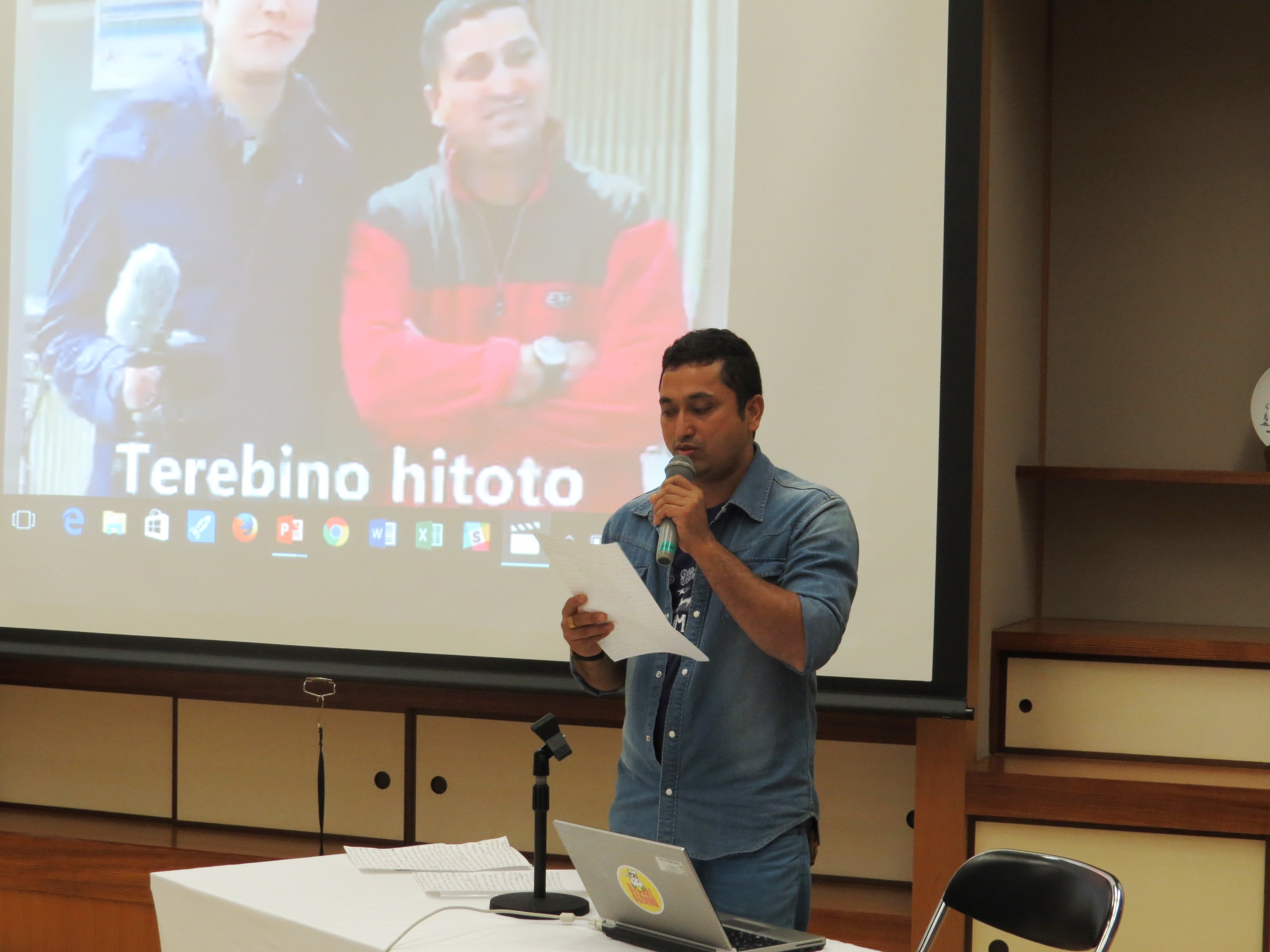
Presentation by K.C. Deepak
Mr.Deepak told the story how he came to Japan as a refugee, and how he lives in Japan, by explaining many pictures in fluent Japanese, which he learned after he came to Japan.
He and his family had worked for the King of Nepal, so they were persecuted by Maoist antigovernment forces. He escaped to Japan in 2004. For the first several years, he had difficulty finding food and shelter and it took 4 years of applying to be given refugee status by Immigration Authorities. His leg was hurt by torture from Maoists, but he was not able to access any medical care at hospitals in Japan at first because he could not get health insurance coverage without receiving refugee status. He would have had to pay prohibitively high medical expenses. Thanks to many people’s support, he found a place to live in Toyokawa, Aichi Prefecture. After he was given proper status, he was allowed to work and could go to any hospital using national health insurance (but has suffered permanent damage to his leg).
In 2015, a big earthquake hit Nepal and caused huge damage. He stood often in front of Toyokawa Station with his friends to ask for donations for the earthquake victims. Bonding over this, he made a community with other Nepali in the area.
The organization has grown to 82 members now, and they are committed to volunteer activities such as cleaning local areas, or aiding Japanese victims of disasters.
3) Mr. Eedak Mohammed Reza
Mr. Mohammed Reza was born an Afghan in a refugee camp in Iran, and got back to Afghanistan at age 10. Then he lost his parents at age 15 and had to take care of his 3 younger sisters. He worked as staff for the Japanese NGO called “Lala Association” which helps orphans in Afghanistan. This work led Taliban enforcers to label him ‘Kaffir’ (= one who has apostatized from Islam). They suddenly attacked and jailed him. Taliban allows only Muslims to exist in Afghanistan. When someone helps Kaffirs, they are deemed to be the same non Muslims. Mr.Reza emphasized that he is Muslim. However, he also said that all the religions are equal with every religion having moral precepts. Despite his Muslim faith, he was attacked and driven to leave his homeland in fear for his life.
When he arrived in Japan, he was really uncertain about his future. Although some people advised him that it would be very difficult to be given official refugee status in Japan, he felt he had no choice but to apply. It has been rejected already twice, but with nowhere else to go he has re-applied. He also confronted many difficulties of living in Japan: language, jobs, lodging and so on. But he said that he was lucky to be able to get support from the people around him. Now he studies at Doshisha University in Kyoto, and is preparing for further study in graduate school.
He emphasized that he never wanted to be a refugee. He thinks that getting refugee status is not the way to be happy for him, but he has no other options. Japan is a livable and peaceful place but it is not his own country. His sisters, of whom he has sole responsibility, cannot come to Japan. He eagerly desires to find a way to return his homeland and live with his family someday in the future.
Session 2 Panel Discussion: “Eliminate the Borders – Actual Surroundings of Refugees-“
After having a tea break, the Second session, a panel discussion themed on “Eliminate the Borders- Actual Situation of Refugees-“, started.
The Rev. Masahiro Nemoto, the special appointed executive for Inter-religious Cooperation of Rissho Kosei-kai, was invited as a panelist in addition to the three speakers of the first session. An energetic discussion was conducted by the moderator, Rev.Yoshinobu Miyake, Superior General of Konko Church of Izuo.
The Rev.Nemoto expressed his thoughts as following:
‘Through my longtime involvement to support refugees, I always consider “refugees” as “my family”. I want to help them the same as a family member living together. Accepting them as a family, what can “we (an organization)” or “I (individual)” do for them as necessary aid until the time comes when they will be able to go back to their homeland? I hope those gathered here today, will develop your thinking on this issue, and share it with others’.
Panel discussion
After explaining the vague concern of the general public that some terrorists may enter into the country with refugees, Mr.Ishii pointed out the incorrect nonsense of this fear. It is much easier to enter the country as a tourist than as a refugee if a terrorist should want to come to Japan. Further, in Europe, “home-grown” terrorists are more serious problem than “visitors.” In Japan, it seems that our political leaders hesitate to make decisions to admit more refugees because of this tiny perceived risk. On the other hand, Japan can be considered a safe and hospitable country where people are kind to the others. He hopes to exploit this advantage to help refugees.
Rev. Yoshinobu Miyake, the moderator of the symposium, asked Mr.Deepak about the situation of communities of Nepali in Japan. Mr.Deepak answered that he does not know about other Nepali communities in Japan, but since he launched his own Nepali community organization in Toyokawa, where he lives, he can point to their responsible behavior and civic commitment to volunteer activities in their locality.
Rev.Miyake pointed out one big flaw of Japanese immigration rules about refugees, that is to say, that refugees who came to Japan due to the persecution only by their government, are acceptable but those who were threatened by rebel groups or guerrillas are not recognized as a refugees at the first application stage. Then he asked Mr.Reza about the current situation of Afghanistan. Mr.Reza replied, “It is too complex to describe in a short summary. There occurs every possible type of violence, conflicts and accidents, and these bad events continue. This complexity stems from the rough rapprochement process between the current Afghani government and the Taliban that ignores the responsibility of perpetrators and the bloodshed of the recent past.
In reacting the questions from the audience, discussion was ongoing about how can we break the cycle of hatred, or what kind of educational approach is required for the future generation.
In conclusion of the QandA session, Mr.Ishii expressed his gratitude to religious groups which have offered great support since Japan accepted refugees from Indochina 40 years ago, and his thoughts about more possible support from the private sector. For this, it is necessary to make the public understand the issue, and to make them feel that to assist refugees is our “responsibility”, no a “burden”. He also hopes religious people will foster an atmosphere that dissolves the negative views about refugees.
Mr.Reza said that he sometimes feels that some people look down on refugees, and it makes him very sad. Even if there are differences of languages, nationality or cultures, we have the same worth as a human. He appealed that they should know that anyone who is in such a situation is only a refugee because of unavoidable reasons.
Concluding the session with a big applause, Rev. Takisawa announced some information about the next IARF World Congress.
Then Rev. Kosuke Shiba, a priest of Tsubaki Grand Shrine, took the rostrum as the representative of IARF Japan chapter and led the audience in a closing prayer. It is ‘arigatai’ (thankful, literally ‘hard to be happening’) that we can live in a country at peace. Please join in a prayer for the peace, not only for Japan, but also for other countries.”
At the end, the Most Rev.Mitsuo Miyake, Chief Priest of Konko Chuch of Izuo, who gives a strong support to the IARF as vice president, delivered a closing address. He looked back on the 32 year path of JLC to come to this 200th regular meeting with deep feeling, and expressed his gratitude for the efforts of his predecessors. He directed us to think of people who have no chances to study, or even to lead lives safe from dangers. He expressed thanks for this opportunity to learn about refugees, and took a vow that the JLC and each member of us will contribute for mutual prosperity. Then he closed his speech with a word of thanks.
Just before the Rev. Takisawa wrapped up the session, the Rev. Nishida introduced Ittoen briefly for those who visited here for the first time. The program of a fruitful symposium was complete.
*Number of Participants: 93
Breakdown:
Rissho Kosei-kai: 24; Konko Church of Izuo: 20; Mutsumi-kai: 7; IARF Japan Chapter: 12; IALRW 1, Ittoen: 26, Press: 3.
British Chapter meeting: EME Conference and Week of Prayer for World Peace
Watch our “Conference at a glance” video
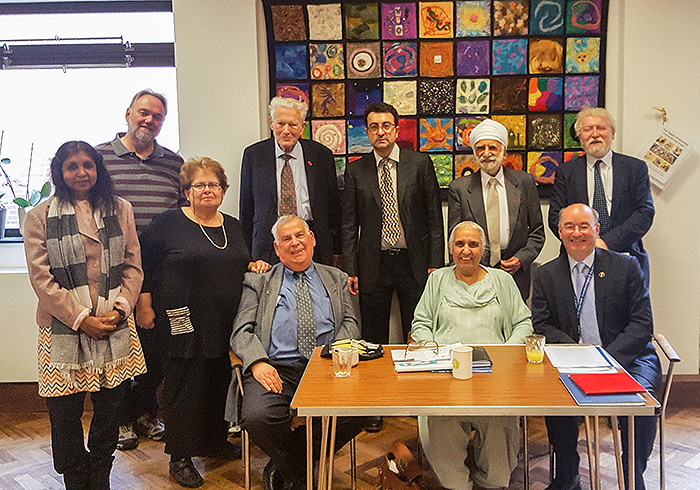
On Thursday 20 October, at Essex Unitarian Church in Kensington, London, the British Chapter and the Peace Commission of the IARF hosted a report on the August Europe and Middle East IARF Conference in Macedonia, Religion and Conflict Prevention.
Speakers were former IARF International Council member Dr. Shlomo Alon from Israel and Derek McAuley, chair of IARF Europe and Middle East. Hereyou can learn more about the conference.
After a tea break, participants sat in a circle and each did a reading from the 2016 Week of Prayer for World Peace, 16 -23 October.
The British Chapter Annual Meeting will be held at 1 PM, Saturday, 10 December 2016 at Essex Hall. IARF President, Wytske Dijkstra, will be present and the speaker will be John Kinahan.
(Photo courtesy of Rev Sarah Tinker)
EME Conference 2016: Report
[include-page id=”7782″]
IARF Kenya Chapter: Mission to West Pokot
Below you will find a short report from our Kenya Chapter about their recent activities.
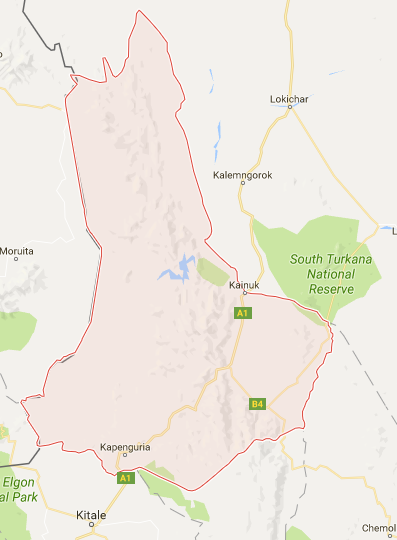
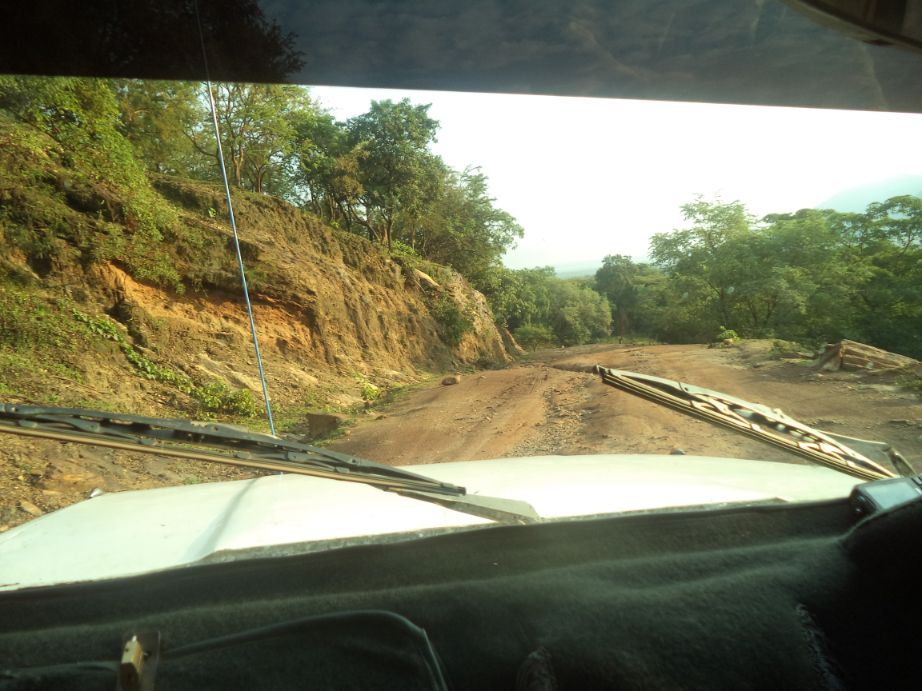
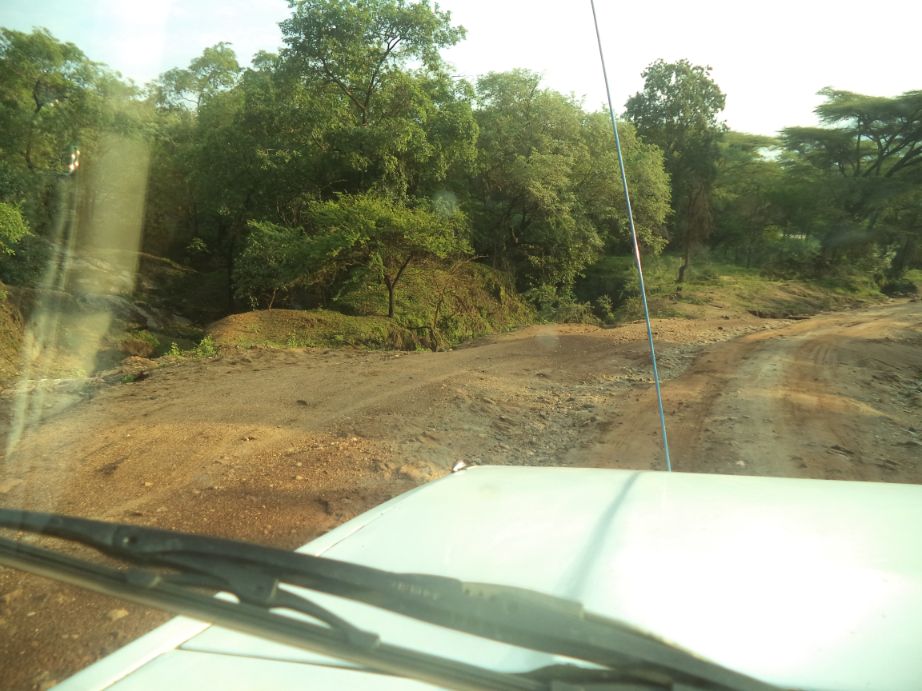
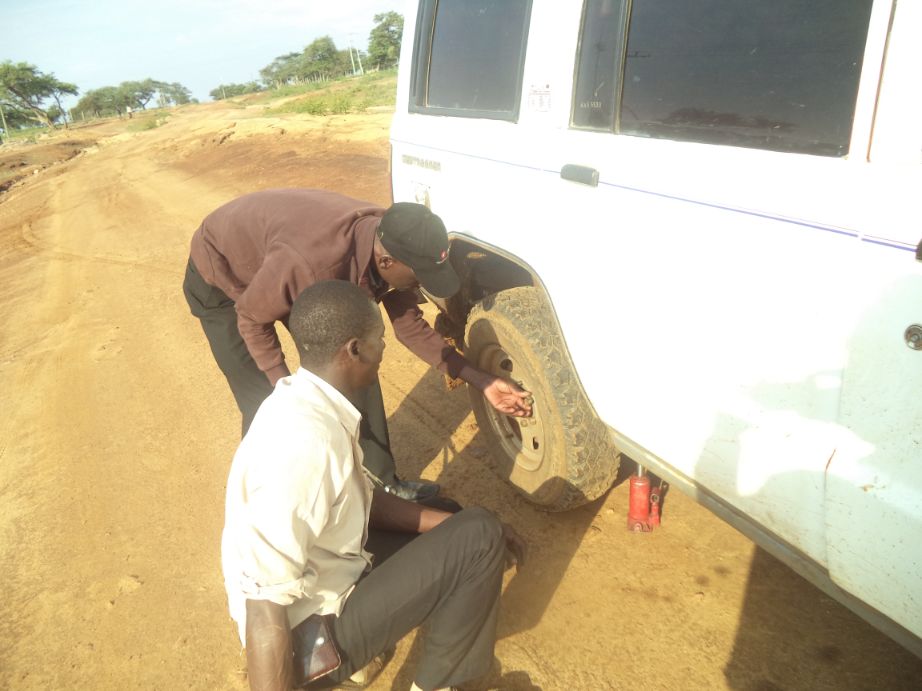
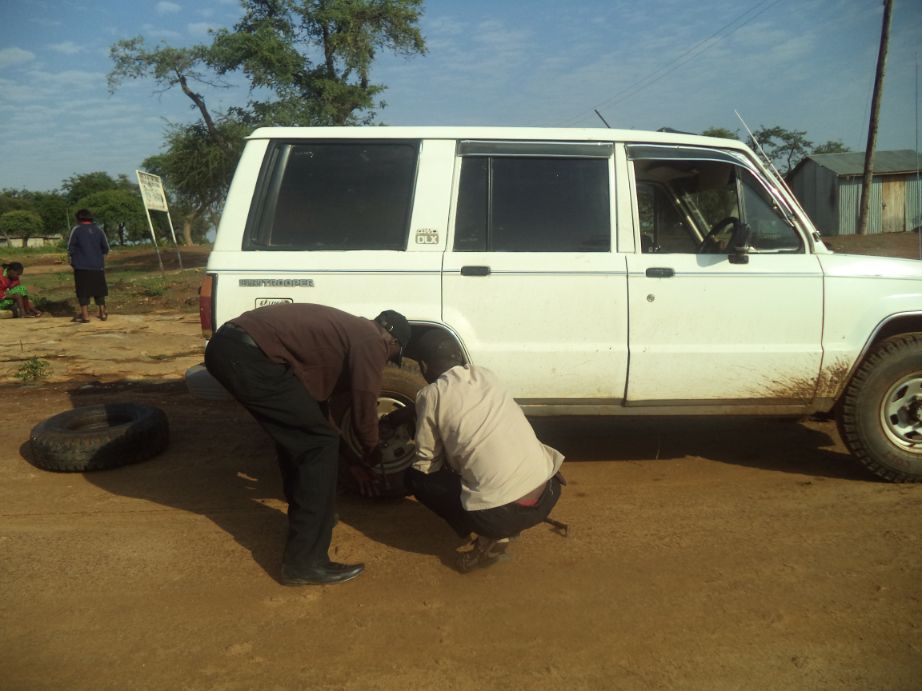
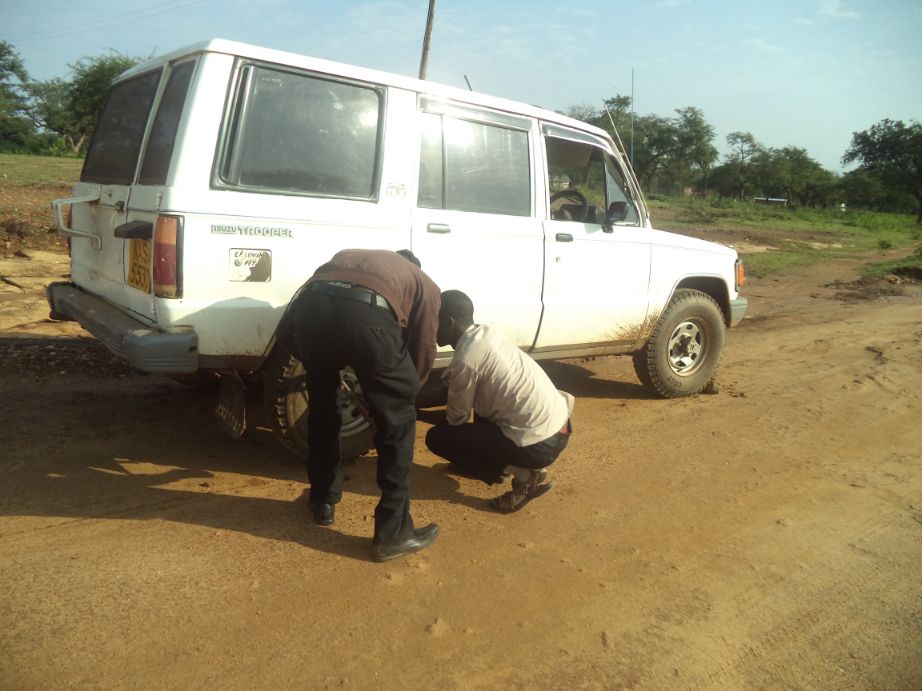
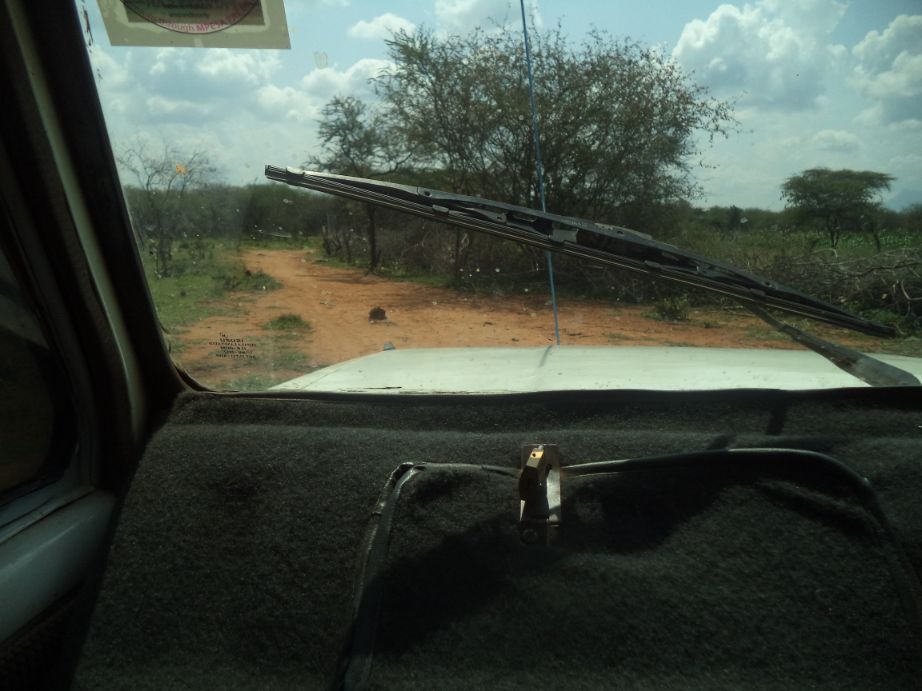
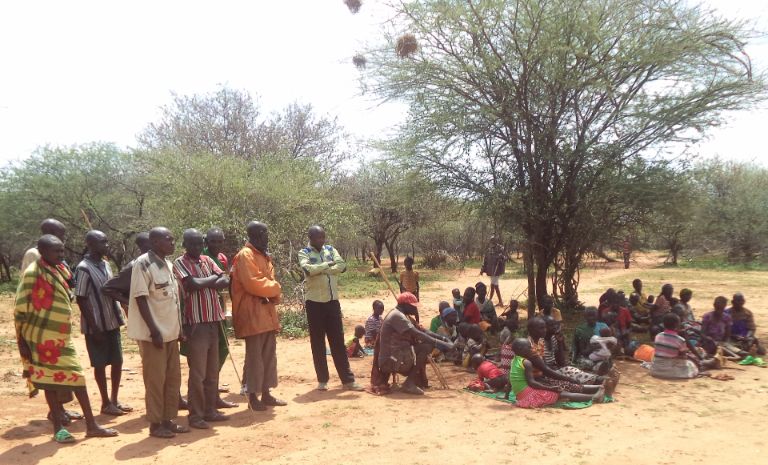
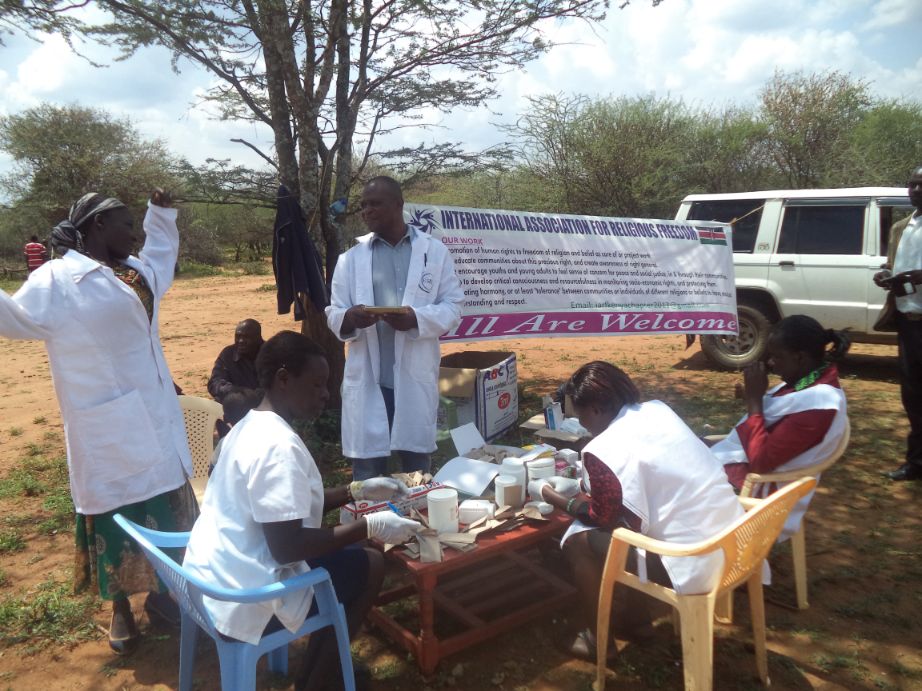
Our two-day travel for the interfaith, peace and human rights education program to West Pokot, Kenya began on 1 June. West Pokot lies almost 700 km or about 400 miles away from Nairobi, the Capital city of Kenya.
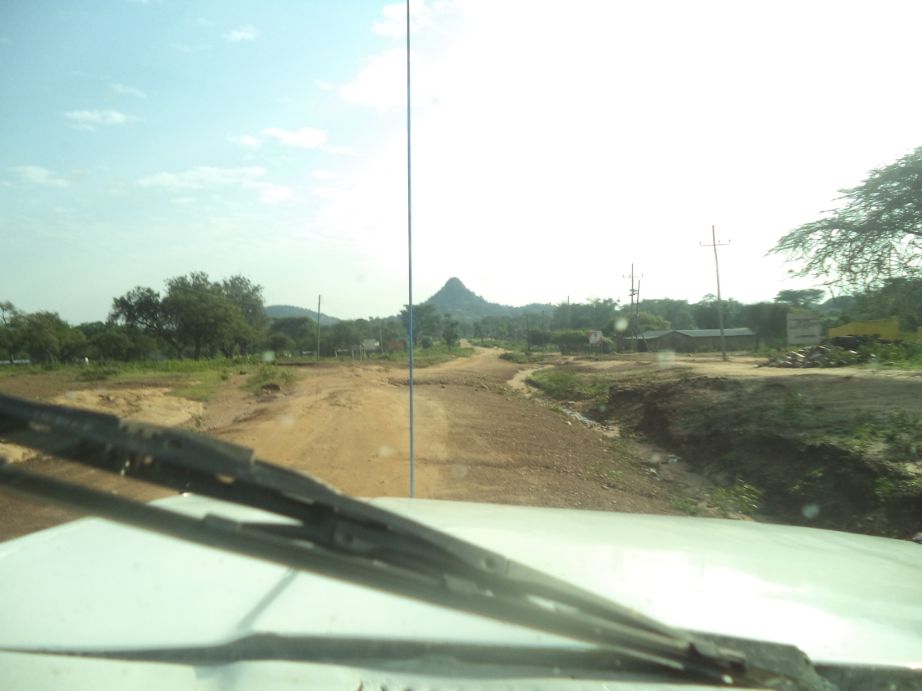
The trip was initially scheduled for three months ago, but we were curtailed by heavy downpour as a result of which the roads were damaged and some bridges linking this area cut-off. Poverty and illiteracy are alarmingly high in this region. There are no houses, no shopping centers, only scattered mad houses / shanties in bushy surroundings. It’s a densely populated region and people here solely depend on cattle and goat rearing. They dress by wrapping themselves in special cloth garments of a particular color.
It’s a very volatile region experiences a lot of fighting and inter-tribal clashes, cattle rustling being the main problem. There are only a few religious organizations which are heavily traditional, speak only the local dialect and are very weary of strangers, particularly vehicles. They are used to wars so when having a meeting women sit at a separate area while men scatter themselves standing each with a weapon in hand as you will see in some of the pictures here. Pointing a camera at them is not tolerated but we managed to take some shots surreptitiously.
We found agreement, however, and had a good time with them. Our message was well received and we managed to get hold of opinion leaders and key people in peace building and human rights awareness program who, we hope, will continue to propagate the message to many.
The launch of our peace programme in these community shown how powerful IARF can be in bringing people and communities together.
We are working right now on a new idea for interfaith and human rights education days all over the 47 counties, especially where different religions coexist, as the crucial time for this country 2017 election is approaching.
We natured the community with a slogan “where there is peace, there is food, good school, good health facilities and there is a development”
Peace is about you. By marking the day you can make a real difference. Now is the time to start acting!
Lawrence Adera, Chapter Secretary
l;
In memory of Rev. Dr. Orlanda Brugnola
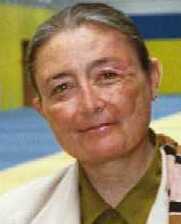
Rev. Dr. Orlanda Brugnola (1946-2016)
The IARF has lost an exceptional member with the passing of Rev. Dr. Orlanda Brugnola (1946-2016) who died on 24 February. She was a human rights activist, advocate of interfaith dialogue, a Unitarian minister and a scholar. Her involvement with the IARF began many years ago; she was active in our American Chapter and represented us at the UN in New York. You may get an insight into the inspirational personality, life and beliefs of this “technician of the sacred”, as she called herself, by visiting her website, www.orlandabrugnola.com.
Doris Hunter from our American Chapter, who knew Rev. Orlanda for many years, has written the following commemorative note.
Members and Friends of the International Association for Religious Freedom were shocked to hear of the sudden death of the Rev. Dr. Orlanda Brugnola. She was a long time friend and supporter of IARF as well as IALRW serving on the board of the US Chapter, organizing workshops and giving lectures for international IARF Congress and for the US Chapter. As a Unitarian Universalist Minister she carried this love for world religions and her commitment to interfaith dialogue and understanding to local churches and to her students at John Jay College in New York City. She was a Renaissance spirit producing works of art, poetry and creative ideas designed to change the world. Orlanda’s interests were boundless and reflected not only an amazing intellectual ability but also an appreciation for the rich diversity of human culture. Above all, Orlanda was a faithful friend to everyone she met. Her presence spread grace to all who knew her. This world of ours is a better place because of her amazing life. Doris Hunter
EME Regional Conference 2016: Programme and Registration
The quadrennial conference of the EME, IARF’s Europe and Middle East region, will be held on 22-25 August 2016 in Tetovo, FYR Macedonia. It will be hosted by the Bektashi Community and the Evropa Centre for Human Rights.
The theme will be Religion and Conflict Prevention.
You will find the programme and other details here. You can register online hereor fill in this form and submit it to our Administrator at [email protected].
Your Privacy & Consent
We use cookies and local browser storage to keep you securely logged in and maintain your preferences. No third-party trackers or ad networks are used. Read our Privacy Policy.
Strictly NecessaryAlways Active
Keeps you logged in and protects forms from submission forgery. Necessary for account operation.
Usability & UI PreferencesOptional
Remembers details like chat widget coordinates and records if you have voted in a poll to prevent repeated popups.
JavaScript Core PlatformAlways Active
JavaScript is required to render the interactive app, direct messaging, offline caching, and calendars. No tracking libraries are loaded.
Why do we use JavaScript?
Our platform runs as a modern, interactive single-page application for logged-in members. We connect securely to socket.iarf.net via WebSockets for instant message delivery and online status indicators.
Where does my data go?
All data belongs exclusively to IARF and is stored on our secure VPS located in the EU. We do NOT run Google Analytics, Facebook Pixels, or other tracking code. External requests are only made to fetch FontAwesome icons and Google Fonts from public CDNs to display symbols and typography.
What happens offline?
We install a Service Worker to cache layout elements locally. No personal information is stored inside the local cache; it only speeds up navigation and enables basic offline views.

 the whole India Chapter of the IARF.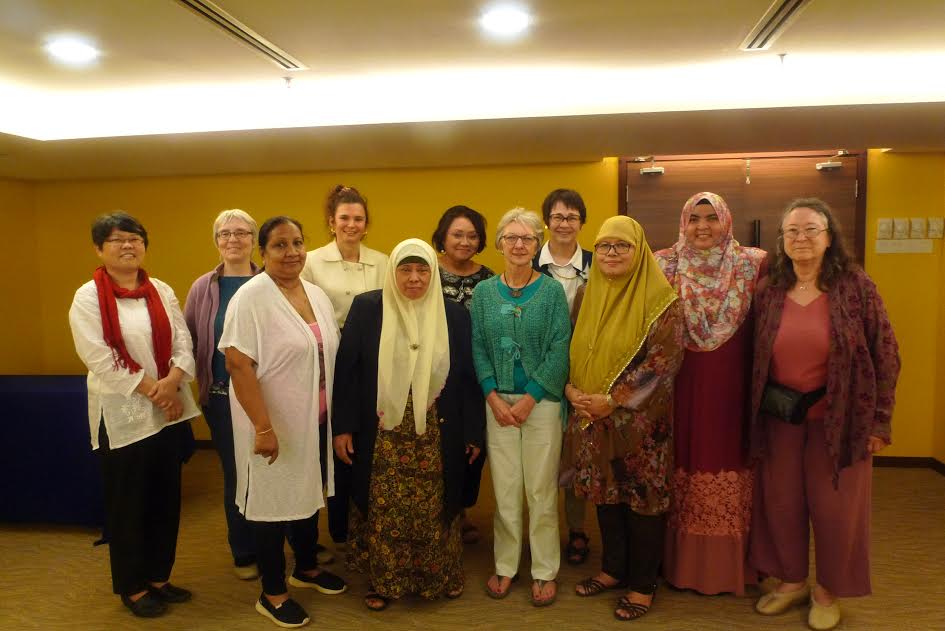
Poverty and illiteracy are alarmingly high in this region. There are no houses, no shopping centers, only scattered mad houses / shanties in bushy surroundings. It’s a densely populated region and people here solely depend on cattle and goat rearing. They dress by wrapping themselves in special cloth garments of a particular color.