This May, eleven IARF members from the US, UK, Netherlands, Switzerland and Germany undertook a spiritual and religious journey of two weeks to Japan. Kathy Matsui, member of IARF’s Japan Chapter and one of our UN representatives, accompanied us on the trip, supported for parts of it by Yayoi Kimura of Ittoen and Ritsuko Ushio of the Konko Church.
In Tokyo we were received on the first day by the Buddhist organisation Rissho Kosei-kai, in whose pilgrimage resort we stayed in Tokyo, the Japan Chapter and the Japanese section of the International Association of Liberal Religious Women (IALRW), with a tour of the premises, a tea ceremony, traditional garments, and several presentations.
In Hiroshima, local Chapter members had lunch with us following an impressive visit to the Peace memorial and memorial museum. We spent considerable time in Kyoto and Osaka, visiting amongst others our member organisations Ittoen and the Konko Church, the Aoi Matsuri procession, and having lunch with IARF’s Japan Liaison Committee, alongside visits to several Buddhist temples and shrines. Our thanks also go to our member organisations Mutsumi-kai and Shitenno-ji for their warm welcome and their kind hospitality.
The Ittoen community, due to its location in the hills and its philosophy of humility and servitude, made a lasting impression. Our day at Tsubaki Grand Shrine, in the mountains east of Osaka, taught us about the nature of Shintoism, explained to us in a prayer as adapting to the natural order of things and seeking harmony, and in a way complementary to Buddhism. Koyasan offered two days of meditation and contemplation, with many Buddhist temples, in a beautiful mountainous setting south of Kyoto, where women, until far in the twentieth century, were not supposed to disturb the monks. We stayed in a Buddhist monastery, with vegetarian meals, sober, but delicious.
All participants were united by their sincere interest in classic and modern Japan and their openness to its spiritual traditions, which showed not only during the various encounters with our hosts but also in the talks amongst ourselves. We extend our thanks to all in Japan who made this visit possible. It has shown that enabling personal growth through exchange and common celebration is one of the most valuable aspects of IARF, and that we should undertake more such exchanges.
Use arrows or swipe to navigate. Pinch, double-tap, scroll, or use the controls to zoom.
Unitarian Beginnings and Heritage in Poland: A Historical Pilgrimage
Dates: May 20–26, 2026 |
Location: Poland |
Organizer: Polish Unitarian Society & Partners
We are pleased to share a unique opportunity for IARF members—particularly those in Europe—to explore the deep roots of liberal religion. This historical study tour is hosted by leaders from the Polish Unitarian Society, a member group of the IARF, in collaboration with Unitarian Universalist ministers from the United States.
Discover the “Heartland” of Religious Dissent
Join a journey back to the 16th century, visiting the Unitarian “heartland” where the Polish Brethren (also known as Socinians) established congregations that openly challenged dogma, rejected infant baptism, and championed pacifism. These events occurred eight years before similar movements in Transylvania, making this a crucial site for the history of religious freedom.
The influence of the Polish Brethren was monumental for the development of liberal religious and political thought in Holland, England, and America. The tour will focus on Raków, the intellectual center where the famous Racovian Catechism was printed in 1605.
Itinerary Overview
This pilgrimage moves from the modern capital to the historic countryside, ending in the royal city of Kraków.
WarsawDay 1: May 20
Afternoon arrival in the capital. Orientation and welcome dinner with the group.
Warsaw → The CountrysideDays 2-3: May 21-22
Meeting with local Unitarians and historian Prof. Stanisław Obirek. Departure by chartered bus to the historic heartland.
Raków & SurroundingsDays 4-5: May 23-24
Based near Raków, we visit worship sites of the Polish Brethren—some restored, others in evocative ruins.
KrakówDays 6-7: May 25-26
Tour concludes in the royal city. Visit Wawel Castle, the Old Town, and WWII history sites. Closing dinner.
Departure is scheduled for the morning of May 27.
Cost & Logistics
The tour is led by Rev. Jay Atkinson, Rev. Roger Jones, and Rev. Kevin Tarsa, alongside local Polish lay leaders Justyna Borusińska and Jarosław Wajchert.
Cost: Approx. $1000 USD (double occupancy) / $1200 USD (single). Includes lodging, local transport, breakfasts, and some meals. (Airfare not included).
Financial Aid: Scholarship aid is being explored for seminarians and early-career ministers.
Registration & Contact
For questions, specific payment details, or to register for the tour, please contact the lead organizer, Jay Atkinson.
On December 13, 2025, a gathering titled Sammilana was held in Bengaluru to mark the 125th Anniversary of the International Association for Religious Freedom (IARF) and the 25th Anniversary of the United Religions Initiative (URI).
The event was organized by Dr. C.N.N. Raju in collaboration with Seshadripuram College and the Karnataka State Gandhi Smarak Nidhi. To commemorate the occasion, a special booklet was released featuring messages from various contributors, including a reflection by IARF Past President Wytske Dijkstra on the challenges and value of the organization’s 125-year journey.
“The IARF established itself in places and countries where the original ideas of liberal religiosity were virtually unknown for cultural reasons. For the organization, this was a hazard. Without a uniting principle, the IARF was in danger of falling apart. It didn’t!”
— Wytske Dijkstra, Past President IARF
Interfaith Statement Supporting Trans, Intersex and Nonbinary People
On the International Transgender Day of Remembrance, the International Association for Religious Freedom welcomes the statement on the rights of Trans, Intersex and Nonbinary People issued by the Unitarian Universalist Association, our member group, in coalition with several faith groups, including the United Church of Christ, the Episcopal Church and other Christian denominations, Union for Reform Judaism and other Jewish organisations, and others.
“…there is a disgraceful misconception that all people of faith do not affirm the full spectrum of gender – a great many of us do. Let it be known instead that our beloveds are created in the image of God – Holy and whole.”
Statement Supporting Trans, Intersex and Nonbinary People
As an organisation uniting free and liberal religious communities and individuals, we advocate religious freedom as first and foremost freedom within religion, a freedom to live one’s life creatively and without coercion in a shared experience of the divine and a shared pursuit of justice. We acknowledge the value of the prophetic voice of progressive religion and humanistic philosophy as many still suffer discrimination, alienation, vilification and ridicule, and, in many parts of the world, may lose their freedom or even their lives for failing to conform to social norms, even though they inflict no harm on others.
Regrettably, religion often plays a role in providing justification for condemning and persecuting them, and inflicts great spiritual suffering by proclaiming their identity, their experience and expression of humanity as sinful and abominable in the eyes of the divine. This makes voices like these, where people of faith come together to speak both to society at large and to those often excluded by religion, not mere statements, but acts that have the power to change lives. By offering a different perspective and testifying to the healing, transformative power of faith, we can make a difference, just as we strive to do so in the daily lives of our communities.
Spring 2026 IARF Study Tour to Japan
One valuable aspect of IARF is the opportunity for members from different countries, religions, and cultures to meet and inspire each other. IARF is now planning a tour to Japan for spring 2026 to study Japan’s religious and spiritual traditions, with a particular focus on those connected to our member organisations.
The programme will include meetings with various groups associated with our members and member organisations, as well as activities commemorating the end of World War II and the atomic bombings of Hiroshima and Nagasaki.
Courses from IARF’s online Free Religion Institute, such as the one announced in this newsletter, will be one way to prepare for the study tour. Plans are still in their early stages, but if you are interested, please send an email to [email protected]. This also applies if you have specific suggestions or wishes for the tour (for instance, a particular theme) or if you would like to be part of the preparatory committee. We will keep you informed through future newsletters.
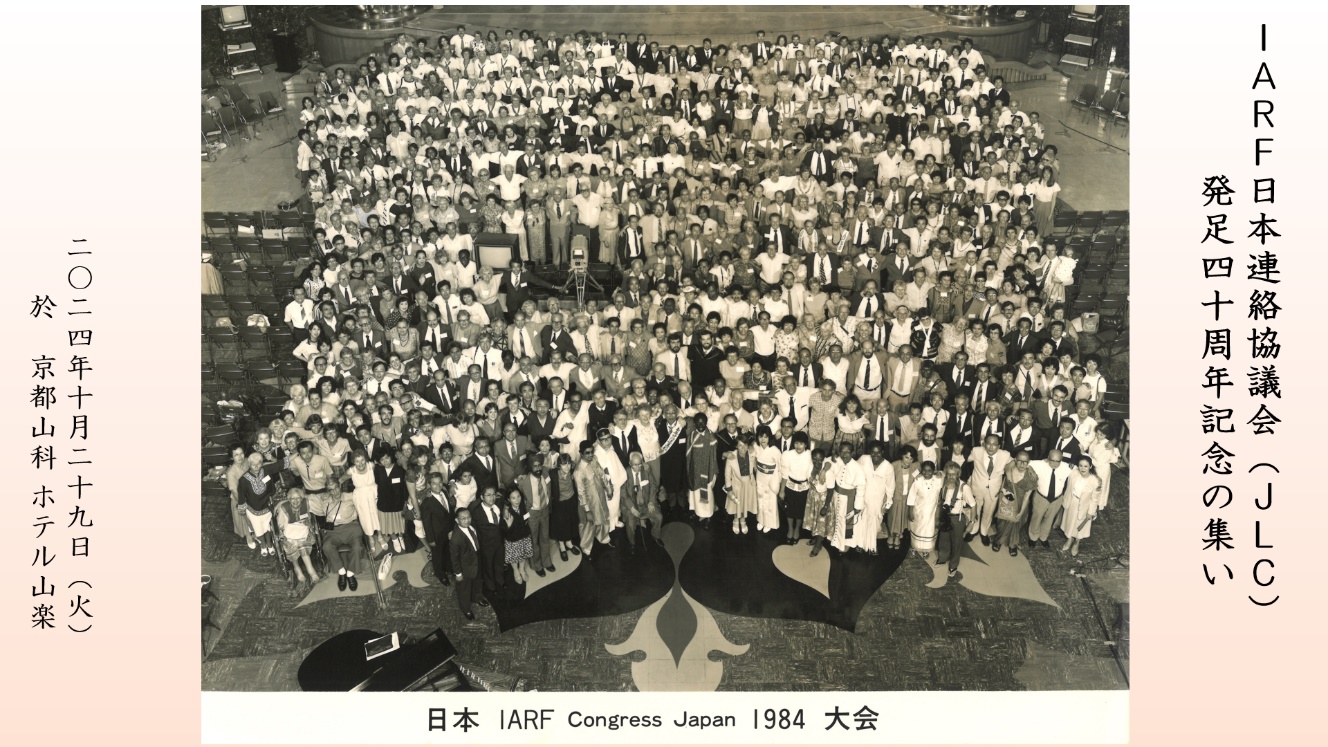
Celebrating 40 Years: A Report on the IARF JLC Anniversary Gathering
Date: Tuesday, 29 October, 2024Time: 3.00pm – 6.30pm (Part 1: 3.00–4.20pm, Part 2: 4.30–6.30pm)Location: Hotel Sanraku Kyoto YamashinaParticipants: 35
Objective
The year 2024, it has been 40 years since the IARF Japan Liaison Committee (JLC) was established on the occasion of the 25th IARF World Congress in Tokyo in 1984. To commemorate this, a gathering was held to celebrate the 40th anniversary of the JLC.
We looked back on the 40 years of the JLC, reflected on the passion of the original members, deepened the exchange between members and wished to continue developing IARF activities in Japan in the future.
Summary
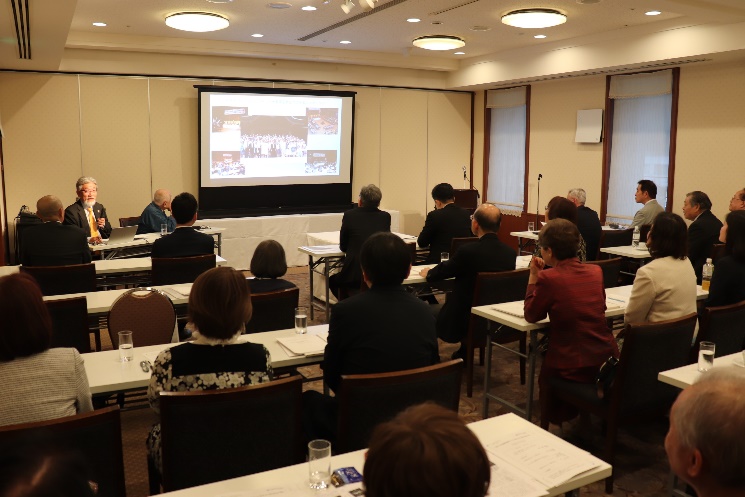
Part 1: Slideshow Session ‘JLC – 40 years of history through images’
After the MC, Rev. Torazo Tanino, declared the meeting open, Rev. Yukinobu Sahara gave the opening address.
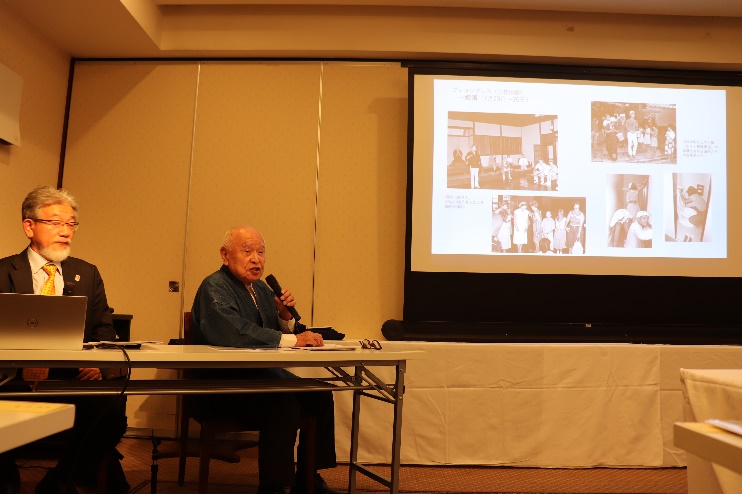
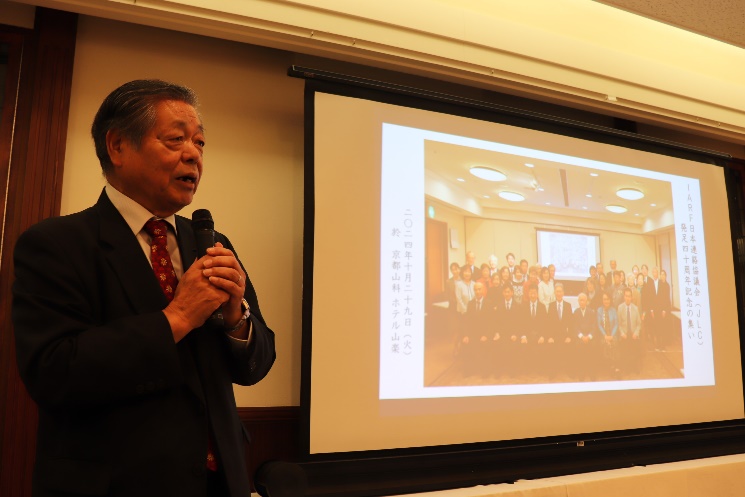
The moderator, Rev. Yoshinobu Miyake, and commentator, Rev. Takashi Nishida, were then introduced, and the history of the JLC was reviewed through a slide presentation entitled ‘JLC – 40 years of history through images’.
The history of the JLC was reviewed with detailed explanations by Rev. Miyake of the photos on each slide, as well as reminiscences told by Rev. Nishida and other participants.
While the Tokyo Congress is highly regarded for its overall programme management, it also made a strong impression on international participants in terms of human exchange.
Representatives of Rissho Kosei-kai, Konko Church of Izuo and Tsubaki Grand Shrine first participated in the 20th World Congress held in Boston, USA, in 1969, when the ‘International Congress of Free Christians and Other Religious Liberals.’ was renamed the ‘International Association for Religious Freedom’.
In 1981, Rev. Nikkyo Niwano of Rissho Kosei-kai was elected as the first Japanese president of the IARF. In 1984, Tokyo was chosen as the venue for the 25th World Congress of the IARF, the first time in Asia.
The Japanese member groups organised the JEC (Japan Congress Executive Committee) and meticulously prepared for the Tokyo Congress. Several options were prepared not only for the main congress programme but also for pre-congress tours and post-congress tours, including programmes to introduce and exchange Japanese culture in particular.
After the great success of the Tokyo Congress, the ‘Japan Congress Executive Committee’ was taken over by the ‘IARF Japan Liaison Committee (JLC)’, which later developed IARF’s activities in Japan.
Since then, several members of the JLC have served continuously on the IARF International Council, and have also made their significant international contributions, such as the election of Rev. Yukitaka Yamamoto of the Tsubaki Grand Shrine as International President in 1996 and Rev. Mitsuo Miyake of the Konko Church of Izuo in 2010. A number of JLC members have also willingly participated in IARF World Congresses held in various cities around the world.
In addition to these international activities, the JLC has held regular liaison meetings several times a year to share information on domestic and international activities, and has also organised fieldworks and study sessions in Japan.
After showing the slides, Rev Kosuke Shiba of the Japan Chapter gave a closing address and led the closing prayer to conclude the first part of the meeting.
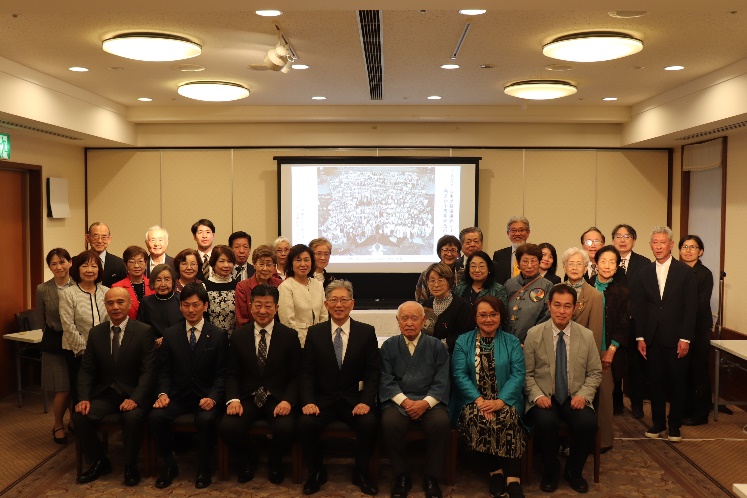
And then, all of a ll the participants took part in a group photo.
Rev. Yoshinobu Miyake gave detailed explanations on the JLC history slides.Rev. Takashi Nishida shared his good memories of the Tokyo Congress in 1984.Group photo of the day
Part 2: Social Gathering
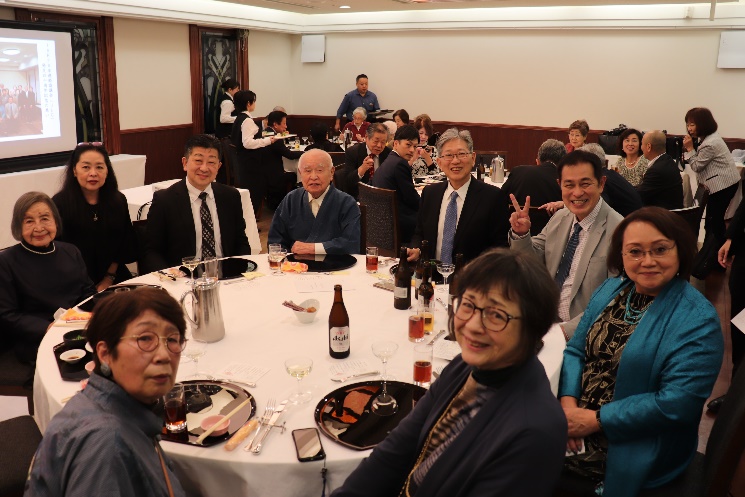
The second part of the meeting was a social gathering to celebrate the 40th anniversary and to deepen mutual exchange among members.
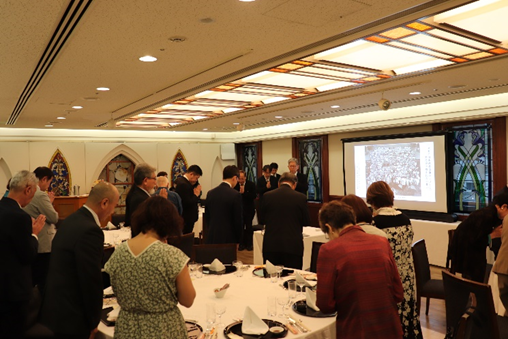
After an opening address and opening prayer by Rev. Kazuhiro Motoyama of Tamamitsu Shrine, congratulatory speeches were given by three people.
First, we received a congratulatory address from Rev. Nichiko Niwano, President of Rissho Kosei-kai, read on his behalf by Rev. Yukinobu Sahara, followed by a congratulatory address from Rev. Mitsuo Miyake of Konko Church of Izuo, who served as the 33rd President of IARF. Dr. George Williams, the current IARF President, also delivered a congratulatory message, which was read on his behalf by the MC, Mr. Souru Tanino.
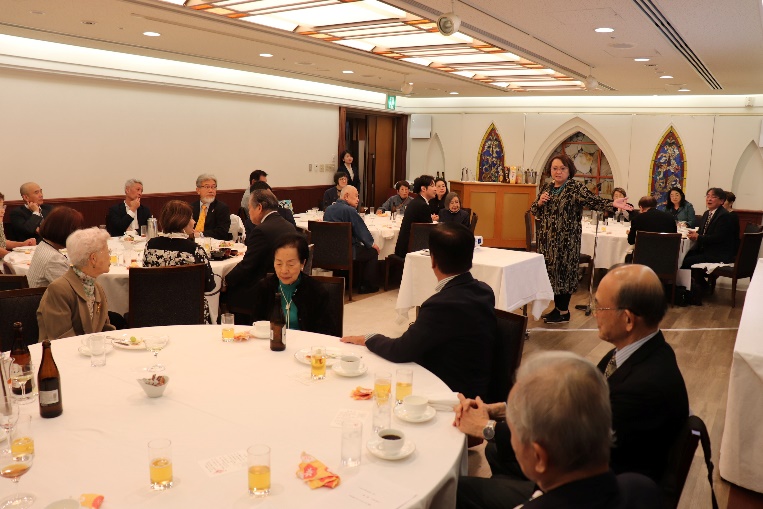
Following a toast led by Rev. Toshihide Yamamoto of the Mutsumikai, participants enjoyed a meal while socialising. Each of the Japan Chapter and IALRW members present was introduced. A short video created by President Williams to commemorate the Tokyo Congress was also shown, as well as photos that could not be included in Part 1 due to time constraints. Ms. Haruyo Masuda, a participant from the Japan Chapter, spoke about her experience of hosting participants at the 1984 Tokyo Congress, which included a programme of ‘home visits’. Rev Mitsuo Miyake expressed his gratitude and appreciation to the secretariat staff and others involved in the preparations for the day.
We also enjoyed a video recording of the 25th IARF Congress held in Tokyo in 1984. All of the participants shared cheerful moments.
With the closing speech and prayer led by Prof. Kathy Matsui, the whole programme of the gathering came to a joyful close.
Prayer for PeaceEnjoying food and chattingMr. Ichikawa introduced the members of the Japan chapter.Prof. Kathy Matsui gave the closing speech
INVINCIBLE: Peace and Conflict Resolution for Young Adults
The youth wing of the International Association for Religious Freedom (IARF) brought its peace and conflict resolution program to Mumbai, targeting young leaders at Pramod Ram Ujagar Tiwari Saket Institute of Management (PRUTSIM). The December 14 event, called “INVINCIBLE,” engaged participants aged 18-25 in conversations about peace-building and understanding conflict.
Janhvi Gupte kicked off with an ice-breaker that got participants talking openly about tough issues. This approach worked especially well, creating an atmosphere where students felt comfortable discussing conflict and its resolution.
Aayush Soni followed with an overview of IARF and RFYN’s work worldwide, showing students how they could get involved in peace-building efforts.
The program took a serious turn as participants explored the consequences of conflict, examining the Hiroshima-Nagasaki bombing. Gupte’s presentation on history’s deadliest wars brought home the reality of conflict, while photos of Hiroshima created a lasting impact. The story of Sadako Sasaki, a survivor who became a symbol of peace, resonated deeply with participants.
Discussions then moved to practical applications, exploring how peace affects daily life. Participants examined personal, social, and environmental aspects of peace-building, looking at concrete ways to resolve conflicts in their own lives.
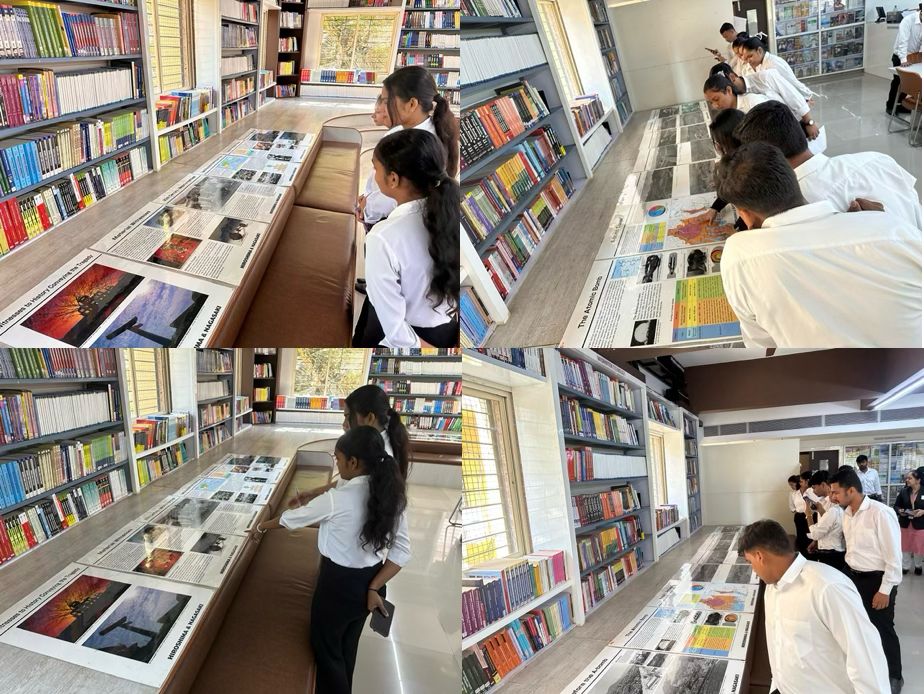
The program wrapped up in PRUTSIM’s library, where participants viewed posters from Japan showing the impact of nuclear weapons. This exhibition drove home the real consequences of war.
In a spontaneous show of commitment, participants took a peace pledge, promising never to support nuclear weapons. Their engagement and feedback showed the program hit its mark.
The event ended with Immanuel Manish Daniel encouraging participants to join RFYN’s peace efforts. PRUTSIM’s support, including presenting appreciation certificates to facilitators, demonstrated their commitment to peace education.
INVINCIBLE at PRUTSIM showed that young people engage enthusiastically with peace initiatives when presented in relevant, interactive ways. The participants’ response suggests a growing awareness of the importance of conflict resolution skills among future leaders.
Empowering Foundations: Advancing Equality and Opportunity through Rural Engagement
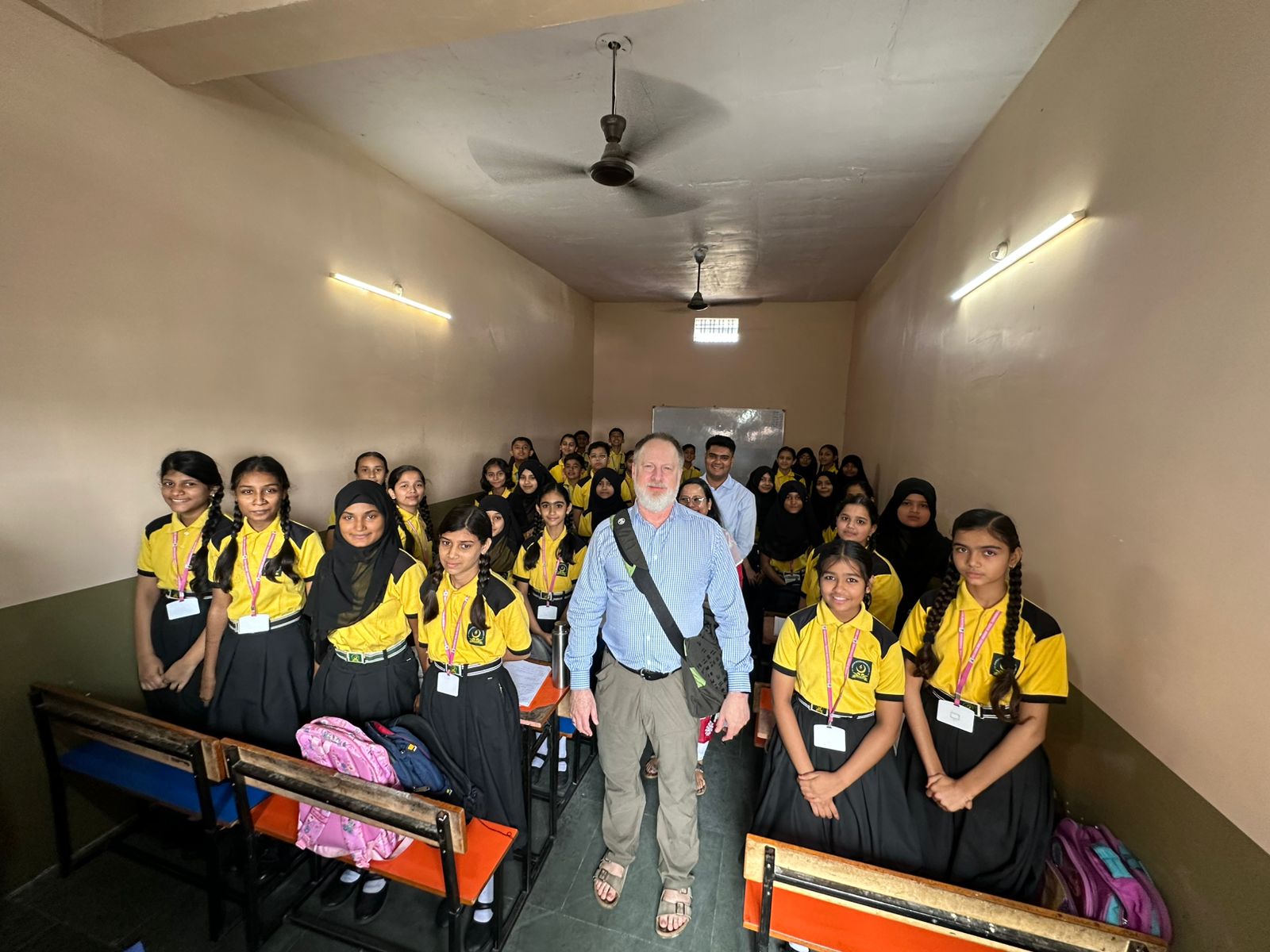
In a significant demonstration of international interest in rural India’s development initiatives, David Moss, Senior Vice President and Head of Trading Compliance at a leading New York-based investment management company, conducted an extensive two-day visit to various IARF-RFYN projects in Chhindwara, Madhya Pradesh, during October 19-20, 2024. The visit showcased remarkable achievements in youth empowerment, interfaith harmony, and women’s economic development.
Youth Empowerment and Skill Development
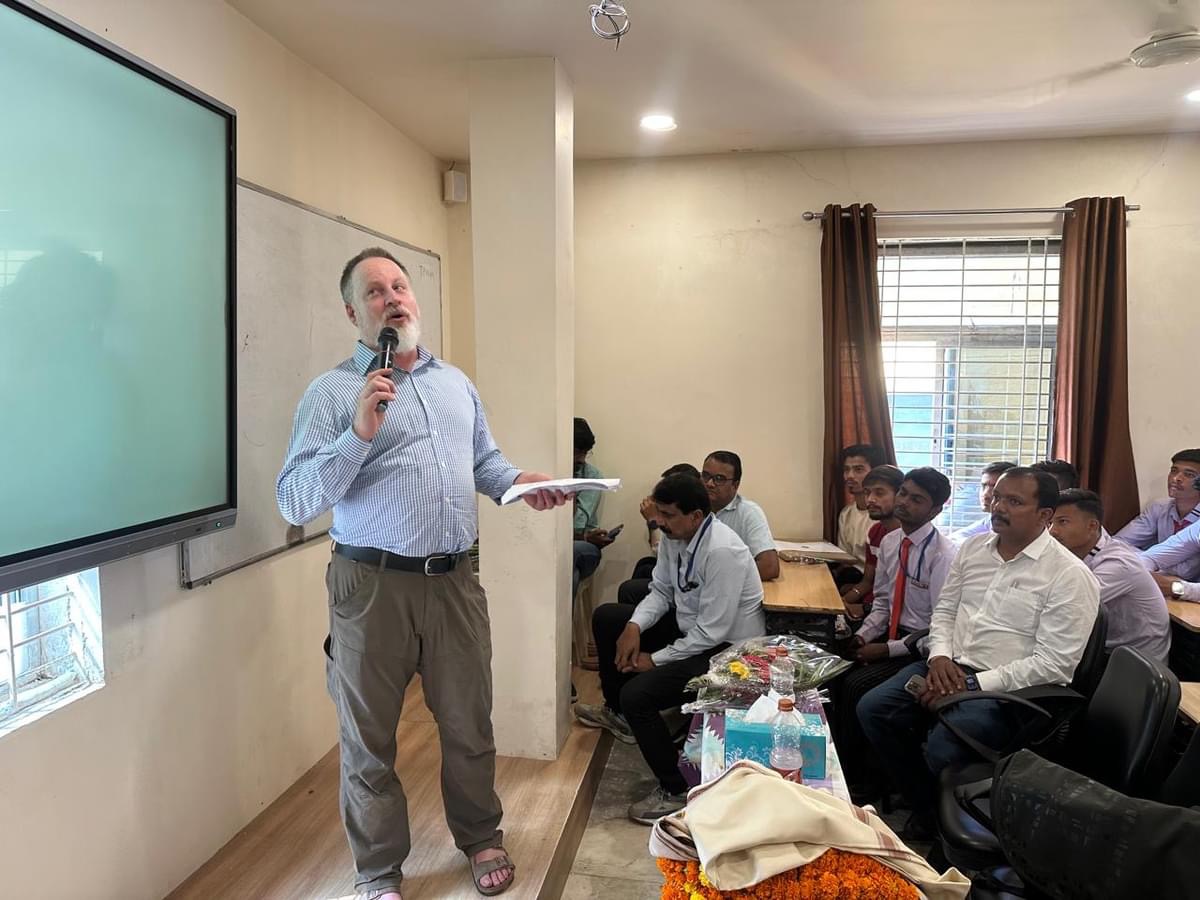
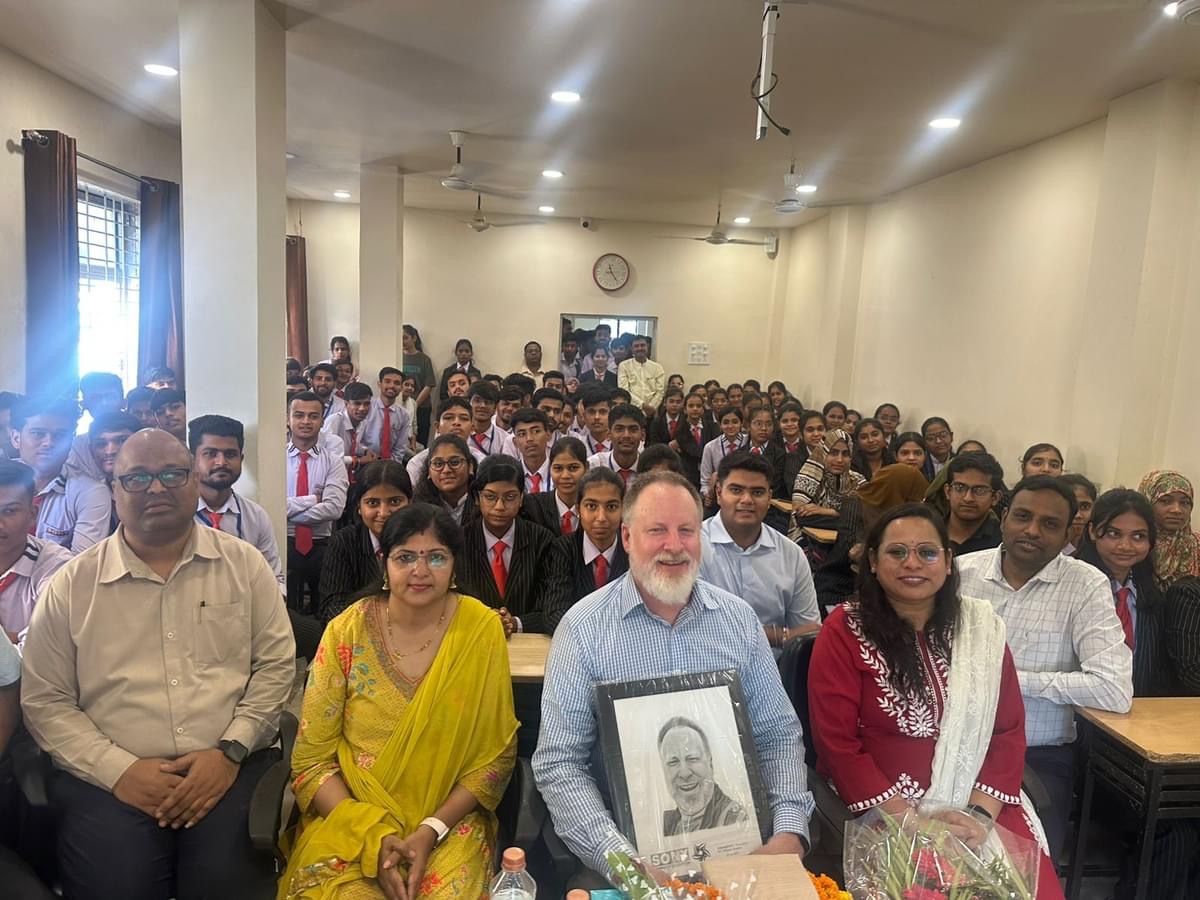
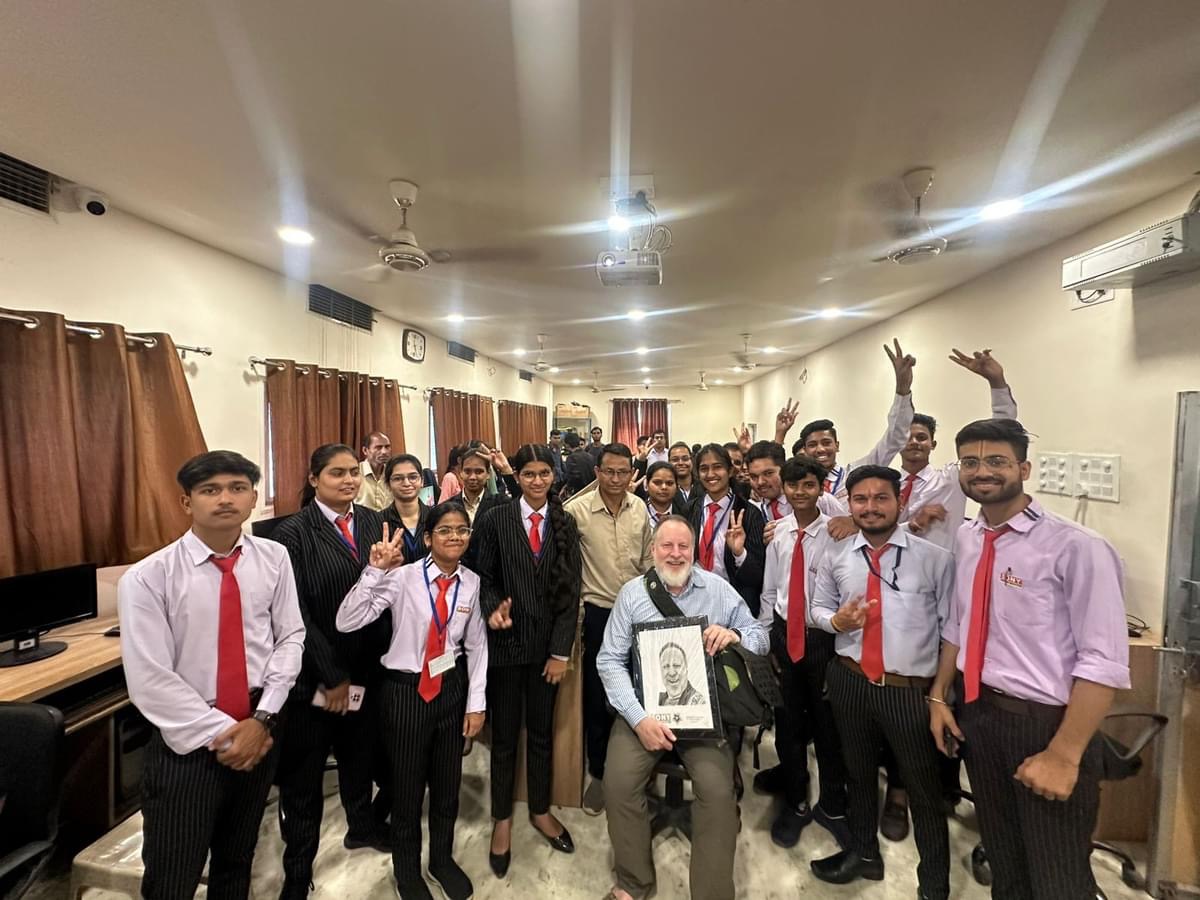
At the heart of the visit was a compelling session at Sony Computer Education centre, where Moss engaged with RFYN, aspiring professionals, sharing invaluable insights about global finance career opportunities. Moving beyond traditional accounting roles, he emphasized critical skills needed in today’s financial sector, including professional email communication, financial fundamentals, and proficiency in digital tools such as Excel and Google Sheets. Moss particularly stressed the importance of staying informed about global financial trends.
The impact of his guidance was evident in the enthusiastic response from participants, who presented him with a hand-sketched portrait as a token of their appreciation.
Interfaith Harmony and Educational Initiatives
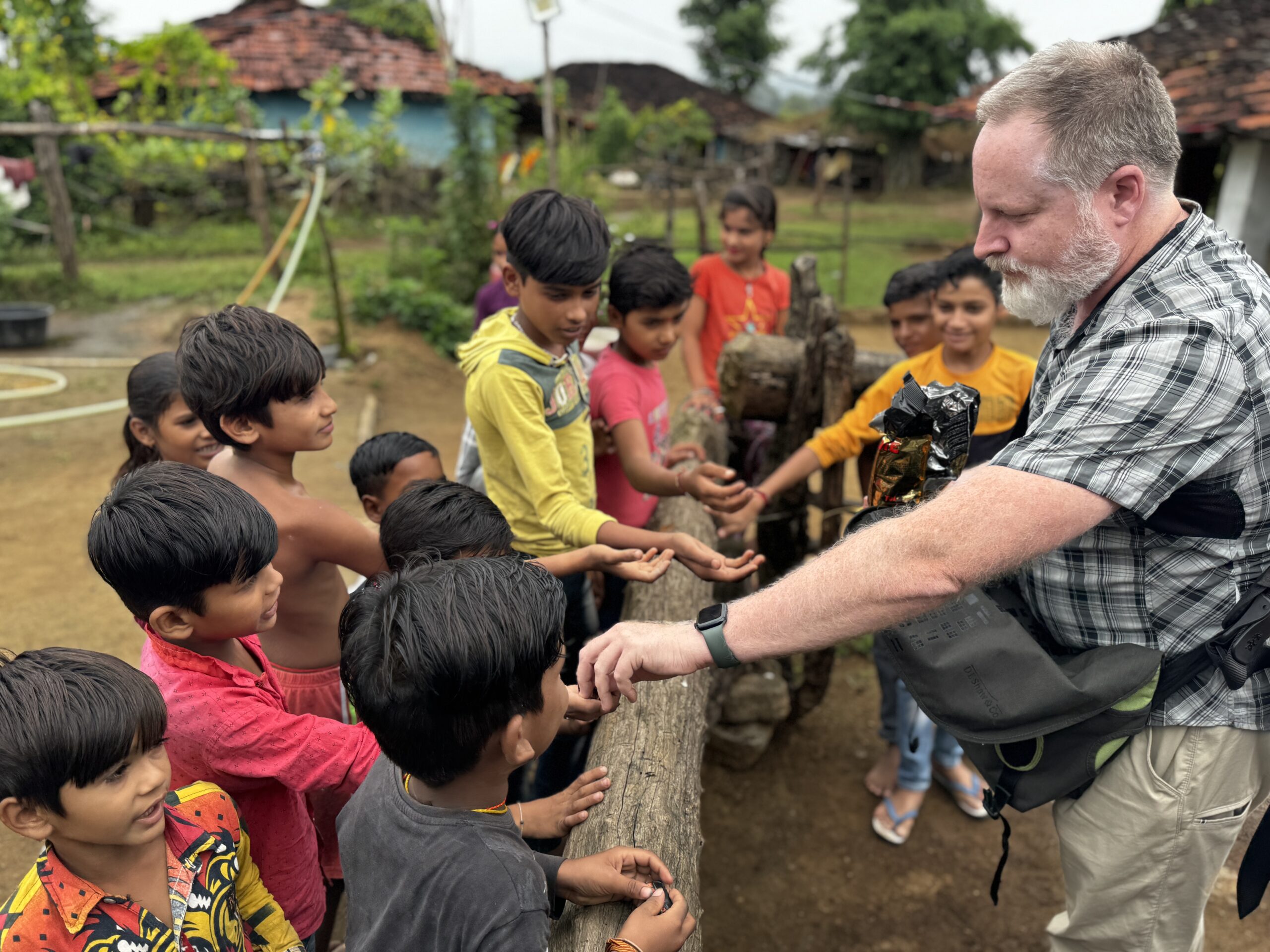
The visit highlighted significant strides in promoting interfaith harmony through education and cultural exchange. Moss visited Anjuman English Medium school, An Urdu school which stands as a beacon of religious integration. The school’s unique approach ensures children aged 5-13 years from various religious backgrounds study together, fostering early understanding of religious diversity. Despite language barriers, students made commendable efforts to interact with Moss in English, demonstrating their commitment to global communication skills.
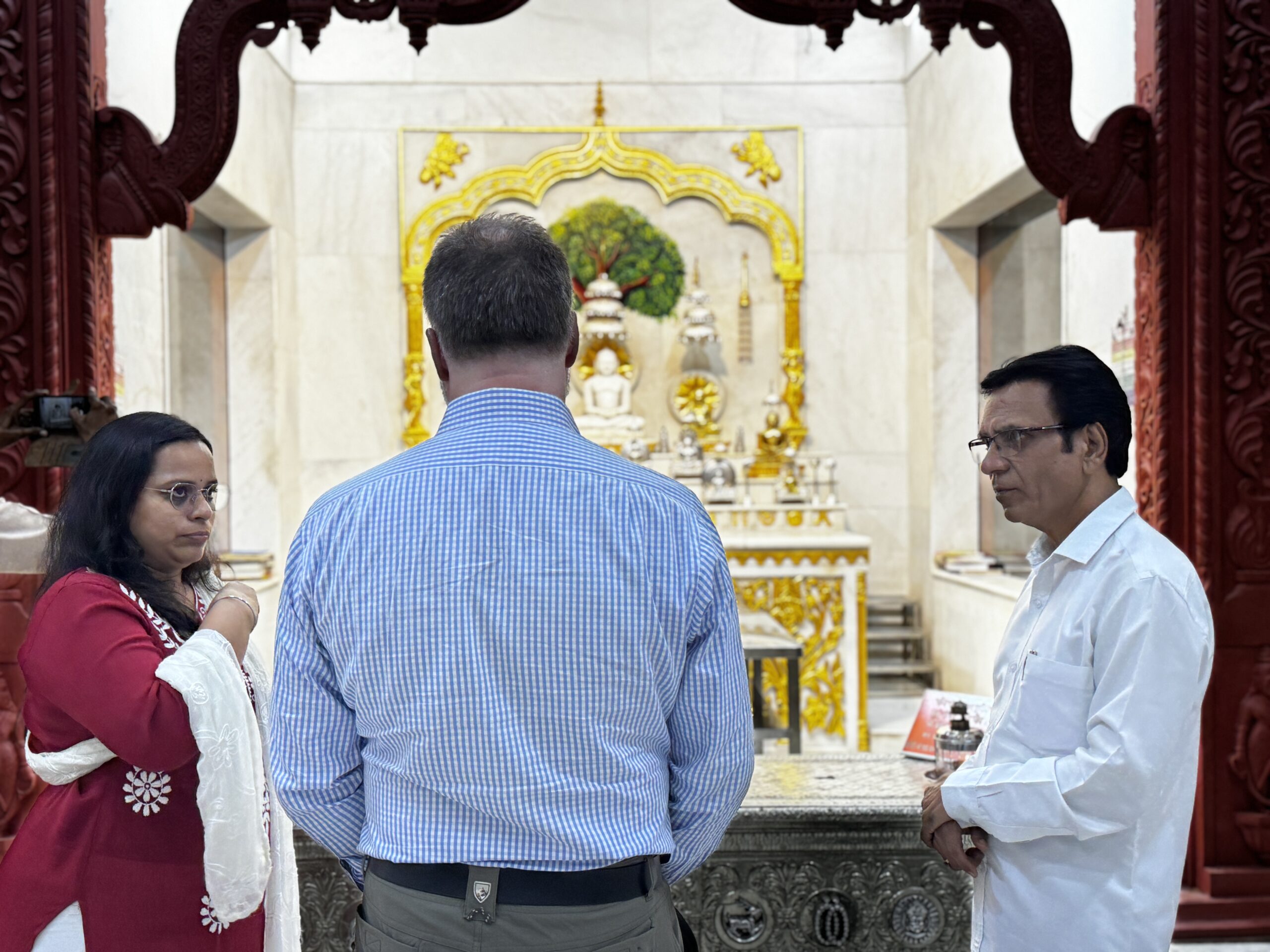
Further emphasizing the interfaith aspect, Moss visited a local Jain temple, where Mr. Deepak raj Jain provided insights into Jain philosophy and traditions. This cultural exchange exemplified the program’s commitment to promoting understanding across different communities.
Vocational Training and Career Development
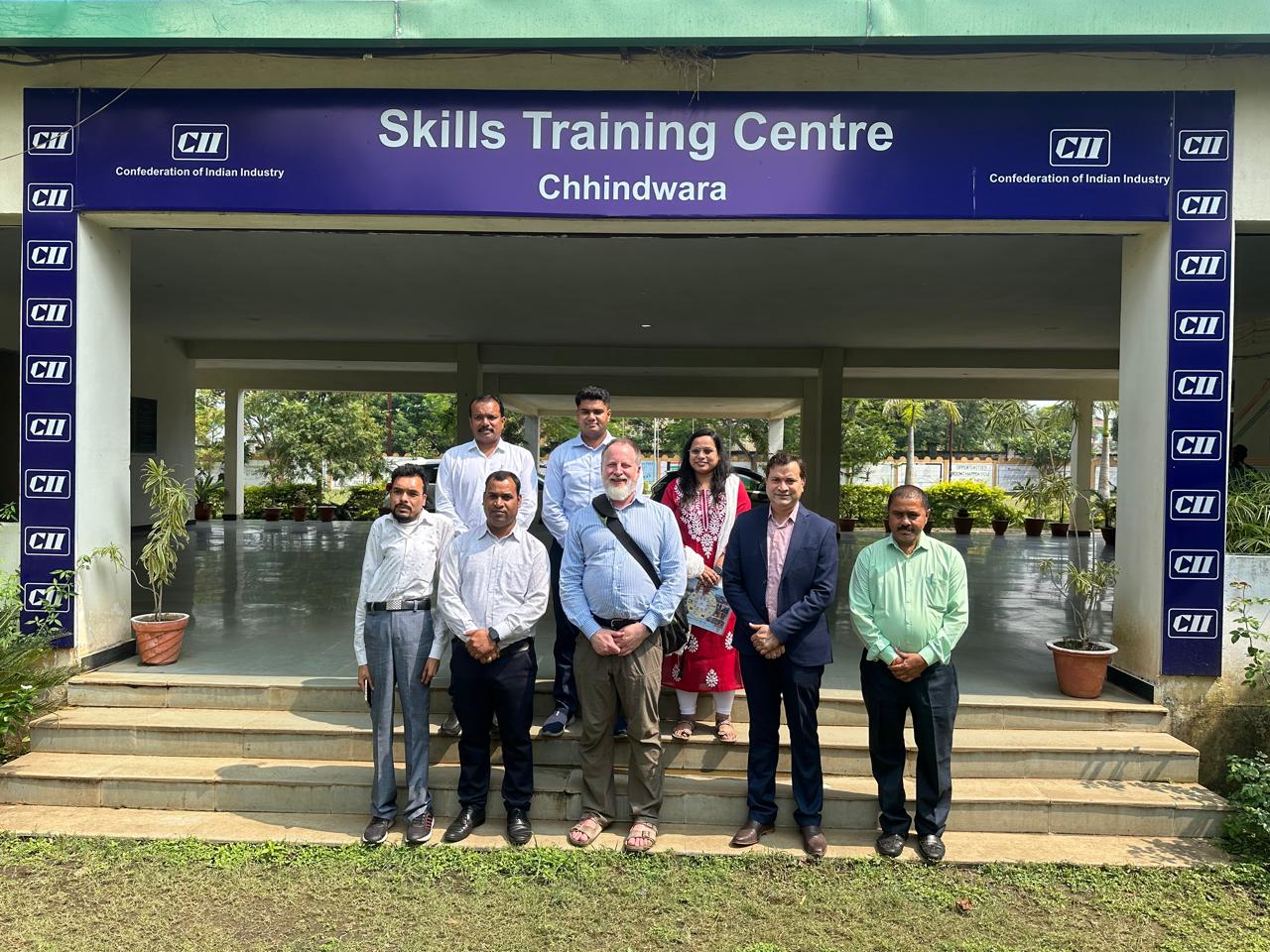
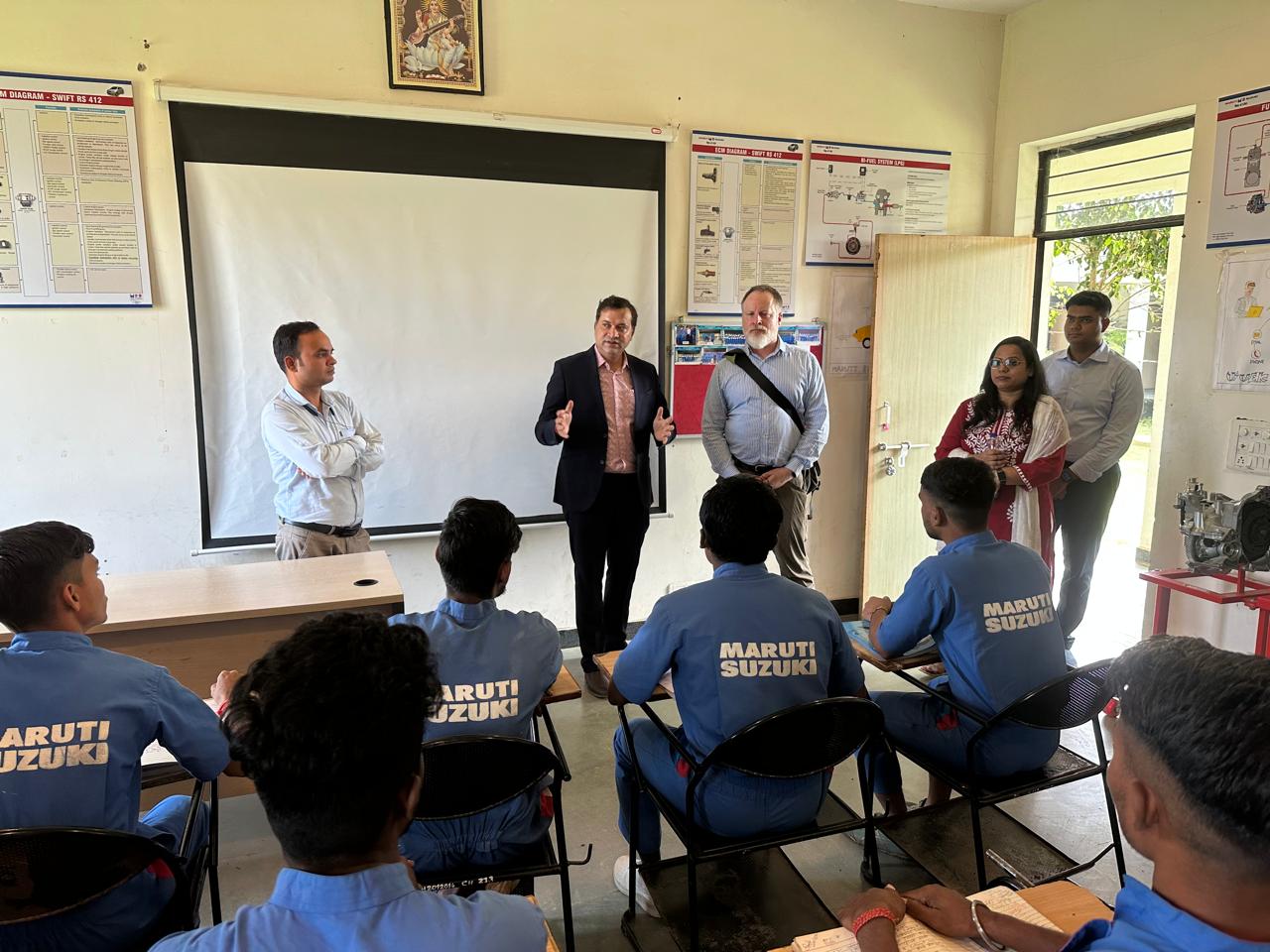
A significant portion of the visit focused on RFYN’s innovative ‘Careerfirst’ initiative, which bridges the gap between underprivileged youth and employment opportunities through government-sponsored vocational training. Moss visited several prestigious training centres, including CII (Confederation of indian industries), ATDC (Apparel Training & Design Centre), and Ashok Leyland’s training facility in Chhindwara. During these visits, he engaged directly with students, learning about their economic backgrounds and aspirations. His encouragement to complete their courses and pursue career goals resonated strongly with the trainees.
Women Empowerment and Rural Economic Development
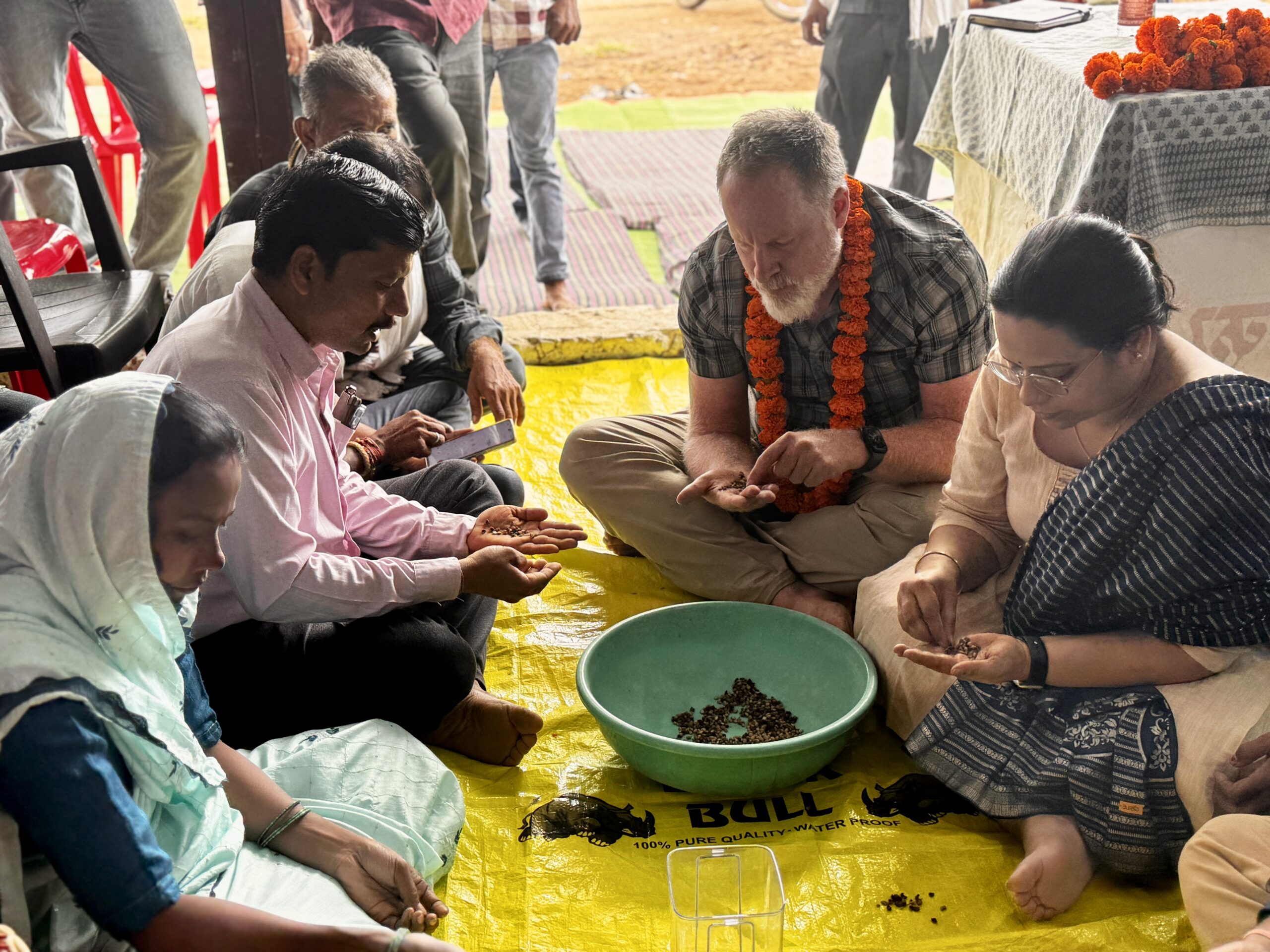
In Bamhni village near Tamiya block, situated 95 km from Chhindwara, Moss witnessed the transformative impact of RFYN India’s women empowerment projects, which have shown remarkable success over the past 7-8 years. The village, predominantly tribal and challenged by work opportunities, has been uplifted through a collaborative initiative involving Cosmo foundation, Sony Computer Education and RFYN.
The installation of Chironji de-shelling machines has created sustainable livelihood opportunities for women’s self-help groups. This initiative processes seeds from the Buchanania lanzan plant, a high-value dry fruit with strong export demand, particularly in Gulf countries. Villagers shared how this mechanization has provided an additional benefit to their economic conditions.
Leadership and Recognition
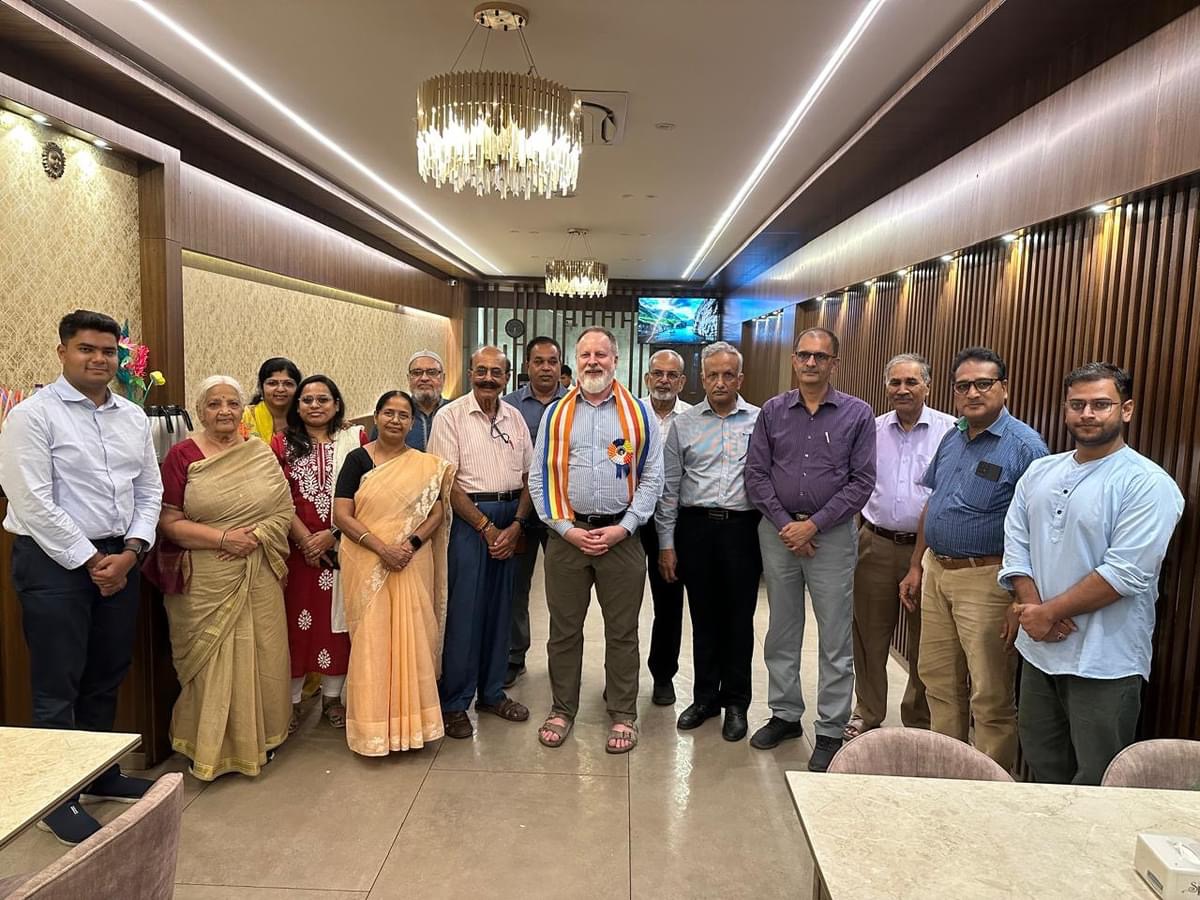
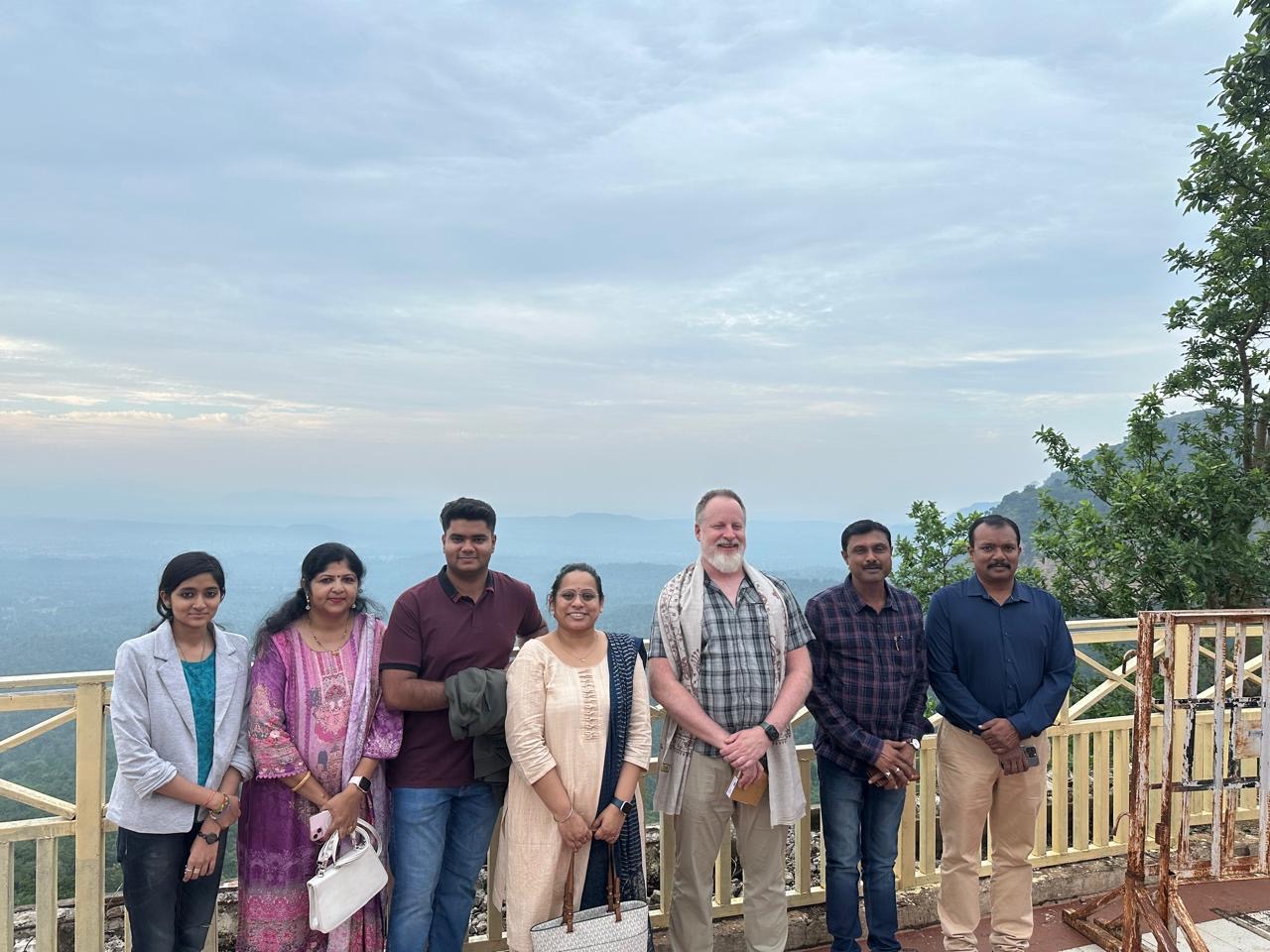
During his visit, Moss met with IARF Chhindwara Branch members to learn about the organization’s history and development in the region. The success of these various initiatives is attributed to a dedicated team of professionals, including Mr. Manoj Soni (Secretary, IARF Chhindwara Branch), Mr. Aayush Soni (RFYN Representative and VP, IARF), Mr. Immanuel Manish Daniel (Senior Member, IARF), Dr. SA Brown (Ex. Council Member, IARF), Dr. KK Shrivastava (Founding Member of IARF Chhindwara branch), Mr. Ansari (Founding Member of IARF Chhindwara branch), Mr. Ratnesh Jain (IARF Member), Mr. Vishwesh Chandel (Member, IARF Chhindwara Branch), Mrs. Kirti Soni (Director, Sony Computer Education), and Ms. Janhvi Gupte (Ex. VP and RFYN Representative, IARF).
Future Implications
“The synergy between various stakeholders – from government agencies to educational institutions and community organizations – is what makes these initiatives truly successful,”
Moss observed during his concluding remarks. The visit highlighted how targeted interventions, when properly executed, can create sustainable change in rural communities while promoting education, women’s empowerment, and interfaith harmony.
The success of these programs, particularly in Bamhni village and through the Careerfirst initiative, demonstrates the effectiveness of RFYN’s approach in identifying and bridging gaps between job seekers and employers. This model of rural development, combining skill development, women’s empowerment, and interfaith harmony, could serve as a template for similar initiatives across rural India.
The comprehensive nature of David Moss’s visit not only highlighted the impact of RFYN’s initiatives but also strengthened the connection between global expertise and local development efforts in rural India, setting a promising precedent for future international collaborations in rural development.
IARF Applauds Rejection of Bill to Repeal FGM Ban in The Gambia
The National Assembly of Gambia
Since our call for support of the Petition Against FGM Ban Repeal in The Gambia, which the Nala Feminist Collective started, the situation has evolved positively. The third reading of the bill was initially planned for July 24.
IARF, an organization uniting liberal religious groups from diverse faith traditions across the globe, stands firmly against human rights violations, particularly those justified under the guise of religious or cultural practices. We are pleased to report that the bill to repeal the ban on FGM was rejected on July 15, and the planned third reading on July 24 will not take place.
IARF and its member organizations congratulate Parliament Speaker Fabakary Jatta and the National Assembly of The Gambia for this wise decision. This outcome has an impact beyond The Gambia and will continue to forward the dignity and self-determination of all human beings.
We remain committed to supporting efforts that protect human rights and bodily integrity worldwide.
Context
Female Genital Mutilation/Cutting (FGM/C) is a practice that involves the partial or total removal of external female genitalia for non-medical reasons. It affects an estimated 200 million women and girls worldwide, with more than three-quarters of females aged between 15 and 49 in some regions having undergone the procedure. The practice can lead to severe immediate risks such as pain, shock, hemorrhage, and infections, as well as long-term consequences for sexual health and mental wellbeing.
The Gambia’s 2015 ban on FGM/C was a significant milestone in the global effort to eradicate this harmful practice. The recent attempt to repeal this ban had raised alarms among human rights organizations globally. The IARF, as part of its commitment to human rights and religious freedom, had engaged in advocacy efforts, including drafting formal communications to Gambian authorities expressing concern over the potential repeal.
The rejection of the bill to repeal the FGM/C ban not only maintains crucial protections for women and girls in The Gambia but also reinforces the country’s commitment to international human rights standards. This decision aligns with various human rights conventions ratified by The Gambia, including the Convention on the Elimination of All Forms of Discrimination against Women (CEDAW) and the Convention on the Rights of the Child.
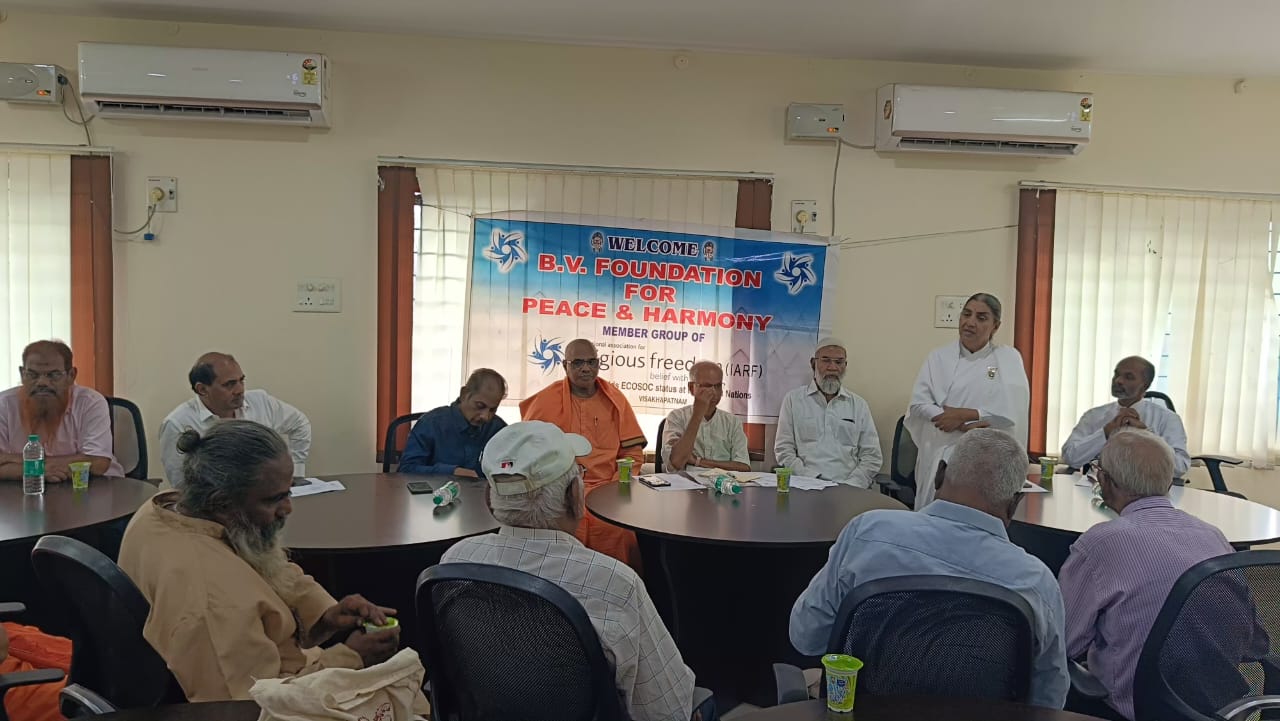
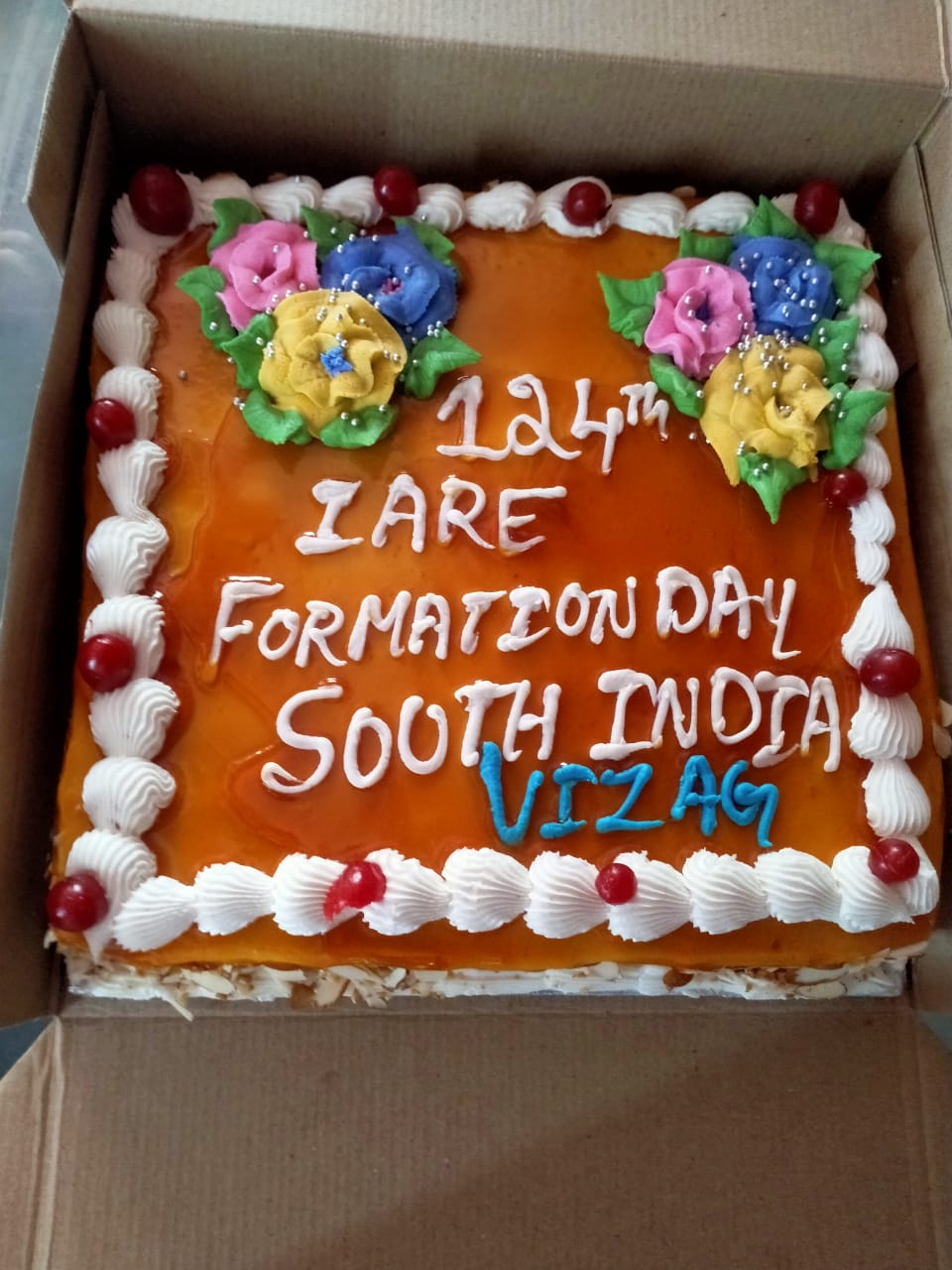
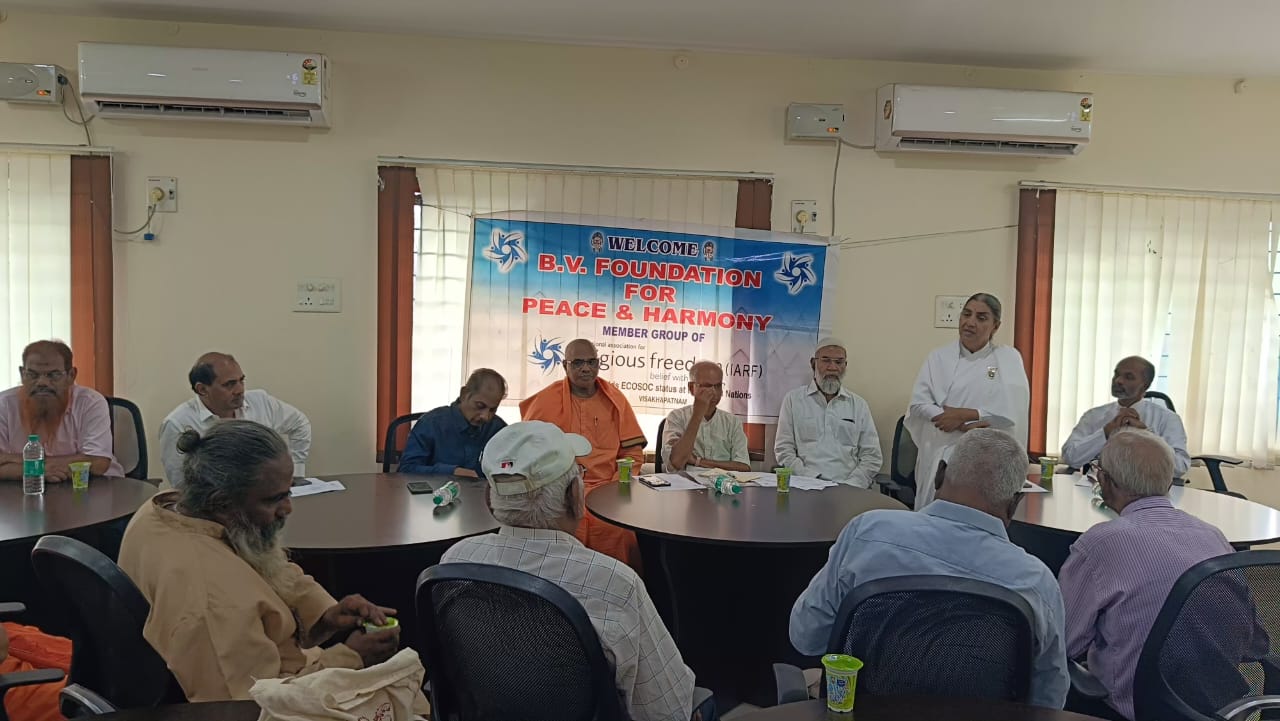
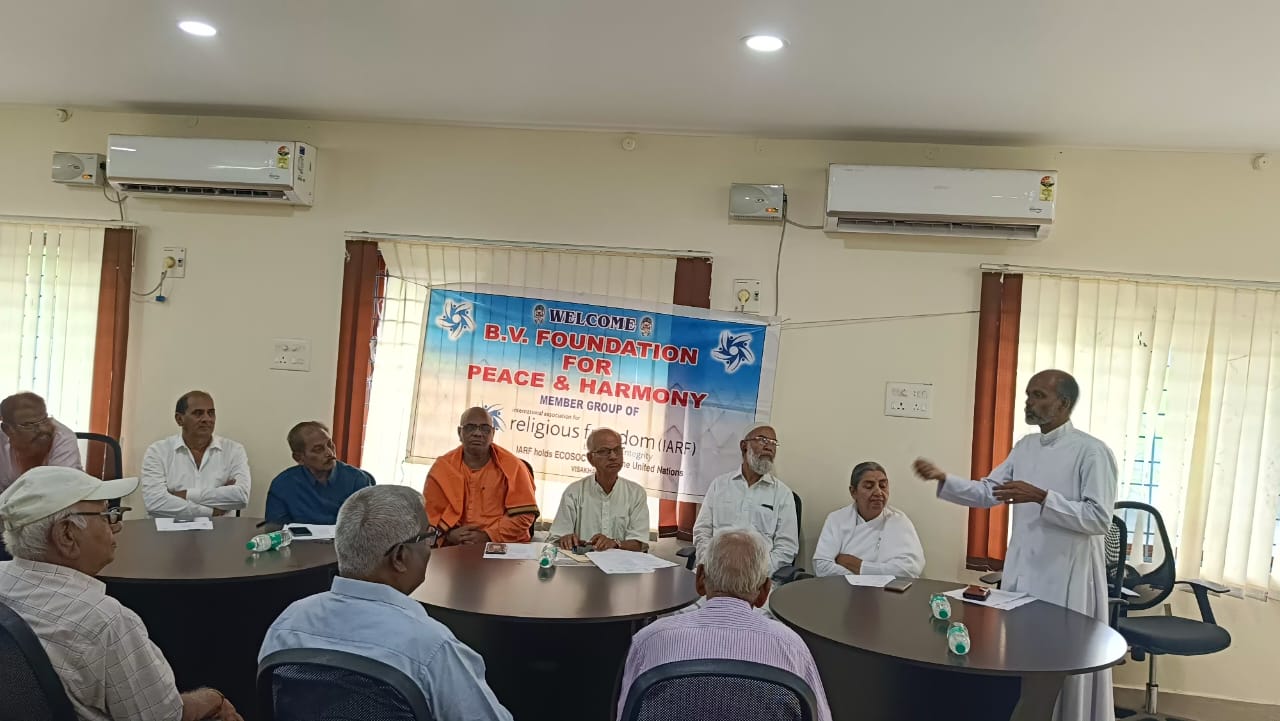
IARF 124th Annivesary Celebrated by BV Foundation for Peace and Harmony
The BV Foundation for Peace and Harmony, a member group of IARF South India, celebrated the 124th IARF Formation Day on Saturday, May 25th, at the Gandhi Center Seminar Hall located at Dr. LB College in Visakhapatnam, Andhra Pradesh, South India. Prof. Prakasa Rao, chairman of the foundation, presided over the meeting.
The celebration began with an interfaith prayer, followed by a cake-cutting ceremony. In his presidential address, Prof. Rao highlighted that the IARF was established on May 25th, 1900, in Boston to realize the vision of the World Parliament of Religion held in 1893. As the oldest interfaith organization in the world, IARF collaborates with religious communities and secular organizations committed to openness, free religious inquiry, human dignity, social responsibility, and service. The organization also works to protect religious freedom and fundamental human rights through its representatives at the United Nations.
The chief guest, Prof. V. Balamohandas, former vice-chancellor of Acharya Nagarjuna University and president of the Gandhi Center, commended IARF’s remarkable 124-year history and called for improved religious tolerance worldwide. He emphasized that while religious worship and beliefs are personal matters, the coexistence of people belonging to different religions is a tradition that IARF should continue to uphold. Prof. Balamohandas termed atrocities committed in the name of caste, color, and community as barbaric, stressing that peace is only possible when all religions coexist and live in harmony.
Other speakers who endorsed the chief guest’s statement included:
Swami Swasamvedya Nanda, secretary of Ramakrishna Mission
Syed Shamsuddin, Additional District Government Qazi
Sushil Sekhani Jain, chairman of Mahaveer International
B. Gowtam Babu, the Buddhist Society of India
The convener, Abdul Muneer Mushhad, proposed a vote of thanks. The meeting concluded with participants taking a peace pledge and singing the Indian national anthem, “Jana Gana Mana.”
Your Privacy & Consent
We use cookies and local browser storage to keep you securely logged in and maintain your preferences. No third-party trackers or ad networks are used. Read our Privacy Policy.
Strictly NecessaryAlways Active
Keeps you logged in and protects forms from submission forgery. Necessary for account operation.
Usability & UI PreferencesOptional
Remembers details like chat widget coordinates and records if you have voted in a poll to prevent repeated popups.
JavaScript Core PlatformAlways Active
JavaScript is required to render the interactive app, direct messaging, offline caching, and calendars. No tracking libraries are loaded.
Why do we use JavaScript?
Our platform runs as a modern, interactive single-page application for logged-in members. We connect securely to socket.iarf.net via WebSockets for instant message delivery and online status indicators.
Where does my data go?
All data belongs exclusively to IARF and is stored on our secure VPS located in the EU. We do NOT run Google Analytics, Facebook Pixels, or other tracking code. External requests are only made to fetch FontAwesome icons and Google Fonts from public CDNs to display symbols and typography.
What happens offline?
We install a Service Worker to cache layout elements locally. No personal information is stored inside the local cache; it only speeds up navigation and enables basic offline views.