
Remembrance of Transylvania 2005 Flood
Two decades ago, on August 23rd, 2005, villages in the valley of the Nyikó river in Transylvania (Romania) suffered the most catastrophic flood in memory. Sixteen people have died. The flood destroyed the livelihood of thousands of people of that region. Two thousands of them lost everything, their houses, barns, animals, workshops, machinery, their cars. And all the remaining buildings were badly damaged. However, the devastation of the agriculture made all the people victims. Beside the farms, the flood also damaged the public buildings, such as churches, schools, town halls, and cultural halls. Some of the bridges and the roads became temporarily inaccessible.
Grief took hold of not only those families losing their loved ones, but entire communities. A thirty second video film by a teenager surfaced afterward as a dramatic witness. A family who tried to find refuge in the attic of their house already covered by water, lost hope of surviving. The teenager recorded their farewell:
“This is …. talking from Székely-Szentmihály. It’s over… The end of the world has come. That’s it… If someone finds this, please remember us.”
This family did survive.
Later the cause of the tragedy became evident: the post-communist era opened ways for unchecked greed and criminal negligence. Those who were to protect the society didn’t. Illegally clear-cut forests above the valley brought disaster upon the villages.
The relief and reconstruction efforts demonstrated compassion and solidarity, true heroism by people and organizations across Transylvania, Hungary, countries in Europe and Unitarians in the United States. They responded with impressive financial support. Perhaps the most significant gift came from the Unitarian Universalist Congregation at Shelter Rock, NY and its Veatch Program.
Beside donations pouring in, hundreds of people from the neighboring region came to help with physical work, participating in the massive cleaning and disinfecting first of all. They sheltered the victims in their own houses and provided food, clothing, basic necessities to them. During the first days even some 50 ministers and priests volunteered. Leaders of the Unitarian Youth Organization carried out the main planning and aid distribution tasks.
Then came the reconstruction work by volunteers and generous donors. Houses were rebuilt one after another, churches, schools and other community buildings repaired. An emergency committee was formed, demonstrating an amazing efficiency.
Remarkably, this local emergency committee created two decades ago, has grown into the Providence Charity Organization, now a major relief organization of the Hungarian Unitarian Church. One of their numerous projects is an ecumenical, sustained support of the Hungarian communities in Ukraine since the beginning of the war.
At the 20th anniversary of the tragedy, villages of the Nyikó valley will hold a commemoration on August 23rd. At this occasion they also wish to express their deep gratitude for all those who helped the victims rebuild their homes and their lives.
They extend their invitation also to anyone close or far to join their commemoration on August 23rd in the village of Kobátfalva (Cobatesti).
To fully appreciate the scale of the relief effort, we are sharing a contemporary account from the time. The following report, titled “After flood chronical,” was written by Szabó László, a key organizer of the initial response, in November 2005. It provides a powerful, on-the-ground look at the days and weeks immediately following the disaster.
After flood chronical
On August 23rd, 2005 a terrible flood has destroyed the lifetime work of thousands of people along the Nyikó river and in other regions of Udvarhelyszék. This tragedy not only caused severe economical damages, but also 16 persons have lost their lives. More than two thousand people were affected by the flood directly, but due to agricultural damages almost everyone is a flood victim in these villages. Along the Nyikó river a lot of houses were totally destroyed, and some were highly damaged. Many workshops, equerries, barns and secondary buildings crashed; the water drifted away animals, cars, machinery. The crop was destroyed on many thousands of hectares. The flood took away the already harvested crops and hay stored on the farms. Next to the farms the flood also damaged the public buildings, such as churches, schools, town halls, and cultural halls. Some of the bridges and the roads became temporarily inaccessible.
The catastrophe caused by the flood touched everyone. There are no words to express the grief of those who have lost their loved ones. The fear of death has penetrated into the lives of hundreds, and it will take a long time to overcome this fear. Weeks after the flood a short video film was sent to me, made by a teenager. The film is around thirty seconds recording the flood. He wanted this film to be a farewell on behalf of his family. They found refuge in the attic of their house covered by water: ”This is (…name…) talking from Székelyszentmihály. It’s over… The end of the world has come. That’s it… If someone finds this, please remember us.” Thank God this family survived. Now, months after the flood we remember the victims but we also remember the way in which people joined forces to help those in need. In those days and weeks many people helped the flood victims through voluntary work and through donations. Many people from Székelyföld, from all around Transylvania, from Hungary, from different countries of Europe, from the Unitarian Universalist congregations of the USA, and from all over the world reached out to help. We thank them all!
In the followings my paper will become more personal, because I would like to present to you the happenings in which I have also been participating. On the 18th-21st of August, the current year, the Dávid Ferenc Unitarian Youth Association (DFUYA) organized its annual most important program, the 29th Transylvanian Unitarian Youth Conference in Kobátfalva. We had 230 attenders. The villagers had helped us in a great way organizing this program. They helped us prepare this event, and they assisted us materially and spiritually. The raised donations, they provided us room and board, they cooked for us, etc. In the afternoon of August 23rd after the conference has ended, I also said goodbye to those who became my friends during this great work. But none of us knew that we would meet sooner, than we have expected, namely on the next day.
On the evening of the 23rd of August I was in Segesvár, and there I learned about the catastrophe, so the next day I have changed directions and I went back to Kobátfalva. I drove the car belonging to the DFUYA, holding as much bread and water that I could fit into the car. On my way back I have spoken with some of my fellows from the DFUYA, asking them to come back as soon as they can. In Kobátfalva I have first met Rev. Szombatfalvi József, the dean of the Unitarian Church District of Székelykeresztúr, and Bán Gagyi János, a teacher from Kobátfalva. With the help of some local youth we started to organize the aid. We contacted many people through the phone, to ask for donations and voluntary work.
On the same day I have contacted those – who according to my judgement – were able to lead the aid programme in the neighboring villages. Together we made an assessment of the situation, regarding the flood victims, the destroyed and highly damaged houses, and the most urgent needs. Later that evening we saw the whole picture. We put together a list of the things we had to do, and we helped the locals to form action groups. We also appointed two organizational centers in which we meant to receive the donations: the school of Kobátfalva and the Unitarian parish of Siménfalva. We named the people whose work was to receive, to register and to classify the donations. We did our best to thank all for their help. We tried to stay in touch with them, and to share further needs and requests. We had to store some of the shipment while we were working on making the packages for the families. We have tried to make sure that the donations arrive to the victims according to the possibilities in the affected villages. Sometimes we shipped the packages to each house, in other cases the flood victims were called to the gather for the distribution of the donations. We permanently refreshed the list of needs, and depending on the possibilities, we focused on the exceptional cases too. The parish of Siménfalva was the distribution point for the victims living in that village and in Rugonfalva. The school of Kobátfalva was the distribution point for Székelyszentmihály, Nagykadács, Kiskadács and Kobátfalva.
Other members of our group organized the cleaning and the repairing operations. In the first two weeks many people from different villages and towns came to do voluntary work in the flood zone. Some of them came without calling, others were asked to come and help. There were thirty men from the military squad of Csíkszereda who also helped. (For example on the 27th of August there have been around 100 voluntary workers in Kobatfalva.) In order to manage the cleaning operations quickly, we needed machinery and equipment. In this regard the local sources were very poor. Finally some benefactors offered to help us out. In order to be more efficient both with the action groups and with the machinery we put together a schedule, a list of the things that needed to be done by them. Every night we put together the schedule for the next day, which was often modified in the morning because of the unexpected, but warmly greeted volunteers. These plannings had their results. For example in Kobátfalva nor the voluntary workers, nor the machinery crossed each other’s way, or activity. The whole village was cleaned from top to bottom. Each house, yard, and garden was cleaned. The mud, the garbage, the ruins of the buildings were taken away in a suitable manner. We have also used the industrial water pumps in the same way. Some of the volunteers and engineers stayed for more days at Kobátfalva, so we had to provide them food and shelter. As I have already said, we had a board meeting every evening. There we evaluated the achievements of the day, we checked the stocks in each of the distribution centers, we put together the list for the next day, and shared the work among the action groups. In the beginning this work took a lot of time, especially because we had a board meeting every evening in Kobátfalva, our center, and in two neighboring villages as well.
We were aware of the fact that after a huge flood like the one we had in the Udvarhely region the possibility of an epidemic was very likely, so we urged the officials to start the vaccinations and take the sanitary measures (like the disposal of the animal corpses). In case of future floodings it is essential to be prepared for these things too!
Keeping in touch with the donators and the volunteers, with the representatives of the media, the similar action groups and the different institutions was an important side of our organizational work. We collected the data of the flood damages, we framed the general situation of the damaged region, we summarized the most important requests of the victims, and we channeled this information through flyers printed in three languages to the donators. We also created a database of pictures made about the families and institutions which were highly damaged by the water. So our fundraising activity and our public relation activity was a continuous one.
Let’s take a look to the donations of the first days. What kind of donation did we ask for, what was brought in the first period? Drinkable water, bread and other basic food supplies, disinfecting and cleaning lotions, blankets, clothes, rubber boots, working tools and kitchen equipment etc. Some donators supplied warm food for several days for the flood victims. During the following weeks we started to receive other donations as well, such as grain crops, building materials, school equipment etc. The shipment of all the donations required money. If we couldn’t arrange the transportation we had to cover the expenses. In this situation, asking for cash seemed to be more reasonable. We didn’t distribute cash among the flood victims but purchase tickets. In this activity as well we wanted to be as fair as we could be, so we evaluated the loss of each household and we distributed the tickets proportionally. We created a survey sheet with 121 columns, through which we evaluated the damage made to each household. As you can see, our aim was to get the broader picture of everybody’s individual loss and damage.
In the first two weeks the helping activities were more first aid-like. Later we started the more time-consuming activities such as renovating or, in some cases, reconstructing the damaged or totally destroyed houses, barns and fences. We tried to find those people who were able and willing to donate their money for the constructions. We dreamed about new houses for those whose was completely taken away by the flood. When a certain amount of money came together we did not hesitate to lay the foundation for the first house. Only the fools start constructions in the fall, some told us. But discouragement couldn’t stop us. We worked further… We thought that if the benefactors see that we are really capable of building a house, they will support us in building others too. We were right, so now 4 family houses are being built. We are aware of the fact that we couldn’t respect the traditional architectural style of this area. Next to this the new houses have been built in the flood area, which means that the next flood will have the possibility to hit them again.
It was very clear for us even during the first days that the damage, made by the flood in a few hours, was so enormous that it would take us a long time and very hard work to come back to our normal lifestyle. Because we all understood that we have to work for a longer period of time, we have decided to change our action group into a Relief Committee. So we did on the 5th of September. The aim of our Relief Committee is to provide a long-time assistance for the flood victims from the following villages: Kobátfalva, Székelyszentmihály, Nagykadács and Kiskadács. Our work (still) contains fundraising, channeling the donations in a just way, rebuilding the destroyed homes, restoring the public buildings. To the end of August the mayor’s office in Siménfalva restarted its normal activity; the local government is doing its job again. So we have decided to let the leaders of the local government, and the boards of the two churches, Unitarian and Calvinist, to take care of the flood victims in Siménfalva. We plan to concentrate on other four villages.
The members of the committee are: local organizers, representatives of the church communities, of the DFUYA and of the flood victims. Of course having this committee doesn’t mean that we don’t keep in touch with other institutions or groups. On the contrary, we would like to make as many people involved in this work as it is possible. We actually have a great cooperation with different action groups, with the local governments, with humanitarian organizations, with institutions, and with everybody who is willing to help the needy. We soon started to work together with groups like us from other flooded places, with different aid organizations, churches, institutions and with everyone who wanted to help.
Another important aspect of our work is to keep the village communities informed. As in the previous months, we plan to have village meetings in the future as well. These meetings will offer the possibility for everybody in the village to get to know our work, and to express their suggestions and complaints. Hopefully we’ll mutually be able to clarify the misunderstandings, and rebuild the trust among us.
With the help of professionals we also would like to offer pastoral counseling to the flood victims. With some spiritual help hopefully they will be able to cure the wounds caused by the terrible shock.
I’m sure we’ll keep in our hearts for ever the day when the bishop of the Unitarian Church visited this region together with the leadership of the church and with more then 50 ministers on September 2nd. They came with shovels, with buckets, but also as pastoral counselors, to help the victims keep the faith and hope in themselves and in their future. The same pastoral help came with the Reformed bishop, Tőkés László, who visited us on the 3rd of September. The worship services, the prayers, the counselings helped all of us restart our everyday life.
We try to keep a good atmosphere in this region. We try to emphasize our connectedness to each other. To pursue these two main goals we think it’s important to influence the people through cultural events, such as organizing performances (folkdance, renaissance music, reciting poems etc.) in the villages.
This spring together with our sponsors we plan the renewal of the village center of Kobátfalva. Next to that we plan to rebuild and enlarge the school and the kindergarten, and to deepen the bed of the Bodolló stream in Kobátfalva. In Kiskadács we want to rebuild a bridge and to build a chapel. In Székelyszentmihály we also plan to redesign the village center. It’s a huge plan to do something about the deepening of the bed of the Nyikó river. We plan to educate ourselves regarding the civil action works. There is a lot to learn about how should we act as responsible citizens in a catastrophe situation, such as flood, fire, etc. We are looking for opportunities where we can learn about the above mentioned issues. It’s a heart warming feeling to know that out there in the world there are so many compassionate, wonderful people who would like to help us both financially and being present, working together with us. When I say out there, I’m thinking about Transylvania, Hungary, USA, the Netherlands and the other helpful countries.
After three months of work we felt that it is time to talk about our achievements and future plans especially with those who helped us in our work in solving the problems of the flooded Nyikó valley.
Finally I turn to God, and I ask Him / Her to spare everyone around the world from calamities. However if catastrophes need to happen then I ask Him / Her to send such compassionate, generous, heartful givers, voluntary workers and coorganizers He / She sent us this year, in that sorrowful August and in the following months.
Happy Thanksgiving!
In the United States, it is customary to wish everyone a Happy Thanksgiving on the last Thursday of November. Despite global challenges, there is still much to be grateful for—even as the world stands at a tipping point between hope and fear, light and darkness.
This year has been fraught with war, climate inaction, and growing inequities, yet the principles of religions and spiritualities calling us to beauty, truth, and justice are more necessary than ever. In the darkness, the candles of liberal faith can shine brightly.
The International Association for Religious Freedom is moving in a new direction. All International Council members are now expected to contribute either as workers or by appointing associates to represent their chapters or member groups. So far, this has proven effective in our committees for finance, UN representation, and developing the website for free communication.
Membership has grown, with Sony College in Chhindwara, India, and Pagan Federation International joining us. IARF’s strength lies in its openness to diverse perspectives—religious, spiritual, or secular—and its recognition of every faith’s unique contributions to our collective enrichment. No tradition has a monopoly on truth; through dialogue, we find new ways to serve a struggling world. (Several more groups are preparing their applications.)
Contributions from regions such as Europe and the U.S. have increased, and individual donations—some surpassing those of member groups—have been especially impactful.
Personally, I am deeply grateful for the positive reception of the Free Religion Institute. The concept of “free religion” – inspired by figures like Raja Rammohan Roy, Ralph Waldo Emerson, and Dr. Imaoka Shin’ichirô – explores liberating spiritualities across traditions. Translating this vision across languages remains challenging, as political and historical contexts often distort the meaning of freedom.
Andrew Brown suggests “free-religion” as a way to reconnect with the liberative essence of faith traditions. Today, we face enslavements in new forms. Free-religion invites us to confront these with liberating practices.
We need your support. Volunteer as an editor, librarian, teacher, or researcher, or help with technical tasks for the Institute and the website. If volunteering isn’t possible, please consider donating to sponsor an intern or a program.
Let us honor Guji Yukitaka Yamamoto’s plea: “Do not let IARF die.” Together, we can keep its mission alive.
George Williams
IARF President
From the ICCGC-CoNGO Confernece
The CoNGO-ICCGC Global Futures Conference, held on August 26 and 27, 2024, at the Church Center for the United Nations in New York, marked a significant assembly at the nexus of religion and civil society, dedicated to charting pathways toward a globally harmonious, just, peaceable, and sustainable future for people and their communities, the planet, and the entire ecological system.
The New York Conference partnered with the Interfaith Coalition Conference for Global Citizens (ICCGC) and the Conference of NGOs in Consultative Relationship with the United Nations (CoNGO) to collectively pursue peace, human security, dignity, and planetary sustainability. This collaboration emphasized local and global cooperation and solidarity across cultures and religions, while remaining mindful of diverse and uneven economic, social, and political conditions.
This conference aimed at igniting transformative dialogues and initiatives on a range of issues that are pressing both locally and globally. (Excerpt from Concept Note prepared by ICCGC)
This conference was hosted by Interfaith Coalition Conference for Global Citizens (ICCGC), Conference of NGOs in Consultative Relationship with the United Nations (CoNGO), and Won Buddhism. There were five sessions: Session 1. Global Ethics & Global Citizens, Session 2. Towards a Global Peace, Session 3. Dialogue between Religions and Civil Society, Session 4. Youth for Climate Action, and Session 5. Global Citizenship Education for Future Generation.
The moderator of Session 5. Global Citizenship Education for Future Generation was Kathy R. Matsui, one of the New York UN representatives of IARF. Global Citizenship education encourages global citizens to be independent, to develop global perspectives, to build harmony among people from other countries and ethnic groups, to understand diversity through cross-cultural education, to respect the Earth and all living beings, and to promote global well-being while enriching their lives. The four panelists discussed the following: how global citizenship is practiced in real life, what GCED is to the individual panelists, how GCED is implemented in their specific role and environment, and what message each panelist has for the youth and our future leaders. Furthermore, session 5 focused on the principles, values and criteria needed to practice global citizenship education. Having learned from the past, with the advancement of science and technology, the panelists further discussed what is our mission to appreciate and put to practice an education that would enhance the creativity and innovative values of the future generation, a generation that can think in terms of what can be done for the benefit of all, what can be done to protect and respect the life and dignity of all living beings.
The first speaker of the four panelists of this session was Dr. Robert Catalano, presently a professor at Sophia University close to Florence, Italy. He has also served as Director of center for interreligious dialogue of the Focalare for 13 years. The second speaker was Dr. Janet Gerson, Education Director of the International Institute on Peace Education. She is also Co-Director Emeritus, Peace Education Center, Teachers College, Columbia University, NYC.
The 3rd speaker was Professor Russell Pearce, the Edward & Marilyn Bellet Chair in Legal Ethics, Morality and Religion at Fordham University School of Law. Our final speaker was Rev. James A. Lynch, Jr., a Reverend authorized by the lay Buddhist Organization Rissho Kosei Kai. He is also an official representative for Rissho Kosei Kai to the United Nations.
The session ended as the panelists and the participants danced along with the song the final speaker, Rev. Lynch played in his presentation, a song by Cat Stevens.
Session 5 has fulfilled our collaborative pursuit of an education that prepares global citizens to practice collective peace and human security, human dignity, and planetary sustainability, and local and global cooperation and solidarity, across cultures and religions, and mindful of uneven and diverse economic, social and political conditions.
Global Citizens Pursuing a Just, Peaceable, Inclusive and Sustainable Future: An ICCGC-CoNGO Collaborative Conference
The CoNGO-ICCGC Global Futures Conference, scheduled for August 26 and 27, 2024, at the Church Center for the United Nations in New York, marks a significant assembly at the nexus of religion and civil society, dedicated to charting pathways toward a globally harmonious, just, peaceable, and sustainable future for people and their communities, the planet, and the entire ecological system.
The New York Conference partners with the Interfaith Coalition Conference for Global Citizens (ICCGC) and the Conference of NGOs in Consultative Relationship with the United Nations (CoNGO) to collectively pursue peace, human security, dignity, and planetary sustainability. This collaboration emphasizes local and global cooperation and solidarity across cultures and religions, while remaining mindful of diverse and uneven economic, social, and political conditions.
This conference aims to ignite transformative dialogues and initiatives on a range of issues that are pressing both locally and globally. (Excerpt from Concept Note prepared by ICCGC)
This conference is hosted by Interfaith Coalition Conference for Global Citizens (ICCGC), Conference of NGOs in Consultative Relationship with the United Nations (CoNGO), and Won Buddhism. There are five sessions:
- Session 1. Global Ethics & Global Citizens
- Session 2. Towards a Global Peace
- Session 3. Dialogue between Religions and Civil Society
- Session 4. Youth for Climate Action
- Session 5. Global Citizenship Education for Future Generation
The moderator of Session 5. Global Citizenship Education for Future Generation is Kathy R. Matsui, one of the New York UN representatives of IARF. Global citizenship education (GCED) is needed to face the challenges of the 21st Century and the challenges of the VUCA world, which is volatile, uncertain, complex, and ambiguous. Global Citizenship education encourages global citizens to be independent, to develop global perspectives, to build harmony among people from other countries and ethnic groups, to understand diversity through cross-cultural education, to respect the Earth and all living beings, and to promote global well-being while enriching their lives.
Global citizenship education offers opportunities for youth and adults to learn to create imaginative solutions to world problems, to help solve diverse global issues, and to become active citizens to make changes in society for the good of everyone. In this session, panelists will discuss the following: how global citizenship is practiced in real life, what GCED is to the individual panelists, how GCED is implemented in their specific role and environment, and what message each panelist has for the youth and our future leaders.
The speakers of this session are:
- Panelist 1: Dr. Roberto Catalano (Professor, Sophia University Institute, Italy)
- Panelist 2: Dr. Janet Gerson (Education Director, International Institute on Peace Education)
- Panelist 3: Dr. Russell Pearce (Professor, Fordham University)
- Panelist 4: Rev. James Lynch (Representative for Rissho Kosei Kai to United Nations)
Sony Computer Education and GVAN Celebrates World Environment Day
World Environment Day 2024
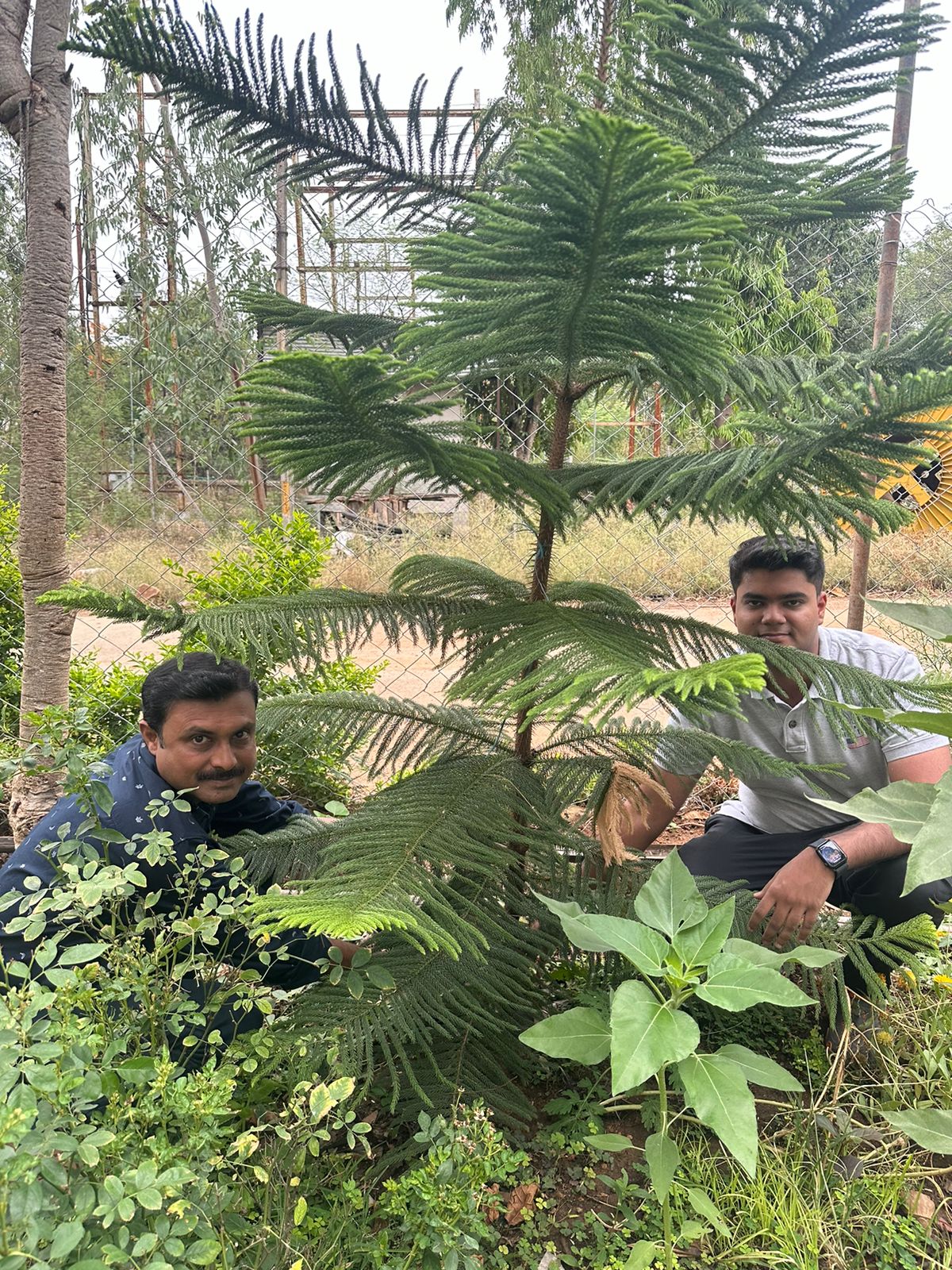
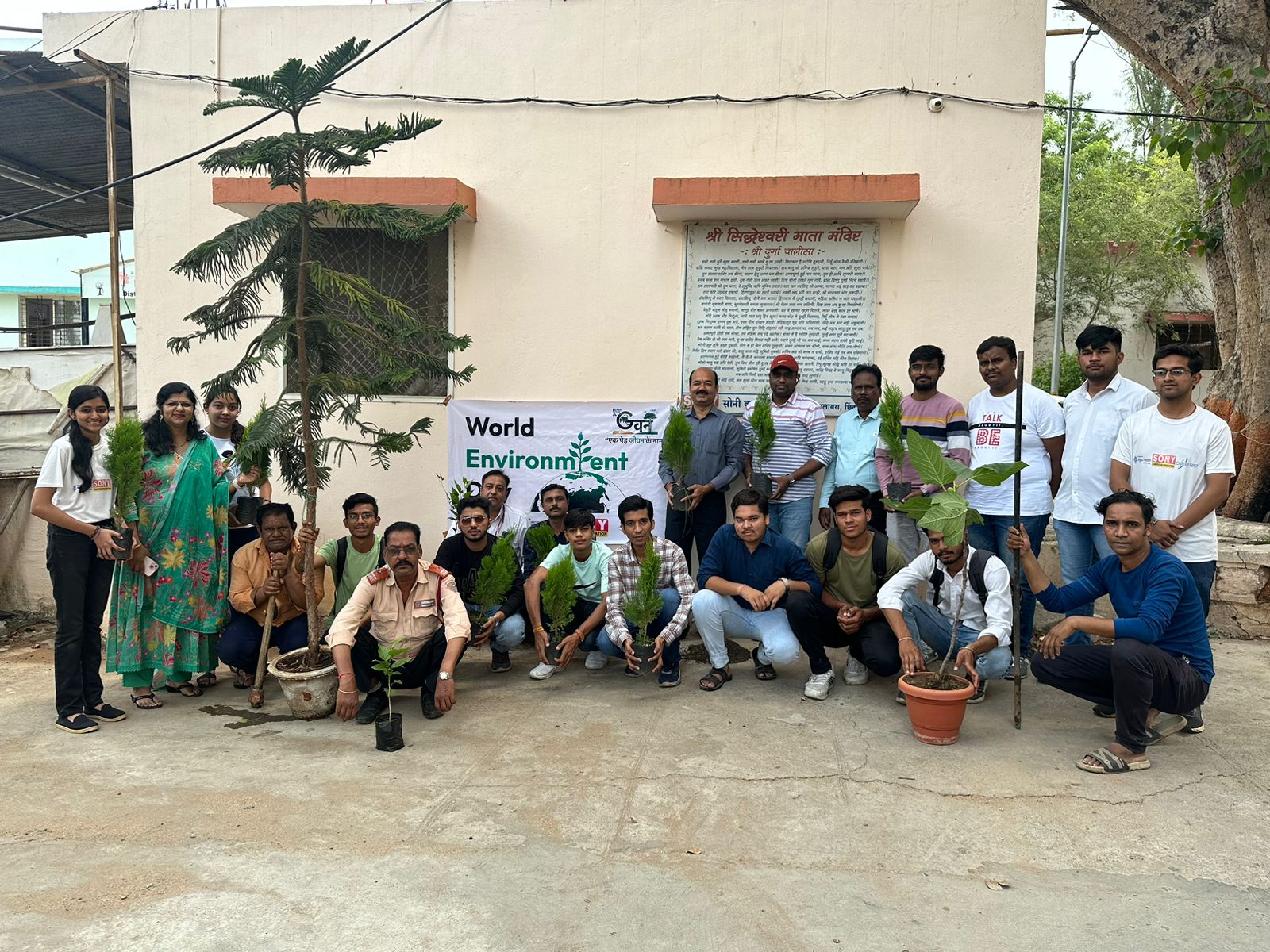
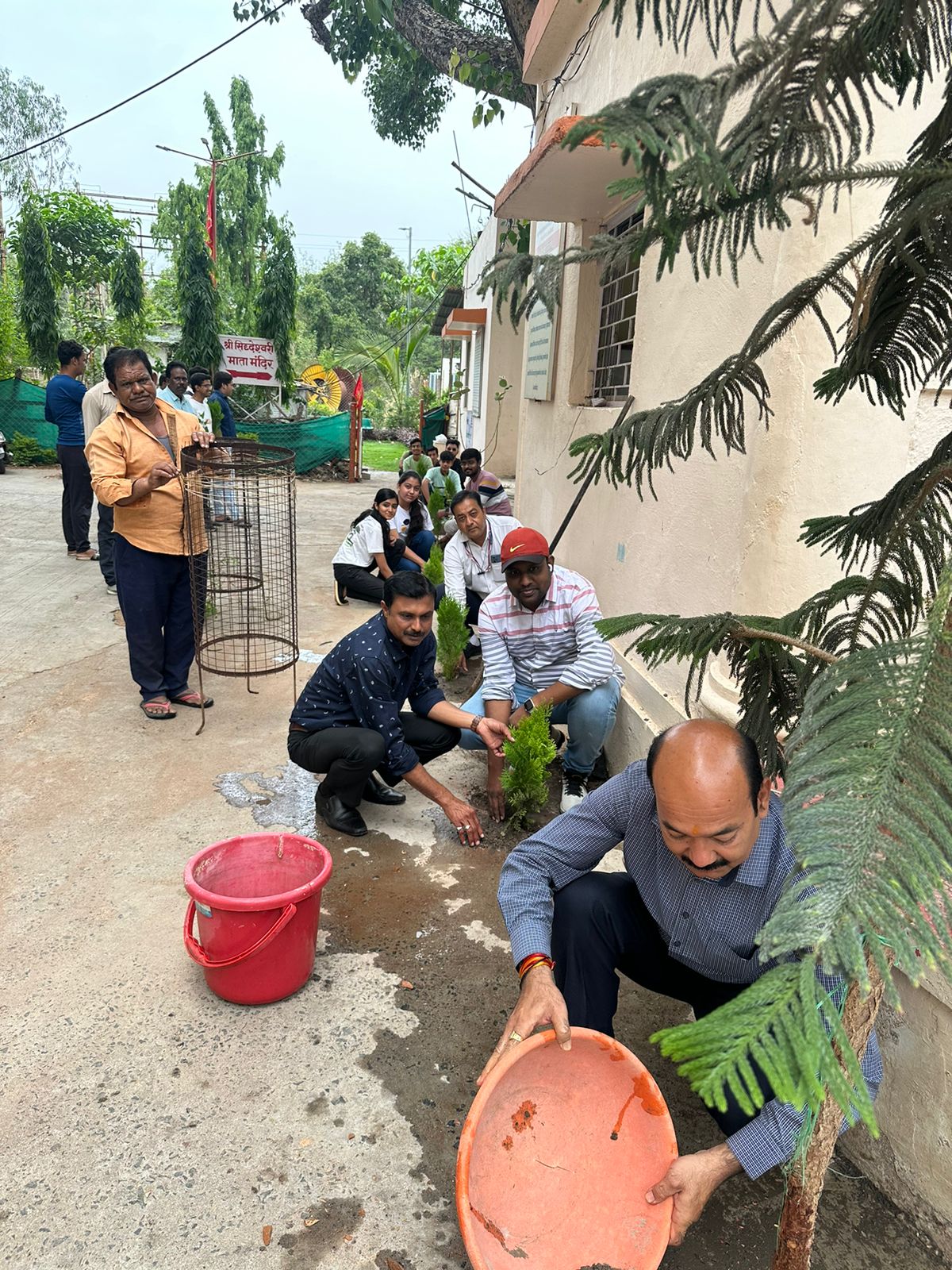
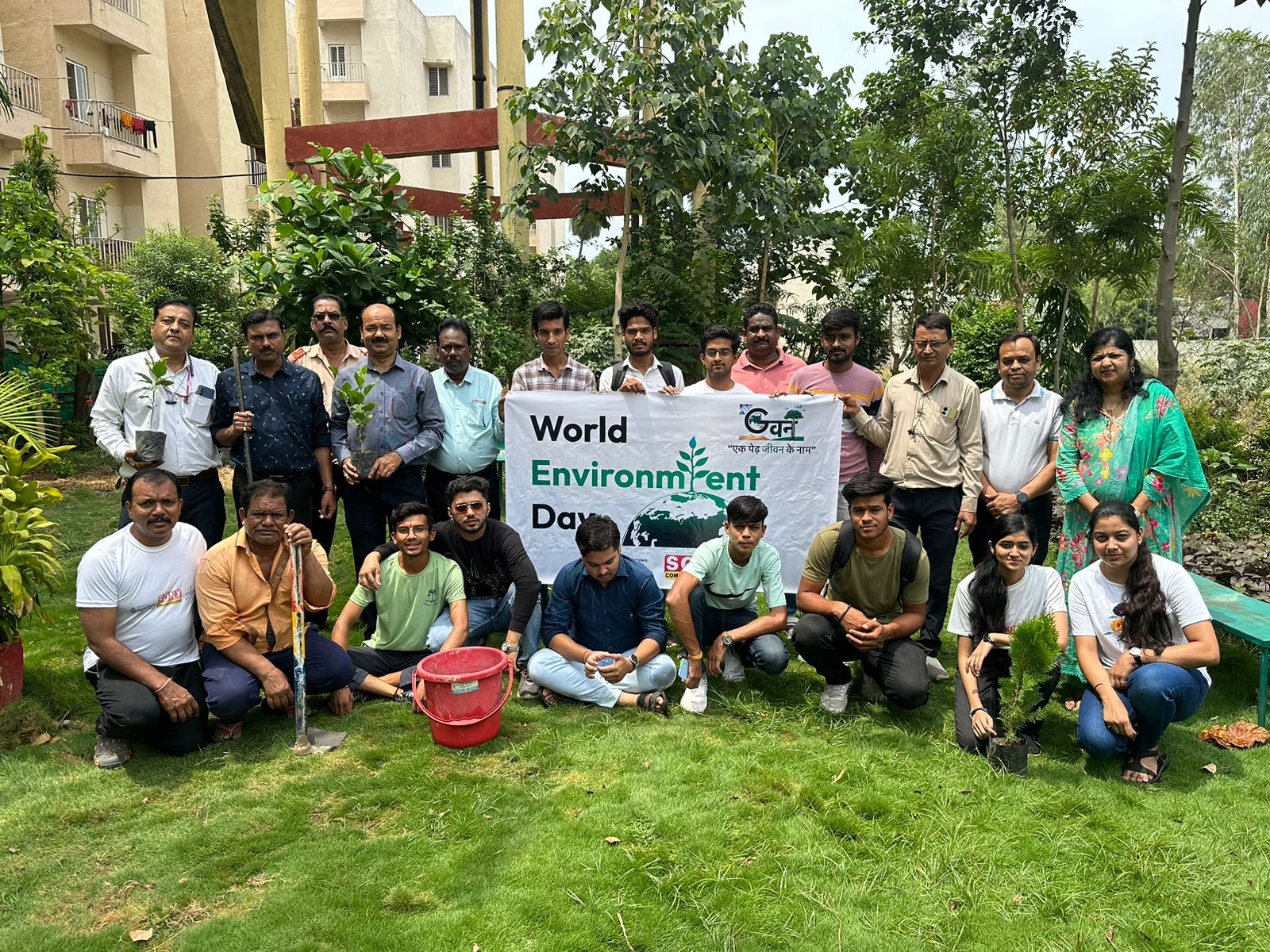
On the occasion of World Environment Day, the international organization IARF, in collaboration with the esteemed district institution Sony Computer Education and GVAN, a dedicated entity for environmental protection and conservation, organized a transformative tree plantation event in the garden at the district hospital premises.
This remarkable initiative was spearheaded by IARF Vice President Aayush Soni and Manish Daniel. Vishwesh Chandel, President of GVAN Samiti, underscored the urgent need to address the global warming crisis. He passionately emphasized that planting and protecting trees is not just an option but a necessity for a sustainable future. He called upon everyone to pledge to plant and nurture at least one tree, thus becoming active guardians of our planet. During this inspiring event, saplings of Amaltas, Christmas Tree, Bael, and Banyan were lovingly planted.
In light of the ongoing water crisis and the sudden increase in temperatures causing severe heat waves, Chandel highlighted the critical importance of such initiatives. Planting trees is a powerful act of hope and resilience, providing much-needed shade, enhancing air quality, and preserving our precious water resources.
The event was graced by the presence of Mrs. Kirti Soni and Manoj Soni, Directors of Sony Computer Education, along with Manish Daniel and our GVAN members.
Our collective progress empowers us to proudly say that we are no longer just planting trees or saplings; we are cultivating vibrant gardens. This transformation stands as a testament to our unwavering commitment to a greener, more sustainable future. Together, we are making a profound impact, turning our vision of a healthier planet into a beautiful reality. Let us continue this journey with renewed vigor and dedication, knowing that every tree we plant today is a gift to future generations.
IARF-US Launches Monthly Discussion Series
The US Chapter of the International Association for Religious Freedom is excited to announce a new monthly discussion series. On the third Wednesday of each month between April and December 2024, presenters will share their personal global spiritualities or alternately provide suggestions for how to support the United Nations’ Sustainable Development Goals (SDG)—an essential element for maintaining humanity’s spiritual freedom.
The one-hour sessions will begin at 4pm (PDT) on the designated dates, and attendees are welcome to listen or participate in the discussions following each presentation.
April 17
4:00 PM PDT (UTC-7)
John Young describes his daily and weekly spirituality practices drawn from many of the world’s major religions.
May 15
4:00 PM PDT (UTC-7)
George Garland talks about the role of the US Commission on Religious Freedom.
June 19
4:00 PM PDT (UTC-7)
Professor Kunihito Terasawa discusses his combined practices of Rissho Kosei Kai Buddhism and Evangelical Lutheranism.
July 19
4:00 PM PDT (UTC-7)
George Garland addresses the Sustainable Development Goals (SDG) and Planetary Boundaries – A Safe Space for Spirituality.
August 21
4:00 PM PDT (UTC-7)
Rahul Young discusses SDG #7: Affordable and Clean Energy – Electrifying America.
September 18
4:00 PM PDT (UTC-7)
Stephen Schwichow describes how he combines his Buddhist practices with his UU membership.
October 16
4:00 PM PDT (UTC-7)
Leela Stake addresses SDG #5: Gender Equality.
November 20
4:00 PM PDT (UTC-7)
Betsy Darr shares her experience of being a UU Pagan.
December 18
4:00 PM PDT (UTC-7)
John Young discusses how indigenous spiritual traditions can participate in inter-religious dialogue.
Attendees will have the opportunity to learn from speakers with varied backgrounds and experiences, fostering a rich dialogue on the intersection of spirituality and global sustainability.
To participate in this engaging series, individuals can request the Zoom link by emailing Rev. John Young at [email protected]. You can also contact Rev. Young on our Community Platform.
5 July 2021: Beyond Religion: Faith, Environment and Justice, meeting with Don De Silva.
The British Chapter of the International Association for Religious Freedom (IARF) will host a special open online meeting at 2pm UK time on Monday 5 July 2021.
Don De Silva, Former Senior Official at UN Environment Programme, University Buddhist Chaplain and Council Member of the Faith Forum for London, will talk on the topic of “Beyond Religion: Faith, Environment and Justice” followed by a Q&A.
The meeting will be held on Zoom. You can join here.
About the speaker
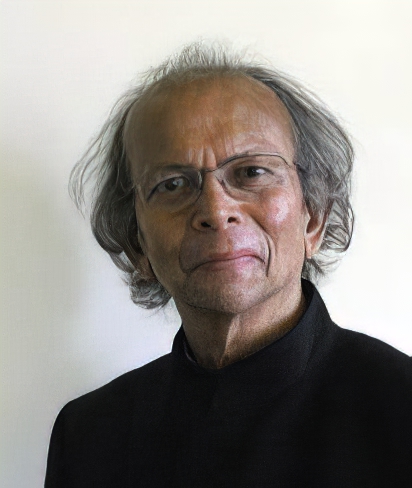 Don de Silva is an environmentalist, journalist, author, life coach, Buddhist Chaplain, and trainer. He worked as a Senior Official with the United Nations Environment Programme (UNEP). He has implemented global effective campaigns to promote sustainability and climate change issues and has participated in creating new forms of environmental diplomacy.
He was part of a team at the UNEP Regional Office for Asia and the Pacific, which facilitated the creation of the South Asian Co-operative Environment Programme (SACEP), the first-ever inter-governmental body in the region.
In the late 1980s, he worked at the London-based International Institute for Environment and Development’s Earthscan programme, where he led a programme to train environmental NGOs in developing countries in advocacy, media and campaigning.
In the UK, he also worked with business ventures to help those from disadvantaged communities to establish small and medium-sized businesses.
A mindfulness trainer, he focusses on the Buddhist foundations of mindfulness, particularly its relevance to sustainable living. At universities, he delivers sessions on areas, such as mindfulness and confidence building, reducing stress and anxiety, mindful learning and speaking.
He combines his skills in creating, managing and implementing value-based solutions to critical issues, through trust-building, conflict resolution, mindfulness and transformational change. He is firmly committed to the Buddhist emphasis that that societal change has to start with oneself.
In the UK, he has created a national network, which enables faith-based community organisations to work together, share experiences, launch joint initiatives, sustain common action to counter disintegration. He firmly believes that we need to think beyond faith, religion and beliefs to tackle issues like climate change.
Currently, he also lectures regularly on issues, such as: COVID-19 and Climate Change; Buddhism, Environment, Advocacy and Change; and Buddhism and Governance.
SACC chairman attends Rio+20
Dr. Thomas Mathew, Chairman of our South Asia regional body, represented IARF in the UN Conference on Sustainable Development (Rio+20), held in Rio de Janerio from June 20-22, 2012.
IARF attended the original 1992 Rio conference, and this was an opportunity for him to represent IARF as one of several religion-based voices on Earth issues.
His report of the event is here (GoogleDoc, 7 pages).
Ethics, Ecology & the Interdependent Web
19 February 2011 – A conference in Croydon, England, sponsored by the International Association for Religious Freedom and the World Congress of Faiths, and inspired by Datuk Leslie Davidson, who received the 2008 Meredeka Award for his service to the people of Malaysia.
Davidson may have done as much to feed the world as any other human being alive today. Where Jesus provided the loaves and the fishes, Leslie has helped provide cooking oil for billions, while conserving much of the Malaysian rainforest (Datuk is an honour similar to knighthood).
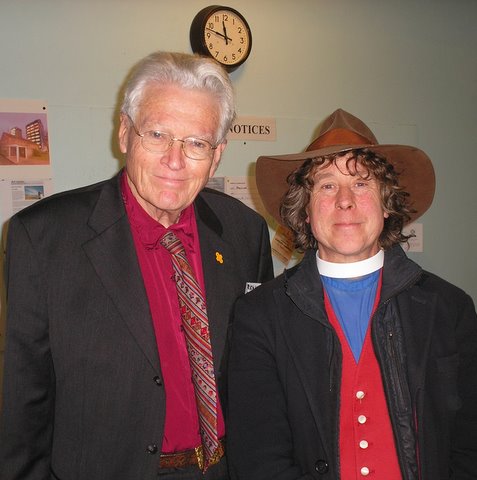
BBC presenter Rev. Peter Owen-Jones opened telling us that Christianity as it is practiced is ruthlessly earnest in being anthropocentric. Christian scripture and ritual is human-centred. Yet we are called to build not just a Habitat for Humanity, but a Habitat for all life: “If we have a loving ecological base for God, this changes the entire way we live.”
Ethics, Ecology and the Interdependent Web – report (PDF).
U. S.Chapter Conference ~ January 2010 Clearwater, FL
Please join us in exploring the challenge and complexity of reconciliation in this world of diverse religious beliefs and interfaith encounters. The U. S. Chapter of IARF and The World Congress of Faiths invite you to attend a winter conference, “Reconciliation with the Earth, Each Other and the Stranger” January 14-17th, 2010 in Clearwater, Florida.
Conference and Registration Information: Conference Information