

Spiritual and Religious Journey to Japan
This May, eleven IARF members from the US, UK, Netherlands, Switzerland and Germany undertook a spiritual and religious journey of two weeks to Japan. Kathy Matsui, member of IARF’s Japan Chapter and one of our UN representatives, accompanied us on the trip, supported for parts of it by Yayoi Kimura of Ittoen and Ritsuko Ushio of the Konko Church.
In Tokyo we were received on the first day by the Buddhist organisation Rissho Kosei-kai, in whose pilgrimage resort we stayed in Tokyo, the Japan Chapter and the Japanese section of the International Association of Liberal Religious Women (IALRW), with a tour of the premises, a tea ceremony, traditional garments, and several presentations.
In Hiroshima, local Chapter members had lunch with us following an impressive visit to the Peace memorial and memorial museum. We spent considerable time in Kyoto and Osaka, visiting amongst others our member organisations Ittoen and the Konko Church, the Aoi Matsuri procession, and having lunch with IARF’s Japan Liaison Committee, alongside visits to several Buddhist temples and shrines. Our thanks also go to our member organisations Mutsumi-kai and Shitenno-ji for their warm welcome and their kind hospitality.
The Ittoen community, due to its location in the hills and its philosophy of humility and servitude, made a lasting impression. Our day at Tsubaki Grand Shrine, in the mountains east of Osaka, taught us about the nature of Shintoism, explained to us in a prayer as adapting to the natural order of things and seeking harmony, and in a way complementary to Buddhism. Koyasan offered two days of meditation and contemplation, with many Buddhist temples, in a beautiful mountainous setting south of Kyoto, where women, until far in the twentieth century, were not supposed to disturb the monks. We stayed in a Buddhist monastery, with vegetarian meals, sober, but delicious.
All participants were united by their sincere interest in classic and modern Japan and their openness to its spiritual traditions, which showed not only during the various encounters with our hosts but also in the talks amongst ourselves. We extend our thanks to all in Japan who made this visit possible. It has shown that enabling personal growth through exchange and common celebration is one of the most valuable aspects of IARF, and that we should undertake more such exchanges.
Here you can read the article that the Rev. Dr. Esther Suter wrote for the World Council of Churches, in which she offers more details on our various visits.
Here you can read the June issue of the Japan Chapter newsletter, in English and Japanese, which includes a piece on the Chapter’s participation in the tour.
Spring 2026 IARF Study Tour to Japan
One valuable aspect of IARF is the opportunity for members from different countries, religions, and cultures to meet and inspire each other. IARF is now planning a tour to Japan for spring 2026 to study Japan’s religious and spiritual traditions, with a particular focus on those connected to our member organisations.
The programme will include meetings with various groups associated with our members and member organisations, as well as activities commemorating the end of World War II and the atomic bombings of Hiroshima and Nagasaki.
Courses from IARF’s online Free Religion Institute, such as the one announced in this newsletter, will be one way to prepare for the study tour. Plans are still in their early stages, but if you are interested, please send an email to [email protected]. This also applies if you have specific suggestions or wishes for the tour (for instance, a particular theme) or if you would like to be part of the preparatory committee. We will keep you informed through future newsletters.
Express Your Interest
IALRW Conference 2025: Power of Dialogue and Partnership
The International Association of Liberal Religious Women (IALRW) will host its 2025 Conference from June 11-16 in Kuching, Sarawak, Malaysia. The conference will be held in a hybrid format, allowing both in-person and online participation. Under the theme “Power of Dialogue and Partnership,” participants will explore indigenous perspectives, interfaith dialogue, and women’s leadership in addressing global challenges.
About the Conference
Building on discussions from the 2023 gathering in Cluj-Napoca, Romania, this five-day program combines academic presentations, interactive workshops, cultural experiences, and networking opportunities. The conference will feature interfaith dialogues with Buddhist and indigenous perspectives, with special attention to their traditions of living in harmony with nature.
The venue, The Waterfront Hotel in Kuching, will also host the 19th Sakyadhita International Conference for Buddhist Women immediately following the IALRW event, creating opportunities for extended dialogue and connection.
Program Highlights
Featured Speakers
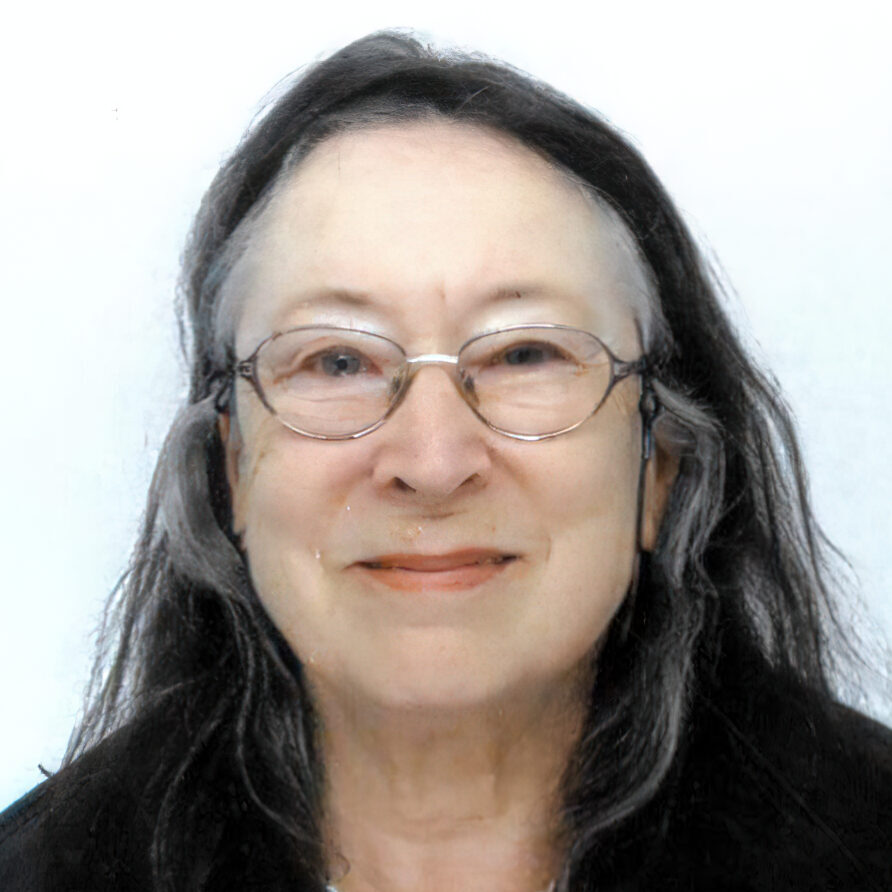
Rev. Dr. Esther R. Suter
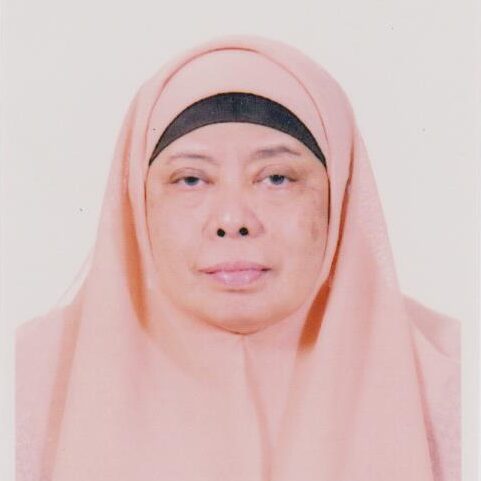
Prof. Dr. Kamar Oniah Kamaruzaman
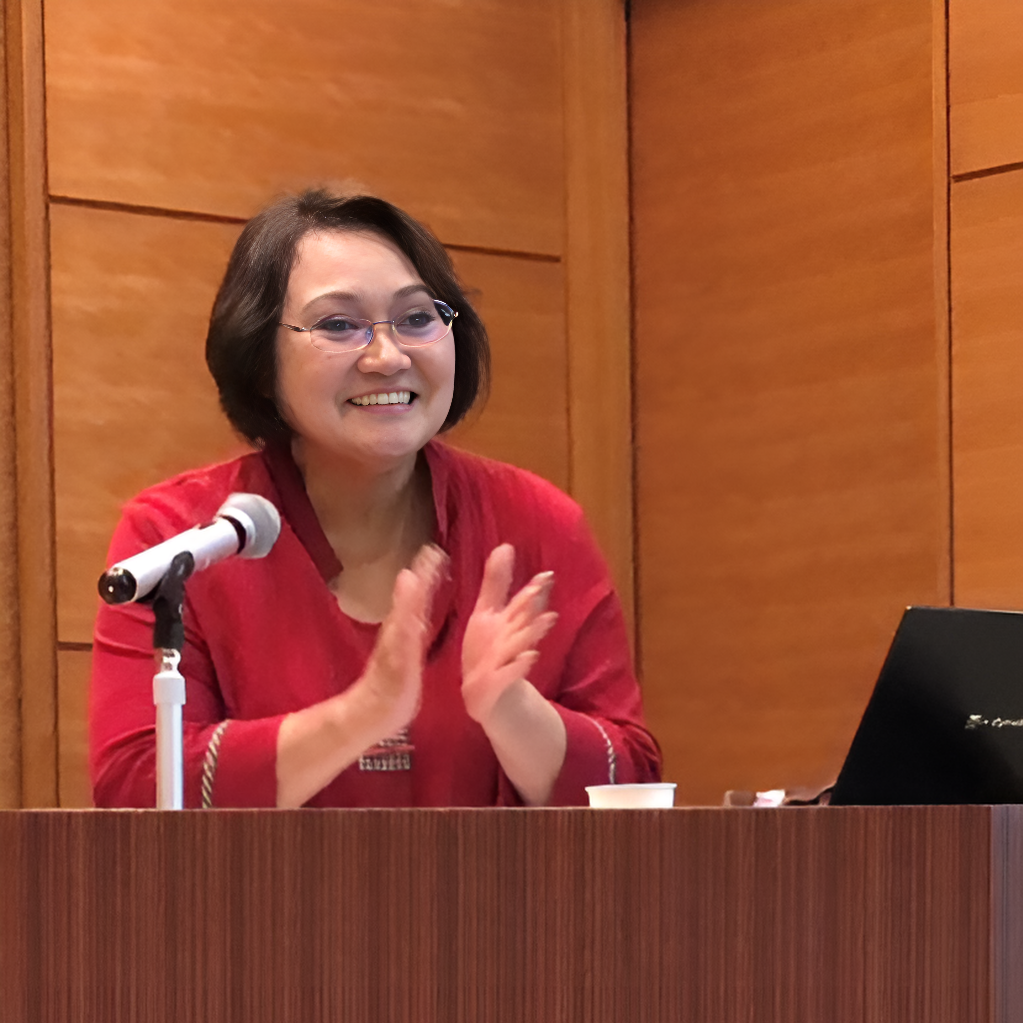
Prof. Dr. Kathy R. Matsui
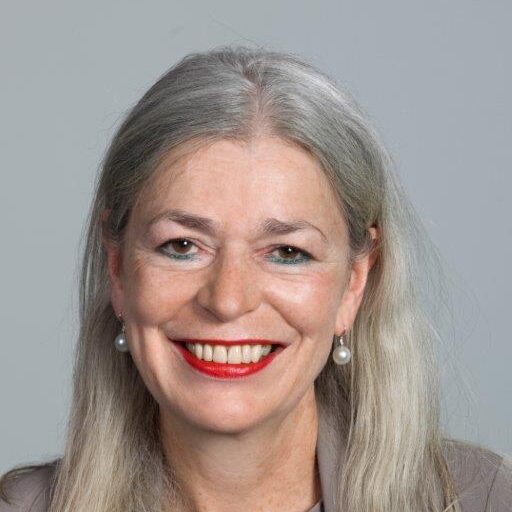
Dr. Thea Mohr
Registration Information
The conference offers two participation options:
Registration is considered complete upon submission of the online form and receipt of payment. For complete details and to register, visit the IALRW Conference 2025 website.
We invite IARF members and friends to join this gathering to explore the power of dialogue across religious and cultural boundaries, and to support women’s leadership in addressing today’s challenges.
Celebrating 40 Years: A Report on the IARF JLC Anniversary Gathering
Objective
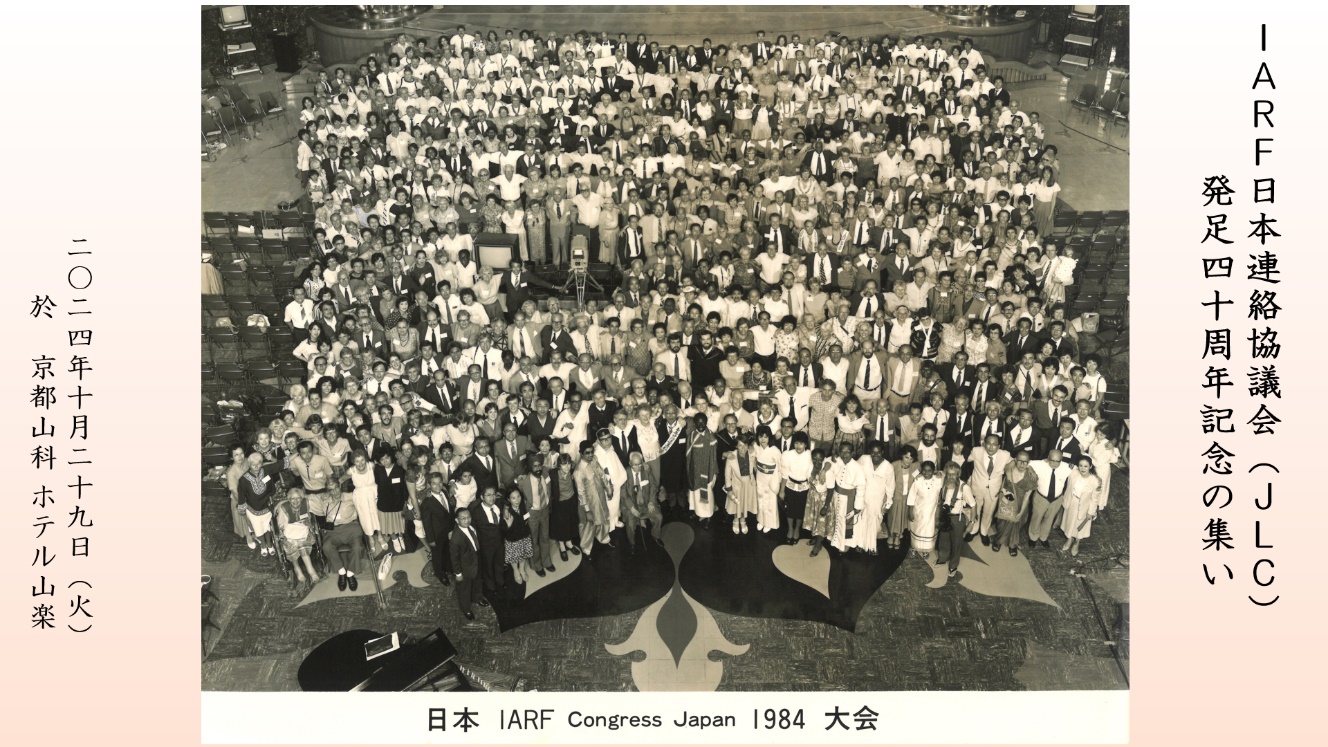
The year 2024, it has been 40 years since the IARF Japan Liaison Committee (JLC) was established on the occasion of the 25th IARF World Congress in Tokyo in 1984. To commemorate this, a gathering was held to celebrate the 40th anniversary of the JLC.
We looked back on the 40 years of the JLC, reflected on the passion of the original members, deepened the exchange between members and wished to continue developing IARF activities in Japan in the future.
Summary
Part 1: Slideshow Session ‘JLC – 40 years of history through images’
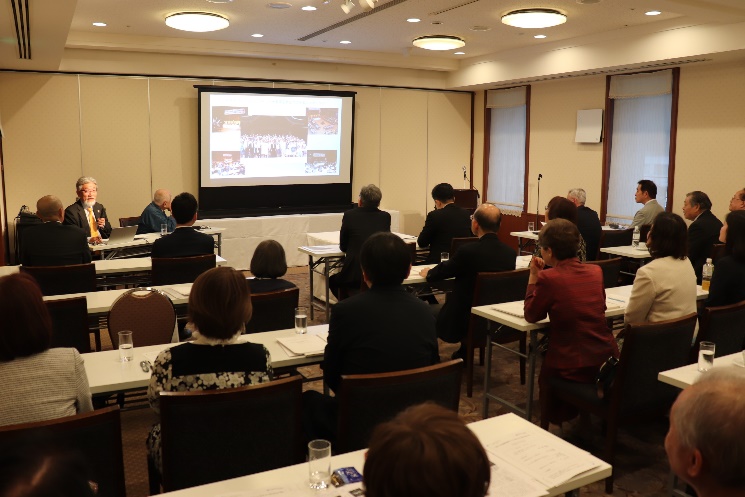
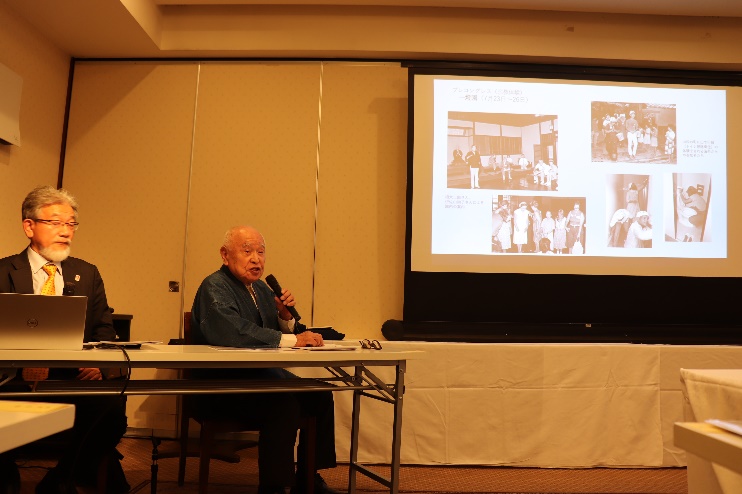
After the MC, Rev. Torazo Tanino, declared the meeting open, Rev. Yukinobu Sahara gave the opening address. The moderator, Rev. Yoshinobu Miyake, and commentator, Rev. Takashi Nishida, were then introduced, and the history of the JLC was reviewed through a slide presentation entitled ‘JLC – 40 years of history through images’.
The history of the JLC was reviewed with detailed explanations by Rev. Miyake of the photos on each slide, as well as reminiscences told by Rev. Nishida and other participants.
While the Tokyo Congress is highly regarded for its overall programme management, it also made a strong impression on international participants in terms of human exchange.
Representatives of Rissho Kosei-kai, Konko Church of Izuo and Tsubaki Grand Shrine first participated in the 20th World Congress held in Boston, USA, in 1969, when the ‘International Congress of Free Christians and Other Religious Liberals.’ was renamed the ‘International Association for Religious Freedom’.
In 1981, Rev. Nikkyo Niwano of Rissho Kosei-kai was elected as the first Japanese president of the IARF. In 1984, Tokyo was chosen as the venue for the 25th World Congress of the IARF, the first time in Asia.
The Japanese member groups organised the JEC (Japan Congress Executive Committee) and meticulously prepared for the Tokyo Congress. Several options were prepared not only for the main congress programme but also for pre-congress tours and post-congress tours, including programmes to introduce and exchange Japanese culture in particular.
After the great success of the Tokyo Congress, the ‘Japan Congress Executive Committee’ was taken over by the ‘IARF Japan Liaison Committee (JLC)’, which later developed IARF’s activities in Japan. Since then, several members of the JLC have served continuously on the IARF International Council, and have also made their significant international contributions, such as the election of Rev. Yukitaka Yamamoto of the Tsubaki Grand Shrine as International President in 1996 and Rev. Mitsuo Miyake of the Konko Church of Izuo in 2010. A number of JLC members have also willingly participated in IARF World Congresses held in various cities around the world.
In addition to these international activities, the JLC has held regular liaison meetings several times a year to share information on domestic and international activities, and has also organised fieldworks and study sessions in Japan.
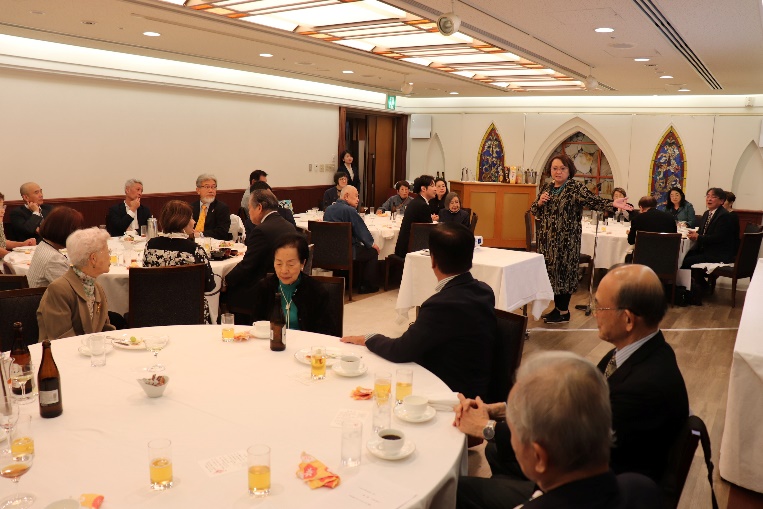
After showing the slides, Rev Kosuke Shiba of the Japan Chapter gave a closing address and led the closing prayer to conclude the first part of the meeting. And then, all of a ll the participants took part in a group photo.
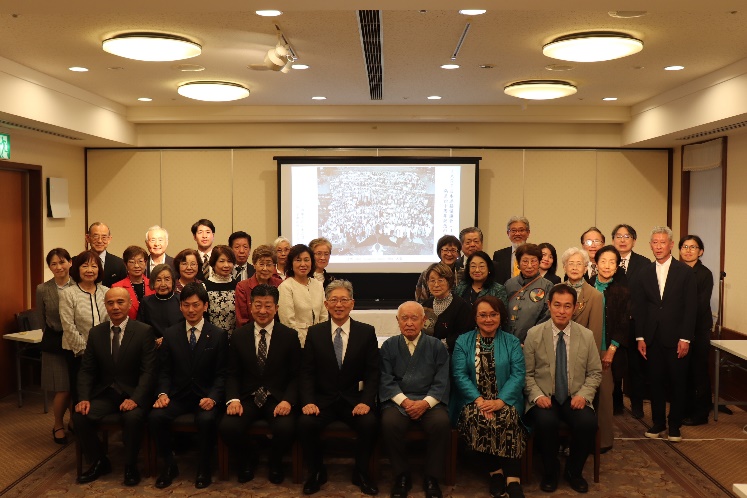
Part 2: Social Gathering
The second part of the meeting was a social gathering to celebrate the 40th anniversary and to deepen mutual exchange among members. After an opening address and opening prayer by Rev. Kazuhiro Motoyama of Tamamitsu Shrine, congratulatory speeches were given by three people. First, we received a congratulatory address from Rev. Nichiko Niwano, President of Rissho Kosei-kai, read on his behalf by Rev. Yukinobu Sahara, followed by a congratulatory address from Rev. Mitsuo Miyake of Konko Church of Izuo, who served as the 33rd President of IARF. Dr. George Williams, the current IARF President, also delivered a congratulatory message, which was read on his behalf by the MC, Mr. Souru Tanino.
Following a toast led by Rev. Toshihide Yamamoto of the Mutsumikai, participants enjoyed a meal while socialising. Each of the Japan Chapter and IALRW members present was introduced. A short video created by President Williams to commemorate the Tokyo Congress was also shown, as well as photos that could not be included in Part 1 due to time constraints. Ms. Haruyo Masuda, a participant from the Japan Chapter, spoke about her experience of hosting participants at the 1984 Tokyo Congress, which included a programme of ‘home visits’. Rev Mitsuo Miyake expressed his gratitude and appreciation to the secretariat staff and others involved in the preparations for the day.
We also enjoyed a video recording of the 25th IARF Congress held in Tokyo in 1984. All of the participants shared cheerful moments. With the closing speech and prayer led by Prof. Kathy Matsui, the whole programme of the gathering came to a joyful close.
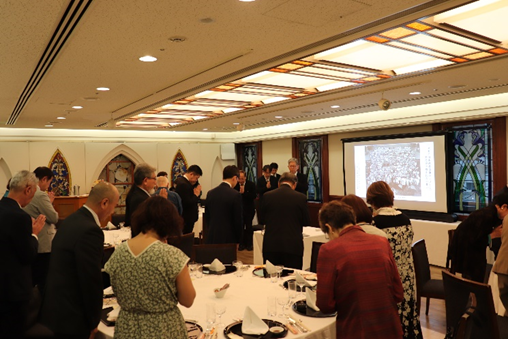
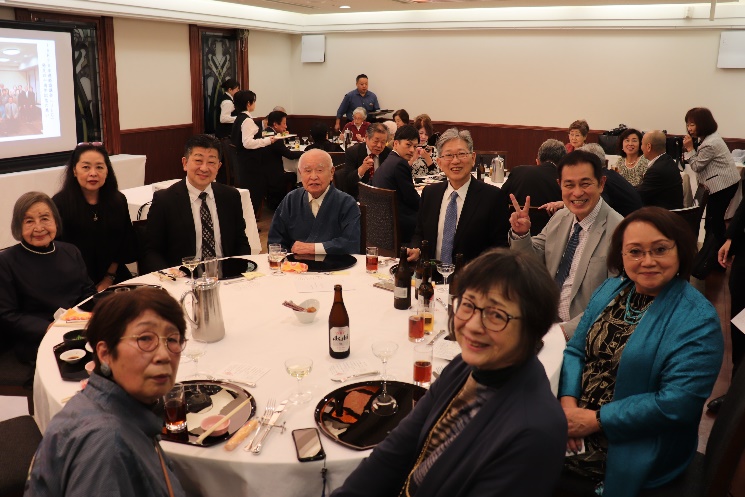
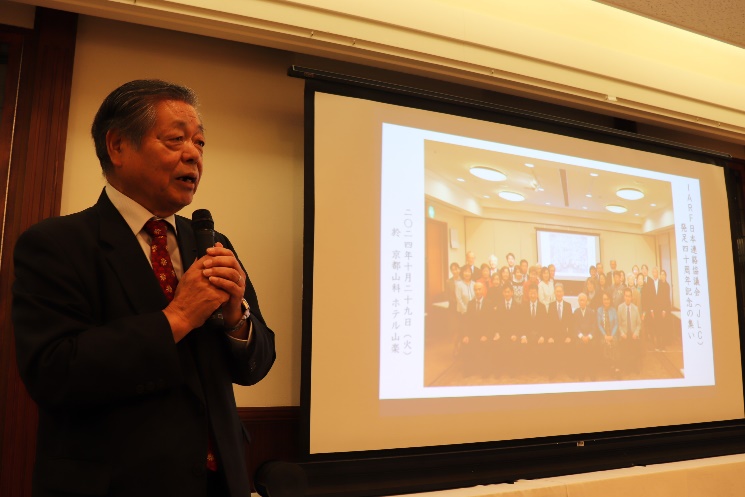
IALRW Interfaith Seminar in Malaysia
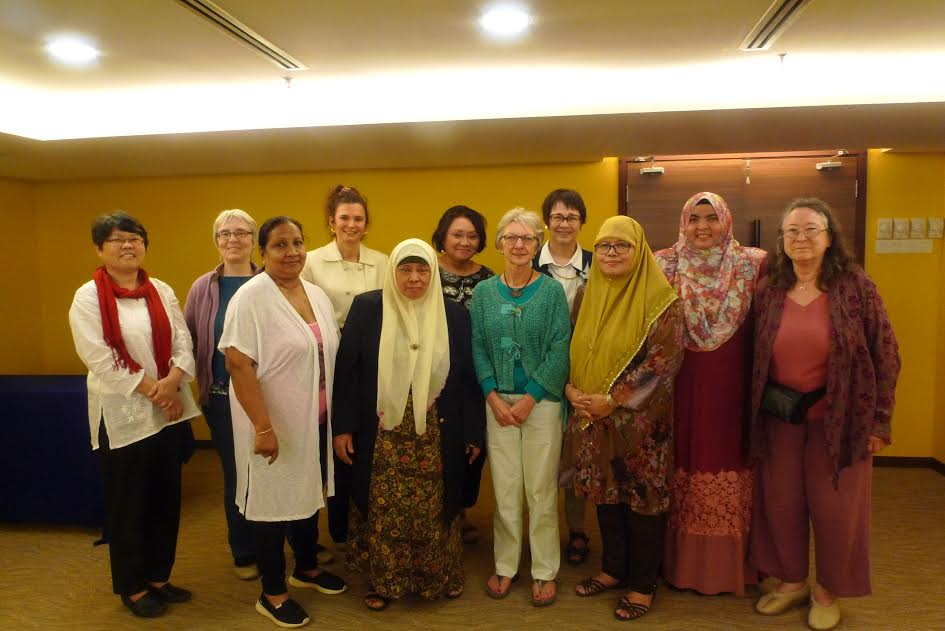
The International Association of Liberal Religious Women, a branch of the IARF and one of the oldest interfaith women’s organizations in the world (founded in 1910), co-organized an interfaith seminar in Malaysia on 7-8 February. The seminar brought together women from Malaysia, Yemen, Myanmar, Cashmere, Sri Lanka, Japan and Europe, and included two public sessions: “Plight of Domestic Helpers: Interfaith Perspectives” and “Conflict and War: Direct Accounts.”
Rev. Esther R. Suter, IALRW Vice-President from Switzerland, summed up the sessions as follows:
Domestic helpers is a crucial topic in Malaysia with
mainly women (“maids”) coming from Indonesia, often immigrants without a legal status or documents. Faith communities such as Muslim, Buddhist, Hindu, Christian (Roman-Catholic) Sikh and Taoist exposed the situation and presented their approach on a spiritual as well as social, moral and communitarian level.Although the women gathered in Kuala Lumpur had a variety of approaches, presented separately, they managed to formulate firm recommendations to be addressed to the government, for training, support and protection of workers; regulation of agencies providing staff; and fostering right relationships with workers within families, respecting them as human beings.
…
The topic “Conflict and War: direct accounts” was presented by four IIUM students. They came from Burma, Yemen, Kashmir and Syria. With the exception of the student from Kashmir, they all presented conflict situations involving Muslims and another faith group and exposed the political conflict as an intentionally created religious conflict, which exploits religions for political and power strategies.
Here you can read the full report by Rev. Suter published at oikumene.org, and here her more detailed account of the stories told by four participants of the seminar: women from Myanmar, Yemen, Cashmere and Malaysia from protestinfo.ch (in French).
Japan: Memorial Symposium on the 200th JLC Meeting
Below you will find a report prepared by the Japan Liaison Committee of the IARF (you can read more about it here) from its most recent symposium.
Date: 9th October, 2016 14:00-17:00
Place: Hall of Soryo, Ittoen, Kyoto
Theme: Eliminate the Borders ~ Actual Situation of Refugees in Japan
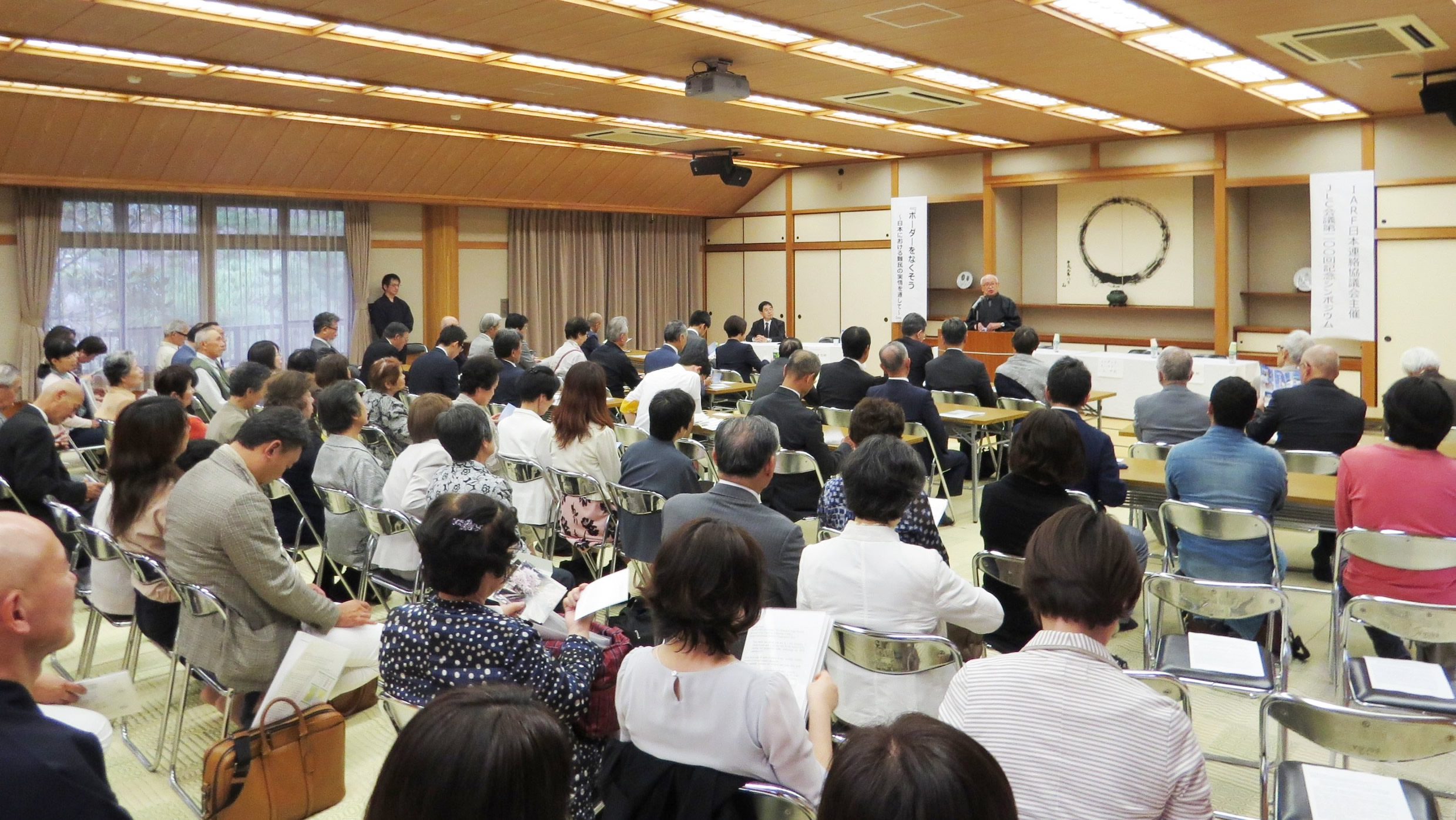
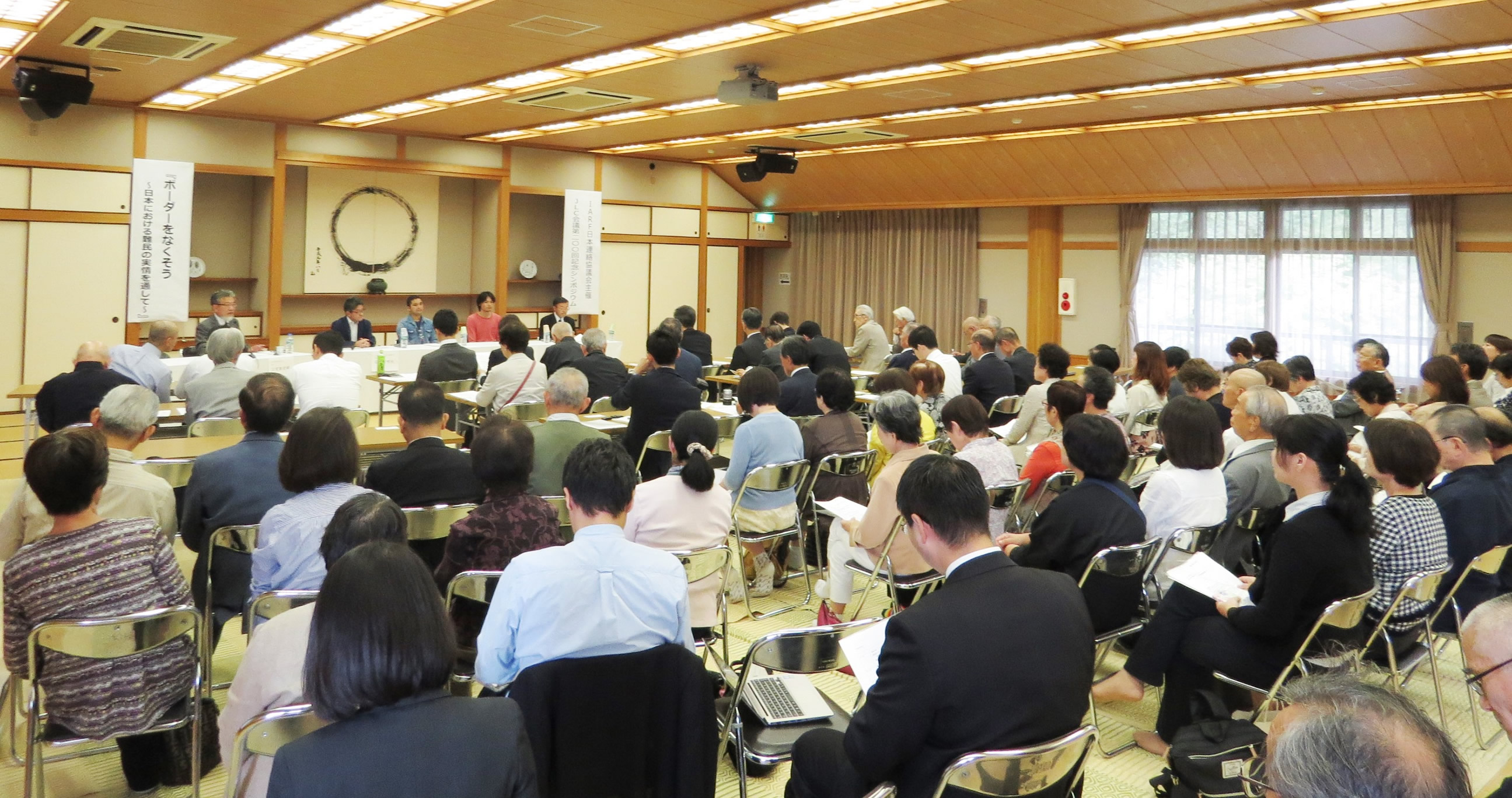
A symposium in commemoration of the 200th JLC meeting took place at Ittoen, on a fine autumn afternoon. At 2.00pm, following welcome remarks by Rev. Toshifumi Takisawa of Mutsumi-kai, the MC of the day, Rev.Takeshi Nishida, the head of our host Ittoen, delivered an opening speech that gave a brief history of IARF and JLC. He enjoined the Symposium to be fruitful. Then, Ms.Peggy Kanada, Vice-President of IALRW, led the audience in an opening prayer. She offered a prayer for peace with the hope that refugees, and all victims of violence and social persecutions could go back eventually to their old homes, but meanwhile should be guaranteed basic human rights (including jobs and education) to maintain hopes for the future in their host countries.
Session 1 “Actual Situation of Refugees in Japan”
The Program consisted of two sessions.
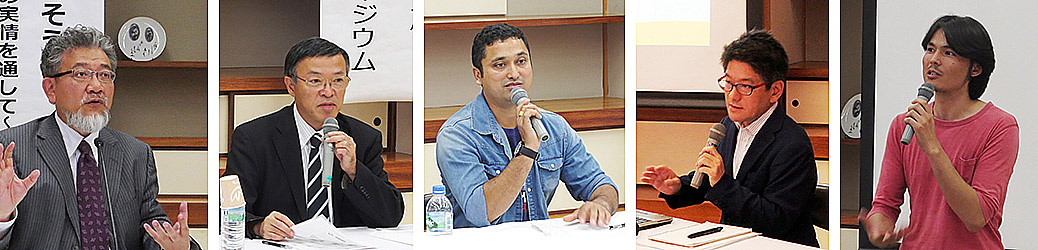
In the first session, three speakers delivered presentations aimed at showing the present situation of refugees in Japan. The first speaker was Mr.Hiroaki Ishii, the Executive Director of Japan Association for Refugees (JAR). The second one was Mr.K.C.Deepak, a refugee from Nepal, accepted to residency in Japan. And the last was Mr.Eedak Mohammad Reza, who has escaped from Afghanistan and is seeking permission to stay.
1) Mr. Hiroaki Ishii
The first speaker was Mr.Hiroaki Ishii, the Executive Director of JAR. He gave a brief overview, especially about the legal system concerning refugees in Japan, using Power Point slides. He referred to different kinds of procedures/requirements a refugee must meet when arriving in Japan, what kind of assistance they need, and what JAR is doing for help them. He also mentioned that ‘nanmin’ (‘refugee’ in Japanese) is recently used not only in an original meaning of the word (a person who has escaped from their own country due to politics, religious persecution, war etc.) but also in a broader sense (any person confronting difficulties in living in their home countries, such as millions of people who cannot return to their residential area by public transportation’s trouble caused by natural disaster, or people who have no fixed address which was triggered by disemployment and family infighting, etc.). This larger conception of ‘nanmin’ makes it difficult to understand the real refugee issue.
2) Mr. K.C. Deepak
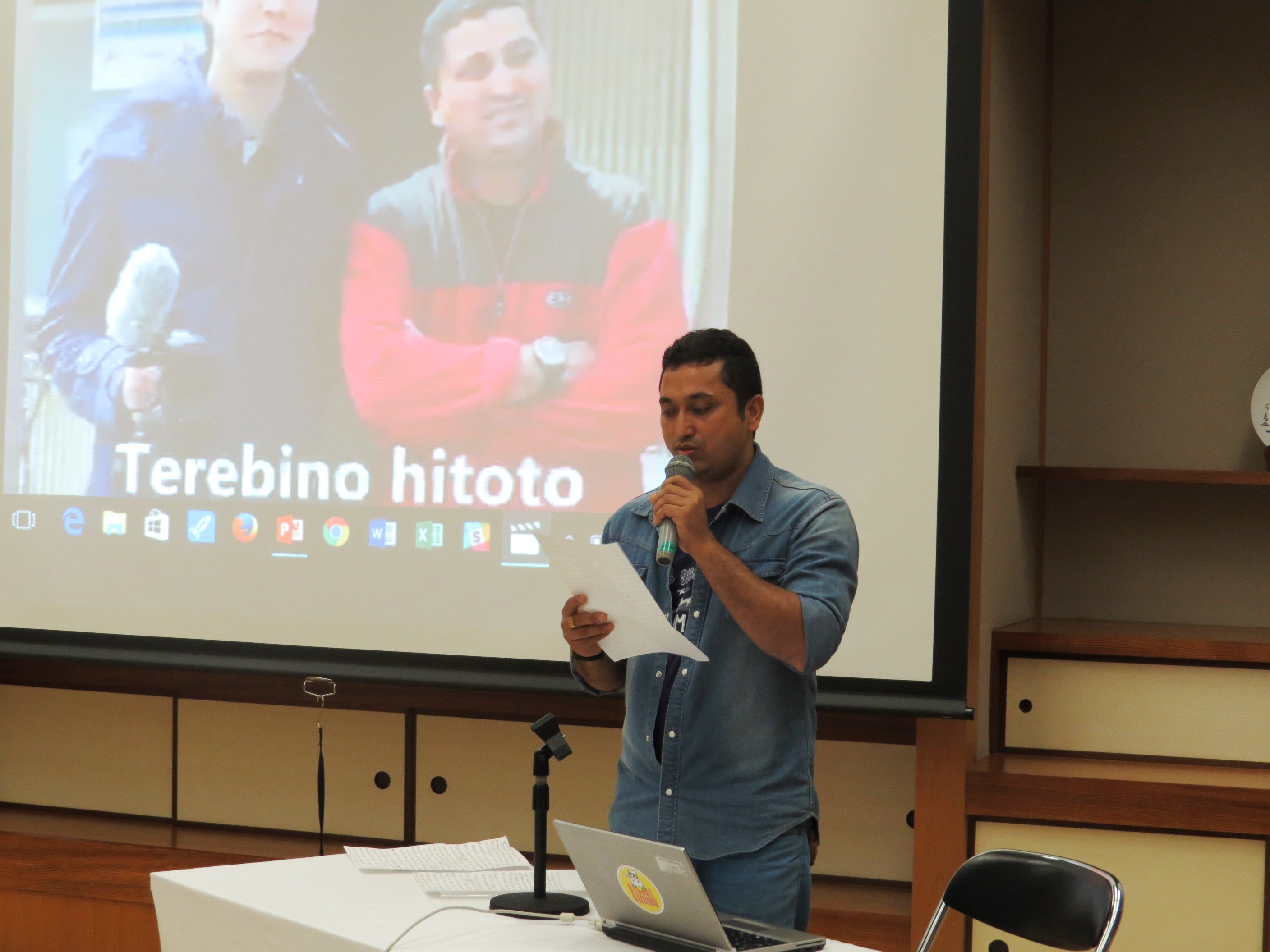
Mr.Deepak told the story how he came to Japan as a refugee, and how he lives in Japan, by explaining many pictures in fluent Japanese, which he learned after he came to Japan.
He and his family had worked for the King of Nepal, so they were persecuted by Maoist antigovernment forces. He escaped to Japan in 2004. For the first several years, he had difficulty finding food and shelter and it took 4 years of applying to be given refugee status by Immigration Authorities. His leg was hurt by torture from Maoists, but he was not able to access any medical care at hospitals in Japan at first because he could not get health insurance coverage without receiving refugee status. He would have had to pay prohibitively high medical expenses. Thanks to many people’s support, he found a place to live in Toyokawa, Aichi Prefecture. After he was given proper status, he was allowed to work and could go to any hospital using national health insurance (but has suffered permanent damage to his leg).
In 2015, a big earthquake hit Nepal and caused huge damage. He stood often in front of Toyokawa Station with his friends to ask for donations for the earthquake victims. Bonding over this, he made a community with other Nepali in the area.
The organization has grown to 82 members now, and they are committed to volunteer activities such as cleaning local areas, or aiding Japanese victims of disasters.
3) Mr. Eedak Mohammed Reza
Mr. Mohammed Reza was born an Afghan in a refugee camp in Iran, and got back to Afghanistan at age 10. Then he lost his parents at age 15 and had to take care of his 3 younger sisters. He worked as staff for the Japanese NGO called “Lala Association” which helps orphans in Afghanistan. This work led Taliban enforcers to label him ‘Kaffir’ (= one who has apostatized from Islam). They suddenly attacked and jailed him. Taliban allows only Muslims to exist in Afghanistan. When someone helps Kaffirs, they are deemed to be the same non Muslims. Mr.Reza emphasized that he is Muslim. However, he also said that all the religions are equal with every religion having moral precepts. Despite his Muslim faith, he was attacked and driven to leave his homeland in fear for his life.
When he arrived in Japan, he was really uncertain about his future. Although some people advised him that it would be very difficult to be given official refugee status in Japan, he felt he had no choice but to apply. It has been rejected already twice, but with nowhere else to go he has re-applied. He also confronted many difficulties of living in Japan: language, jobs, lodging and so on. But he said that he was lucky to be able to get support from the people around him. Now he studies at Doshisha University in Kyoto, and is preparing for further study in graduate school.
He emphasized that he never wanted to be a refugee. He thinks that getting refugee status is not the way to be happy for him, but he has no other options. Japan is a livable and peaceful place but it is not his own country. His sisters, of whom he has sole responsibility, cannot come to Japan. He eagerly desires to find a way to return his homeland and live with his family someday in the future.
Session 2 Panel Discussion: “Eliminate the Borders – Actual Surroundings of Refugees-“
After having a tea break, the Second session, a panel discussion themed on “Eliminate the Borders- Actual Situation of Refugees-“, started.
The Rev. Masahiro Nemoto, the special appointed executive for Inter-religious Cooperation of Rissho Kosei-kai, was invited as a panelist in addition to the three speakers of the first session. An energetic discussion was conducted by the moderator, Rev.Yoshinobu Miyake, Superior General of Konko Church of Izuo.
The Rev.Nemoto expressed his thoughts as following:
‘Through my longtime involvement to support refugees, I always consider “refugees” as “my family”. I want to help them the same as a family member living together. Accepting them as a family, what can “we (an organization)” or “I (individual)” do for them as necessary aid until the time comes when they will be able to go back to their homeland? I hope those gathered here today, will develop your thinking on this issue, and share it with others’.
After explaining the vague concern of the general public that some terrorists may enter into the country with refugees, Mr.Ishii pointed out the incorrect nonsense of this fear. It is much easier to enter the country as a tourist than as a refugee if a terrorist should want to come to Japan. Further, in Europe, “home-grown” terrorists are more serious problem than “visitors.” In Japan, it seems that our political leaders hesitate to make decisions to admit more refugees because of this tiny perceived risk. On the other hand, Japan can be considered a safe and hospitable country where people are kind to the others. He hopes to exploit this advantage to help refugees.
Rev. Yoshinobu Miyake, the moderator of the symposium, asked Mr.Deepak about the situation of communities of Nepali in Japan. Mr.Deepak answered that he does not know about other Nepali communities in Japan, but since he launched his own Nepali community organization in Toyokawa, where he lives, he can point to their responsible behavior and civic commitment to volunteer activities in their locality.
Rev.Miyake pointed out one big flaw of Japanese immigration rules about refugees, that is to say, that refugees who came to Japan due to the persecution only by their government, are acceptable but those who were threatened by rebel groups or guerrillas are not recognized as a refugees at the first application stage. Then he asked Mr.Reza about the current situation of Afghanistan. Mr.Reza replied, “It is too complex to describe in a short summary. There occurs every possible type of violence, conflicts and accidents, and these bad events continue. This complexity stems from the rough rapprochement process between the current Afghani government and the Taliban that ignores the responsibility of perpetrators and the bloodshed of the recent past.
In reacting the questions from the audience, discussion was ongoing about how can we break the cycle of hatred, or what kind of educational approach is required for the future generation.
In conclusion of the QandA session, Mr.Ishii expressed his gratitude to religious groups which have offered great support since Japan accepted refugees from Indochina 40 years ago, and his thoughts about more possible support from the private sector. For this, it is necessary to make the public understand the issue, and to make them feel that to assist refugees is our “responsibility”, no a “burden”. He also hopes religious people will foster an atmosphere that dissolves the negative views about refugees.
Mr.Reza said that he sometimes feels that some people look down on refugees, and it makes him very sad. Even if there are differences of languages, nationality or cultures, we have the same worth as a human. He appealed that they should know that anyone who is in such a situation is only a refugee because of unavoidable reasons.
Concluding the session with a big applause, Rev. Takisawa announced some information about the next IARF World Congress.
Then Rev. Kosuke Shiba, a priest of Tsubaki Grand Shrine, took the rostrum as the representative of IARF Japan chapter and led the audience in a closing prayer. It is ‘arigatai’ (thankful, literally ‘hard to be happening’) that we can live in a country at peace. Please join in a prayer for the peace, not only for Japan, but also for other countries.”
At the end, the Most Rev.Mitsuo Miyake, Chief Priest of Konko Chuch of Izuo, who gives a strong support to the IARF as vice president, delivered a closing address. He looked back on the 32 year path of JLC to come to this 200th regular meeting with deep feeling, and expressed his gratitude for the efforts of his predecessors. He directed us to think of people who have no chances to study, or even to lead lives safe from dangers. He expressed thanks for this opportunity to learn about refugees, and took a vow that the JLC and each member of us will contribute for mutual prosperity. Then he closed his speech with a word of thanks.
Just before the Rev. Takisawa wrapped up the session, the Rev. Nishida introduced Ittoen briefly for those who visited here for the first time. The program of a fruitful symposium was complete.
*Number of Participants: 93
Breakdown:
Rissho Kosei-kai: 24; Konko Church of Izuo: 20; Mutsumi-kai: 7; IARF Japan Chapter: 12; IALRW 1, Ittoen: 26, Press: 3.
17th UPR Session – Country Review of Malaysia
Country Review of Malaysia
Malaysian Government Statements (Opening, Closing, Country Report) [upload pdf]
Media Statement: http://www.ohchr.org/EN/HRBodies/UPR/Pages/Highlights24October2013pm.aspx
First Cycle: Date of consideration: 11 February 2009 – 2.30 p.m. – 5.30 p.m.
Second Cycle: Date of consideration: 24 October 2013 – 2:30 p.m. – 6:00 p.m.
Draft Working Group Report: First Cycle [upload pdf], Second Cycle [upload pdf]
Statements on Freedom of Religion or Belief by the Delegation of Malaysia:
66. The delegation further discussed the constitutionally guaranteed freedom of religion in Malaysia which is subjected to the constitutional restrictions pertaining to the propagation of other religion or belief on Muslims and the preservation of public order and national security. Malaysia explained on the recent Court of Appeal decision dated 14 October 2013 on the case concerning the Herald – the Catholic Weekly. In gist, the Court decided clearly that the Minister’s decision to ban the use of the word “ALLAH” in the Malay version of Herald is constitutional and legal. The Court ruled that the Minister’s decision was based on legitimate grounds of public safety and public order as such action raised religious sensitivities in Malaysia. The Minister’s decision as a preventive measure to ensure public safety and public order in Malaysia is legal and also in compliance with the laws to control and restrict the propagation of religious doctrine or belief among Muslims.
73. Malaysia emphasised that Islam and Islamic administration of justice under the Syariah has a long history in Malaysia. The status of Islam as the religion of the Federation and the freedom to practice religions other than Islam is also enshrined in the Constitution.
130. The delegation responded to questions and comments raised in the preceding interactive dialogue by reiterating that Orang Asli rights to land, beliefs, culture and non-discrimination are clearly provided for by the Federal Constitution and the Aboriginal People’s Act 1954.
Recommendations on Freedom of Religion or Belief by other States:
|
State |
Recommendation |
Reference in Report |
|
Canada |
Take concrete steps to implement its commitment to promote and protect the rights of all people to worship in peace and security without discrimination or restriction
|
146.153 |
|
China |
In accordance with national circumstances, continue to strengthen mutual respect and tolerance and different cultures among religions and maintain social plurality while maintaining improved family harmony and respect for women
|
146.87 |
|
Italy |
Revise Malaysia’s legislative framework in order to ensure freedom of religion or belief for all
|
146.152 |
|
Sudan |
Continue its efforts to promote inter-religious dialogues and reconcile different schools of Islamic thoughts and other religions
|
146.154 |
|
Austria |
Continue efforts and engage in a structured interfaith dialogue, including religious minorities
|
146.155 |
|
Austria |
Take measures to ensure that all persons, including Muslims, can freely exercise their right to freedom of religion and belief, without interference by the state and including the right to change their religion |
146.156 |
17th UPR Session – Country Review of China
Country Review of China
Chinese Government Statements (Opening, Closing, Country Report) [upload pdf]
Media Statement: http://www.ohchr.org/EN/HRBodies/UPR/Pages/Highlights22October2013am.aspx
First Cycle: Date of consideration: Mon 9 February 2009 – 9.00 a.m. – 12.00 a.m
Second Cycle: Date of consideration: Tues 22 October 2013 – 9:00 a.m. – 12:30 p.m.
Draft Working Group Report: First Cycle [upload pdf], Second Cycle [upload pdf]
Statements on Freedom of Religion or Belief by the Delegation of China:
17. China has taken concrete actions in protecting people’s freedom of speech and freedom of religious belief in accordance with law. People can express views freely through microblogs, postings and other means. There are 5,500 religious organizations, 100 religious universities and 140,000 sites for religious activities.
19. Minority ethnic groups enjoy extensive human rights. Their freedom of religious belief and the right to use and develop their spoken and written languages are respected and guaranteed.
90. China protects the lawful rights and interests of religious groups and religious sites. Citizens enjoy full range of religious freedom. Those who engage in unlawful or criminal activities under the disguise of “religions” are punishable by law.
91. Remarkable achievements have been made in human rights endeavours in Tibet, where traditional culture and religious freedom are protected. The affordable housing projects in Tibetan-residing areas have been carried out on a voluntary basis, to the satisfaction of vast majority of farmers and herdsmen.
Recommendations on Freedom of Religion or Belief by other States:
|
State |
Recommendation |
Reference in Report |
|
Albania; Chile; Belgium; Hungary; Japan; Maldives; Spain; United Kingdom of Great Britain and Northern Ireland; Sierra Leone; France; Brazil; Bulgaria; Estonia; Ghana; |
Ratify the ICCPR |
176.1. |
|
Slovakia |
Follow the approach it took for economic, social and cultural rights with respect to civil and political rights, including freedom of religion or belief and the right to a fair trial
|
176.54 |
|
Australia |
Expedite legal and institutional reforms to fully protect in law and in practice freedom of expression, association and assembly, and religion and belief
|
176.135 |
|
Spain |
Stop all criminal prosecutions, arrests and all other forms of intimidation of individuals as a result of the peaceful exercise of their rights to freedom of expression, freedom of association, and assembly, or freedom of religion and belief
|
176.136 |
|
Poland |
Take the necessary measures to ensure that the rights to freedom of religion, culture and expression are fully observed and protected in every administrative entity of China
|
176.137 |
|
Malaysia |
Continue promoting the freedom of religious belief and safeguarding social and religious harmony among its people
|
176.138 |
|
Austria |
Take effective measures to protect the right to freedom of religion or belief |
176.139 |
|
Comoros |
Continue its efforts to guarantee freedom of religion at an international level and territorial integrity
|
176.140 |
|
Canada |
Stop the prosecution and persecution of people for the practice of their religion or belief including Catholics, other Christians, Tibetans, Uyghurs, and Falun Gong, and set a date for the visit of the Special Rapporteur on Freedom of Religion or Belief
|
176.141 |
|
Italy |
Consider possible revision of its legislation on administrative restrictions in order to provide a better protection of freedom of religion or belief
|
176.142 |
|
Namibia |
Strengthen the human rights framework to ensure religious freedoms
|
176.143 |
|
Uganda |
Adopt further measures to firmly crack down on cult organizations to safeguard freedom of worship and the normal religious order
|
176.146 |
|
Denmark |
Ensure that all laws, regulations and judicial interpretations comply with the Constitution and the ICCPR to ensure that the constitutionally provided right to freedom of expression is fulfilled
|
176.152 |
|
Tajikistan |
Continue measures to further economic and social development of Xinjiang Uygur Autonomous Region, to protect the right to freedom of religion and belief as well as to maintain stability in this autonomous region.
|
176.230 |
|
France |
In light of concerns about the situation of human rights in Xinjiang and Tibet, respond to the invitation addressed to the Special Rapporteur on freedom of religion or belief to visit these regions
|
176.234 |
Council meeting 2013
[nggallery id=31]
REPORT: 2013 International Council meeting at the Konko Church of Izuo in Osaka, 17-19 April 2013
Preceded by the annual Executive meeting – hosted once more by our Osaka member group Shitennoji Temple – the two-day annual board meeting ended on Friday (19 April), in general agreement that this was the most positive so far during the presidency of Rev. Mitsuo Miyake, which ends next year at the General Meeting to take place within our 34th World Congress, in 2014.
This meeting was tasked with considering three different proposals for a location for the congress within IARF’s Europe & Middle East (EME) region. (By historical tradition the event cycles between our four regions. It now takes place every four years).
Very keen and compelling motivations were put forward by our Israeli member group the Interfaith Encounter Association (for Jerusalem as a site) and our Swiss member group Libref (for Geneva), but in the end most votes went to a last-minute bid by the British Chapter for an event in the multi-faith city of Birmingham, supported by the city’s council and a range of interfaith organisations there. So in the last week of August 2014, Britain will attempt to match the success of the last, 33rd IARF world congress held in India and featuring the Dalai Lama.
Much more information to follow once the Host Committee gets to planning, which has begun already since the event is now only just a little over a year away.
Other major decisions taken were: to reduce the size of the governing board, and to introduce from next year a membership fee that will cover support costs in a sustainable manner.
A Nominating Committee was appointed to choose the slate for the next Council (2014-2018); the IARF Bylaws were modified for the approval of the General Meeting next year; project work in India & Israel was commended, along with our representatives’ work at the UN in Geneva; and new membership was approved from groups in Austria, Bahrain, Ghana & Malawi – with additional new chapters under formation in Kenya, Togo & Benin receiving conditional acceptance.
A budget will be presented to the board for discussion and approval very shortly.
Altogether, IARF has restored its fortunes considerably since the mid-2010s, and looks forward to welcoming its membership to a vibrant congress in Birmingham next year – an event that will assure them of our place among the handful of liberal internationalist organisations that are confronting, within their means but with serious intent, the human rights agenda of a troubled world – and in particular, as always, the now-burning issues of freedom of faith and interfaith awareness-raising.
Shinto and Japanese New Religions
On Shinto
- Shinto Kokusai Gakkai (Japanese research body)
National Christian Council in Japan – Center for the Study of Japanese Religions
On “NEW RELIGIONS”