
When Wealth Fences in the Sacred
On 5 March, the International Association for Religious Freedom (IARF) addressed the UN Human Rights Council to highlight a structural failure in many jurisdictions where private property and quiet enjoyment rights are not balanced against the rights of indigenous communities to practice their faith and honor their deceased.
The situation is starkly illustrated by the Kāneʻākī Heiau in Hawaiʻi—a 600-year-old Native Hawaiian temple currently enclosed within a private residential development. Among those affected is Prof. George Williams, a past President of the IARF who was adopted into the Kanenuiakea faith. We share his complete submission below.
When Wealth Fences in the Sacred
On a steep hillside on Oʻahu, overlooking the Waianae coast, a small but growing controversy is drawing international attention from advocates of religious freedom.
Within a gated luxury development lies an ancient Native Hawaiian healing Heiau—a temple site traditionally associated with medicine and spiritual restoration—along with ancestral burial grounds protected under state preservation laws.


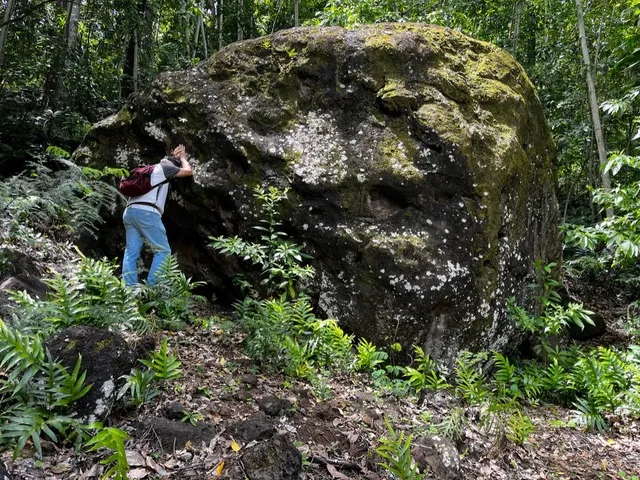


Community members and religious freedom advocates say access to the sacred site has been effectively restricted by the homeowners’ association (HOA) that now controls the surrounding land.
The dispute began years ago when the rocky hillside was developed into a high-end residential enclave. Legal agreements transferring community land to HOA control included provisions requiring maintenance of the Heiau and continued public access.
But as property values rose, the HOA tightened security. While Wai’anae is cited as having one of the lowest median household incomes in all of Hawai’i — and the highest Native Hawaiian population in the world, the gated neighborhood of 46 households enclosing Kaneʻaki Heiau, has the highest income in Hawai’i according to census data.
And after its gate was installed, visitors could be turned away. Some Native “practitioners” (a term used to avoid ridicule) say they were warned they could face arrest for trespassing if they attempted to reach the Heiau for prayer or ceremony.
For many Indigenous Hawaiians, sacred space is inseparable from the land itself. Unlike traditions centered inside religious buildings, Native Hawaiian spirituality takes place in natural settings—mountains, shorelines, burial grounds, and temple platforms built of stone.
“When access is blocked, worship is blocked,” said one advocate involved in the dispute. And at Kaneʻaki Heiau, even if access were to be allowed, it had to be supervised by the HOA!
The conflict has now drawn the attention of the International Association for Religious Freedom (IARF), one of the world’s oldest interfaith organizations. Leaders within the association have approved filing an Amicus Curiae brief stressing U.S. Constitutional and International guarantees of freedom to worship.
IARF has historically defended minority faith communities around the world. Supporters say this case reflects a pattern in American history in which Indigenous religions have been marginalized or dismissed.
Native spiritual practices were criminalized in parts of the United States until the late 19th and early 20th centuries. Although federal laws now recognize Indigenous religious rights, enforcement often depends on local conditions and legal interpretation.
“This isn’t only about one Hawaiian hillside,” said an interfaith leader familiar with the matter. “It’s about whether religious freedom includes traditions rooted in land and nature rather than inside of churches, mosques, or synagogues.”
Interestingly, the legal challenge has been propelled in part by a successful couple who purchased a home with the right of access through the HOA’s gate. But soon they faced harassment on what seems racial and social grounds. They refused to leave. Instead, they pressed for enforcement of the original access obligations. They were joined by Indigenous Hawaiians and those who were denied access to worship or visit their healing shrine or ancestors’ graves.
Observers say the case could set an important precedent for how homeowners’ associations interact with sacred and archaeological sites nationwide. At its heart, the dispute raises profound legal questions: Does ownership of surrounding land allow a private association or corporation to restrict access to a sacred site protected by law? Can communal burial grounds be effectively privatized by encirclement? Do property rights supersede the cultural and religious rights of Indigenous peoples whose sacred spaces do not resemble conventional religious buildings?
For interfaith groups, the answer carries broader implications. Religious freedom, they argue, must apply not only to majority traditions with visible institutions, but also to Indigenous communities whose sanctuaries are woven from the earth itself.
In Hawaiʻi, where land is more than property and history more than a footnote, this small hillside may become a symbol of something much larger—the effort to reconcile property and religious rights, ownership with reverence.
Please consider signing a petition in support of religious freedom.
How Liberal Religion Spearheaded Protection of Belief: Anniversary of the 1981 UN Declaration
“Considering that religion or belief, for anyone who professes either, is one of the fundamental elements in his conception of life…”
November 25 marks a pivotal, yet often overlooked, milestone in the history of human rights. On this day in 1981, after nearly two decades of geopolitical gridlock, the United Nations General Assembly adopted Resolution 36/55: the Declaration on the Elimination of All Forms of Intolerance and of Discrimination Based on Religion or Belief., the first international instru ment dedicated solely to freedom of religion.
While the 1948 Universal Declaration of Human Rights laid the foundation, it was this 1981 document that finally codified the specific rights of conscience—freedom to worship, to teach, to publish, and to organize—into international norms. But this victory was not inevitable. It was achieved through the tenacious intervention of civil society when governments had all but given up.
The story of the 1981 Declaration is, in large part, a story of liberal religion. Through the leadership of the IARF and our member groups—particularly the Unitarian Universalist Association (UUA)—our representatives spearheaded the consensus that protects the rights of believers and non-believers alike.
Deep Roots: A Legacy of Visionary Activism
Long before the Declaration was drafted, the IARF recognized that religious freedom required a global political framework. As detailed in the IARF’s Centennial Reflections, this engagement began with Elvira Fradkin, a visionary American Unitarian from Montclair, New Jersey.
Present at the founding of the United Nations in San Francisco in 1945, Fradkin understood early on that the new world order needed the voice of liberal religion. It was her persistence that convinced the IARF to register with the UN Economic and Social Council (ECOSOC) in the 1950s—one of fewer than 300 NGOs to do so at the time. Her work laid the logistical and moral groundwork for the battles that would come decades later.
The Cold War Deadlock: Diplomacy Over Dogma
By 1972, the UN’s effort to create a binding treaty on religious freedom had stalled completely. The drafting process was paralyzed by the rigidity of the Cold War. The Soviet bloc refused to sign any document that did not explicitly protect atheism and shield the state from “religious interference.” Meanwhile, various Western and Islamic nations clashed over the definition of religious rights, particularly regarding the right to change one’s religion.
In this vacuum of political will, religious freedom was becoming a casualty of superpower posturing. This is where the IARF and the UUA played their most decisive role. Because liberal religion honors the inherent dignity of all paths—theistic, non-theistic, and atheistic—our representatives were uniquely positioned to bridge the ideological divide.
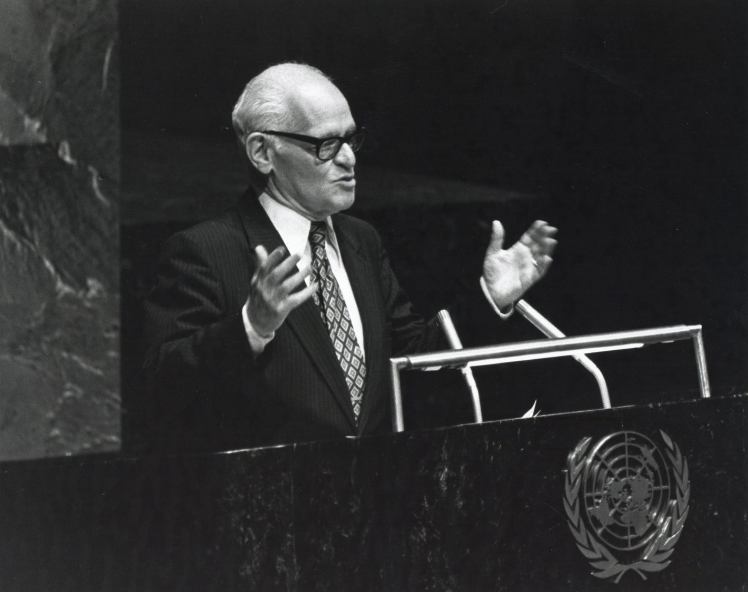
Two leaders from our community were central to breaking the impasse:
- Prof. Auguste-Raynald Werner, the IARF Representative in Geneva. A distinguished Professor of International Law, Werner worked tirelessly within the UN Commission on Human Rights. He used his legal expertise to craft language capable of satisfying opposing political blocs, ensuring the text was robust enough to protect rights but flexible enough to pass.
- Dr. Homer A. Jack, a Unitarian Universalist minister serving as Secretary-General of the WCRP. He spearheaded the “Gang of Four” NGOs that refused to let the issue die. When member states moved to shelve the draft, Jack mobilized the NGO community to pressure the General Assembly to prioritize a non-binding Declaration over a doomed Treaty—a strategic pivot that saved the project.
The “Religion or Belief” Compromise
One of the most significant contributions of the liberal religious lobby was the insistence on the phrasing “Religion or Belief.” This distinction was not merely semantic; it was the key to consensus. It ensured that the Declaration covered theistic faiths, non-theistic traditions, and atheistic views equally.
This inclusivity satisfied the Eastern bloc’s demand for the protection of non-religious convictions while aligning perfectly with the IARF’s principle of universal tolerance. It established a precedent that remains vital today: that freedom of conscience belongs to everyone, not just the religious.
Connecting the Dots: A Legacy of Action
The adoption of the Declaration was a victory, but as Dr. Jack noted in his memoirs, Homer’s Odyssey, a declaration without enforcement is just paper. The IARF’s leadership was central to building the machinery that enforces these rights today.
Institutionalizing Freedom: The Role of Sue Nichols
The creation of the NGO Committee in New York—the primary body that coordinates civil society advocacy on this issue today—was inextricably linked to the IARF and the UUA.
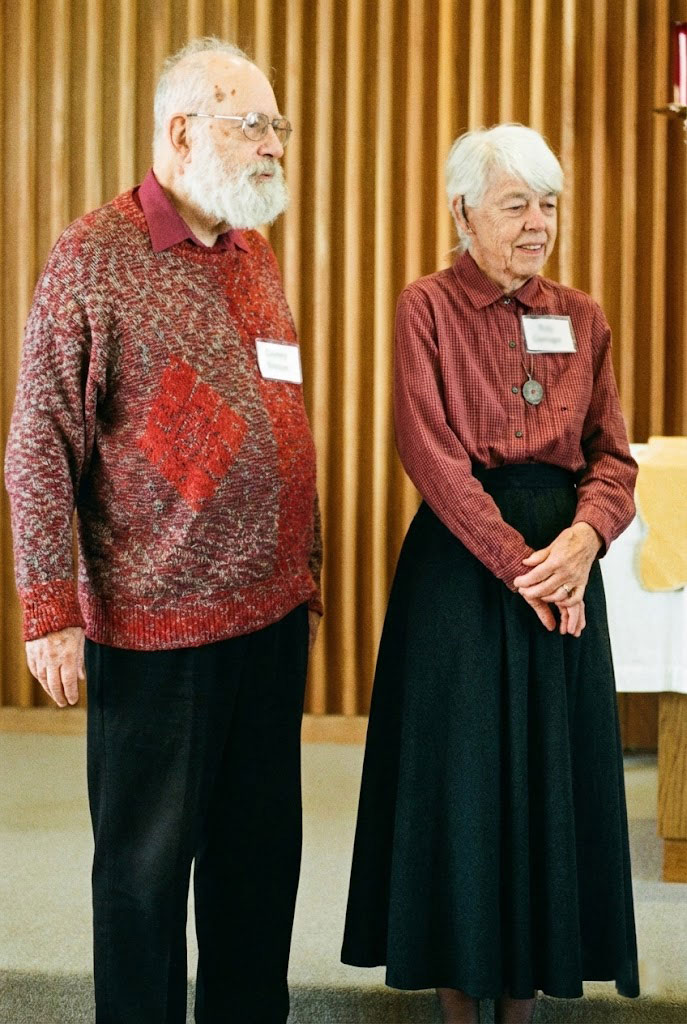
Sue Nichols, who co-directed the Unitarian Universalist UN Office with her husband Vernon, served as the IARF’s representative on the ground in New York during this critical period. Following the commissioning of the seminal “Salzberg Study” by Dr. Jack to explore implementation strategies, Nichols took the lead in formalizing the NGO coalition.
She became the founding President of the NGO Committee in New York. Under her leadership, the committee moved from an informal pressure group to a recognized powerhouse within the UN system. It established the tradition of the “Annual Day” to commemorate the 1981 Declaration and works directly with the Special Rapporteur to highlight violations globally.
A Continuing Responsibility
The 1981 Declaration remains the most important international instrument for religious freedom since the Universal Declaration of Human Rights. It serves as the basis for the mandate of the Special Rapporteur and laid the groundwork for modern diplomatic breakthroughs, such as Human Rights Council Resolution 16/18, which shifted the focus from protecting abstract religions to protecting living human beings from discrimination.
Today, the IARF continues this work as an active member of the NGO Committees on Freedom of Religion or Belief in both New York and Geneva. We honor the legacy of Fradkin, Werner, Jack, and Nichols not by looking backward, but by continuing to press for the rights of all people—regardless of their creed—to believe, or not believe, in freedom.
We Are Still Active Today
The IARF continues to honor this legacy. We remain an active member of the NGO Committees on Freedom of Religion or Belief in both New York and Geneva, working with the Special Rapporteur to ensure rights are respected.
Get Involved: IARF members are warmly invited to join our International Engagement Working Group to support our continued advocacy at the United Nations.
- Read “Centennial Reflections”: The full chapter on the IARF at the United Nations by Ruth Neuendorffer and Sue Nichols is available in our library for detailed historical context.
- Memoirs: For a personal account of the diplomatic struggle, see “Homer’s Odyssey” by Dr. Homer Jack.
- Primary Source: Read the full text of the 1981 Declaration.
Interfaith Harmony Gathering
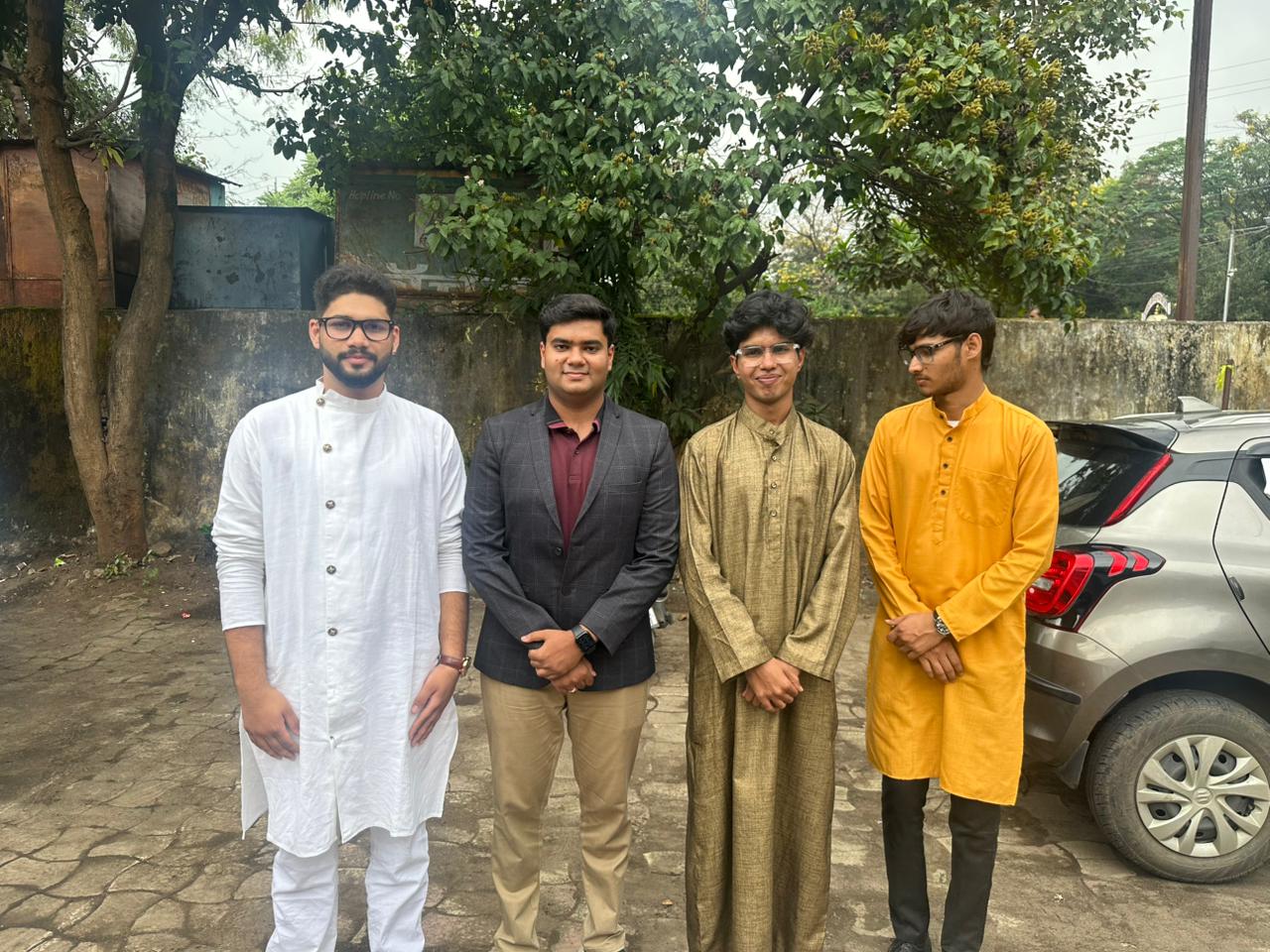
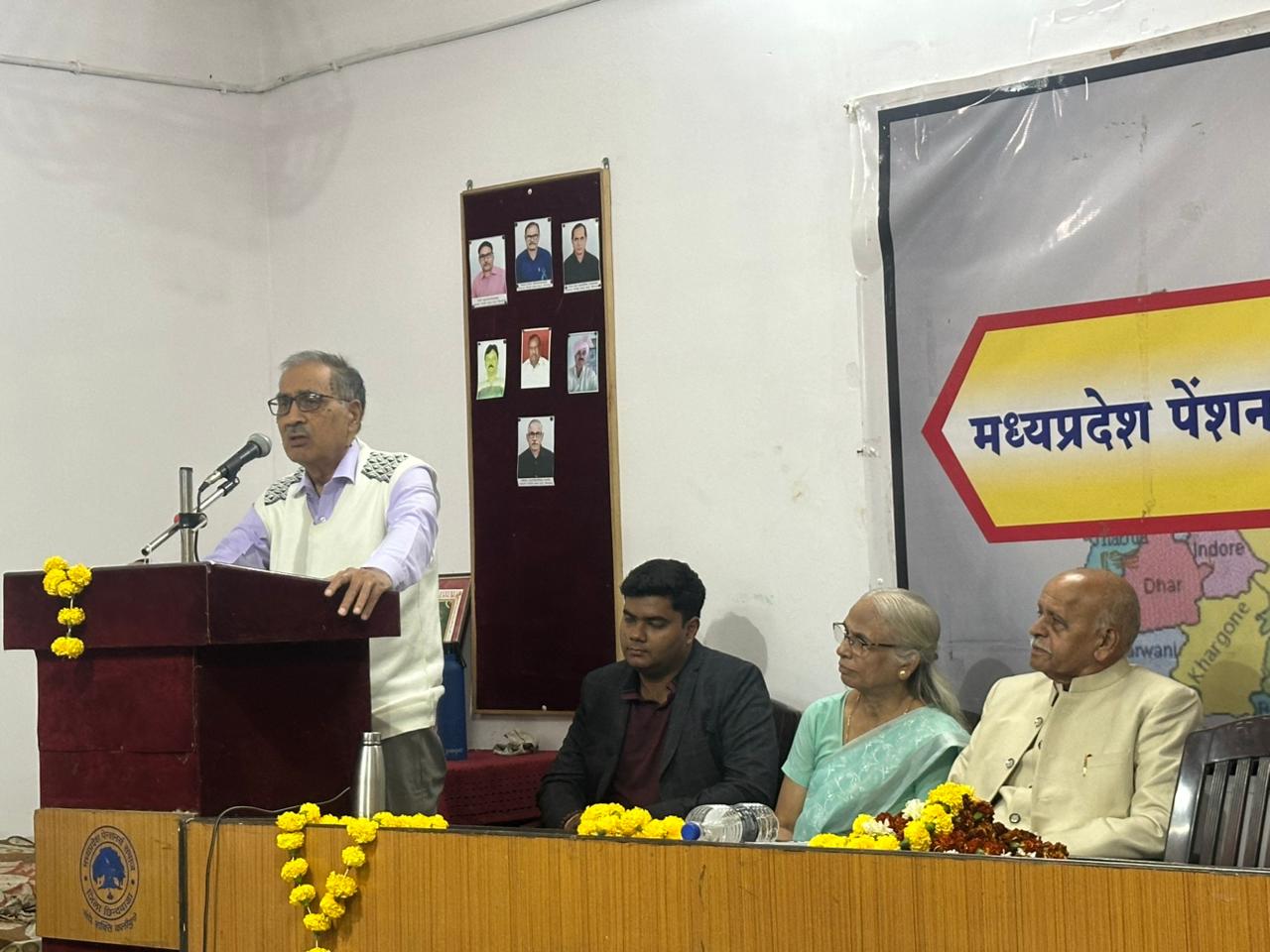
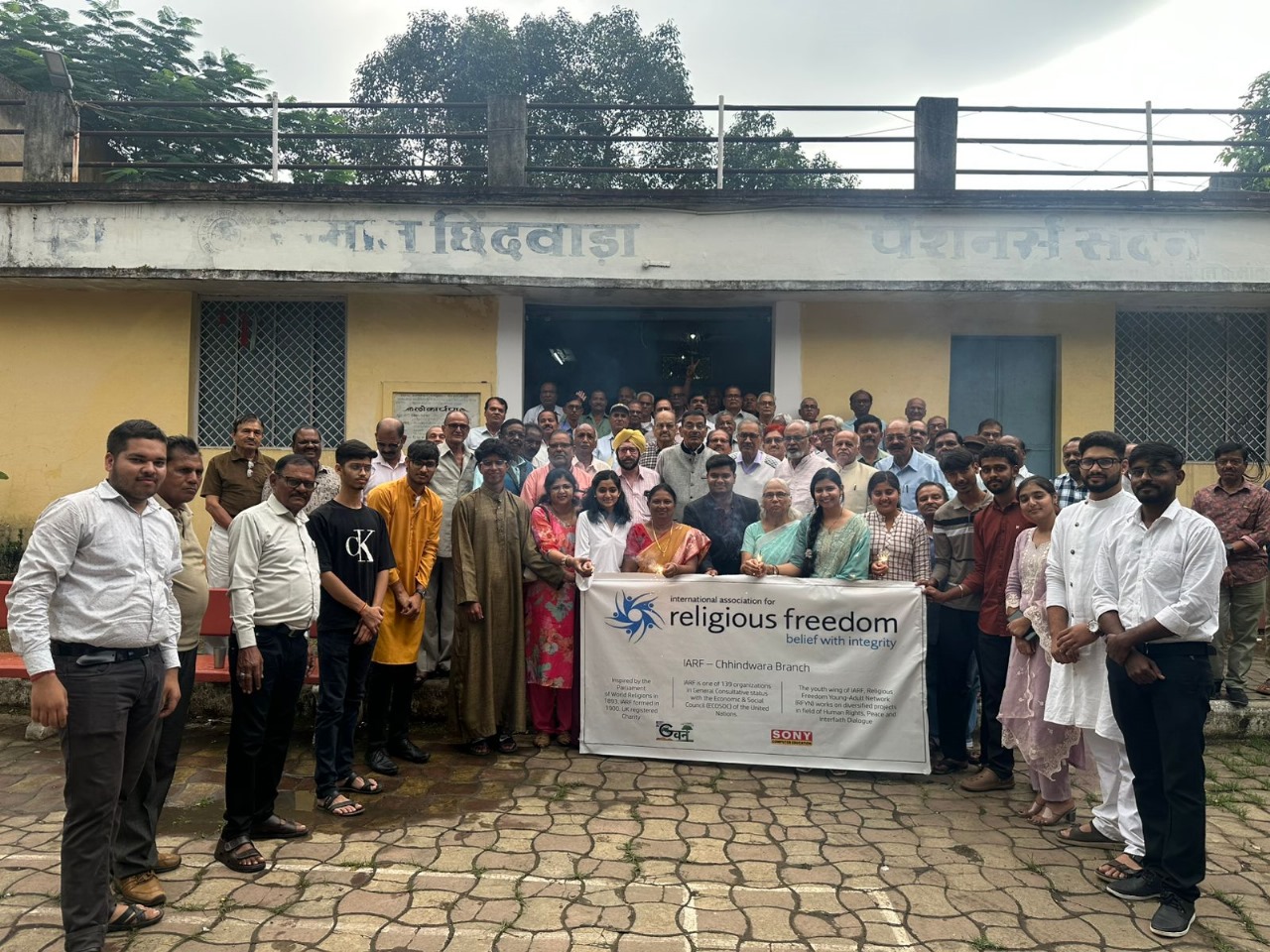
The Chhindwara Branch of the International Association for Religious Freedom (IARF) organized a दिवाली मिलन (Diwali Meetup) and Interfaith Harmony event at Pensioners Sadar, Chhindwara, bringing together senior community members, youth participants, and interfaith representatives in a shared celebration of peace, respect, and human dignity.
The program included prayer recitations by young students belonging to Christianity, Hindu, Jain, Muslim and Sikh traditions, demonstrating IARF’s long-standing commitment to interfaith understanding and freedom of belief. The active involvement of the youth highlighted the role of education and dialogue in strengthening a culture of mutual respect across generations.
Mr. Aayush Soni, Vice President of IARF & RFYN representative, addressed the gathering and extended warm Diwali greetings to all present. He briefly updated the attendees on recent IARF activities at the national and international level, including developments from the EME Conference and initiatives of the Free Religion Institute, reinforcing the shared vision of continued interfaith cooperation and educational outreach.
Dr. K. K. Shrivastava, Founder and senior member of the IARF Chhindwara Branch, who served as the chief guest, emphasized the importance of peaceful coexistence, human rights, and the protection of religious freedom for every individual, which remain central to IARF’s mission worldwide.
The program was coordinated by Dr. Brown, former India Chapter Representative of IARF, who guided the flow of the event and shared his insights on the value of interfaith cooperation in contemporary society. He also underscored the growing need to expand interfaith efforts in the region and expressed support for the establishment of a North India Chapter of IARF to further strengthen grassroots engagement.
The gathering was attended by members of the Pensioners’ Association, representatives from local organizations, and students from Sony College, reflecting a meaningful blend of experience and youthful energy. The program reaffirmed the Chhindwara Branch’s dedication to building harmony through dialogue, compassion, and education.
Stand in Solidarity for Rights of Aboriginals and Torrest Strait Islanders to Demonstrate and Worship
As reported by media like The Guardian, on August 31 a group of neo-Nazis and others stormed Camp Sovereignty, a First Nations protest site and historic Aboriginal burial ground in central Melbourne. Attackers reportedly desecrated an ancestral fire, tore down flags and physically assaulted women attending a peaceful ceremony.
The site stands as a symbol of the ongoing Indigenous resistance in Australia and the fight for recognition of Sovereignty and land rights.
The neo-Nazi attack on the sacred site can be considered a clear act of racism and a denial of freedom of religion. We encourage our members and others to support the call from Indigenous leaders for this to be investigated as a hate crime and to demand justice and protection for sacred sites.
You can do so by signing the petition from the global advocacy organization Avaaz to the Commissioner of Australia’s Federal Police and others: