
How Liberal Religion Spearheaded Protection of Belief: Anniversary of the 1981 UN Declaration
“Considering that religion or belief, for anyone who professes either, is one of the fundamental elements in his conception of life…”
November 25 marks a pivotal, yet often overlooked, milestone in the history of human rights. On this day in 1981, after nearly two decades of geopolitical gridlock, the United Nations General Assembly adopted Resolution 36/55: the Declaration on the Elimination of All Forms of Intolerance and of Discrimination Based on Religion or Belief., the first international instru ment dedicated solely to freedom of religion.
While the 1948 Universal Declaration of Human Rights laid the foundation, it was this 1981 document that finally codified the specific rights of conscience—freedom to worship, to teach, to publish, and to organize—into international norms. But this victory was not inevitable. It was achieved through the tenacious intervention of civil society when governments had all but given up.
The story of the 1981 Declaration is, in large part, a story of liberal religion. Through the leadership of the IARF and our member groups—particularly the Unitarian Universalist Association (UUA)—our representatives spearheaded the consensus that protects the rights of believers and non-believers alike.
Deep Roots: A Legacy of Visionary Activism
Long before the Declaration was drafted, the IARF recognized that religious freedom required a global political framework. As detailed in the IARF’s Centennial Reflections, this engagement began with Elvira Fradkin, a visionary American Unitarian from Montclair, New Jersey.
Present at the founding of the United Nations in San Francisco in 1945, Fradkin understood early on that the new world order needed the voice of liberal religion. It was her persistence that convinced the IARF to register with the UN Economic and Social Council (ECOSOC) in the 1950s—one of fewer than 300 NGOs to do so at the time. Her work laid the logistical and moral groundwork for the battles that would come decades later.
The Cold War Deadlock: Diplomacy Over Dogma
By 1972, the UN’s effort to create a binding treaty on religious freedom had stalled completely. The drafting process was paralyzed by the rigidity of the Cold War. The Soviet bloc refused to sign any document that did not explicitly protect atheism and shield the state from “religious interference.” Meanwhile, various Western and Islamic nations clashed over the definition of religious rights, particularly regarding the right to change one’s religion.
In this vacuum of political will, religious freedom was becoming a casualty of superpower posturing. This is where the IARF and the UUA played their most decisive role. Because liberal religion honors the inherent dignity of all paths—theistic, non-theistic, and atheistic—our representatives were uniquely positioned to bridge the ideological divide.
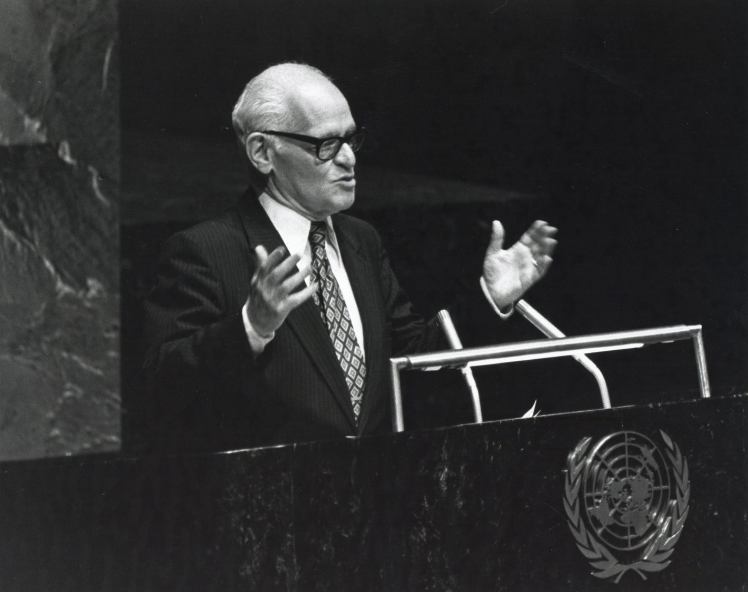
Two leaders from our community were central to breaking the impasse:
- Prof. Auguste-Raynald Werner, the IARF Representative in Geneva. A distinguished Professor of International Law, Werner worked tirelessly within the UN Commission on Human Rights. He used his legal expertise to craft language capable of satisfying opposing political blocs, ensuring the text was robust enough to protect rights but flexible enough to pass.
- Dr. Homer A. Jack, a Unitarian Universalist minister serving as Secretary-General of the WCRP. He spearheaded the “Gang of Four” NGOs that refused to let the issue die. When member states moved to shelve the draft, Jack mobilized the NGO community to pressure the General Assembly to prioritize a non-binding Declaration over a doomed Treaty—a strategic pivot that saved the project.
The “Religion or Belief” Compromise
One of the most significant contributions of the liberal religious lobby was the insistence on the phrasing “Religion or Belief.” This distinction was not merely semantic; it was the key to consensus. It ensured that the Declaration covered theistic faiths, non-theistic traditions, and atheistic views equally.
This inclusivity satisfied the Eastern bloc’s demand for the protection of non-religious convictions while aligning perfectly with the IARF’s principle of universal tolerance. It established a precedent that remains vital today: that freedom of conscience belongs to everyone, not just the religious.
Connecting the Dots: A Legacy of Action
The adoption of the Declaration was a victory, but as Dr. Jack noted in his memoirs, Homer’s Odyssey, a declaration without enforcement is just paper. The IARF’s leadership was central to building the machinery that enforces these rights today.
Institutionalizing Freedom: The Role of Sue Nichols
The creation of the NGO Committee in New York—the primary body that coordinates civil society advocacy on this issue today—was inextricably linked to the IARF and the UUA.
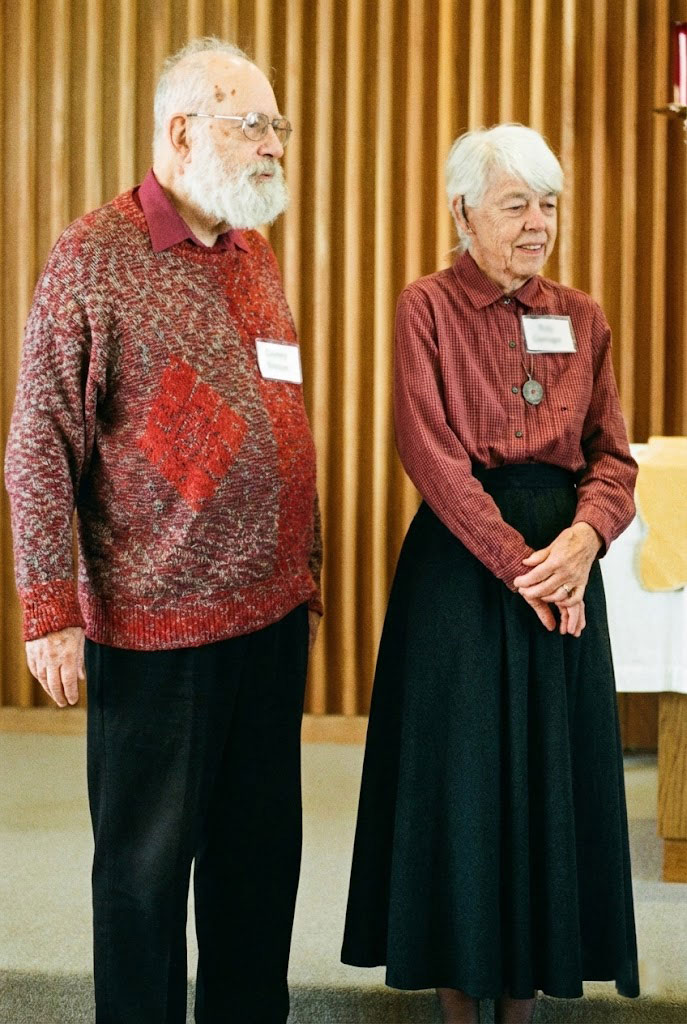
Sue Nichols, who co-directed the Unitarian Universalist UN Office with her husband Vernon, served as the IARF’s representative on the ground in New York during this critical period. Following the commissioning of the seminal “Salzberg Study” by Dr. Jack to explore implementation strategies, Nichols took the lead in formalizing the NGO coalition.
She became the founding President of the NGO Committee in New York. Under her leadership, the committee moved from an informal pressure group to a recognized powerhouse within the UN system. It established the tradition of the “Annual Day” to commemorate the 1981 Declaration and works directly with the Special Rapporteur to highlight violations globally.
A Continuing Responsibility
The 1981 Declaration remains the most important international instrument for religious freedom since the Universal Declaration of Human Rights. It serves as the basis for the mandate of the Special Rapporteur and laid the groundwork for modern diplomatic breakthroughs, such as Human Rights Council Resolution 16/18, which shifted the focus from protecting abstract religions to protecting living human beings from discrimination.
Today, the IARF continues this work as an active member of the NGO Committees on Freedom of Religion or Belief in both New York and Geneva. We honor the legacy of Fradkin, Werner, Jack, and Nichols not by looking backward, but by continuing to press for the rights of all people—regardless of their creed—to believe, or not believe, in freedom.
We Are Still Active Today
The IARF continues to honor this legacy. We remain an active member of the NGO Committees on Freedom of Religion or Belief in both New York and Geneva, working with the Special Rapporteur to ensure rights are respected.
Get Involved: IARF members are warmly invited to join our International Engagement Working Group to support our continued advocacy at the United Nations.
- Read “Centennial Reflections”: The full chapter on the IARF at the United Nations by Ruth Neuendorffer and Sue Nichols is available in our library for detailed historical context.
- Memoirs: For a personal account of the diplomatic struggle, see “Homer’s Odyssey” by Dr. Homer Jack.
- Primary Source: Read the full text of the 1981 Declaration.
IARF Endorses Statements on Women’s Rights and Minority Religious Identity
From the ICCGC-CoNGO Confernece
The CoNGO-ICCGC Global Futures Conference, held on August 26 and 27, 2024, at the Church Center for the United Nations in New York, marked a significant assembly at the nexus of religion and civil society, dedicated to charting pathways toward a globally harmonious, just, peaceable, and sustainable future for people and their communities, the planet, and the entire ecological system.
The New York Conference partnered with the Interfaith Coalition Conference for Global Citizens (ICCGC) and the Conference of NGOs in Consultative Relationship with the United Nations (CoNGO) to collectively pursue peace, human security, dignity, and planetary sustainability. This collaboration emphasized local and global cooperation and solidarity across cultures and religions, while remaining mindful of diverse and uneven economic, social, and political conditions.
This conference aimed at igniting transformative dialogues and initiatives on a range of issues that are pressing both locally and globally. (Excerpt from Concept Note prepared by ICCGC)
This conference was hosted by Interfaith Coalition Conference for Global Citizens (ICCGC), Conference of NGOs in Consultative Relationship with the United Nations (CoNGO), and Won Buddhism. There were five sessions: Session 1. Global Ethics & Global Citizens, Session 2. Towards a Global Peace, Session 3. Dialogue between Religions and Civil Society, Session 4. Youth for Climate Action, and Session 5. Global Citizenship Education for Future Generation.
The moderator of Session 5. Global Citizenship Education for Future Generation was Kathy R. Matsui, one of the New York UN representatives of IARF. Global Citizenship education encourages global citizens to be independent, to develop global perspectives, to build harmony among people from other countries and ethnic groups, to understand diversity through cross-cultural education, to respect the Earth and all living beings, and to promote global well-being while enriching their lives. The four panelists discussed the following: how global citizenship is practiced in real life, what GCED is to the individual panelists, how GCED is implemented in their specific role and environment, and what message each panelist has for the youth and our future leaders. Furthermore, session 5 focused on the principles, values and criteria needed to practice global citizenship education. Having learned from the past, with the advancement of science and technology, the panelists further discussed what is our mission to appreciate and put to practice an education that would enhance the creativity and innovative values of the future generation, a generation that can think in terms of what can be done for the benefit of all, what can be done to protect and respect the life and dignity of all living beings.
The first speaker of the four panelists of this session was Dr. Robert Catalano, presently a professor at Sophia University close to Florence, Italy. He has also served as Director of center for interreligious dialogue of the Focalare for 13 years. The second speaker was Dr. Janet Gerson, Education Director of the International Institute on Peace Education. She is also Co-Director Emeritus, Peace Education Center, Teachers College, Columbia University, NYC.
The 3rd speaker was Professor Russell Pearce, the Edward & Marilyn Bellet Chair in Legal Ethics, Morality and Religion at Fordham University School of Law. Our final speaker was Rev. James A. Lynch, Jr., a Reverend authorized by the lay Buddhist Organization Rissho Kosei Kai. He is also an official representative for Rissho Kosei Kai to the United Nations.
The session ended as the panelists and the participants danced along with the song the final speaker, Rev. Lynch played in his presentation, a song by Cat Stevens.
Session 5 has fulfilled our collaborative pursuit of an education that prepares global citizens to practice collective peace and human security, human dignity, and planetary sustainability, and local and global cooperation and solidarity, across cultures and religions, and mindful of uneven and diverse economic, social and political conditions.
Global Citizens Pursuing a Just, Peaceable, Inclusive and Sustainable Future: An ICCGC-CoNGO Collaborative Conference
The CoNGO-ICCGC Global Futures Conference, scheduled for August 26 and 27, 2024, at the Church Center for the United Nations in New York, marks a significant assembly at the nexus of religion and civil society, dedicated to charting pathways toward a globally harmonious, just, peaceable, and sustainable future for people and their communities, the planet, and the entire ecological system.
The New York Conference partners with the Interfaith Coalition Conference for Global Citizens (ICCGC) and the Conference of NGOs in Consultative Relationship with the United Nations (CoNGO) to collectively pursue peace, human security, dignity, and planetary sustainability. This collaboration emphasizes local and global cooperation and solidarity across cultures and religions, while remaining mindful of diverse and uneven economic, social, and political conditions.
This conference aims to ignite transformative dialogues and initiatives on a range of issues that are pressing both locally and globally. (Excerpt from Concept Note prepared by ICCGC)
This conference is hosted by Interfaith Coalition Conference for Global Citizens (ICCGC), Conference of NGOs in Consultative Relationship with the United Nations (CoNGO), and Won Buddhism. There are five sessions:
- Session 1. Global Ethics & Global Citizens
- Session 2. Towards a Global Peace
- Session 3. Dialogue between Religions and Civil Society
- Session 4. Youth for Climate Action
- Session 5. Global Citizenship Education for Future Generation
The moderator of Session 5. Global Citizenship Education for Future Generation is Kathy R. Matsui, one of the New York UN representatives of IARF. Global citizenship education (GCED) is needed to face the challenges of the 21st Century and the challenges of the VUCA world, which is volatile, uncertain, complex, and ambiguous. Global Citizenship education encourages global citizens to be independent, to develop global perspectives, to build harmony among people from other countries and ethnic groups, to understand diversity through cross-cultural education, to respect the Earth and all living beings, and to promote global well-being while enriching their lives.
Global citizenship education offers opportunities for youth and adults to learn to create imaginative solutions to world problems, to help solve diverse global issues, and to become active citizens to make changes in society for the good of everyone. In this session, panelists will discuss the following: how global citizenship is practiced in real life, what GCED is to the individual panelists, how GCED is implemented in their specific role and environment, and what message each panelist has for the youth and our future leaders.
The speakers of this session are:
- Panelist 1: Dr. Roberto Catalano (Professor, Sophia University Institute, Italy)
- Panelist 2: Dr. Janet Gerson (Education Director, International Institute on Peace Education)
- Panelist 3: Dr. Russell Pearce (Professor, Fordham University)
- Panelist 4: Rev. James Lynch (Representative for Rissho Kosei Kai to United Nations)
Update from the 68th UN Commission on the Status of Women
Rev. Dr. Esther Suter, our main representative to the UN, has written a short update on the 68th session of the UN Commission on the Status of Women (CSW). It touches upon critical issues discussed during the event, including the challenges faced by women in the digital age, the importance of including young voices in the fight for gender equality, and the ongoing struggle between cultural practices and universal human rights. A more detailed report from the event will follow.
Pushback against the Pushback
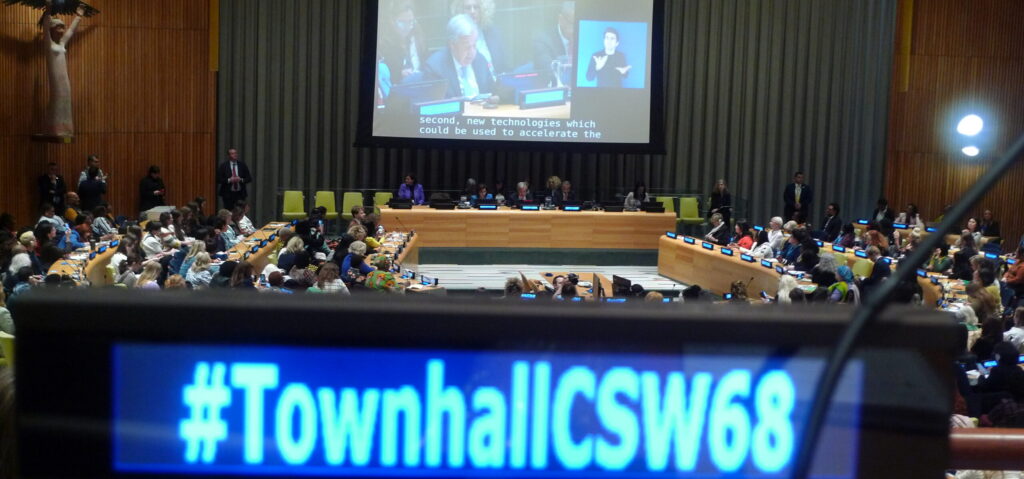
The 68th session of the UN Commission on the Status of Women received 10,600 registrations from NGOs, and 4,800 participants travelled to New York.
At the Town Hall Meeting for civil society on March 13, the General Secretary Antonio Guterres warned that AI is a male-dominated and defined field that ignores a women-specific mindset. This ‘Digital Gender Divide’ must be bridged. He encouraged women to work together with like-minded men. These men could take on the persuasive work that is difficult for women to carry out in discussions with religious (male) leaders about gender equality or domestic violence. The topic of male values about masculinity in education of boys and for adult men must be reintroduced in order to raise awareness of stereotypical patterns. “Pushback against the pushback,” he advised.
One visible success is the inclusion of the younger generation. Young women like 18-year-old Toniyah made a statement: As an African-American, she spoke about the changing narrative that black voices are not being heard. She belongs to Black Girls Rising Inc., an organization in Ohio that accompanies black girls and focuses on their mental and emotional health. A research project follows girls growing up and examines how they experience their world and how they are affected by stress factors. They want to change the narrative that their voices are not important enough and try out positions of power where they are heard. So Toniyah can say: “We are the youth, so therefore we are the future.”
Cultural or (female) human right?
An African woman in a parallel event told about a “pushback”: In 2015, Gambia banned female circumcision by law and punished it with up to three years in prison. Politicians supported a controversial bill on March 18 to lift this ban. The Gambia would be the first country in the world to remove legal protection from such a harmful practice for millions of women and girls, on the grounds of the (male) petitioner that the ban violates the rights of citizens. This practice is in keeping with an ancient culture and religion in what is now a predominantly Muslim country. Genital circumcision (also known as genital mutilation) is internationally classified as a harmful practice and contradicts universal human rights.
The Gambia organized a side event on “Empowering Women and Girls by addressing Poverty through Sexual and Gender Based Violence financing in the Gambia” with the First Lady of the Republic of Gambia. Neither in the introduction nor in the votes was the possible change in the law mentioned. The reports focused on measures such as the establishment of “Shelter.” The issue of violence against women and girls was described in general terms, without mentioning FGM or referring to it as violence. One journalist asked directly, and the official answer was that this bill would not be presented to parliament. It remains to be seen whether women in the Gambia will sufficiently oppose such a bill. Could this example indicate a new trend? Or will it create opposing forces and help deepen the issue of cultural and religious identity?
9th Annual UN Symposium on the Role of Religion and Faith-Based Organizations in International Affairs
The Ninth Annual Symposium on the Role of Religion and Faith-based Organizations in International -affairs attracted more than 600 people. It was held online on January 24, 2023 exploring the theme “Securing People’s Wellbeing and Planetary Sustainability”, and was organized by the World Council of Churches and a coalition of around 27 faith-based organizations, institutions and UN-partner organizations with experts on climate change, disarmament and other relevant topics related to the SDGs.
The annual symposium on the role of religion and faith-based organizations in international affairs was initiated in 2015, parallel to the SDGs by the General Board of Church and Society of the United Methodist Church, the Seventh-Day Adventist Church and the WCC. Today the symposium co-organizing entities and partners have grown to include denominational, ecumenical, multireligious and faith-based groups including long-time co-organizers ACT Alliance, Religions for Peace, Islamic Relief-USA and the United Religions Initiative. From 2017 onwards the Interfaith Task Force on Religion and Sustainability Development – currently representing 27 entities within the UN system cooperated as a co-organizer. The annual symposium was conceived as a space to focus on how religious and partner faith-based organizations could reinforce engagement around shared concerns of human dignity, human rights and sustainable development. It serves as an event for conversation to identify and deepen the multidisciplinary aspects of the permanent general theme on human rights and human dignity. The symposium is held annually on a date in January close to the birthday (January 15) of the Rev. Dr. Martin Luther King Jr.
Rev. Dr. Liberato C. Bautista, assistant general secretary for UN and international affairs, Methodist, President of the Conference of NGOs in Consultative Relationship with the UN (CoNGO) opened the over five hours lasting symposium and reminded of former symposiums: the 6th symposium 2020 was intended to reflect on the planned processes to review progress 25 years after the Beijing Platform for Action and the state of multilateralism at the 75th anniversary of the UN, but was postponed. Given the importance of the theme, a smaller but well-resourced workshop for faith-based organizations was held instead. In 2021 a virtual symposium focused on accelerating Gender Equality, Equity and Justice. The succeeding 2022 symposium was also held virtually on a theme focused on “Mobilizing Moral Influence and Governance to end the Systematic Injustices of Racism, the Legacy of Colonialism and Slavery”.
The themes identified with work by faith-based organizations are not alien to UN partners. The active collaboration by faith-based organizations, UN partners and member-states underscore the concern for joint and concerted action and transformative solidarity among all actors.
Some UN officials and leaders of civil society reflected why faith-actors are critical actors:
Maria Fernanda Espinosa (former President of UN-GA) reflected the necessity to retool and spiritually reground the UN system. Backsliding is happening in almost all SDGs. What does keep us back? Either are we paralyzed and dispaired or the crisis is pushing as to act. It is a multiple crisis. We have knowledge and technics to make it better. The big gap lies between knowledge and action. If faith as religion or faith in humanity, UN or other is motivating and pushing us to action, do not accept that science is the leader, that was the case for a very long time.
Beatriz Schulthess (Priestess, Founder and President of Indigenous Peoples Ancestral Spiritual Council and member of Qulla/Kolla Nation and Co-president Religions for Peace) informed that indigenous people gathered and asked, what sustainability could mean. They discovered that it means what they always were doing. But other cultures decided that it means to serve themselves at the detriment and damage for other cultures.
Prof. Dr. Azza Karam (General Secretary Religions for Peace) moderated the panel on “Framing Human Security as Shared Security for People and the Planet”. She explained that she started her work at UN 20 years ago to show how relevant the role of religion is.
Audrey Kitagawa criticized the five belligerent veto nations in the Security Council which since its foundation fended off threats of wars and failed with Russia. “How can we support the security council?” she asked. NGOs, Faith-based and multifaceted institutions all should speak in one voice to protect human rights. Religious faith leaders should cooperate with governments for the security of people and their coexistence. Although this is difficult. Humans are egoistic.
Bishop Heinrich Bedford Strohm (Moderator oft he Central Committee of the World Council of Churches, Lutheran Church of Bavaria) encouraged that religion not only reaches the heads of people but their hearts. Therefore religious communities are so important in questions of human wellbeing and planetary sustainability for questions about life-style and behavior. They only can successfully put forward if political change is connected with a change of mind, of hearts. He is persuaded that churches and religious communities in general are ideal agents for the world wide civil society. They are deeply rooted in local communities and at the same time they live in a global horizon in strengthening their faith in God who created heaven and earth. Bedford Strohm reminded the WCC Consultation on Justice, Peace and Safeguard of Creation in 1990 in Seoul: all appeals in this connection were already made as recommendations and only now they reached governments. The Assembly of WCC in Karlsruhe 2022 has again emphasized and focused on the necessary change to be made.
Archbishop Gabriele Giordano Cacca (Apostolic Nuntius and Permanent Observer of the Holy See at UN) considers the crisis, out of a Christian understanding, as an imbalance of the human heart. Truth is that God created every human being to his (her) image. We should carry responsibility about our actions, for the four pillars for peace are: truth, justice, freedom and solidarity.
Amanda Ellis (former Ambassador, New Zealand) reminded that women are still excluded from preace processes and negotiations. Her question is: “Can human security become an unifying paradigm for humanity?” This question was taken up into further consideration.
7th Annual Symposium on the Role of Religion and Faith-based Organizations on International Affairs
By the Rev. Dr. Esther R. Suter, IARF’s Main Representative to the UN
On 26.1.2021 the 7th annual symposium on “the role of religion and faith-based organizations on international affairs” took place with a zoom and live-stream programme. The title “2021: A defining year for accelerating gender equality, equity and justice” attracted more than 1000 persons, more than ever before. The following international institutions and organizations were involved: World Council of Churches, ACT Alliance, Islamic Relief USA, Seventh-Day-Adventists, United Religions International, Methodist Church General Board, Soka Gakkai, UN-Women, UNFPA and some more religious and church partners. The speeches and discussions were dominated by the C-19 pandemic and gender issues, but the key subject was intersectionality. This means the overlap and simultaneity of various categories of discrimination of a person such as discrimination by racism, sexism, antisemitism or else which are not separate issues. Azza Karam, General Secretary of Religions for Peace, who moderated the first of four sessions, emphasized the necessity of the multi stakeholder collaboration to accelerate gender-equality, equity and justice. Gender-based violence has increased through the Covid-19 pandemic. Phumzile Mlambo-Ngcuka, UN-Under-General Secretary of UN-Women – she has experience through coalition and movement building among global leaders in public and private sectors and with civil society – is driving the role of women in leadership and ending discrimination and violence against women and girls. She pointed to the actual redefinition of the whole life-style which is caused by the pandemic. Faith-based organizations will have to work now in using a healing influence on society of which they are part. Since 2015 the evaluation of the Declaration of Beijing (1995 – 4th UN-World Conference of Women) and following recommendations showed clearly that progress was first made and later pushed back, while much resistance came up from some societies and countries. Some NGOs working for gender equality began then to form alliances with religious institutions and religious leaders mainly in those countries in which most resistance came up.
For Rudelmar Bueno de Faria, General Secretary of ACT Alliance, changes of norms and attitudes are required especially through the work with Men and Boys, a key challenge that already shows success. He analysed three forms of fundamentalisms: religious, political and financial fundamentalisms. ACT Alliance includes the life experience of women in its work for changing faith narratives in the sense of gender-justice. It is necessary to deconstruct “toxic interpretations of sacred texts” that undermine the sense of equality, he told.
Alice Wairimu Nderitu, UN Special Advisor on the prevention of genocide, prevention of violence and for reconciliation process, explained that she often is the only woman in peace negotiations including resolution 1325. It is an enormous challenge to her to transfer the influence of women from grassroot to higher levels so that they can contribute to gender-equality and peace. Especially the gender-inequality has enabled atrocity crimes (ethnic cleansing).
Anwar Khan, President of Islamic Relief USA, explained that Islamic Relief started as an organization with their own experience with women and rape as tactic warfare in armed conflicts (Bosnia). This encouraged them to a commitment for gender justice for women. He spoke of their collaboration with Imams at grassroot level and with UN. There is a need of religious formation for this basic local work, for grassroot people are not progressive. A faith-based organization has to connect the basis and bring their values to a gender-transformative table.
Laura Janner-Klausner, Senior Rabbi to Reform Judaism, emphasized from her rich experience the resilience of faith leadership: it is worth while to resist. The difference in use of language from women has changed men and women. The question of justice is for her: why are people hungry? And the answer aims to a change of structural conditions.
Ibrahim Salama, High Commissioner for Human Rights and UN-Rapporteur, thinks that the intersectionality of religion and human rights is the weakest link. For him it is wrong to keep the two fields separated as unmixable or not coming together. A religious interpretation of human rights existed and it happened to make use of a narrative between these two traditions. But the attempt to find a common narrative is not done with promising general principles but rather in form of a legal basis. To reconstruct narratives means to admit that from both sides human interpretation and critical reflexion are involved. But synergies are actually most missing.
In memory of Rev. Dr. Orlanda Brugnola
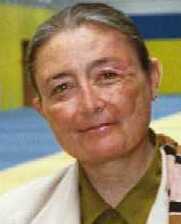
The IARF has lost an exceptional member with the passing of Rev. Dr. Orlanda Brugnola (1946-2016) who died on 24 February. She was a human rights activist, advocate of interfaith dialogue, a Unitarian minister and a scholar. Her involvement with the IARF began many years ago; she was active in our American Chapter and represented us at the UN in New York. You may get an insight into the inspirational personality, life and beliefs of this “technician of the sacred”, as she called herself, by visiting her website, www.orlandabrugnola.com.
Doris Hunter from our American Chapter, who knew Rev. Orlanda for many years, has written the following commemorative note.
Members and Friends of the International Association for Religious Freedom were shocked to hear of the sudden death of the Rev. Dr. Orlanda Brugnola. She was a long time friend and supporter of IARF as well as IALRW serving on the board of the US Chapter, organizing workshops and giving lectures for international IARF Congress and for the US Chapter. As a Unitarian Universalist Minister she carried this love for world religions and her commitment to interfaith dialogue and understanding to local churches and to her students at John Jay College in New York City. She was a Renaissance spirit producing works of art, poetry and creative ideas designed to change the world. Orlanda’s interests were boundless and reflected not only an amazing intellectual ability but also an appreciation for the rich diversity of human culture. Above all, Orlanda was a faithful friend to everyone she met. Her presence spread grace to all who knew her. This world of ours is a better place because of her amazing life. Doris Hunter
70th Anniversary of the UN: IARF and the UN
24 October was UN Day – marking the entry into force of the UN Charter in 1945, 70 years ago. The IARF has a long history of involvement with the UN and the Economic and Social Council, one of its most important instruments. In 1972 IARF gained consultative status with ECOSOC. We currently have two representatives in Geneva and one in New York (you can see their profiles here). You can read more about IARF’s involvement with the UN, both historic and current, in the United Nations section of our website.
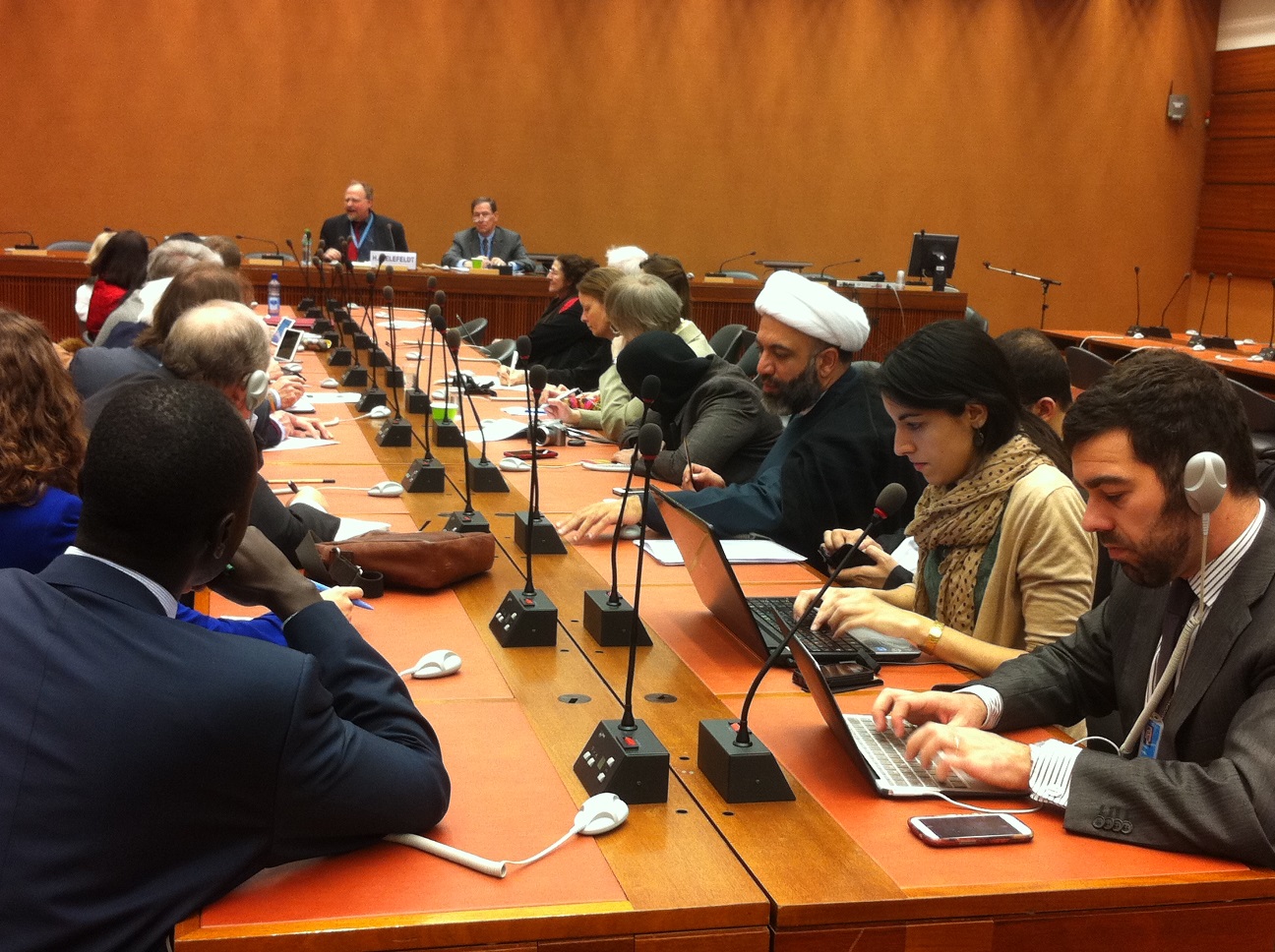
Side Events at UN HRC 2014
Two events organised by IARF at the 25th Session of the UN Human Rights Council (HRC), March 2014
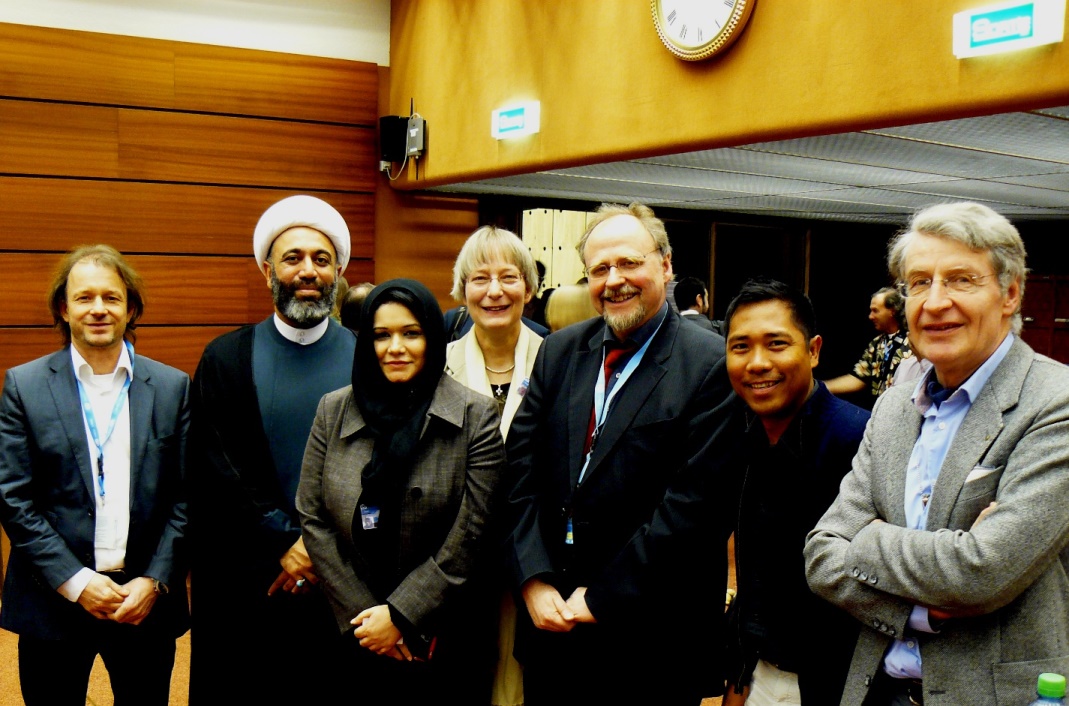
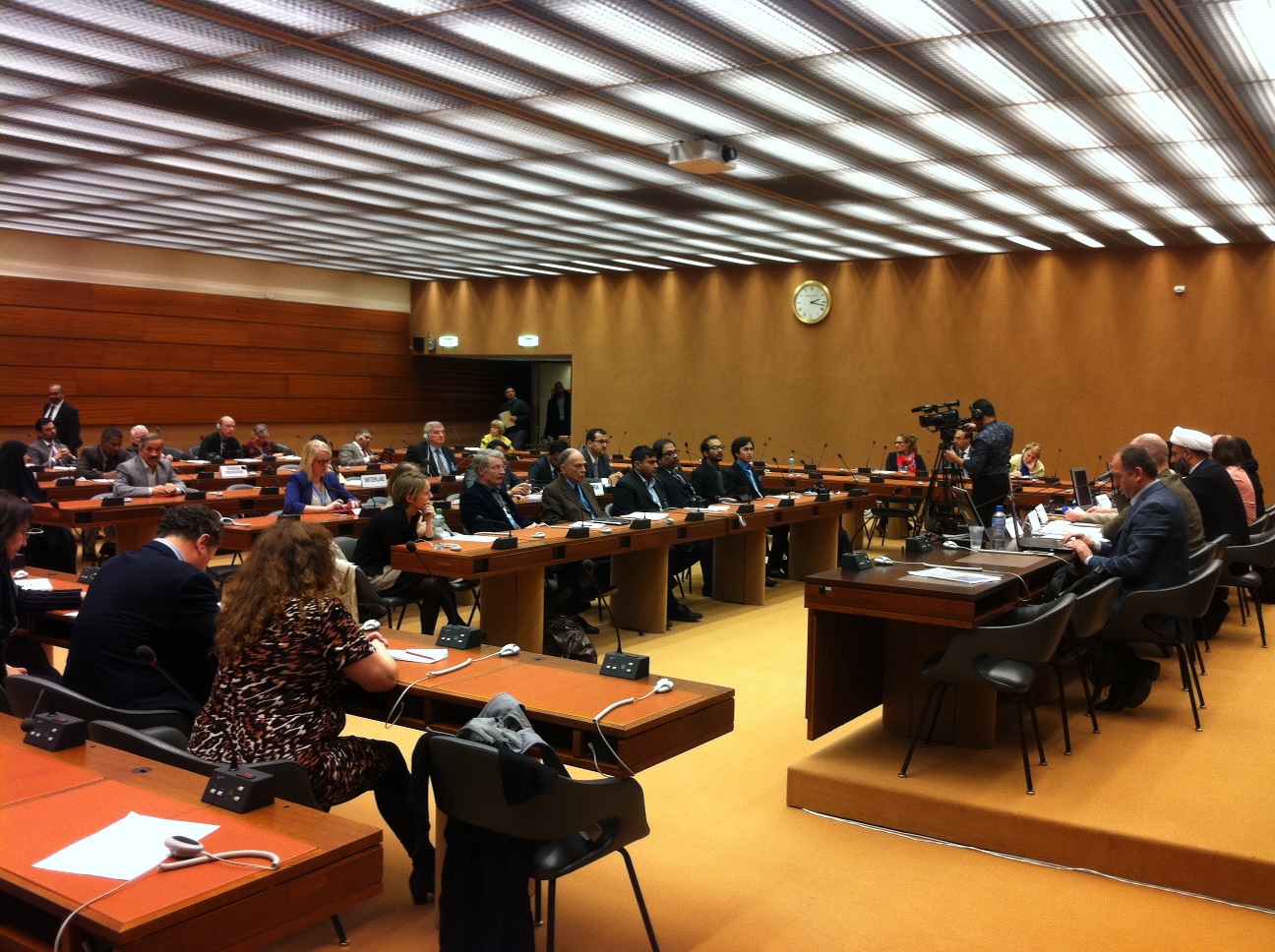
Side Event ‘Rise of Religious Intolerance’
Monday, 10 March 2014 – 2:00 to 4:00 PM
Room XXV, Palais des Nations, Geneva
UN HRC Side Event ‘Rise of Religious Intolerance’ – Flyer (PDF, 1 page)
Discussion on the rise of violence attributed to religious intolerance in various regions of the world where antipathy toward members of religious minorities is used to justify targeted hatred, assaults, restrictions and violent attacks on their religious institutions.
Held in conjunction with the Annual Report of the UN Special Rapporteur on Freedom of Religion or Belief (FoRB) – part of the Programme of Work of the 25th Session of the HRC; complements the Special Rapporteur’s presentation of his Annual Report, which this year is titled “Tackling manifestations of collective religious hatred“.
Report in Pakistan newspaper The News
Report in Pakistan magazine Business Standard
Video report
Thursday 13 March
Room XXI, Palais des Nations
In collaboration with the CoNGO Sub-committee on Freedom of Religion or Beliefs:
Open/Interactive Dialogue with the UN Special Rapporteur on Freedom of Religion or Beliefs
NGO Joint Oral Statement
As a practitioner of Human Rights Education in South Asia, IARF at the UN is member of the NGO Working Group on Human Rights Education & Learning within the structure of CoNGO (the Committee of NGOs).
At this session of the HRC, IARF facilitated a workshop which delivered the following Joint Oral Statement regarding the Third Phase of the World Programme for Human Rights Education (2015-2019):
2014 HRC25 – NGOJointOralStatement ITEM 3 – WPHRE P3