
In Memoriam: The Rev. John Clifford
The International Association for Religious Freedom (IARF) is deeply saddened to share the news of the death of the Rev. John Clifford.
John was a dedicated internationalist, a passionate advocate for peace, and a universally respected leader within the Unitarian movement. His commitment to interfaith understanding and his service to our organization spanned decades, leaving a lasting mark on colleagues across Europe and the United Kingdom.
A Devoted IARF Activist
John’s connection to the IARF was profound and hands-on. Born in the USA, he eventually settled in the UK, but his vision was always global. From 1983 to 1986, John served directly on the IARF staff at our former headquarters in Frankfurt, Germany.
Long-time IARF colleagues Lucie Meijer (Dutch Chapter) and Dorothee Gehrmann (German Chapter) shared this reflection on his time with the secretariat:
John Clifford, a Unitarian minister from the UK, joined the IARF Staff at headquarters in Frankfurt, Germany, from 1983–1986. He moved with his family to live in Offenbach and cycled each day to the IARF office in Frankfurt, where he took care of publicity.
He was involved in organizing the IARF Peace Vigil in Utrecht, Netherlands, in 1985, during the IARF Peace Conference Europe. He edited the Conference Declaration on ‘Peace – our commitment to the future’. It could be said that he was a faithful and devoted IARF activist and competent helper at IARF conferences and congresses, before as well as after his years on the staff of the IARF international secretariat.
A Life of Ministry and Service
Born in the United States, John discovered Universalism while in secondary school. After training for the ministry, he moved to Britain, where he was naturalised in Scotland in 1975. He served as the minister of Glasgow Unitarian Church from 1975 to 1983, immediately prior to his service with the IARF in Frankfurt.
Upon returning to the UK, his dedication to the movement continued to grow. He served the British General Assembly (GA) of Unitarian and Free Christian Churches with distinction, holding the roles of Deputy General Secretary, Executive Committee member, President of the Ministerial Fellowship, and President of the General Assembly.
His commitment to internationalism remained a core part of his work; from 2005 to 2009, he served as the Executive Secretary of the International Council of Unitarians and Universalists (ICUU).
In his later years, he remained a beloved figure in Scotland as an associated minister at St Mark’s Unitarian Church in Edinburgh. Friends there remember him for his “thoughtful presence, gentle friendship, and deep care for the life of the congregation.”
Philosophy, Personality, and “The Web of Life”
John was a man of deep intellect and broad interests. He described his personal philosophy as centered in “empirical process philosophy,” blending liberal Christianity, Buddhism, and a deep appreciation for “the web of life.” He viewed religion not just as philosophy, but as a community base where spiritual development finds expression in practical ethical actions.
He embraced life fully. Beyond theology, he was known for his love of stamp collecting, astronomy, and linguistics. Having fully adopted his Scottish home—often evidenced by his wearing of the kilt—he was also an enthusiast of piping and Scottish Country Dancing.
Remembering a Friend
His presence was a staple at gatherings, blending serious commitment with warmth. Derek McAuley, Chair of the IARF British Chapter, reflected:
John was committed to IARF and always attended our workshop at the British Unitarian Annual Meetings. We will miss his wry humour and his American-Scottish twang!
A Lasting Legacy
John passed away shortly after attending the induction of the new minister at St Mark’s, remaining active and supportive of his community to the very end.
We give thanks for John’s life, his ministry, and his tireless work for peace in Europe and beyond. The IARF sends its heartfelt condolences to his wife, Barbara, their five children and eight grandchildren, and his many friends in Glasgow, Edinburgh, and the international community.
He will be greatly missed.
Joint Anniversary Celebration in Bengaluru
On December 13, 2025, a gathering titled Sammilana was held in Bengaluru to mark the 125th Anniversary of the International Association for Religious Freedom (IARF) and the 25th Anniversary of the United Religions Initiative (URI).
The event was organized by Dr. C.N.N. Raju in collaboration with Seshadripuram College and the Karnataka State Gandhi Smarak Nidhi. To commemorate the occasion, a special booklet was released featuring messages from various contributors, including a reflection by IARF Past President Wytske Dijkstra on the challenges and value of the organization’s 125-year journey.
The Sammilana Commemorative Booklet is available for download in the IARF Library.
“The IARF established itself in places and countries where the original ideas of liberal religiosity were virtually unknown for cultural reasons. For the organization, this was a hazard. Without a uniting principle, the IARF was in danger of falling apart. It didn’t!”
In Memoriam: Br. M.D. Sebastian, SHJ
The International Association for Religious Freedom (IARF) remembers with deep gratitude the life and legacy of Br. M.D. Sebastian, SHJ (1941–2025), who dedicated his life to promoting peace, harmony, and interfaith understanding.
Br. Sebastian was not only a committed religious leader but also a tireless advocate for dialogue across faiths. As a long-time member and supporter of IARF, he actively participated in numerous IARF conferences, where he spoke with conviction on the importance of interfaith dialogue. He had a special love for guiding the younger generation, often addressing students, motivating them to embrace diversity, and inspiring them to become ambassadors of peace.
One of his remarkable contributions was the publication of a book for students on interfaith understanding, a pioneering effort to nurture young minds with values of tolerance, acceptance, and universal brotherhood. Through his writings, teachings, and community service, Bro. Sebastian consistently emphasized that interfaith dialogue is not only necessary for peace but also essential for the growth of humanity.
Even until his last days, he remained deeply committed to the cause of IARF, offering his wisdom, guidance, and blessings to its mission of building bridges between communities.
Today, as we honor his memory, we also celebrate his vision, a world where people of all faiths can live together in peace and friendship. Br. M.D. Sebastian’s life continues to be an inspiration to all who walk the path of interfaith harmony.
Br. Britto, SHJ
National Secretary
IARF India Chapter
The Rev. Dr. Richard Boeke: A Life of Faith in Action Across Borders
The Rev. Dr. Richard “Dick” Boeke (March 2, 1931 – May 25, 2025), a tireless advocate for interfaith cooperation and religious freedom, passed away on May 25th. His legacy in the Unitarian Universalist tradition and the International Association for Religious Freedom (IARF) reflects a rare combination of theological depth, institutional leadership, and joyful service.
Born into a Southern Baptist family, Dick’s spiritual journey led him through study and reflection to the Unitarian faith while in seminary. He often remarked that study liberates—a theme that ran through his ministry and international engagement. As a minister in the UUA, he brought a passion for global understanding that extended far beyond his pulpit.
In the IARF, he found a spiritual home where his commitments to pluralism, dialogue, and peace could flourish. Inspired by the teachings of Shin’ichirō Imaoka, Dick became a leading voice for Free Religion—a vision of spirituality unbound by dogma, rooted instead in a reverence for truth, openness, and moral responsibility. He advocated for serious study of others’ religions as an act of mutual respect.
Among his many achievements was helping to establish the Albert Schweitzer Award within IARF, which honored figures who embodied service to humanity in the spirit of liberal religion. The first recipient was Founder Nikkyo Niwano of Rissho Koseikai, a model of Buddhist leadership for peace. Richard’s personal humility was evident in his constant lifting up of others whose lives inspired hope and courage.
Another example of his international bridge-building was his collaboration with Chief Priest Yukitaka Yamamoto to create Tsubaki America, the first Shinto shrine for interfaith worship in the continental U.S. His work helped translate Japanese spiritual values into a global context—offering Americans a way to engage with Shinto practice and nature-based reverence.
Richard’s writings and teachings emphasized faith not as rigid belief, but as trust—in others, in life, and in the transformative power of service. His generous spirit, like his enduring smile, touched lives around the world.
May his memory continue to be a light—illuminating paths of wisdom, compassion, and unshakable hope.
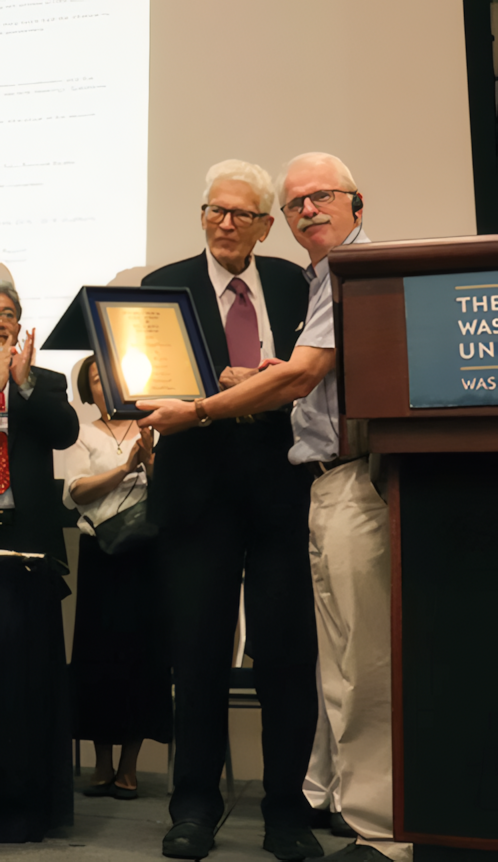
The IARF is deeply grateful to the Boeke family for sharing Rev. Dr. Boeke’s wish that memorial contributions be made to our organisation. We thank all who may choose to honor his memory in this way.
Those wishing to make a gift may do so here. Your support will help continue the work that was so dear to him.
Empowering Foundations: Advancing Equality and Opportunity through Rural Engagement
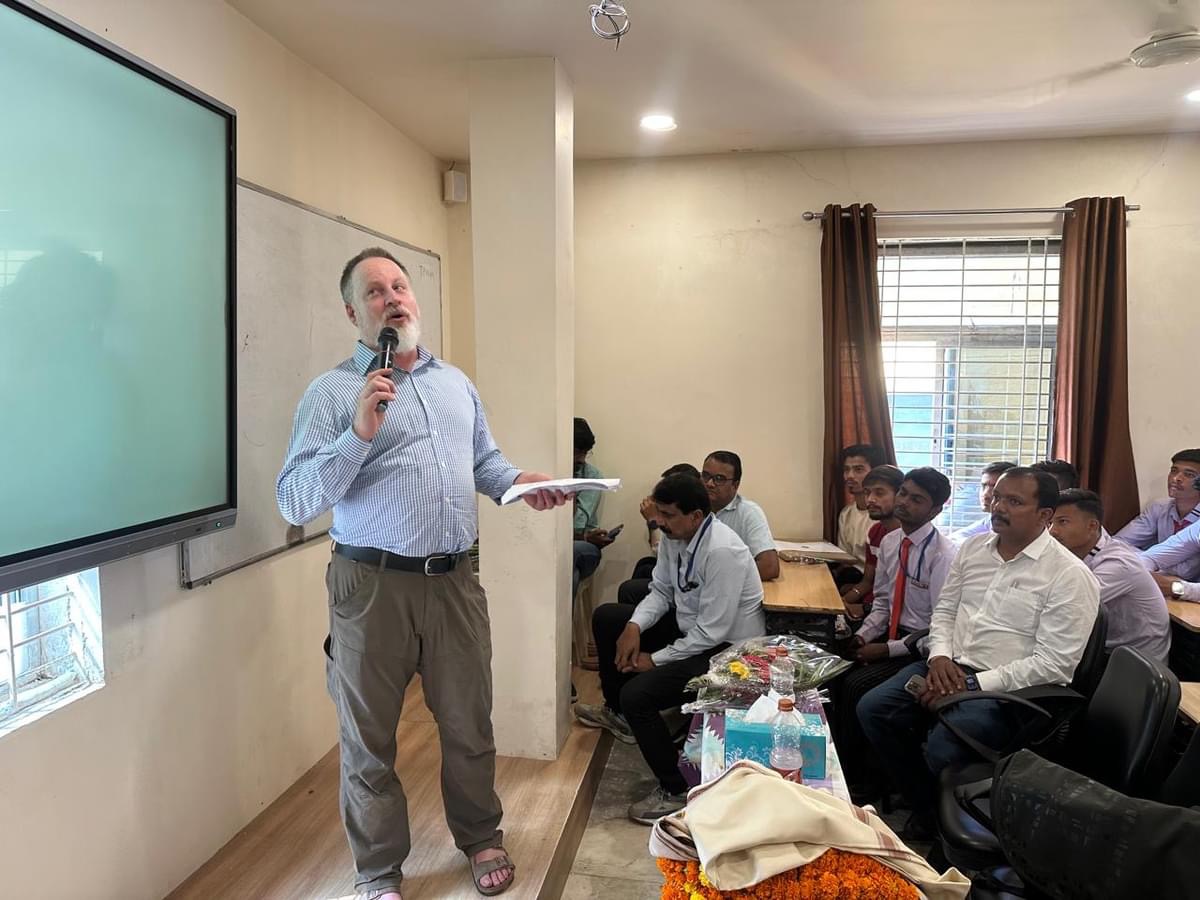
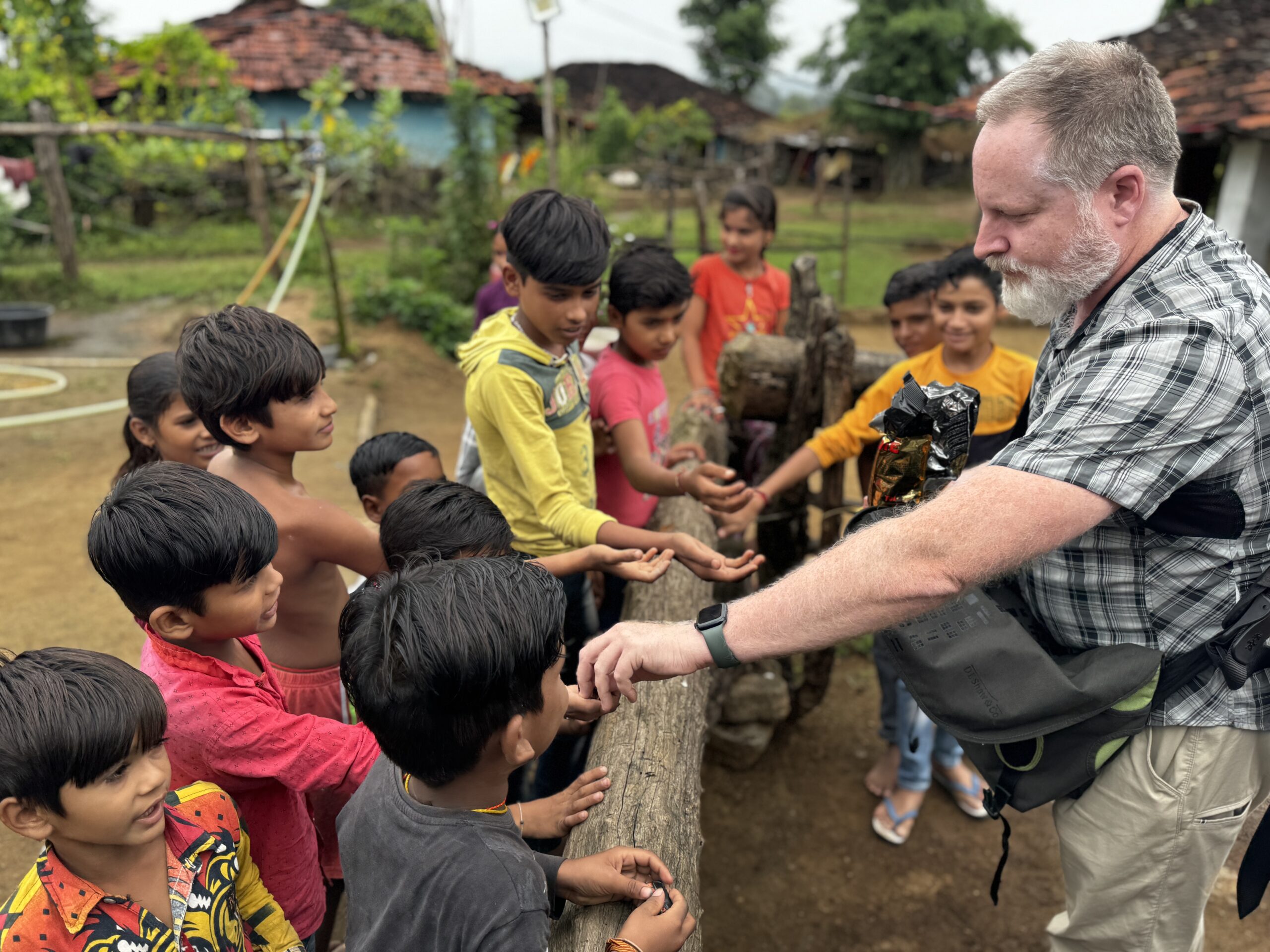
In a significant demonstration of international interest in rural India’s development initiatives, David Moss, Senior Vice President and Head of Trading Compliance at a leading New York-based investment management company, conducted an extensive two-day visit to various IARF-RFYN projects in Chhindwara, Madhya Pradesh, during October 19-20, 2024. The visit showcased remarkable achievements in youth empowerment, interfaith harmony, and women’s economic development.
Youth Empowerment and Skill Development
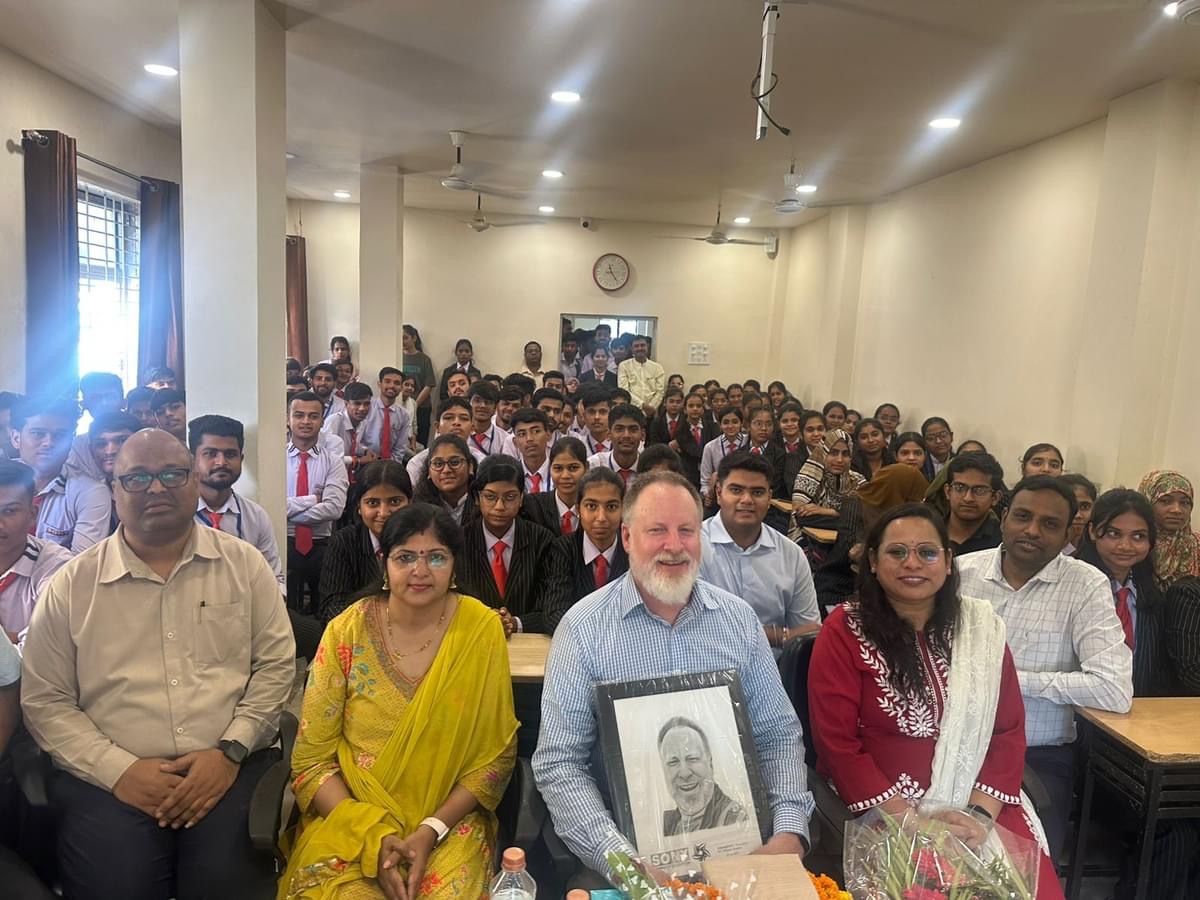
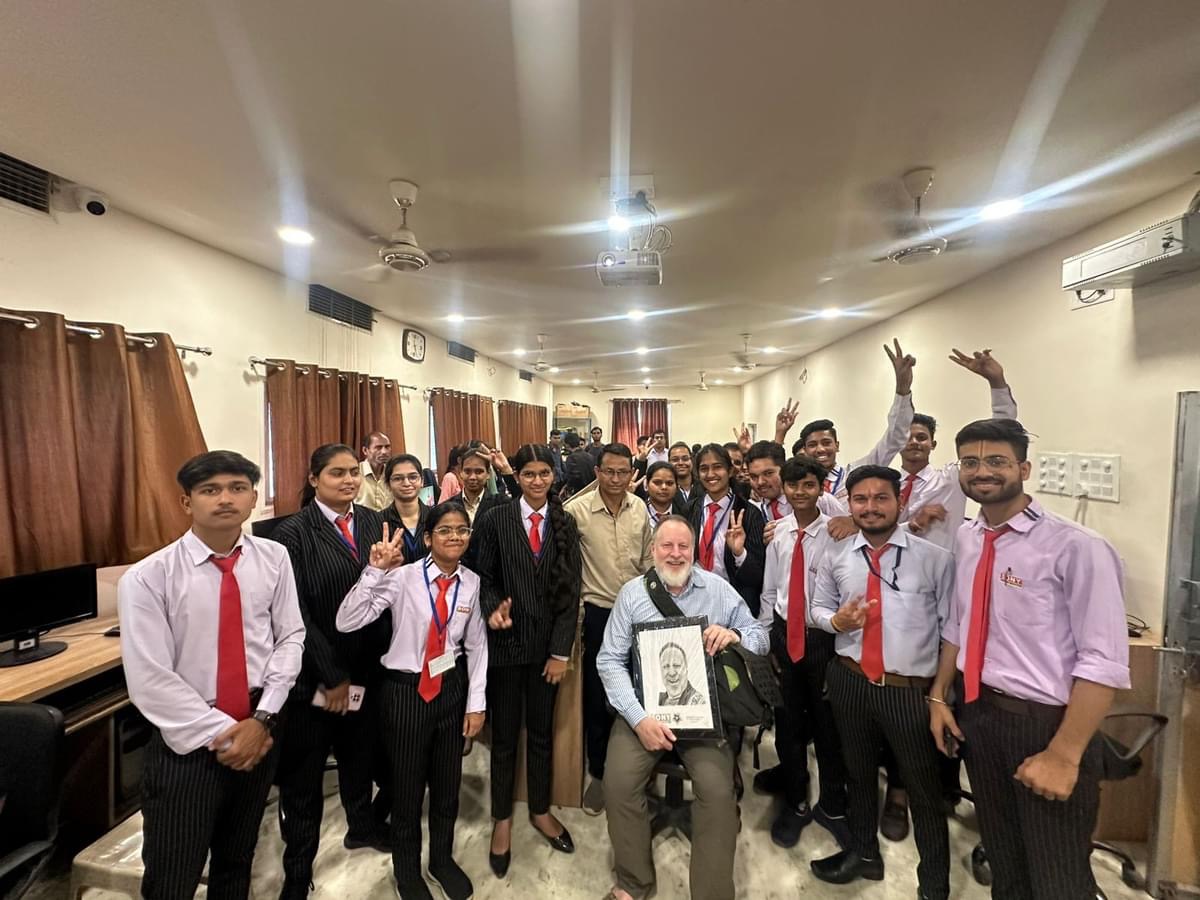
At the heart of the visit was a compelling session at Sony Computer Education centre, where Moss engaged with RFYN, aspiring professionals, sharing invaluable insights about global finance career opportunities. Moving beyond traditional accounting roles, he emphasized critical skills needed in today’s financial sector, including professional email communication, financial fundamentals, and proficiency in digital tools such as Excel and Google Sheets. Moss particularly stressed the importance of staying informed about global financial trends.
The impact of his guidance was evident in the enthusiastic response from participants, who presented him with a hand-sketched portrait as a token of their appreciation.
Interfaith Harmony and Educational Initiatives
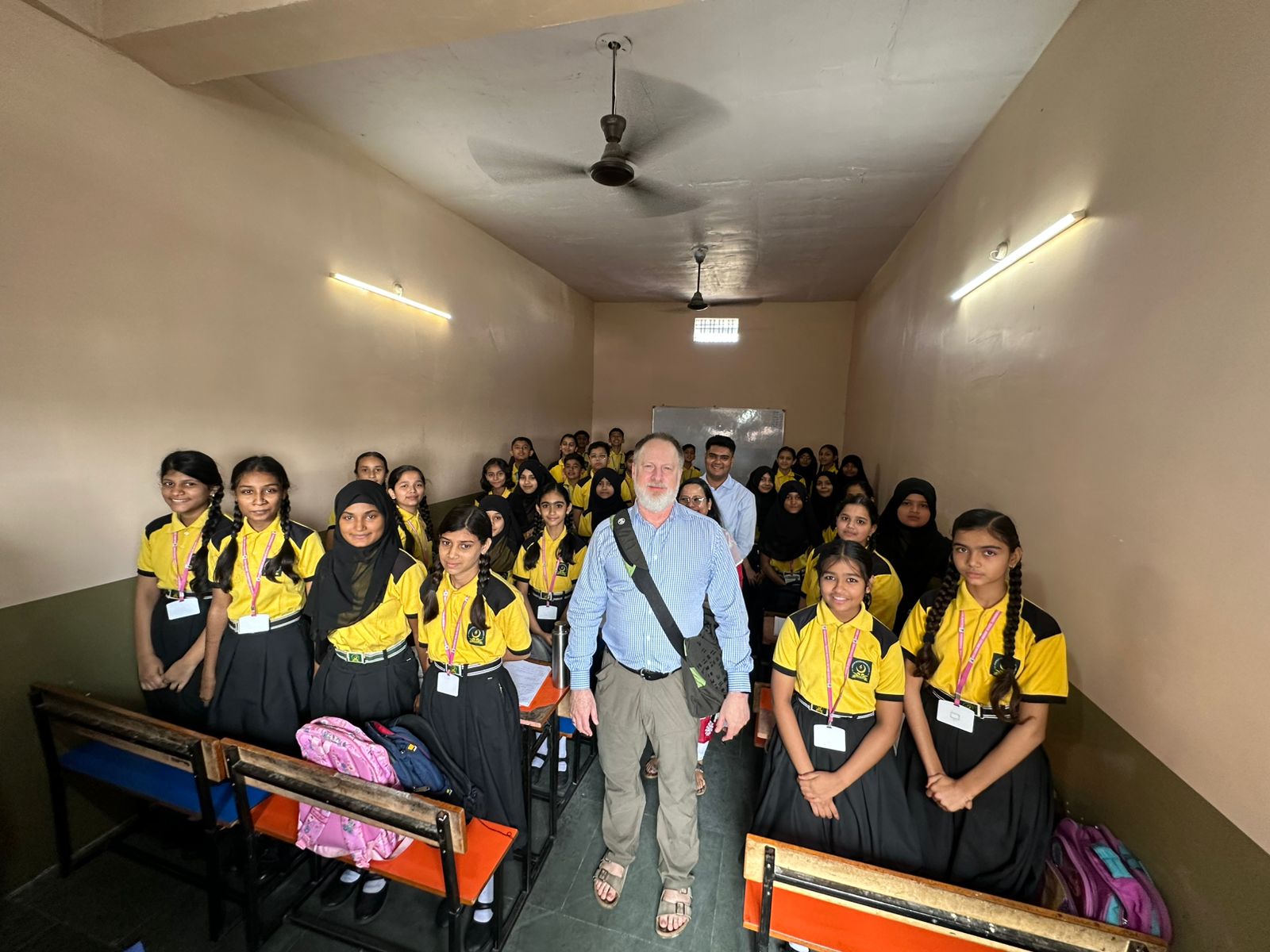
The visit highlighted significant strides in promoting interfaith harmony through education and cultural exchange. Moss visited Anjuman English Medium school, An Urdu school which stands as a beacon of religious integration. The school’s unique approach ensures children aged 5-13 years from various religious backgrounds study together, fostering early understanding of religious diversity. Despite language barriers, students made commendable efforts to interact with Moss in English, demonstrating their commitment to global communication skills.
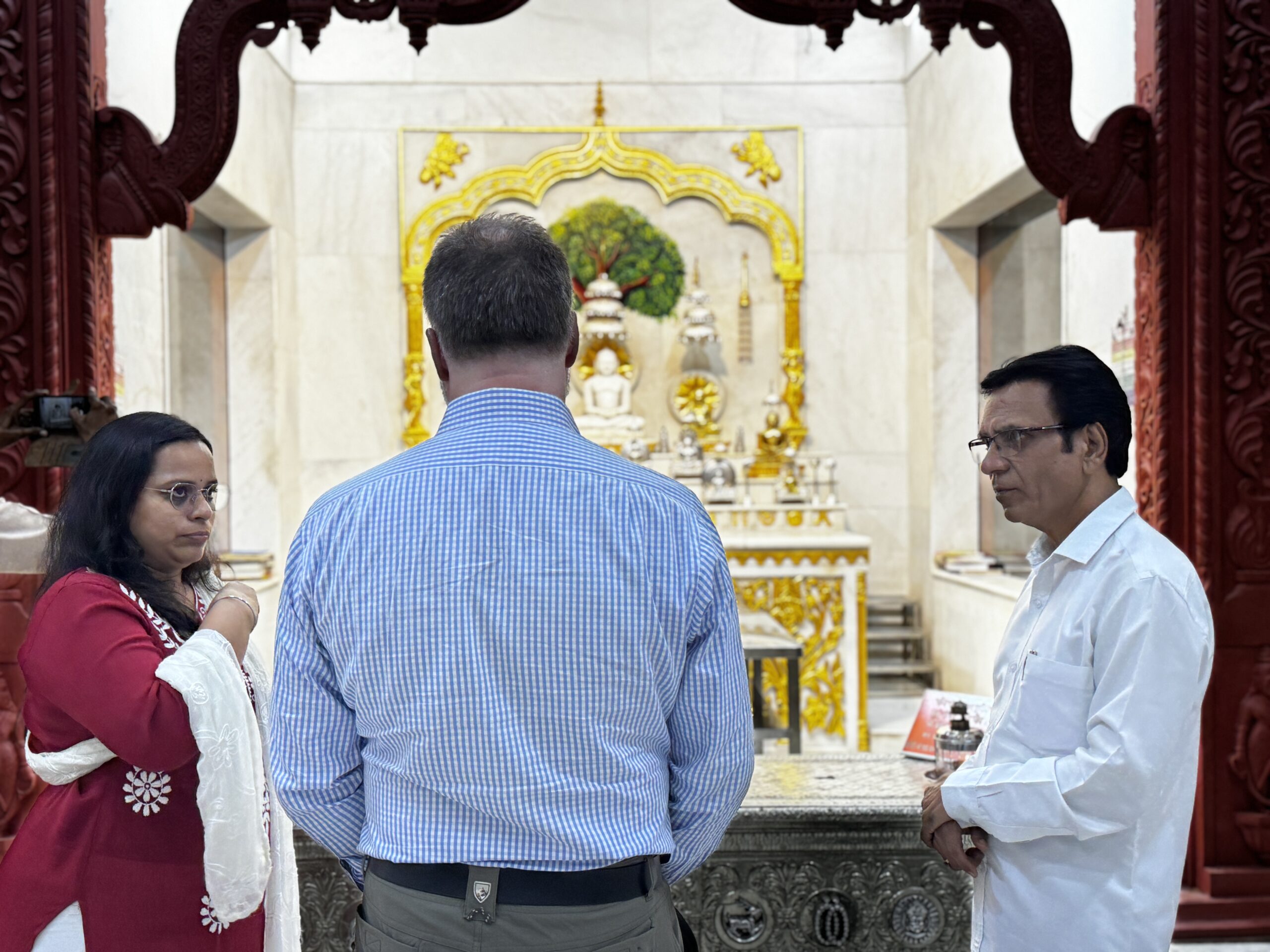
Further emphasizing the interfaith aspect, Moss visited a local Jain temple, where Mr. Deepak raj Jain provided insights into Jain philosophy and traditions. This cultural exchange exemplified the program’s commitment to promoting understanding across different communities.
Vocational Training and Career Development
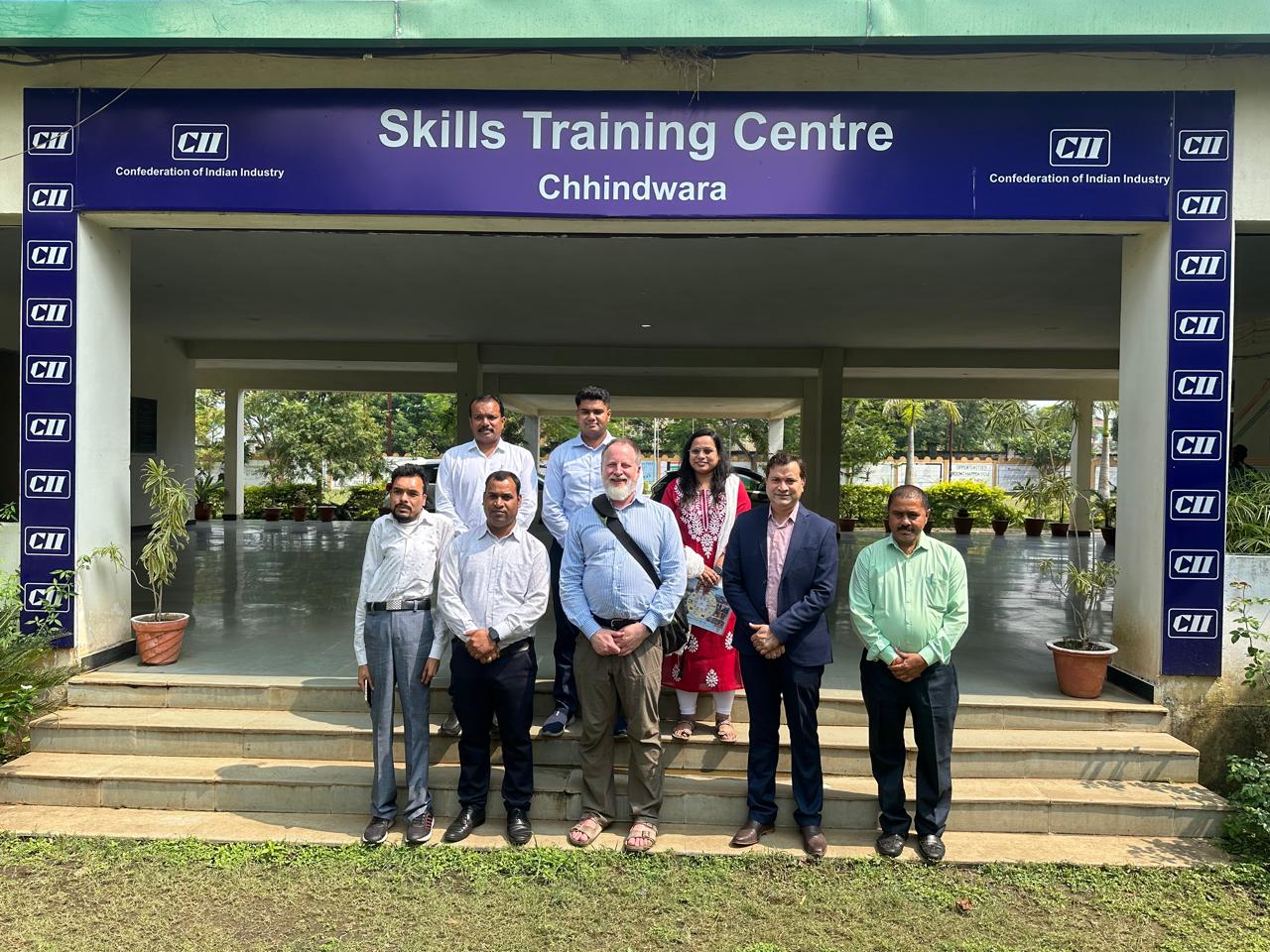
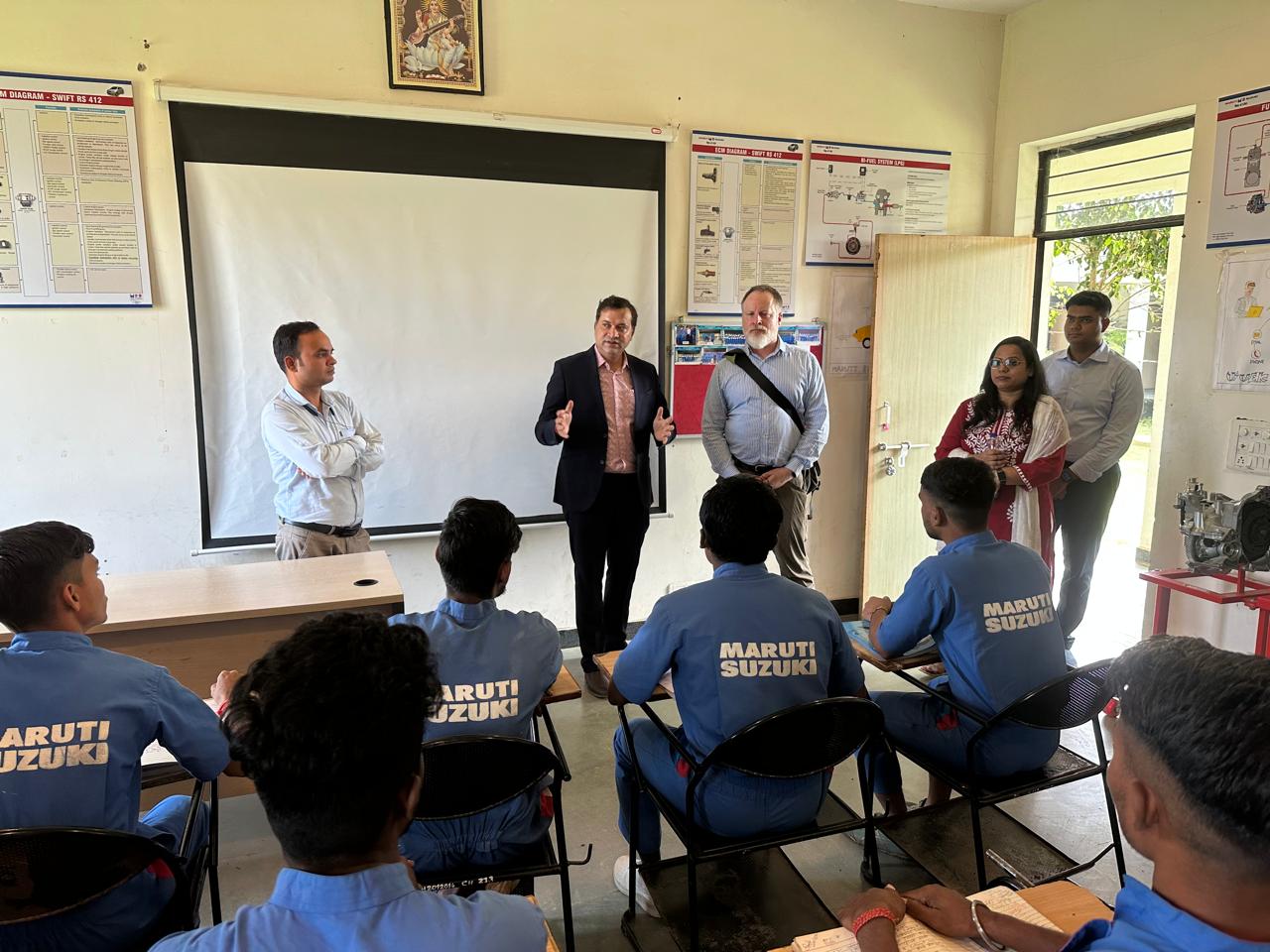
A significant portion of the visit focused on RFYN’s innovative ‘Careerfirst’ initiative, which bridges the gap between underprivileged youth and employment opportunities through government-sponsored vocational training. Moss visited several prestigious training centres, including CII (Confederation of indian industries), ATDC (Apparel Training & Design Centre), and Ashok Leyland’s training facility in Chhindwara. During these visits, he engaged directly with students, learning about their economic backgrounds and aspirations. His encouragement to complete their courses and pursue career goals resonated strongly with the trainees.
Women Empowerment and Rural Economic Development
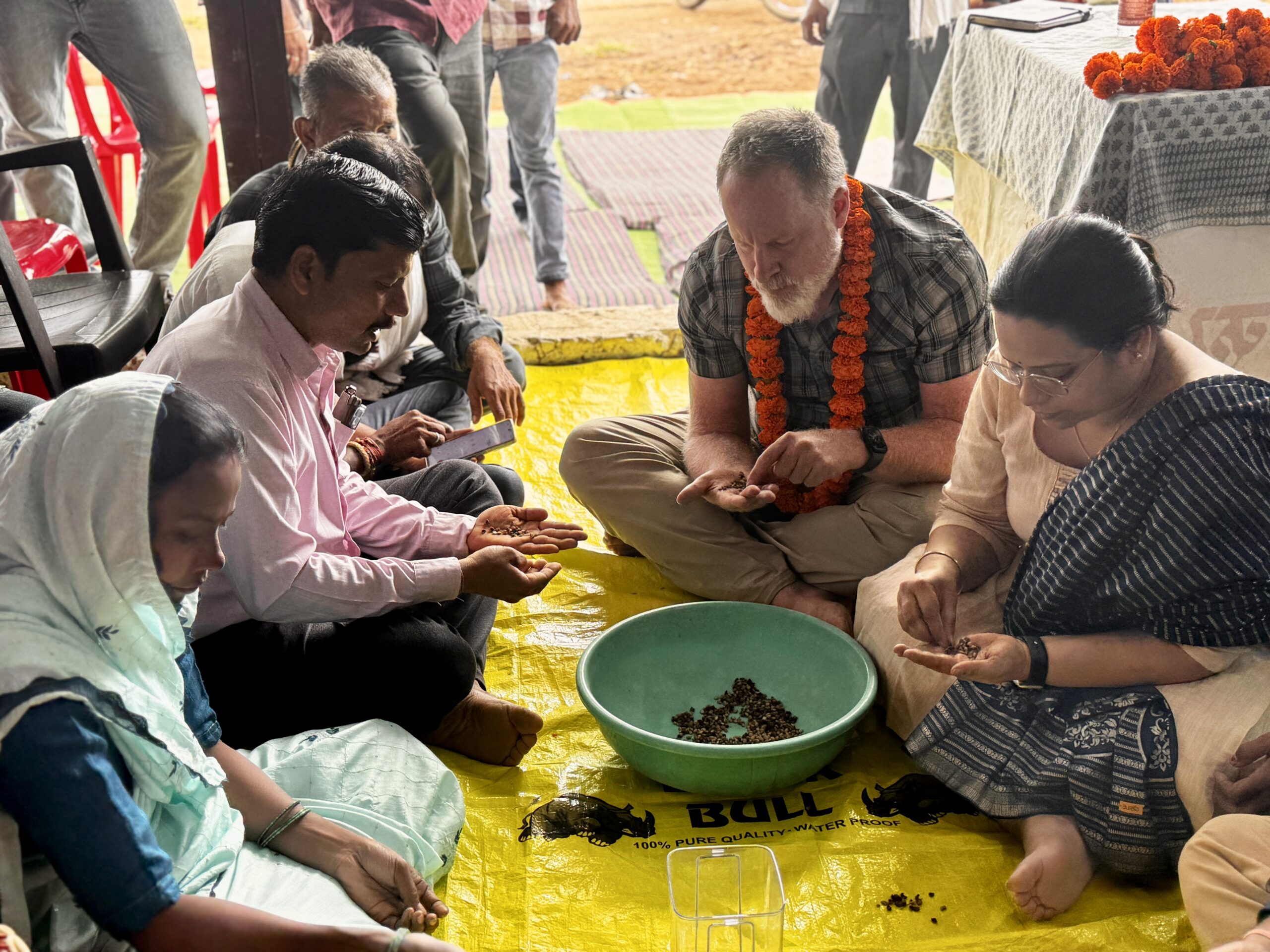
In Bamhni village near Tamiya block, situated 95 km from Chhindwara, Moss witnessed the transformative impact of RFYN India’s women empowerment projects, which have shown remarkable success over the past 7-8 years. The village, predominantly tribal and challenged by work opportunities, has been uplifted through a collaborative initiative involving Cosmo foundation, Sony Computer Education and RFYN.
The installation of Chironji de-shelling machines has created sustainable livelihood opportunities for women’s self-help groups. This initiative processes seeds from the Buchanania lanzan plant, a high-value dry fruit with strong export demand, particularly in Gulf countries. Villagers shared how this mechanization has provided an additional benefit to their economic conditions.
Leadership and Recognition
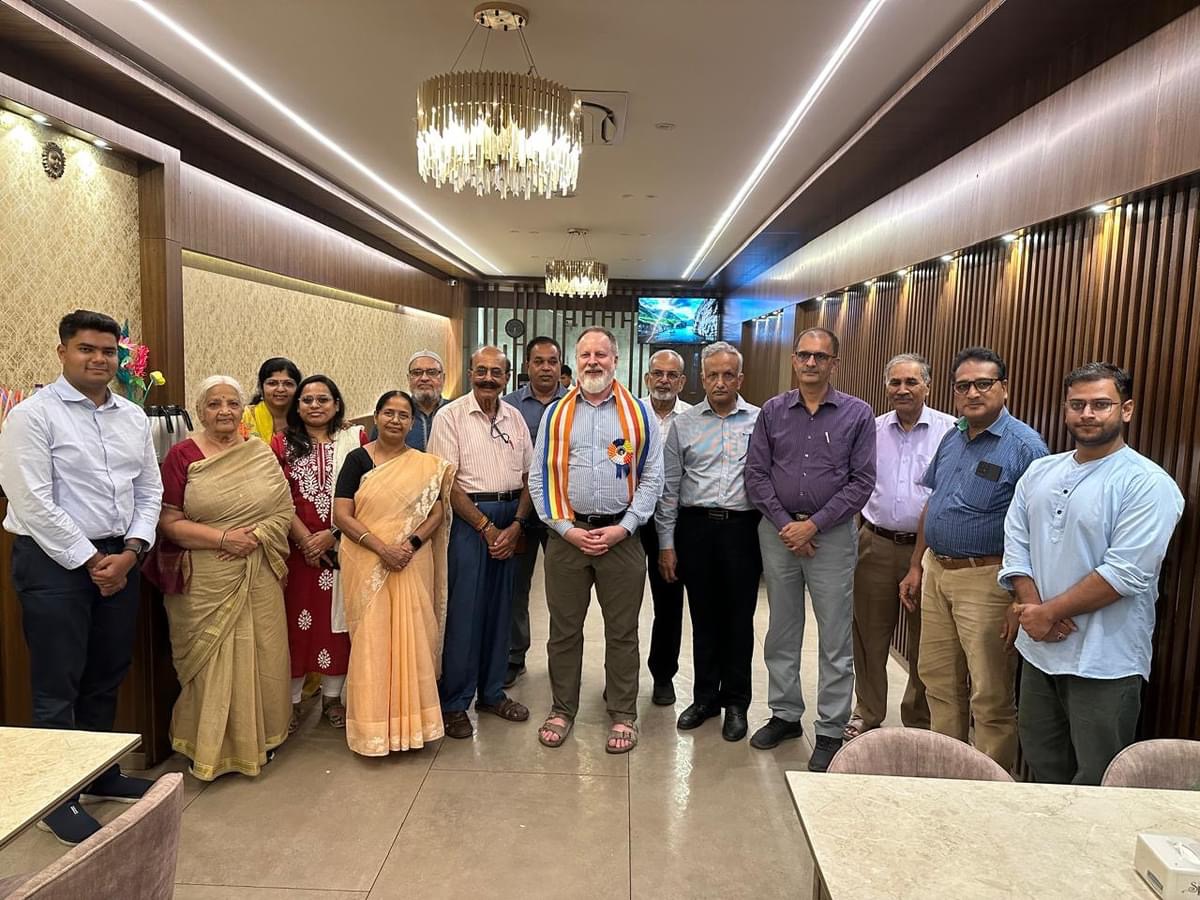
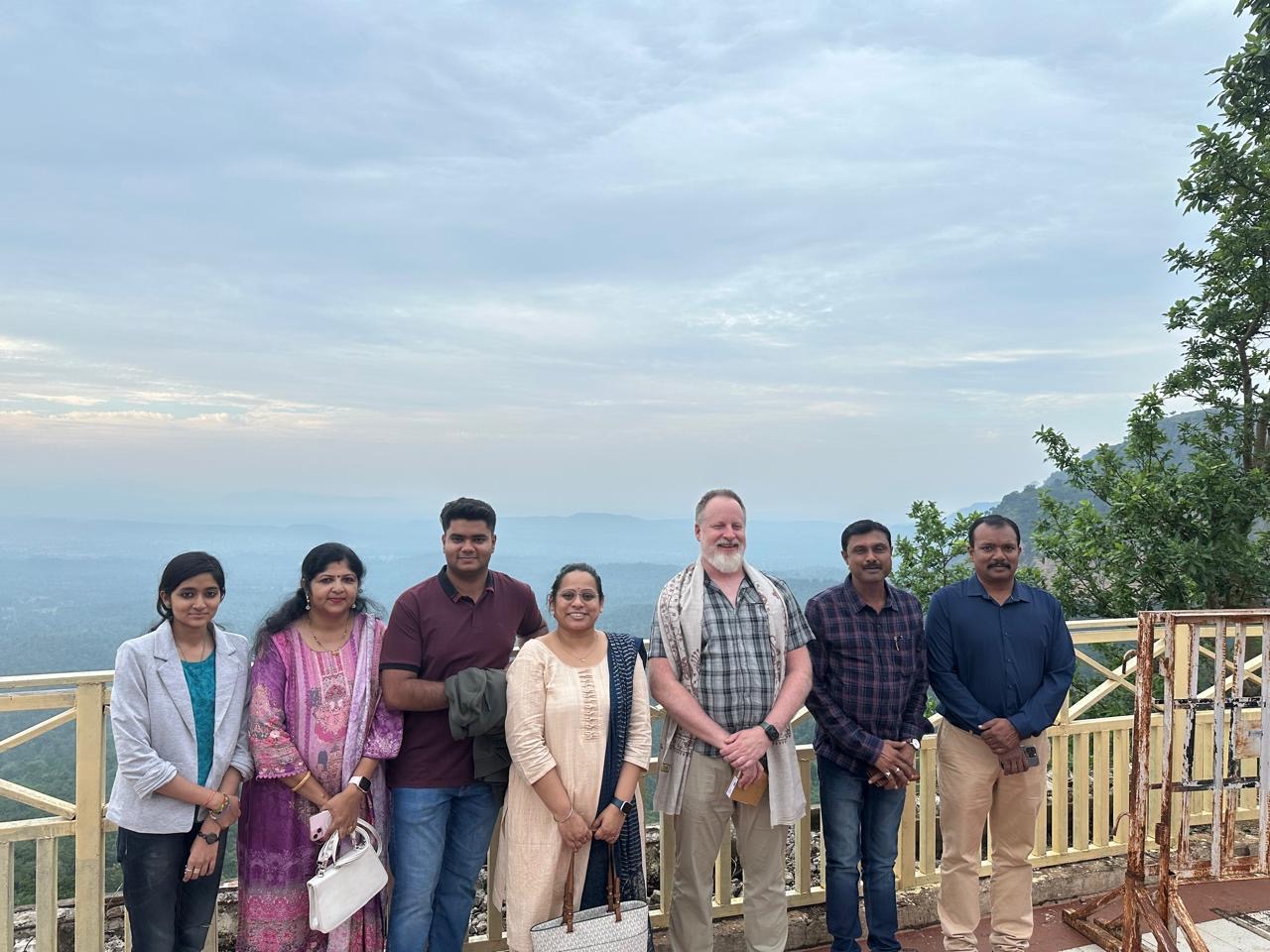
During his visit, Moss met with IARF Chhindwara Branch members to learn about the organization’s history and development in the region. The success of these various initiatives is attributed to a dedicated team of professionals, including Mr. Manoj Soni (Secretary, IARF Chhindwara Branch), Mr. Aayush Soni (RFYN Representative and VP, IARF), Mr. Immanuel Manish Daniel (Senior Member, IARF), Dr. SA Brown (Ex. Council Member, IARF), Dr. KK Shrivastava (Founding Member of IARF Chhindwara branch), Mr. Ansari (Founding Member of IARF Chhindwara branch), Mr. Ratnesh Jain (IARF Member), Mr. Vishwesh Chandel (Member, IARF Chhindwara Branch), Mrs. Kirti Soni (Director, Sony Computer Education), and Ms. Janhvi Gupte (Ex. VP and RFYN Representative, IARF).
Future Implications
“The synergy between various stakeholders – from government agencies to educational institutions and community organizations – is what makes these initiatives truly successful,”
Moss observed during his concluding remarks. The visit highlighted how targeted interventions, when properly executed, can create sustainable change in rural communities while promoting education, women’s empowerment, and interfaith harmony.
The success of these programs, particularly in Bamhni village and through the Careerfirst initiative, demonstrates the effectiveness of RFYN’s approach in identifying and bridging gaps between job seekers and employers. This model of rural development, combining skill development, women’s empowerment, and interfaith harmony, could serve as a template for similar initiatives across rural India.
The comprehensive nature of David Moss’s visit not only highlighted the impact of RFYN’s initiatives but also strengthened the connection between global expertise and local development efforts in rural India, setting a promising precedent for future international collaborations in rural development.
9th Annual UN Symposium on the Role of Religion and Faith-Based Organizations in International Affairs
The Ninth Annual Symposium on the Role of Religion and Faith-based Organizations in International -affairs attracted more than 600 people. It was held online on January 24, 2023 exploring the theme “Securing People’s Wellbeing and Planetary Sustainability”, and was organized by the World Council of Churches and a coalition of around 27 faith-based organizations, institutions and UN-partner organizations with experts on climate change, disarmament and other relevant topics related to the SDGs.
The annual symposium on the role of religion and faith-based organizations in international affairs was initiated in 2015, parallel to the SDGs by the General Board of Church and Society of the United Methodist Church, the Seventh-Day Adventist Church and the WCC. Today the symposium co-organizing entities and partners have grown to include denominational, ecumenical, multireligious and faith-based groups including long-time co-organizers ACT Alliance, Religions for Peace, Islamic Relief-USA and the United Religions Initiative. From 2017 onwards the Interfaith Task Force on Religion and Sustainability Development – currently representing 27 entities within the UN system cooperated as a co-organizer. The annual symposium was conceived as a space to focus on how religious and partner faith-based organizations could reinforce engagement around shared concerns of human dignity, human rights and sustainable development. It serves as an event for conversation to identify and deepen the multidisciplinary aspects of the permanent general theme on human rights and human dignity. The symposium is held annually on a date in January close to the birthday (January 15) of the Rev. Dr. Martin Luther King Jr.
Rev. Dr. Liberato C. Bautista, assistant general secretary for UN and international affairs, Methodist, President of the Conference of NGOs in Consultative Relationship with the UN (CoNGO) opened the over five hours lasting symposium and reminded of former symposiums: the 6th symposium 2020 was intended to reflect on the planned processes to review progress 25 years after the Beijing Platform for Action and the state of multilateralism at the 75th anniversary of the UN, but was postponed. Given the importance of the theme, a smaller but well-resourced workshop for faith-based organizations was held instead. In 2021 a virtual symposium focused on accelerating Gender Equality, Equity and Justice. The succeeding 2022 symposium was also held virtually on a theme focused on “Mobilizing Moral Influence and Governance to end the Systematic Injustices of Racism, the Legacy of Colonialism and Slavery”.
The themes identified with work by faith-based organizations are not alien to UN partners. The active collaboration by faith-based organizations, UN partners and member-states underscore the concern for joint and concerted action and transformative solidarity among all actors.
Some UN officials and leaders of civil society reflected why faith-actors are critical actors:
Maria Fernanda Espinosa (former President of UN-GA) reflected the necessity to retool and spiritually reground the UN system. Backsliding is happening in almost all SDGs. What does keep us back? Either are we paralyzed and dispaired or the crisis is pushing as to act. It is a multiple crisis. We have knowledge and technics to make it better. The big gap lies between knowledge and action. If faith as religion or faith in humanity, UN or other is motivating and pushing us to action, do not accept that science is the leader, that was the case for a very long time.
Beatriz Schulthess (Priestess, Founder and President of Indigenous Peoples Ancestral Spiritual Council and member of Qulla/Kolla Nation and Co-president Religions for Peace) informed that indigenous people gathered and asked, what sustainability could mean. They discovered that it means what they always were doing. But other cultures decided that it means to serve themselves at the detriment and damage for other cultures.
Prof. Dr. Azza Karam (General Secretary Religions for Peace) moderated the panel on “Framing Human Security as Shared Security for People and the Planet”. She explained that she started her work at UN 20 years ago to show how relevant the role of religion is.
Audrey Kitagawa criticized the five belligerent veto nations in the Security Council which since its foundation fended off threats of wars and failed with Russia. “How can we support the security council?” she asked. NGOs, Faith-based and multifaceted institutions all should speak in one voice to protect human rights. Religious faith leaders should cooperate with governments for the security of people and their coexistence. Although this is difficult. Humans are egoistic.
Bishop Heinrich Bedford Strohm (Moderator oft he Central Committee of the World Council of Churches, Lutheran Church of Bavaria) encouraged that religion not only reaches the heads of people but their hearts. Therefore religious communities are so important in questions of human wellbeing and planetary sustainability for questions about life-style and behavior. They only can successfully put forward if political change is connected with a change of mind, of hearts. He is persuaded that churches and religious communities in general are ideal agents for the world wide civil society. They are deeply rooted in local communities and at the same time they live in a global horizon in strengthening their faith in God who created heaven and earth. Bedford Strohm reminded the WCC Consultation on Justice, Peace and Safeguard of Creation in 1990 in Seoul: all appeals in this connection were already made as recommendations and only now they reached governments. The Assembly of WCC in Karlsruhe 2022 has again emphasized and focused on the necessary change to be made.
Archbishop Gabriele Giordano Cacca (Apostolic Nuntius and Permanent Observer of the Holy See at UN) considers the crisis, out of a Christian understanding, as an imbalance of the human heart. Truth is that God created every human being to his (her) image. We should carry responsibility about our actions, for the four pillars for peace are: truth, justice, freedom and solidarity.
Amanda Ellis (former Ambassador, New Zealand) reminded that women are still excluded from preace processes and negotiations. Her question is: “Can human security become an unifying paradigm for humanity?” This question was taken up into further consideration.
Recent Supreme Court Cases in the U.S. Interpreting Religious Freedom
This will be the first IARF Congress that my congregation and I participate in. I’m the current president of the board of directors for the Free Congregation of Sauk County, Wisconsin, which is the last surviving Freie Gemeinde of a hundred or so established by German immigrants to the U.S. between 1850 and 1950.
My goal in attending the Congress is to broaden my understanding — beyond my parochial and limited view of the world – of religious issues faced by other countries and institutions and people.
Preparing for the Congress has caused me to reflect on an aspect of “religious freedom” in the U.S. which may interest other attendees. The topic is how the concept of religious freedom is being used in the U.S. to permit persons to discriminate against others, especially in providing services.
Religious freedom is an issue of great current importance in the U.S. It has reached the point where two opposing sides interpret the phrase itself to have very different meanings.
On one side are those who ground religious freedom in the language of the First Amendment to our Constitution, that religion shall be free from direct state interference. The exact language is “Congress shall make no law respecting an establishment of religion, or prohibiting the free exercise thereof ….” On that same side are those who also point to the language of Thomas Jefferson in a letter to a congregation, when he wrote “I contemplate with sovereign reverence that act of the whole Amerian people which declared that their legislature should ‘make no law respecting an establishment of religion, or prohibiting the free exercise thereof’, thus building a wall of separation between Church and State.”
This widely-quoted view of the separation of church and state is not included in any law or official document, and it is challenged by those who stress the predominantly Protestant Christian background of the early American leaders. To this group, “religious freedom” primarily means the freedom to practice one’s (Christian) religion even when it conflicts with other societal values, and a vocal minority seeks to make the U.S. a Christian nation.
This short article attempts neither to give an exhaustive history of the struggles in the U.S. over more than two centuries, nor to detail the complexities and subtleties of the three relatively recent court decisions that currently define the outlines of the conflict, but only to introduce them to the attendees at this Congress, so they might become part of our discussion.

The U.S. operates with three branches of government: legislative, executive, and judiciary. Our national legislature is the Congress consisting of the Senate and the House of Representatives. Our national executive is the President and all the associated departments and agencies. Our national judiciary is the federal court system headed by the Supreme Court. All three branches can take actions (such as legislation, regulations, and decisions) that have the effect of law. Not infrequently, one law will be seen as conflicting with another law, or one right, such as freedom of religion, will be seen as conflicting with another right, such as freedom of speech. Over the past decade, the Supreme Court has issued decisions in three prominent cases interpreting religious freedom in ways that permit certain forms of discrimination:
- The Wedding Cake Case
In this case, a baker in the state of Colorado refused to create a wedding cake for a same-sex couple based on his religious objection to same-sex marriage. The Supreme Court ruled that requiring the baker to provide services to a same-sex couple would violate his right the the free exercise of his religion. Masterpiece Cakeshop v. Colorado Civil Rights Commission (2018). - The Hobby Store Case
The Supreme Court ruled that the employer (a “closely-held corporation” in which the corporation’s stock is held by a small number of investors, often family members) could refuse to provide its employees with a normally-required health care benefit (contraceptive coverage) if it conflicted with the religious views of its owners. Burwell v. Hobby Lobby (2014). - The Foster Care Case
The Supreme Court decided that a Catholic foster-care agency could refuse to work with same-sex couples, despite the city’s non-discrimination policy, because doing so would violate the free exercise of the agency’s religion. Fulton v. City of Philadelphia (2021).
I look forward to meeting and talking about many topics with other delegates to the Congress, and I hope that this article will lead me to learn of the situation in other countries, and of any parallels to the conflicting views of religious freedom I’ve touched on here.
Spotlighting the IEA, our Member Group in the Holy Land
- To learn more about the IEA and its projects, please visit the IEA’s website or write to its office.
- You can read their 2022 activity report here.
- If you are a member of the IARF (a Member Group or Chapter), you can also find Dr. Yehuda Stolov on our community platform.
The IARF is thrilled to introduce and spotlight one of its longstanding member organisations, the Interfaith Encounter Association (IEA). Based in Israel, the IEA has been dedicating itself tirelessly to the cause of interfaith dialogue and grassroots peacebuilding for over two decades. Thee IARF has offered several grants to the IEA over the years as we believe it is precisely this kind of grassroots, volunteer-based, transparent movements that is especially needed in areas afflicted by conflict and prejudice. IARF has helped fund its Leaders’ Forum operating in the Jerusalem & Hebron areas, and encounters between Jewish religious students and Muslim young adults. For historical information see Jerusalem-Hebron Religious Leaders’ Forum 2011 report and Religious Leaders – 12.12 – 7.13 report. Dr. Yehuda Stolov, the Executive Director of the IEA, has served as a member of the International Council (IARF’s Board) from 2014 to 2018.
A Truly Diverse Engagement
IEA’s mission to create a foundation for sustainable peace is apparent in the diverse religious and political backgrounds of its coordinators and participants. They represent different areas from Negev to Galilee, Hebron to Otniel, and East to West Jerusalem, striving continuously to overcome challenges and establish peace. By engaging a wide spectrum of people, the IEA aims to build the infrastructure for peace, one encounter at a time.
The Resurgence of IEA Activities in 2022: A Record Number of Encounters
In the wake of Covid-19, the year 2022 marked a resurgence of pre-pandemic levels of activity for the IEA. A record total of 412 encounters were held, with eight groups renewing their activities or starting anew. The resulting participation was unprecedented, as thousands of individuals across various ages, viewpoints, social statuses, religions, and cultures came together in these bridge-building encounters, forging mutual understanding and friendship.
The Presidential Award: A Testament to Tireless Work
One highlight of the year was the IEA receiving the Presidential Award for Volunteerism from the President’s own hands, a moment that was celebrated with all coordinators at the President’s residence. This honor represents the tireless work behind the scenes that includes strategic planning, administrative paperwork, and continuous communication, all carried out with the support of caring individuals, families, and communities.
The Principle of Constructive Dialogue and Mutual Respect
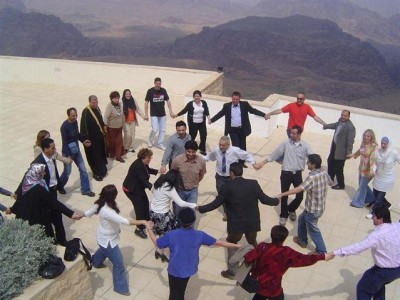
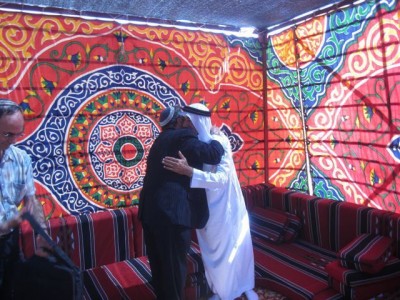

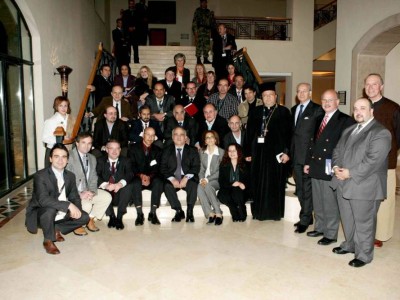
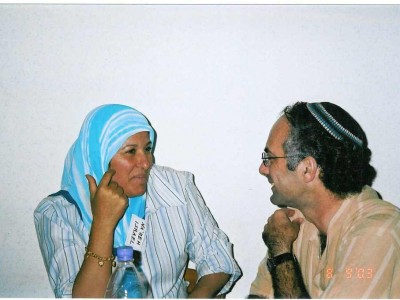
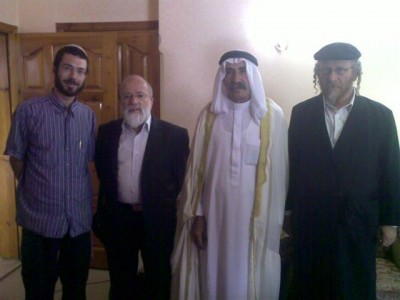
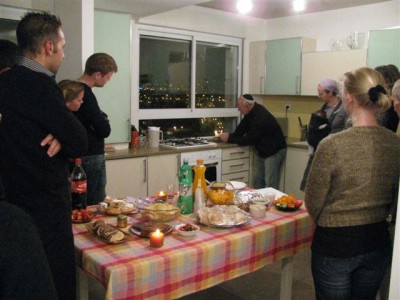
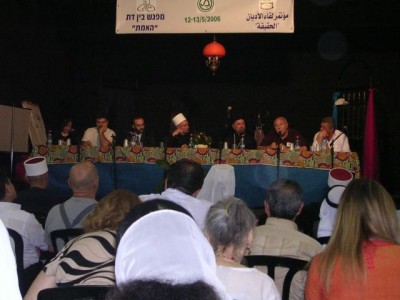
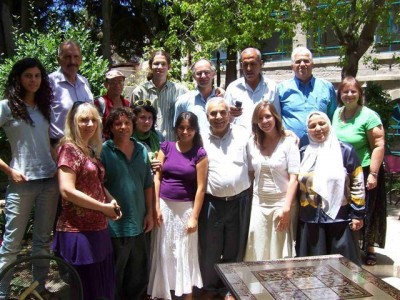
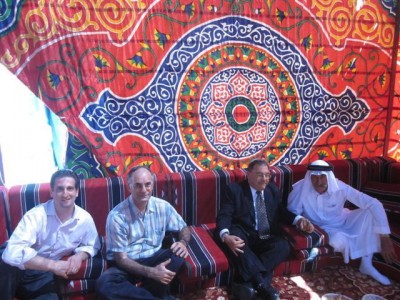
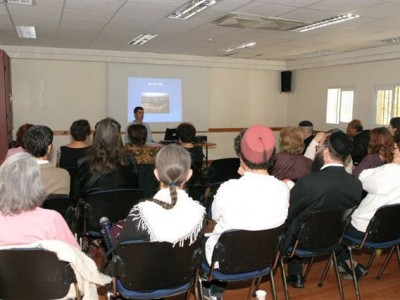
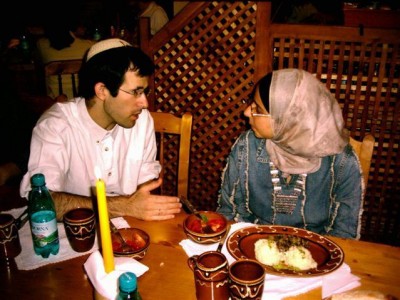
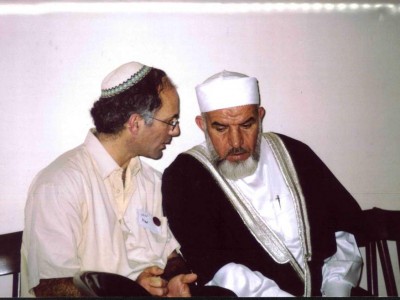
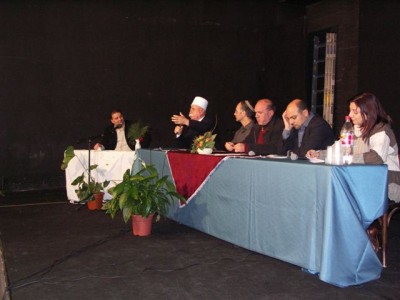
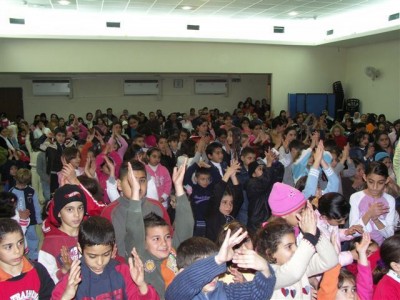
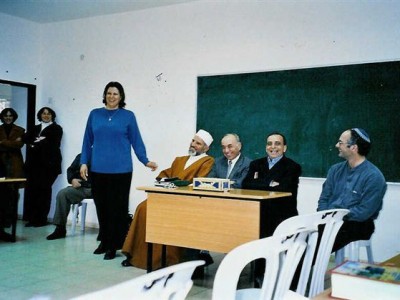
Within the IEA, the principle of constructive dialogue and mutual respect is fostered among different traditional and cultural backgrounds and faiths. In 2022, the 39 active groups successfully organized 412 encounters throughout the year, focusing on various religious themes and promoting joint study and dialogue.
A Glimpse into Diverse Scenarios
The IEA’s remarkable work was visible in diverse scenarios, such as the Jaffa interfaith group discussing active listening and peace concepts; the Reut-Sadaqa group in Jerusalem discussing dream interpretations and renewal rituals; the Debate of Peace group involving Jewish and Arab high school students in Model UN simulations, and many more.
Online Engagement: Interfaith Dialogue in the Comfort of Your Home
In the online realm, the IEA continued to make interfaith dialogue accessible right from the living rooms via groups like 929 and the New Testament Study, while two of their groups, Teaneck, NJ, and D.C. and beyond, brought the IEA’s essence to the U.S., meeting both online and offline.
Beyond Encounters: IEA’s Special Events
The IEA’s extensive work is not limited to these encounters, but also includes events that bring together people from different groups across the Holy Land. In 2022, the IEA held an annual Iftar dinner, an Interfaith Encounter Day, and an Interfaith Singing Evening, demonstrating their continued commitment to promoting peace and unity through shared experiences.
Joining the IEA: An Open Invitation
The Interfaith Encounter Association invites you to join in this important work. Whether through participating in a local group, spreading the word on social media, partnering with your institution, or providing financial support, your contribution can help further the cause of peace.
IARF Ideals Practiced in Our Congregation – Free-Religious Congregation in Offenbach am Main, Germany
The free-religious community in Offenbach has been a part of the International Association for Religious Freedom (IARF) since the 1920s. Besides our connection with the international IARF community, a significant concern is promoting dialogue, cooperation, and the further development of religious life among diverse religions and worldviews. Below, we present a few of the projects and activities of our community:
Café International
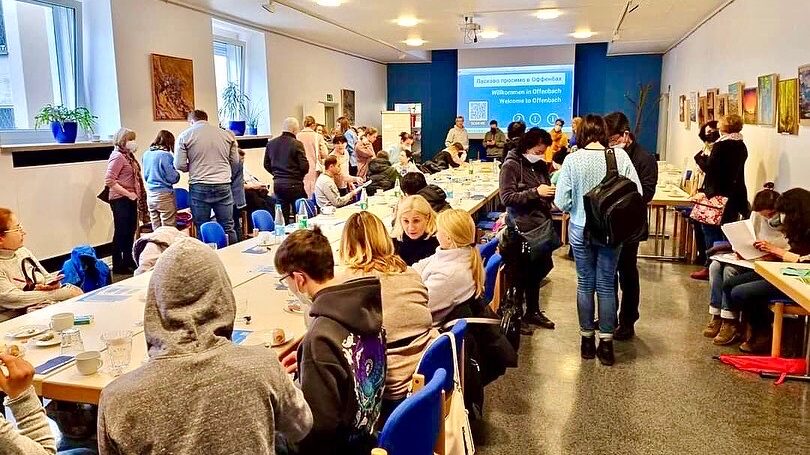
Held twice a month, Café International provides individuals of all backgrounds a space to meet, exchange ideas, and receive assistance with everyday life. Volunteers aid newcomers to the city, while joint excursions featuring language guides and an educational program for children showcase how living together can be simplified despite language and cultural barriers. Café International evolved from Café Hallo, an initiative launched in April 2022 for refugees from Ukraine.
Circle of Religions
Our free-religious community in Offenbach is a co-founder of this group, which has organized several “Days of Religions”. During this event, various religious communities present themselves in public spaces and schools, addressing questions such as: How does your religion relate to the diversity of sexual orientations and identities? What are your views on abortion? etc. Annually, we also coordinate a “Prayer of Religions” where each religious community delves into its religious practices before discussing a common topic.
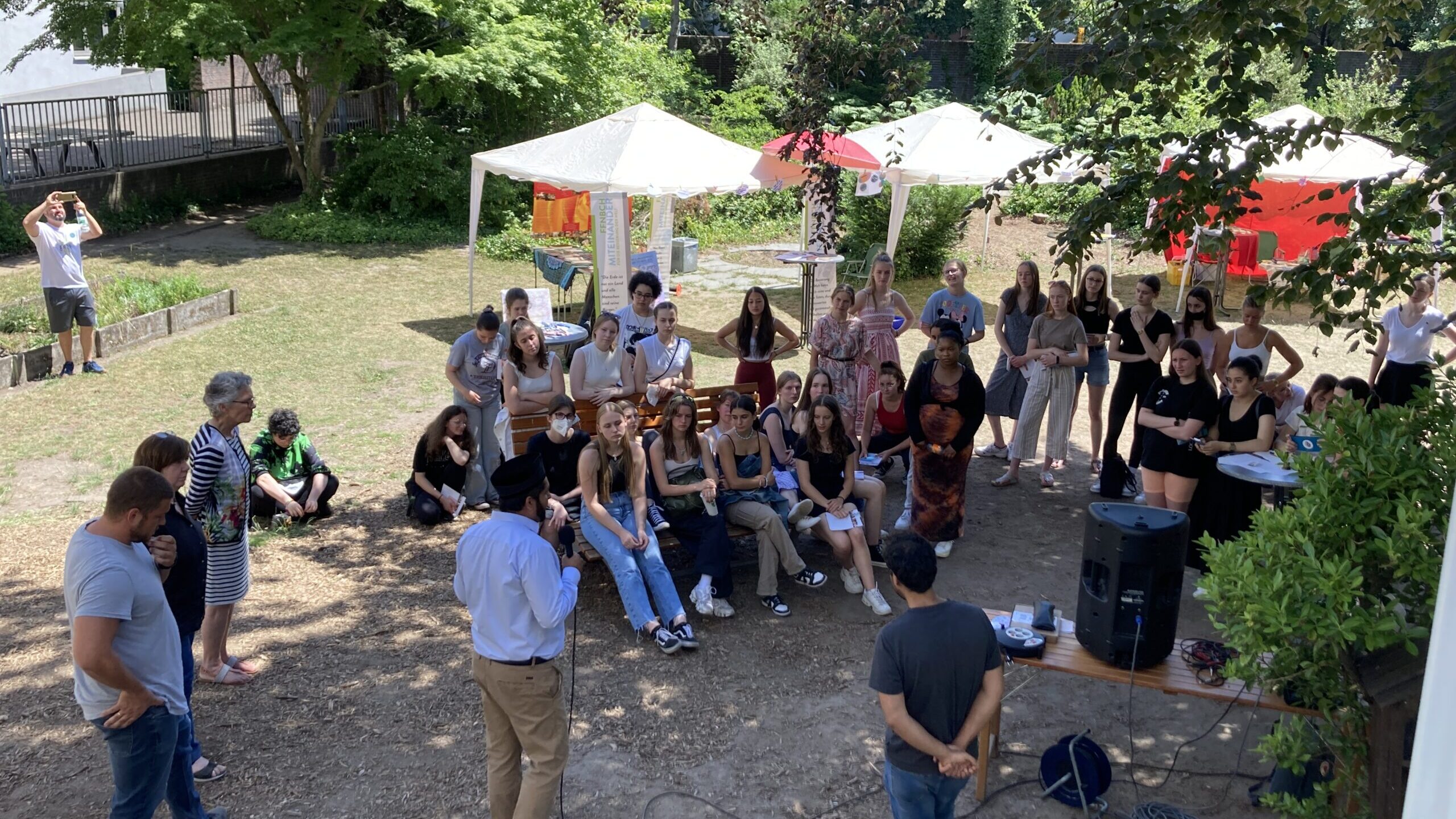
Church Asylum
We offer church asylum or shelter to those persecuted for political, religious, or inhumane reasons. In light of the influx of refugees from Syria, Ukraine, and other third-world countries, we strive to provide them a safe haven and aid in their integration into our society.
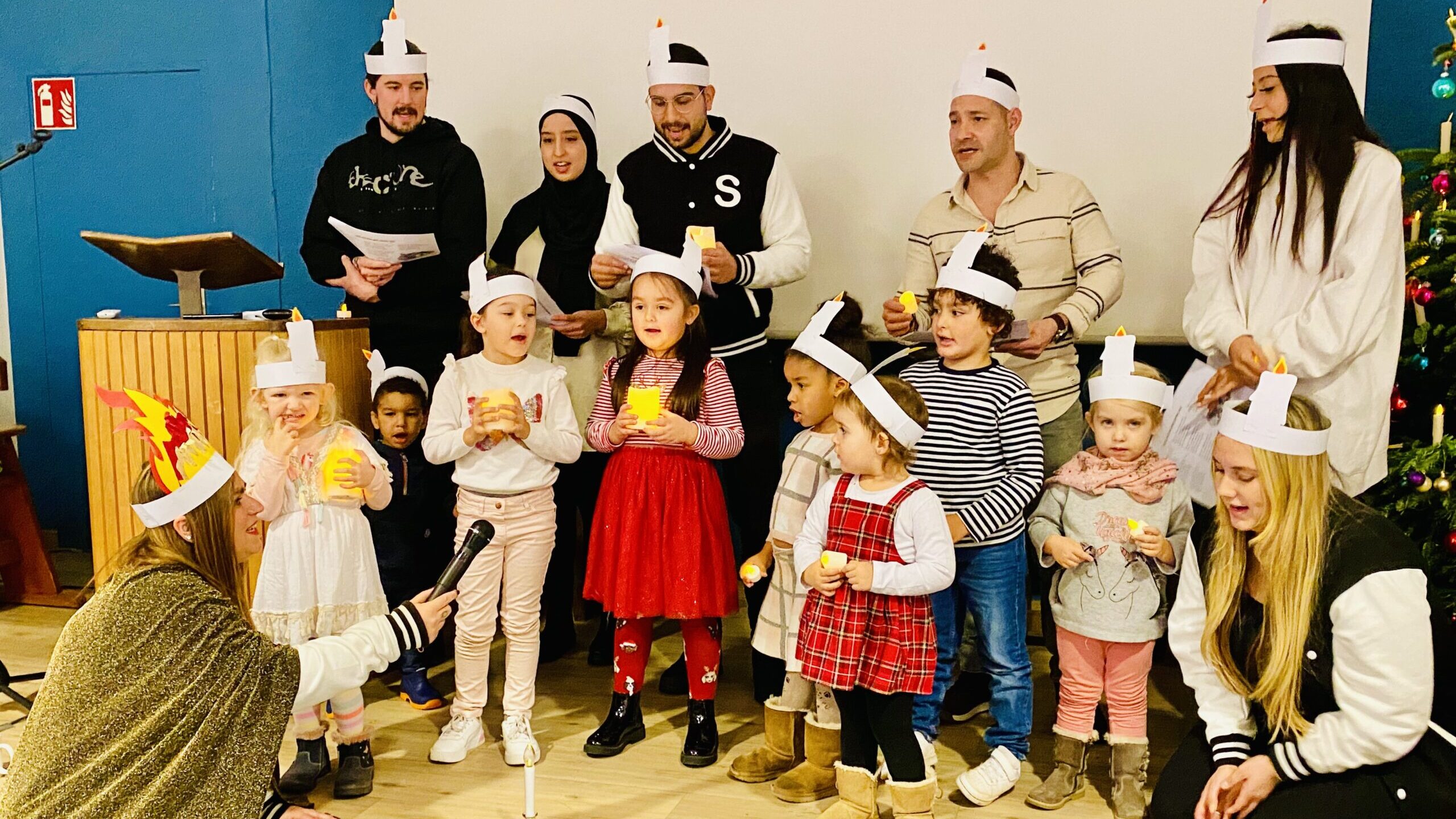
Kindergarten
Our free-religious community in Offenbach and its gGmbH now operate three kindergartens. Here, we foster children from a multitude of cultures and religions. In these kindergartens, we run a program for school beginners, teaching them about various religions and the importance of respectful coexistence.
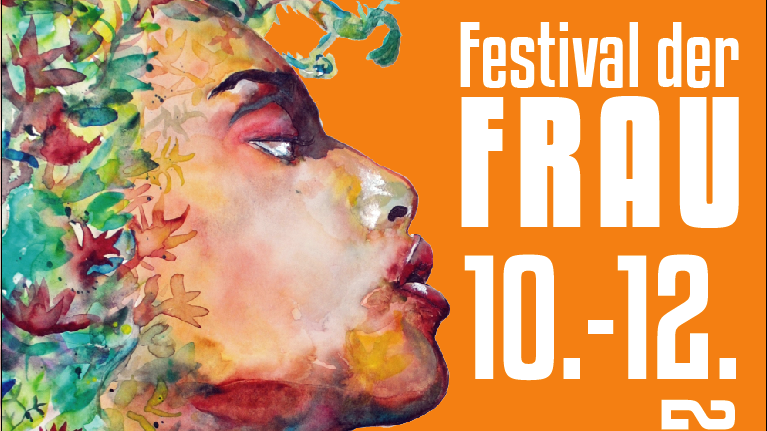
Festival of Women
Every two years, we organize a festival dedicated to the persistent unequal treatment of women and men across all walks of life. In conjunction with this, we hold a panel discussion on “Women in Religion” and a consecration hour that critically addresses this topic. All proceeds are donated to the women’s shelter in Offenbach.
About the Free-Religious Community Offenbach
The Free-Religious Community Offenbach, established on March 9, 1845, is one of the earliest and largest free-religious communities in Germany, with around 1,150 members. As a liberal religious community, we encompass a spectrum of beliefs, from religious humanists to rationalistic pantheists and dogma-free Christians. We encourage each member to form their own faith, fostering freedom of thought, faith, and conscience without strict adherence to holy scriptures or universally accepted doctrines.
The community was founded by individuals active in education, social care, and economic life, who were interested in religious-rationalist reform and political-democratic changes. Today, we continue to uphold these ideals, seeking co-determination in both church and state matters, championing social justice, equal rights, and educational opportunities for all. Despite the significant societal changes since our establishment, our guiding principles remain grounded in a dogma-free religion and a deep sense of unity in the spirit of humanity.
The Free-Religious Community Offenbach is part of the Bund Freireligiöser Gemeinden Deutschlands and is connected globally through the International Humanist and Ethical Union (IHEU) and the International Association for Religious Freedom (IARF). Despite our widespread connections, we maintain our independence, primarily serving the city and county of Offenbach but reaching far beyond.
Our community center, located in the city center, serves as a hub for a range of activities, including Sunday celebrations, lectures, discussions, festivals, group activities, rites of passage, and social care services. In an ever-evolving world, we continue to adapt our statements, work methods, and community life while preserving our foundational faith and principles.
In memory of Adv. Shabeer Ahmed
Adv. Shabeer Ahmed, a long-time IARF member and esteemed activist, passed away this month after a short illness. We extend our condolences to his family, friends and colleagues, as well as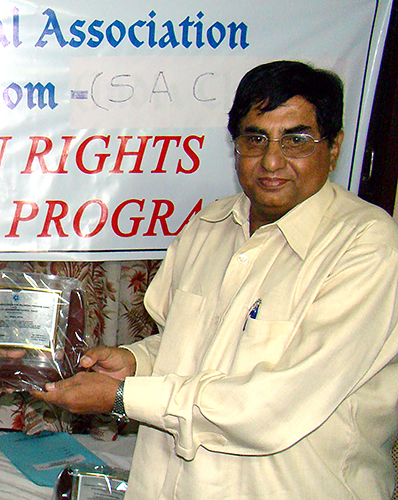 the whole India Chapter of the IARF.
Adv. Ahmed was involved in the Mysore branch of the India Chapter since its establishment. He served as its chairman and secretary, and devoted over 20 years to developing IARF in India and towards attaining its goals of fostering interfaith dialogue and cooperation and promotion of respect for human rights.
He shared his talents and devotion serving at different posts: of Human Rights Education Facilitator, Vice President and Secreatry of the India Chapter, member of IARF’s International Council and Chairman of the former South Asia Coordinating Council, among others.