Protecting Sacred Sites: From Hawaiʻi to the UN
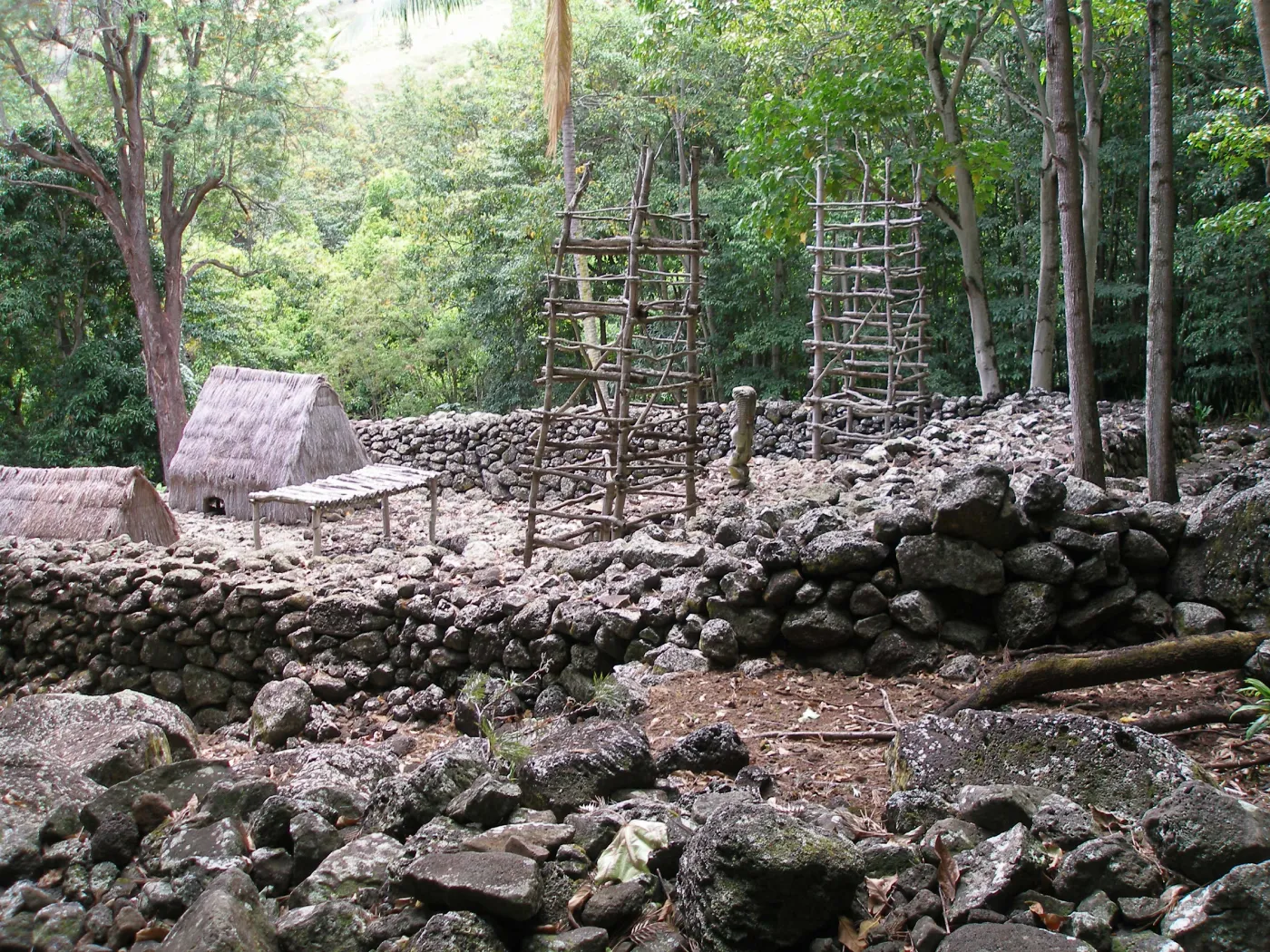
On a steep hillside in Oʻahu, Hawaiʻi, an ancient Native Hawaiian healing temple known as the Kāneʻākī Heiau sits entirely enclosed within a gated luxury housing development. The conflict surrounding this 600-year-old sanctuary has become a defining example of a critical blind spot in religious freedom: what happens when Indigenous sacred sites and ancestral burial grounds fall under private residential control?
In a recent essay for the IARF, past President Dr. George Williams highlights how the homeowners' association (HOA) has effectively restricted access to the temple. Native practitioners seeking to honour their ancestors have been warned of trespassing arrests.
"For many Indigenous Hawaiians, sacred space is inseparable from the land itself," writes Williams. "Unlike traditions centered inside religious buildings, Native Hawaiian spirituality takes place in natural settings... When access is blocked, worship is blocked."
Recognizing that this is not an isolated incident, IARF took this issue directly to the international stage. On March 5, IARF Executive Secretary, Lukasz Liniewicz, addressed the UN Human Rights Council during an interactive dialogue with Dr. Nazila Ghanea, the UN Special Rapporteur on Freedom of Religion or Belief.
In our oral statement, we pointed out the regulatory gap that leaves communities severed from their heritage. While many states have protections for public lands, few have frameworks that balance private property rights with the fundamental human right to care for the deceased. IARF urged UN Member States to systematically document these affected sites and develop effective legislative solutions.
|